

 From the Liveblog of
Thursday, September 4, 2025
From the Liveblog of
Thursday, September 4, 2025
Rubio says US closely watching Israel’s West Bank annexation plans, won’t say if it has Trump support
 Add ToI as a Preferred Source on Google
Jacob Magid is The Times of Israel's US bureau chief
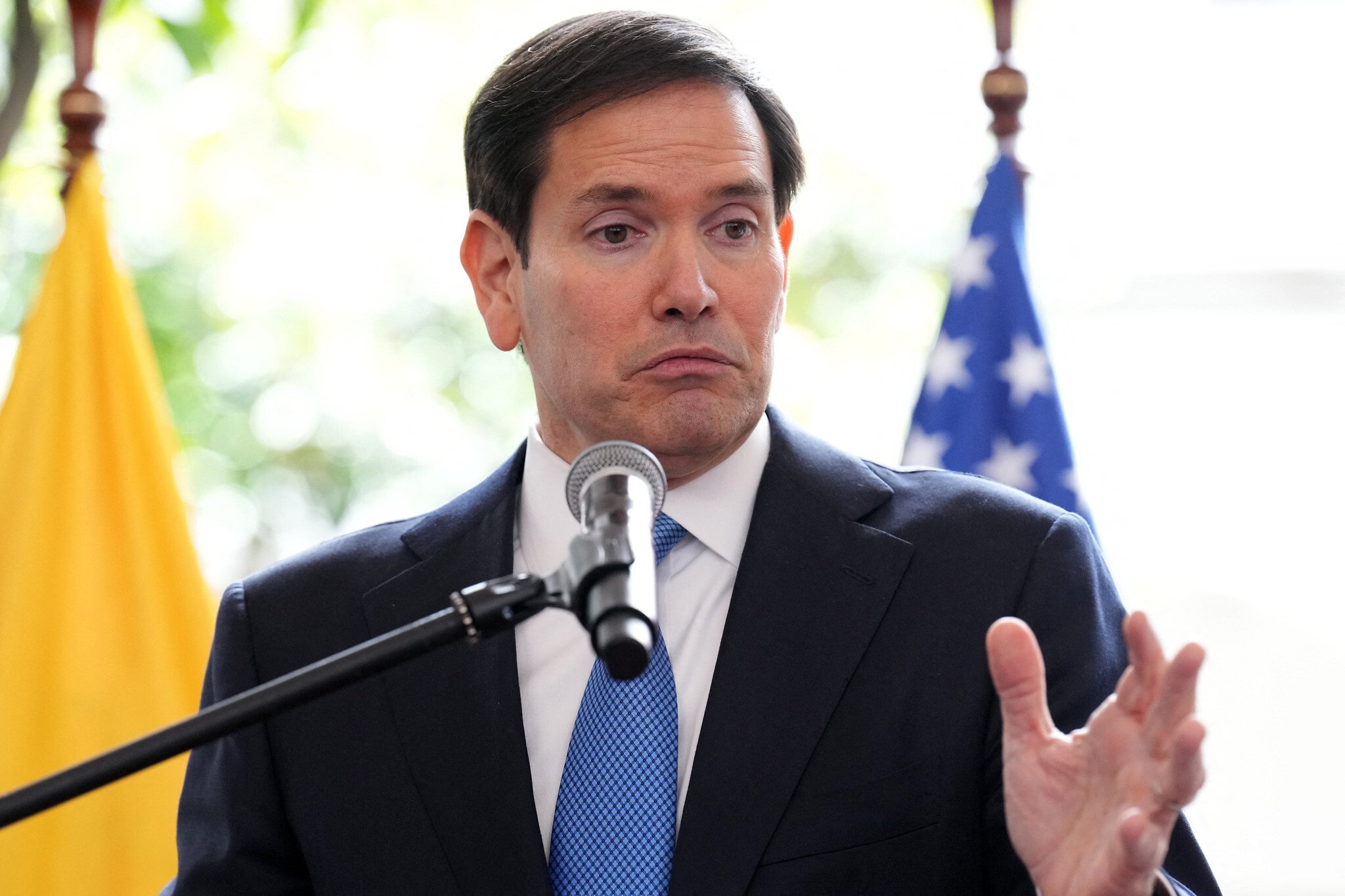
US Secretary of State Marco Rubio says it is “watching closely,” but will “not opine” today on whether the Trump administration supports Israel annexing the West Bank.
While dodging the question regarding Washington’s stance on the controversial move during a press conference in Ecuador, Rubio claims the US predicted that Israel could take such steps in response to Western countries recognizing the state of Palestine.
“We’re watching it closely. I’m not going to opine on it today,” Rubio says of the annexation issue.
“As far as what you’re seeing with the West Bank and the annexation, that’s not a final thing. That’s something that’s being discussed among some elements of Israeli politics,” he adds.
However, he notes, “We told all these countries…. ‘If you do this recognition stuff’… there [isn’t] going to be a Palestinian state, because that’s not the way a Palestinian state is going to happen — [by having] a press conference somewhere, and we told them that it would lead to these sort of reciprocal actions, and [that] it would make a ceasefire harder,” Rubio says.
Prime Minister Benjamin Netanyahu was set to hold a ministerial consult tonight to discuss the matter, an Israeli official told The Times of Israel earlier this week.
Rubio then reiterates his claim that the July 24 French announcement that it would recognize a Palestinian state at the UN in September led Hamas to raise its demands in negotiations — an assertion that Arab diplomats have disputed to The Times of Israel, explaining that Hamas had submitted its response that day — one that was rejected by Israel and the US — several hours before the declaration out of Paris.
The secretary of state is also asked about his decision last week to bar the PA’s leadership from attending the UN General Assembly later this month and whether Washington views the PA as illegitimate
“The Palestinian Authority has its own set of problems,” he says, highlighting Ramallah’s welfare system that includes payments to security prisoners based on the length of their sentence in Israeli jail.
Abbas signed a decree in February that ended the policy and replaced it with a new one, which the PA has begun implementing. In June, Ramallah invited the US to certify that the new policy is now in place, though, the Trump administration has yet to send a delegation to Ramallah.








The Times of Israel Community.