

New at the pandemic-pinched hajj: Bottled holy water, sterilized pebbles
Saudi ministry for annual Islamic event says only those already residing in country will be allowed to perform this year’s limited pilgrimage, set to begin at end of July
 Add ToI as a Preferred Source on Google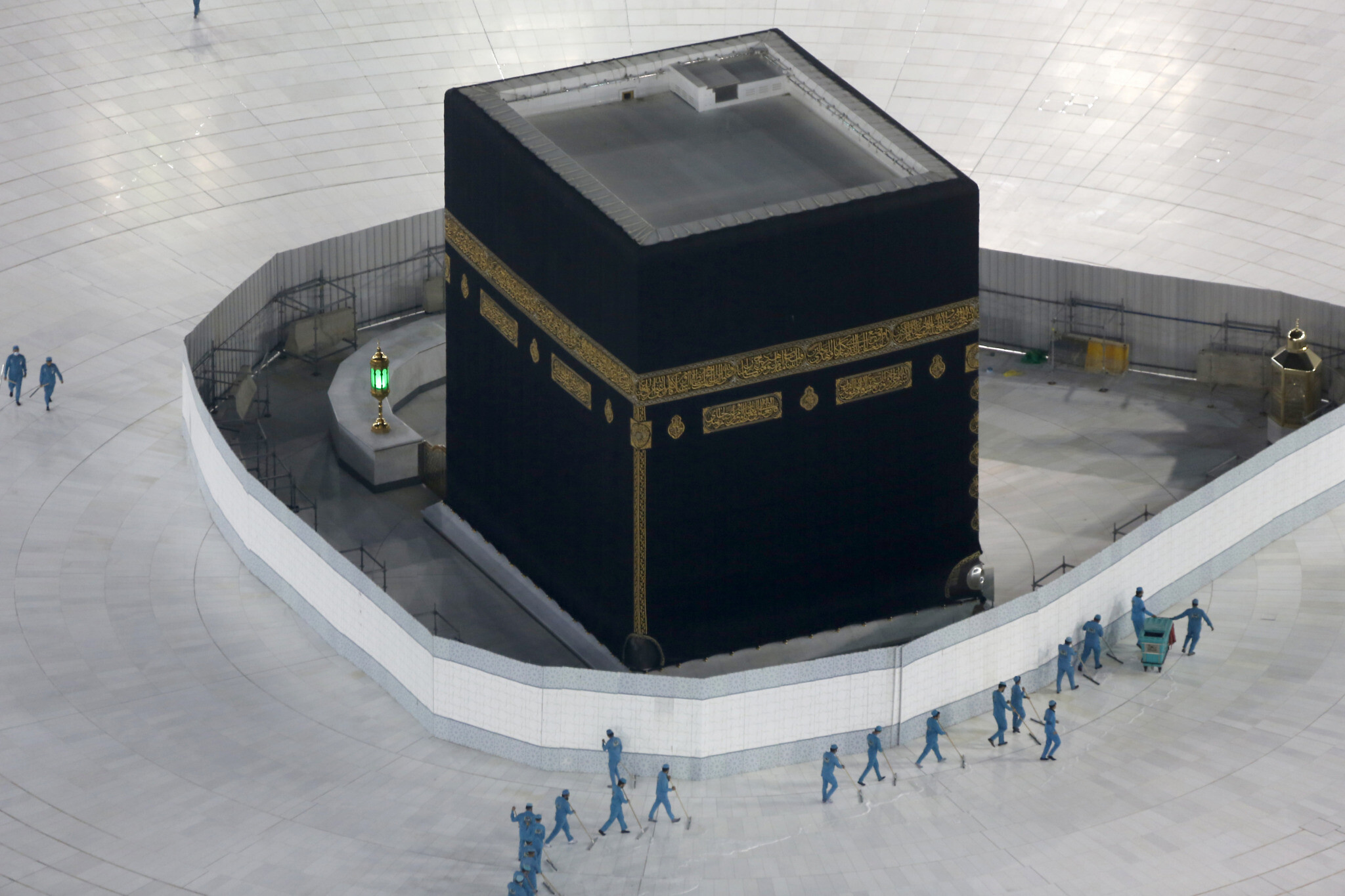
DUBAI, United Arab Emirates (AP) — Saudi Arabia has issued guidelines for about 1,000 pilgrims who will be allowed to perform the hajj pilgrimage in Mecca later this month, an experience that will be unlike any before because of the coronavirus pandemic.
The pilgrims will only be able to drink holy water from the Zamzam well in Mecca that is packaged in plastic bottles, and pebbles for casting away evil that are usually picked up by pilgrims along hajj routes will be sterilized and bagged ahead of time. Pilgrims will also have to bring their own prayer rugs.
The guidelines were announced Monday as Saudi authorities prepare for a very limited hajj, which for the first time will not include pilgrims from outside the country. Instead, the kingdom said that 70% of pilgrims allowed to make the pilgrimage this year will be from among foreign residents of Saudi Arabia and 30% would be Saudi citizens.
Saudi pilgrims will be selected from among healthcare workers and security personnel who have recovered from COVID-19, the illness caused by the virus. The government said their selection represents a “token of appreciation for their role in providing care” during the pandemic.
Saudi Arabia has one of the Middle East’s largest outbreaks of the virus, with infection rates rising by 3,000-4,000 cases daily. More than 213,000 people have contracted the virus in the kingdom so far, including 1,968 who have died.
The new guidelines also mandate that the foreign residents making this year’s pilgrimage should be between the ages of 20 and 50, and that they have not performed the hajj before. The pilgrims will have to quarantine before and after the hajj, and they will be tested for the coronavirus. Those eligible have until Friday to submit an application through the Hajj Ministry’s website.
Saudi Arabia has dramatically scaled back the hajj due to concerns about overcrowding at the annual pilgrimage, which usually draws about 2.5 million people, saying its decision was aimed at preserving global public health.
At the hajj, the crowds move, pray and stand in extremely close proximity, often squeezed shoulder-to-shoulder, as they carry out five days of rites around Mecca. As part of the new safety measures this year, authorities said anyone participating in the hajj will not be allowed to touch the cube-shaped Kaaba, which is Islam’s holiest site and the metaphorical house of God.
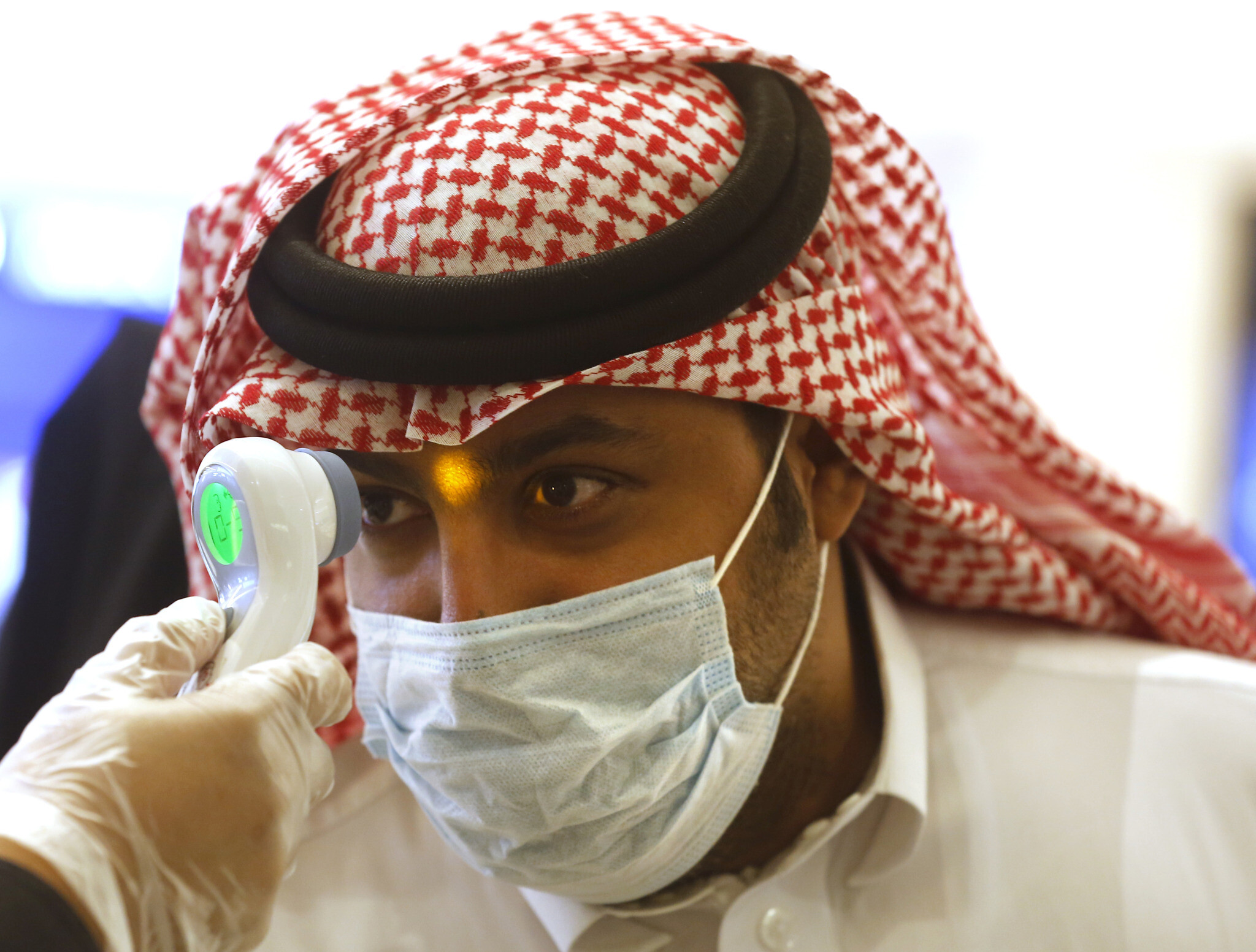
Pilgrims this year will also have to wear masks, maintain physical distance during prayers and sleep in tents that follow guidelines on social distancing.
In other developments in the Middle East, Iran’s health ministry on Tuesday announced the highest single-day spike in deaths from coronavirus, with 200 new fatalities. Spokeswoman Sima Sadat Lari said that was an increase of 40 from Monday, when 160 were reported to have died of COVID-19.
She blamed the spike on large gatherings for weddings and other ceremonies, where people do not observe distancing regulations. Iran on Sunday instituted mandatory mask-wearing even as its public increasingly shrugs off the danger of the virus. Iran has reported more than 245,000 cases of the virus so far and 11,931 deaths.
Meanwhile, the Dubai Financial Market, the sheikhdom’s stock exchange, reopened on Tuesday, when the city-state also began welcoming tourists again. The market closed mid-March over the pandemic, but trading continued online throughout the closure.
“We ensured that there is physical distancing between investors and employees’ offices, which is the most important element for safety during this time,” market official Jamal al-Khadhar told The Associated Press. “There are glass barriers, there are iPads that people can use for any transactions, there’s also a whole setup and sanitizers available, and the entire market was sanitized to implement safety measures.”








The Times of Israel Community.