

Rare Roman-era frescoes uncovered in Galilee
Team working at site of ancient Tzippori discover ‘monumental building’ decorated with images of exotic animals
 Add ToI as a Preferred Source on Google
Stuart Winer is a breaking news editor at The Times of Israel.
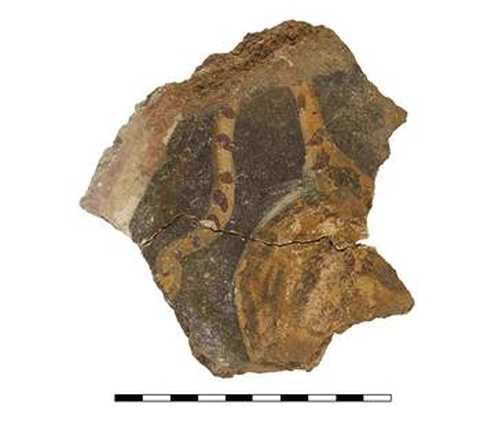
A team of archaeologists from the Hebrew University of Jerusalem uncovered rare Roman frescoes at Tzippori National Park in the Galilee.
The university said Wednesday the frescoes adorned a monumental building that dates back to the start of the second century AD, and include “figurative images, floral patterns and geometric motifs.” Another fragment shows a man holding a club.
“Research on these pieces is in its early stages but it is already clear that at least one room in the building was decorated with figurative images, possibly depicting exotic animals and birds in various positions,” the university assessed in a statement.
The exact purpose of the building is unclear, but the artifacts found there signal it was a structure of some importance.
“Tzippori is well known for its unique mosaics,” the university noted. “The newly discovered frescoes are now added to the city’s rich material culture. While the earliest mosaics discovered at the site date to around 200 CE, the ancient frescoes precede them by about a hundred years and are thus of great importance.”
The images on the frescoes include a lion’s head; a horned animal, possibly a bull; a bird; and a tiger’s hindquarters and tail.
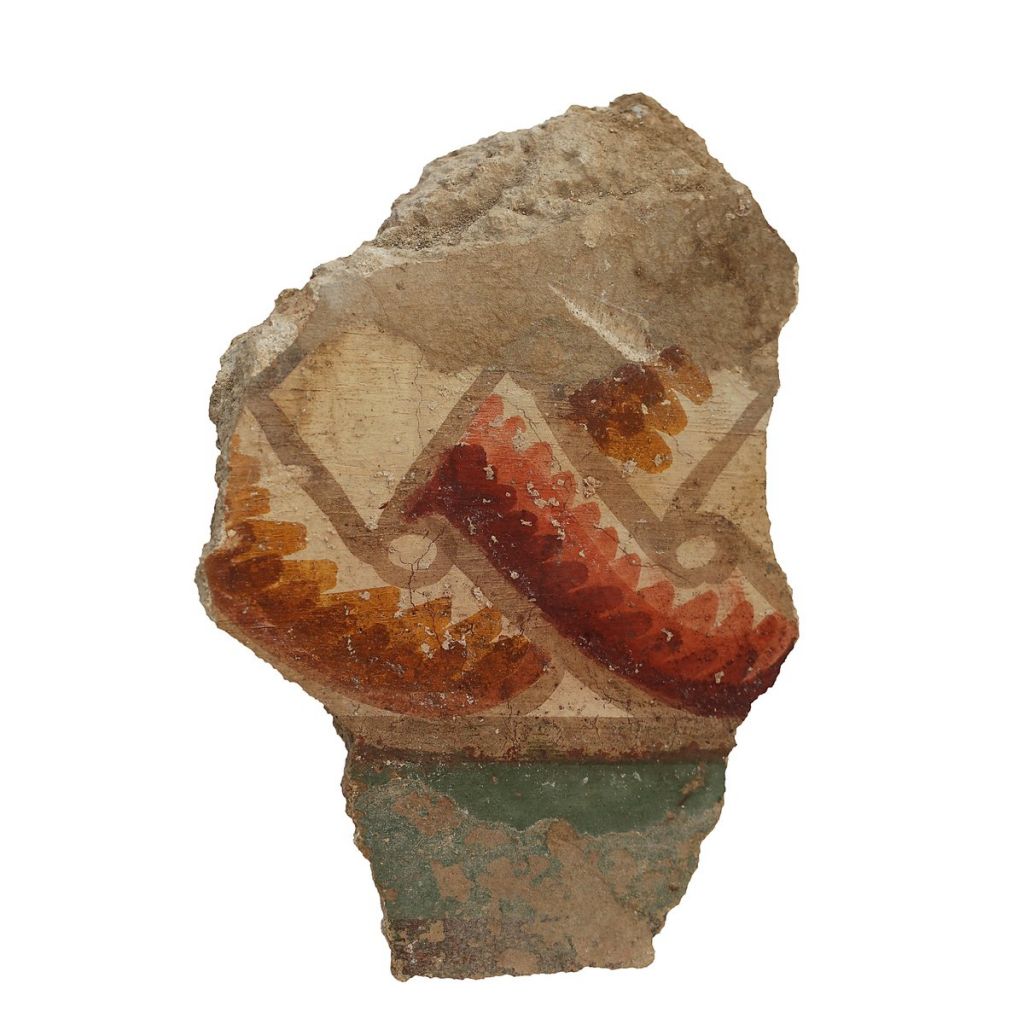
The university said the discovery, made during the summer excavations, reveals details about life in Tzippori, which was a thriving Jewish center during the Roman and Byzantine eras.
“It is difficult to determine who was responsible for the construction and decoration of this monumental building, at this stage of excavation,” the statement said. “However, the new finds clearly reflect the multi-cultural climate that characterizes Tzippori in the years following the Great Revolt, in the late first century and the second century CE.”
Tzippori, also known by its Greek name Sepphoris, was a major town in the western Galilee during Roman times. After Rome quelled the Jewish Revolt and destroyed the Temple in Jerusalem in 70 CE, it rose to prominence as a major center of Jewish literature and culture. It was there, in the third century CE, that Rabbi Yehuda Hanasi began compiling Jewish wisdom into the text known as the Mishnah.










The Times of Israel Community.