

Reaching autistic kids through the magic of Disney
Author Ron Suskind tells Israel Brain Technology Conference how he was able to communicate with his son through ‘Aladdin’ parrot
 Add ToI as a Preferred Source on Google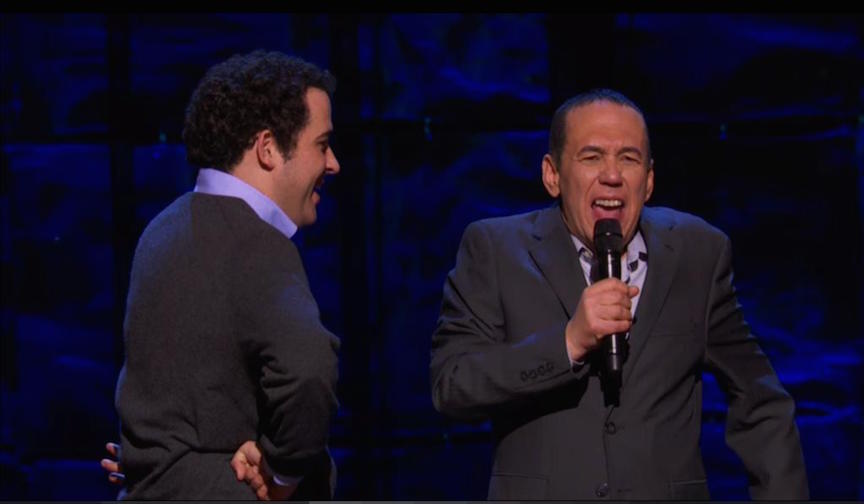
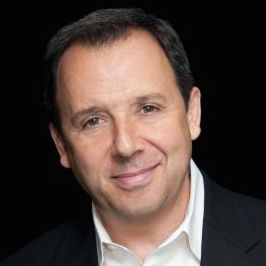
For parents of autistic kids, each new day brings new challenges. As they grow, they often regress, losing focus, vocabulary and social skills. But not all, according to author and journalist Ron Suskind.
When his son began falling into the degenerative pattern of autism at age two, he and his wife desperately sought a solution, and it came, he told a crowd of over 500 in Tel Aviv, in the form of an animated parrot.
By doing that, Suskind, a Pulitzer Prize-winning former national editor for the Wall Street Journal, among other outlets, stumbled onto what he calls affinity therapy – a technique that he believes holds great promise for not only the autistic, but for the many others around the world who suffer from brain-related disabilities, including ADHD, Alzheimer’s disease and other dementia-related conditions, and others.
Israel, said Suskind, is playing a key role in brain research.
“It’s in rooms like this that the future is being created, and the Jewish and Israeli values of helping others and using all resources available to save a life are used, and the world becomes a better place,” Suskind told top brain and neuroscience researchers from around the world in a keynote address at the 2015 Israel Brain Technology conference.
Before brain research and neuroscience were getting significant funding, though, Suskind was forging a path to provide a new kind of therapy for autistic kids.
“When the doctors told us over 20 years ago that Owen was autistic, we had no idea how to react. All we knew about autism was the movie ‘Rain Man,’ with Dustin Hoffman. You mean that’s my kid? That’s not something we could relate to,” he told participants.
After years of therapy – which helped little, if at all – Suskind and his wife stumbled onto an idea. “Owen loved Disney movies. All he wanted to do all day was watch them. It’s typical of autistic kids to latch onto one thing to the exclusivity of anything else, and this was his thing.”
Soon though, Suskind got the idea that if he wanted to enter Owen’s world, he could do so with the window that the Disney movies opened.
“The first conversation I was able to have with him came when I pretended to be Iago, the evil parrot from Disney’s Aladdin,” Suskind said. “He developed a real affinity for these films, and eventually he memorized all the lines, saying the dialog along with the video. We finally figured out what was going on when he was about six, and realized that we could communicate with him through this medium.”
Picking up on the personas of his favorite characters, Suskind and other members of the family began holding conversations with Owen based on the Disney dialog – and eventually moved onto other topics.
The results were on display last Saturday night in New York, during an event to raise money for autism programs. On stage was Owen, along with the original Iago, comedian Gilbert Gottfried, who riffed with Owen on all things Aladdin – to the thunder of the audience’s applause.
“Can you imagine what a scene like that does for a kid that was essentially a throwaway? What that kind of validation does to a kid who couldn’t communicate with anyone, much less a famous comedian in front of 3,000 people? That is what brain research is all about,” said Suskind.
With real scientific research – the kind that is going on in Israel, the US and other places – much more will be discovered and many new techniques will be developed. Brain research will “unlock the wealth of human capital in a way that has never been possible before.”
Though not a doctor, Suskind, has become an expert on autism and on neuroscience in general. Last year, he wrote a best-selling book about his family’s journey through Owen’s autism – a book Disney is planning to make a movie of. And, he heads a research firm which matches patients with brain disorders to potential therapies, and helps raise money and awareness for these therapies.
Israeli researchers are involved with a great deal of the new brain and neuroscience research, said Suskind.
“Israel in fact is one of the best places for neuroscience research,” he said. “It’s part of Jewish history, there is an energy of doing and concentrating on something, obsessing over it until it works. We’ve seen that time and again among the Jewish people – always looking forward, that we can do better in the future. That’s the spirit we need in neuroscience and brain research, and it’s right here in Israel.”







The Times of Israel Community.