

A tribute to service: Honoring veterans on the Wall of Honor at Ammunition Hill
It’s more than just a gesture of thanks—it’s a way to share those stories far beyond borders and keep the memory of Jewish servicemen and women alive for generations.
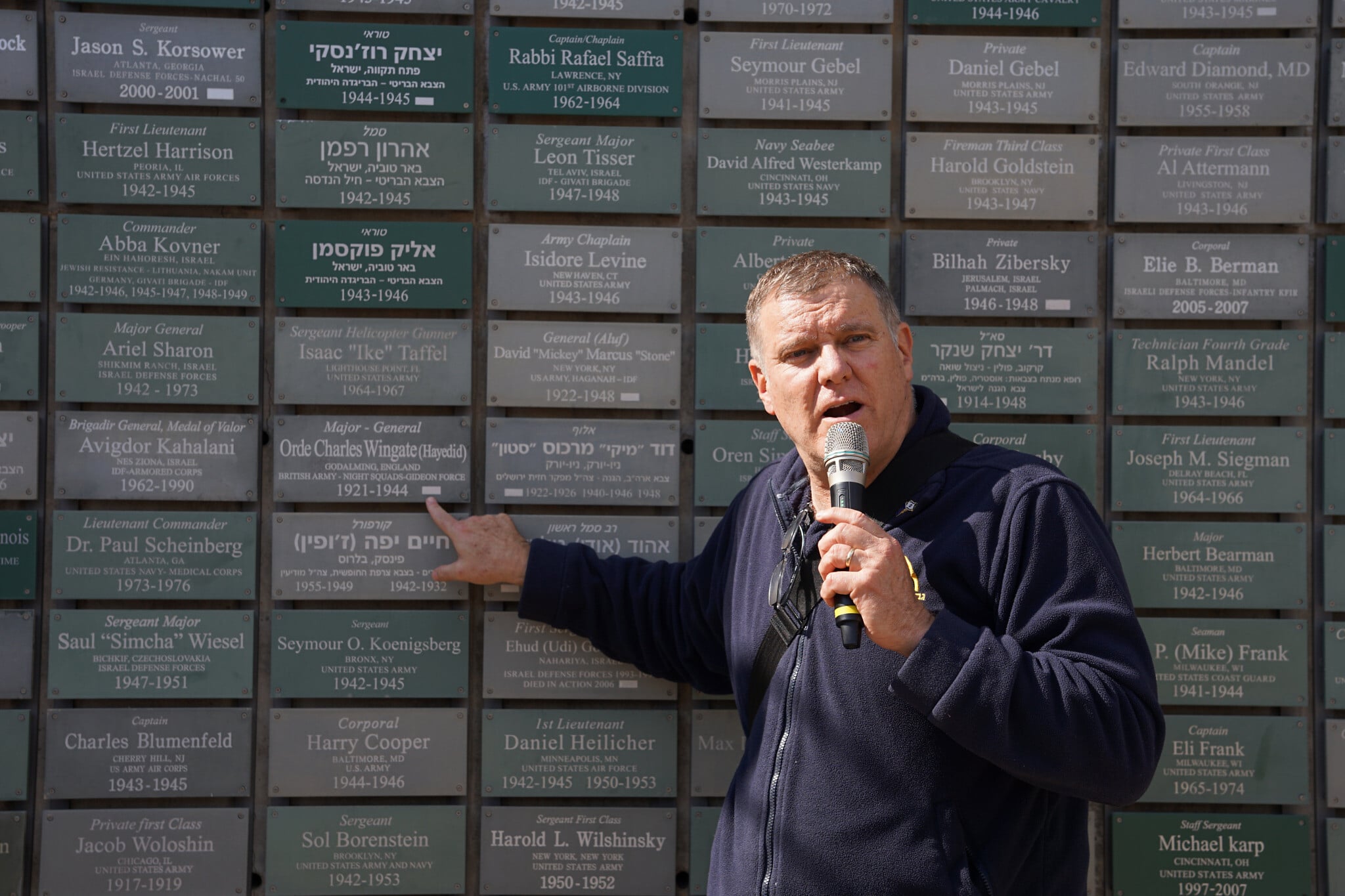
On Veterans Day, Americans everywhere pause to remember and honor the men and women whose uniforms bore the weight of freedom. Across generations, Jewish servicemen and women have served the United States of America with loyalty, courage, and conviction. For over a decade, Jewish National Fund-USA’s Wall of Honor at Ammunition Hill in Jerusalem has served as a living monument honoring the contributions of Jewish veterans – both living and deceased.
The Hill that Made History
Ammunition Hill is more than just a cluster of trenches and trees; it is a symbol of resilience and bravery in its rawest sense. Located in Jerusalem, it was originally a British-era ammunition depot. After the 1948 War of Independence, it came under Jordanian control. In the 1967 Six-Day War, the site became the scene of one of the most intense battles in Jerusalem’s history, ultimately leading to the ancient city’s reunification. Today, the site includes original bunkers and trenches, a multimedia museum, and the Wall of Honor—a powerful symbol of Jewish service.
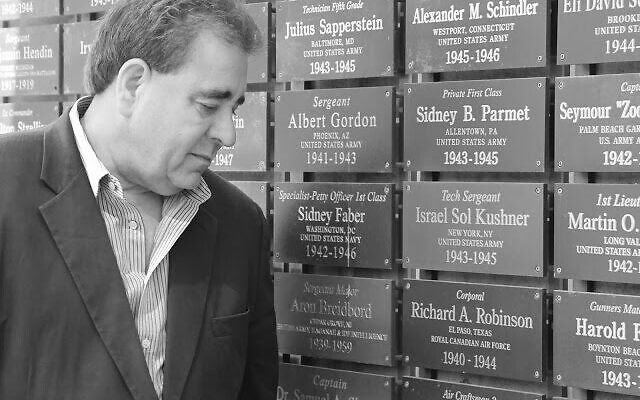
What Is the Wall of Honor?
The Wall of Honor at Ammunition Hill pays tribute to Jewish men and women who have served in armed forces around the world—whether in the U.S., Israel, or other countries. Unlike many memorials that mark the end of a life, the Wall emphasizes the period of service—highlighting dates of duty rather than just lifespan—to underscore active contribution rather than sacrifice alone.
More than 500 honorees from around the world have already been commemorated, each plaque telling a story of courage, faith, and dedication.
Each Plaque Immortalizes a Legacy
Behind each plaque is a person, a family, and a story of service and values. Jewish National Fund-USA CEO Russell F. Robinson recalled how his father, who has a plaque on the Wall of Honor, would proudly wear his Air Force uniform every Veterans Day, a ritual that became a lesson in heritage and gratitude. The uniform, he wrote, symbolized not only his father’s service but also the moral compass and civic responsibility passed down through generations of Jewish families.
Another powerful story is that of Alon Wald, whose father fell in the battle for Ammunition Hill. Wald has dedicated his life to preserving the site’s legacy. For him, Ammunition Hill became both a memorial and a personal mission—a bridge between generations of those who fought and those who remember. “I did not mourn my father,” Wald recalled. “I wanted to know him. I wanted to know my part in this journey.”
Why Veterans Day Matters — And Why This Wall Matters
Veterans Day is first and foremost a day to thank those who have served—those who have worn the uniform and those who supported them. For the Jewish community, there is a special resonance and sense of pride. Jewish Americans have always served in the U.S. military in disproportionately large numbers compared to their community’s size.
When Jewish National Fund-USA recognizes service through the Wall of Honor, it’s more than just a gesture of thanks—it’s a way to share those stories far beyond borders and keep the memory of Jewish servicemen and women alive for generations.
Invitation & Call to Action
Jewish National Fund-USA invites everyone, especially on Veterans Day, to take a moment to reflect on service—on those who put on the uniform, on the values they defended, on the communities they served. Let us ensure that their names are not only remembered but their stories told—and that their service remains a guiding light.
If you know a Jewish veteran—a friend, a relative, living or deceased—you may consider honoring them through a plaque on the Wall of Honor at Ammunition Hill. For more information, visit jnf.org/ammunitionhill or call +1.800.542.8733
Proceeds from the wall benefit the development and renovation of Ammunition Hill’s museum and battle grounds, and construction and operation of a computerized data center, library, an archive, exhibition hall, and a center for assemblies and conferences for over 250,000 annually.