

Suspect in submarine affair ordered held in jail following fears of obstruction
Court releases several other top suspects to house arrest in spiraling corruption investigation
 Add ToI as a Preferred Source on Google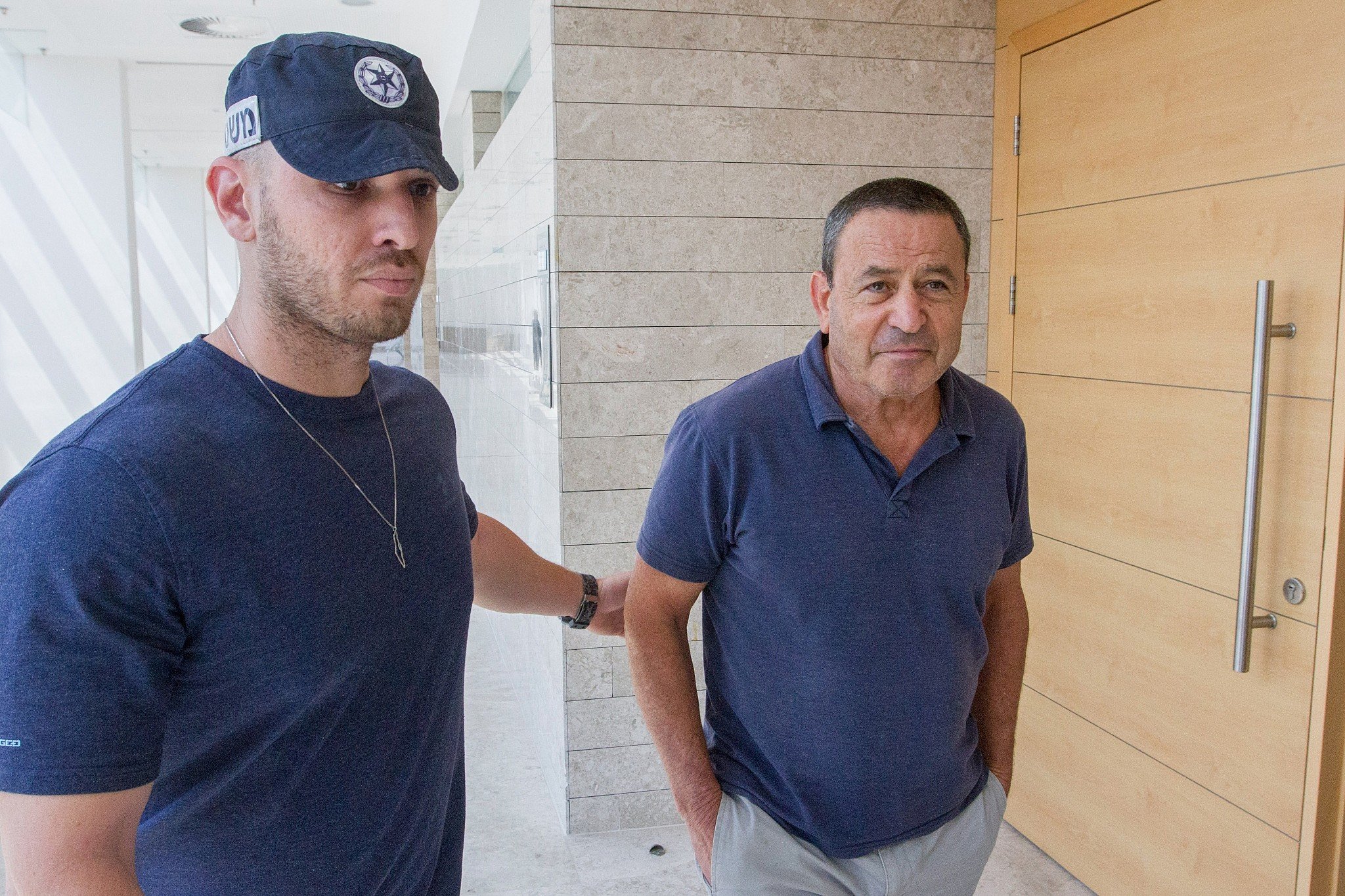
The Rishon Lezion Magistrate’s Court on Wednesday ordered one of the suspects in the submarine affair held in jail, following fears that he could obstruct the investigation, while several other top suspects were released to house arrest as police continue to probe the spiraling corruption investigation regarding a multi-billion-dollar purchase of naval vessels from Germany.
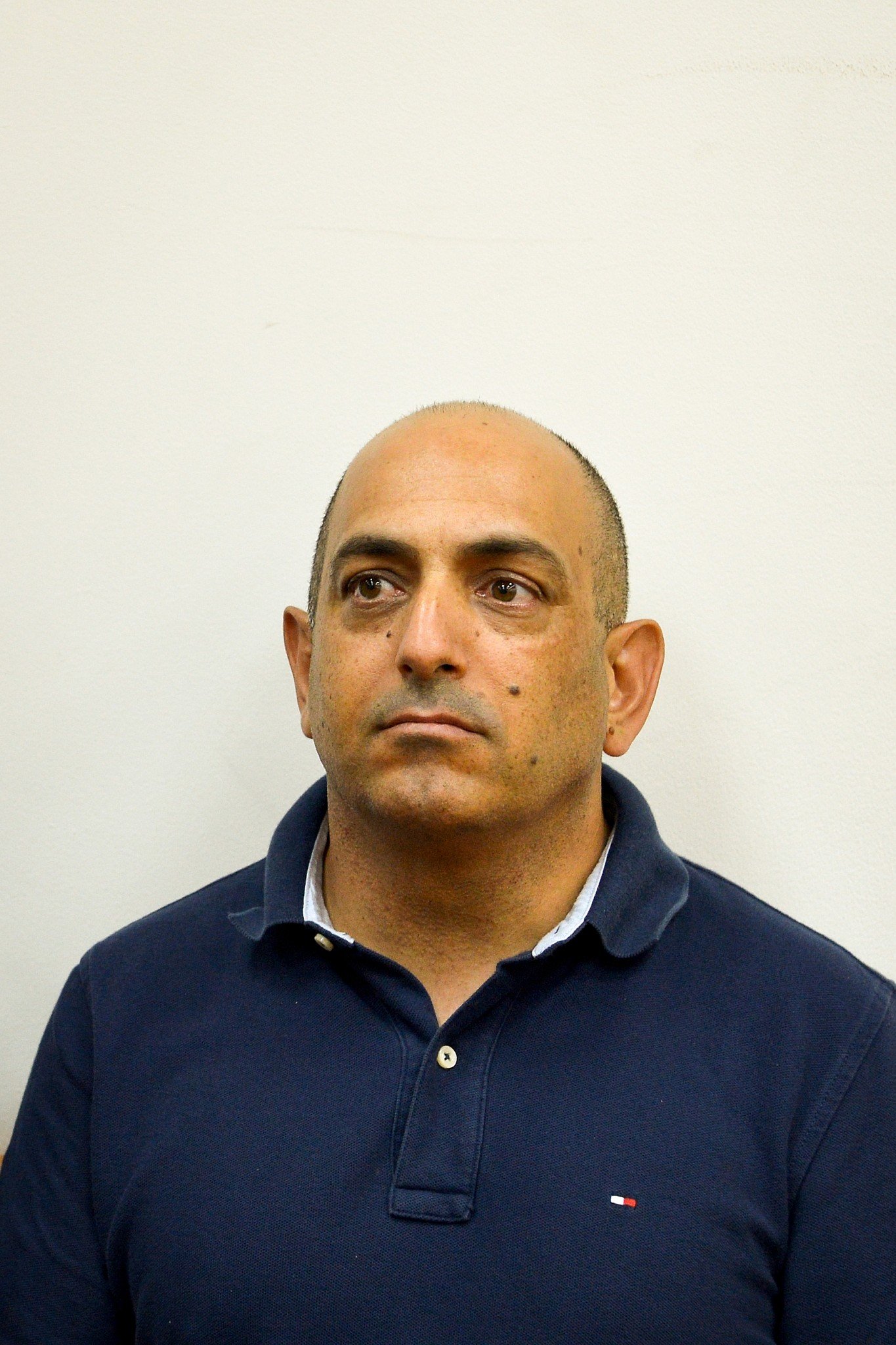
Former minister Eliezer Sandberg, former commander of the navy’s elite Shayetet commando unit Brigadier General (res.) Shay Brosh, and Rami Taib, a senior aide to Energy Minister Yuval Steinitz were all allowed home to house arrest.
However, Judge Einat Ron extended the arrest of strategic adviser Nati Mor, as requested by police who argue he tried in the past to obstruct the investigation.
The suspects had all been arrested earlier in the week.
The ever-expanding list of high level officials to be arrested or questioned in the probe comes following information given by Miki Ganor, who had been the local representative of German shipbuilder ThyssenKrupp. After being identified as a key suspect in the case, Ganor turned state’s witness in July.
Mor is suspected of providing fictitious services to Ganor, for which he received payments in 2014, Haaretz reported.
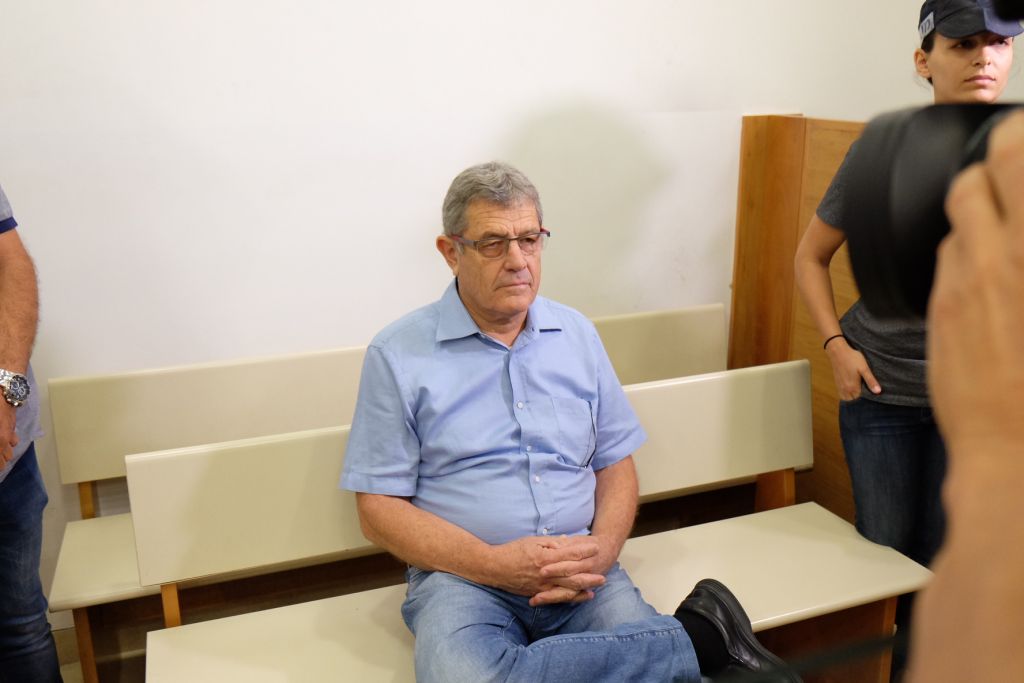
In extending the arrest, Ron said that, based on recent testimonies provided by police, “there is a specific concern that Mor would try to obstruct the investigation.”
Police have not yet said if they will ask to extend the arrest of David Sharan, who served as Netanyahu’s bureau chief from late 2014 to 2016, and who is suspected of bribe-taking, fraud, breach of trust, and conspiring to commit a crime.
When he turned state’s witness, Ganor was suspected of fraud, money laundering and conspiracy to commit a crime. He has reportedly been transferred to a police safe house.
On Tuesday, Zvi Hauser, who served as the government’s cabinet secretary from 2009-2013, gave testimony to police in connection with the investigation.
Hauser was appointed as cabinet secretary by Netanyahu and also served as deputy director general of the Prime Minister’s Office.
Earlier Tuesday, a former adviser to Netanyahu, Shalom Shlomo, was also questioned by police as part of the investigation known as Case 3000.
Investigators suspect that Ganor, along with former National Security Council deputy head Avriel Bar-Yosef, paid bribes in connection with the decision to buy three submarines from ThyssenKrupp, despite opposition from the Defense Ministry.
They also reportedly influenced decisions to buy naval corvettes to protect Israel’s offshore gas fields and awarded ThyssenKrupp a contract to service other naval vessels.
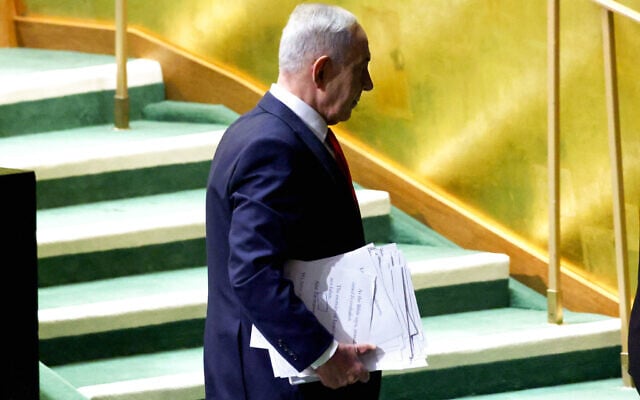
While Netanyahu is not suspected in the case, his personal lawyer, David Shimron, has been questioned under caution several times by Lahav 433.
Ganor has reportedly claimed that Shimron (who was also his attorney) was to receive 20 percent of his own commission of $45 million. Shimron was hired by Ganor to negotiate the ship and submarine purchases.
In a statement given to his attorneys, Shimron reportedly denied he was to receive a cut from the deal beyond his legal fees.






The Times of Israel Community.