

Tel Aviv municipality petitions court for right to build bridge on Shabbat
City officials challenge transportation minister’s authority to stop work on Jewish day of rest, allegedly at behest of ultra-Orthodox politicians
 Add ToI as a Preferred Source on Google
Stuart Winer is a breaking news editor at The Times of Israel.

The Tel Aviv municipality petitioned the High Court of Justice on Wednesday against an order issued by the transportation minister calling off all Saturday work on a pedestrian bridge in the city, as demanded by ultra-Orthodox coalition members.
City hall asked for a temporary injunction suspending the decision by Transportation Minister Israel Katz to delay or cancel the work and requested that the Ayalon Highway Co., which is responsible for the bridge project, be allowed to continue the work until a final decision is made.
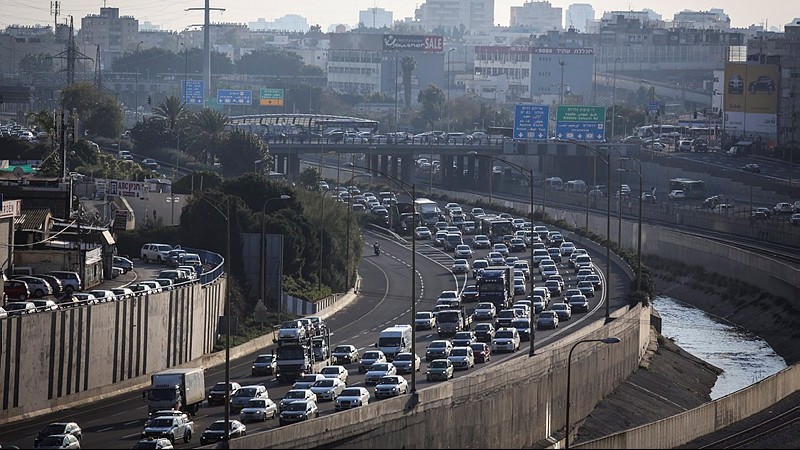
Work on the Yehudit bridge, which will span the Ayalon Highway as it passes by central Tel Aviv and will link a high-tech office park with the rest of the city, had been planned to begin at the end of the month over six consecutive 24-hour periods starting on Friday evening. The construction, which will require one direction of the highway to be shut down while massive steel support girders are hoisted into place, had been slated to be performed on Shabbat to minimize the impact on commuters.
However, ultra-Orthodox lawmakers in the national government protested the work as a violation of a coalition agreement to refrain from infrastructure work on the Jewish Sabbath, which begins at sundown Friday.
In its petition, the municipality said Katz’s decision was illegal as he is not authorized to give instructions to the Ayalon Highway Co. and can’t decide if it should work on Shabbat or not.
“The delay in building the bridge and the foot-dragging cause serious damage to the residents of the city of Tel Aviv-Jaffa and the metropolis,” the petition said.
In August, when Katz made the decision to halt the work, Tel Aviv Mayor Ron Huldai accused him of caving to ultra-Orthodox pressure.
Huldai accused the government of turning Israel into a theocracy by canceling work on the bridge during Shabbat.
Katz, who is also intelligence minister, stressed that the Jerusalem Chords Bridge and bridges throughout the world were built at night without ever closing the road completely, and the same could be done in Tel Aviv. He also clarified that the approval for the work was made by the Industry, Trade and Labor Ministry, not his Transportation Ministry, but that he had the authority to make policy decisions.
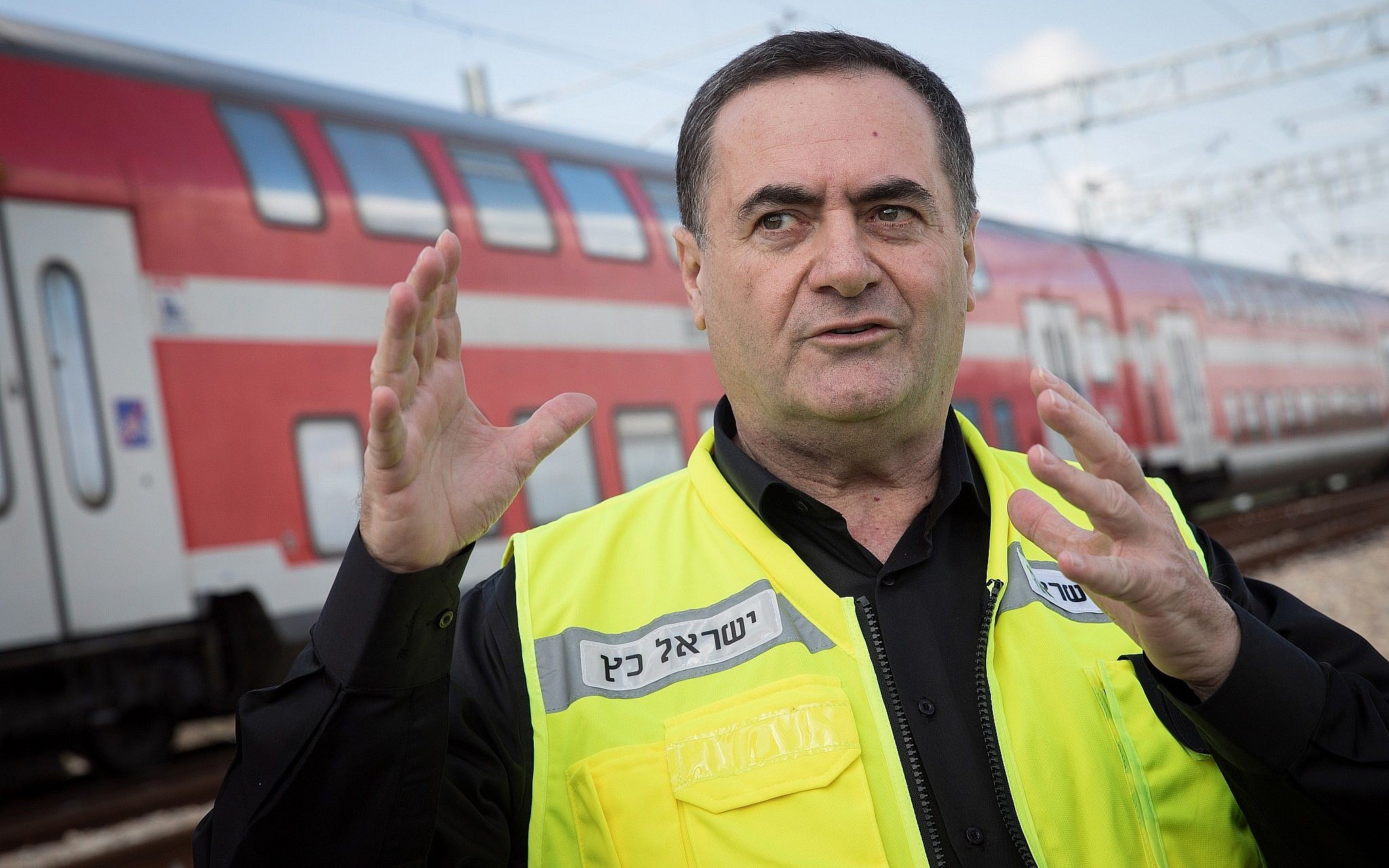
Katz insisted he had ordered the construction freeze because he was unhappy with the highway being closed to traffic, but opposition lawmakers and others accused him of only halting the work because of ultra-Orthodox threats.
In the past, ultra-Orthodox coalition members have also worked to block railway work from being carried out on Shabbat, causing disruptions to services when it was moved to weekdays instead.
The Yehudit bridge will link an area with several office towers, including Google Israel’s office, on the eastern side of the Ayalon Highway — which essentially cuts it off from the rest of the city center — to the west of the highway.
When completed, the bridge will be 110 meters long (360 feet), 18 meters high, and 11 meters wide. It will have a pedestrian and a bicycle lane separated by a central area featuring benches.
The Ayalon, which runs north to south through the eastern part of Tel Aviv, is among the country’s busiest highways.









The Times of Israel Community.