

The last hostage is home, but Israel still faces being shackled by Trump’s plan for Gaza
With Rafah Crossing opening over Netanyahu’s head and Board of Peace taking charge, Jerusalem could retain say over Strip by convincing president that a fresh op to disarm Hamas is the only way forward

 Add ToI as a Preferred Source on Google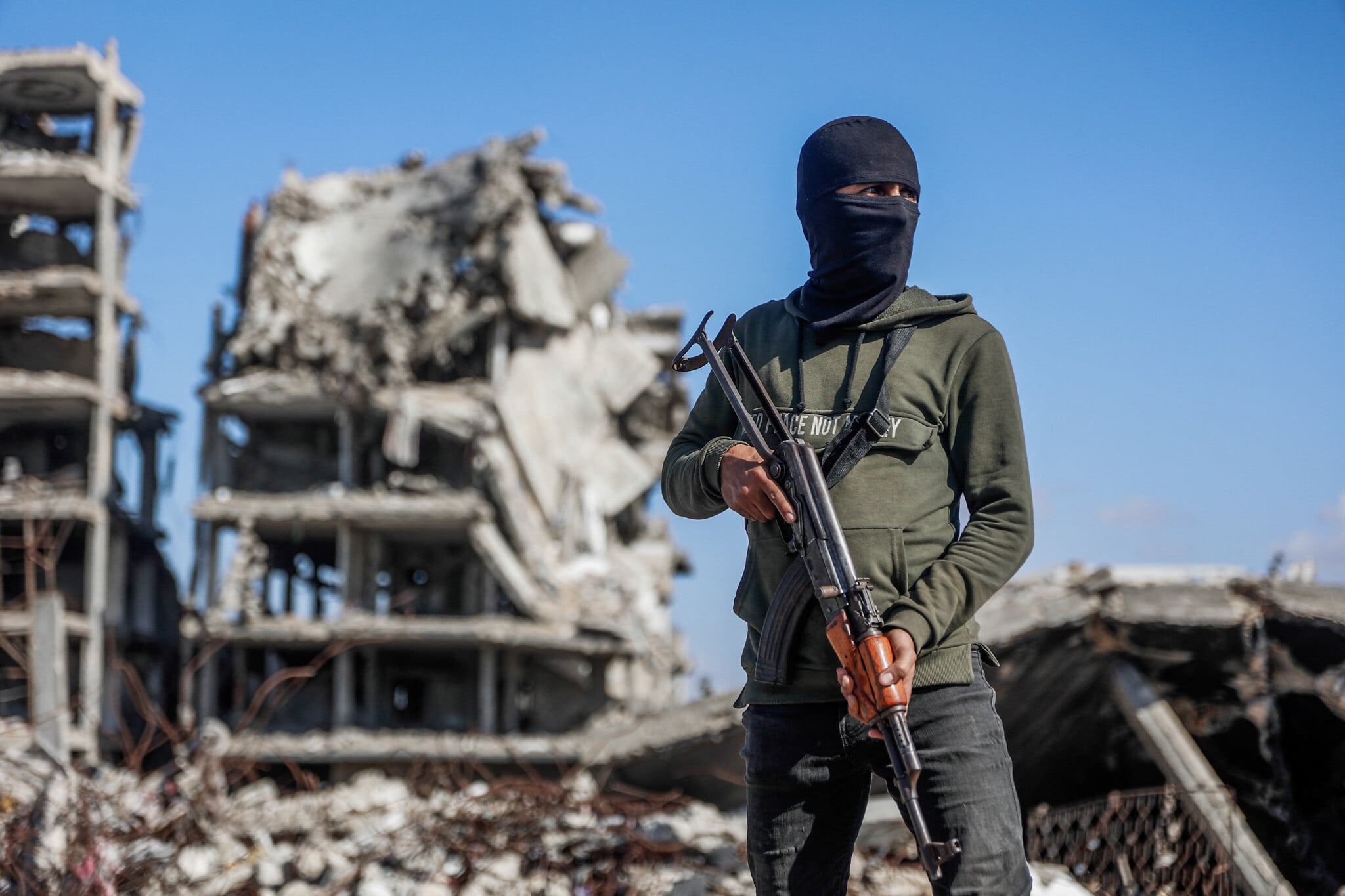
The bittersweet news that Israelis have been waiting for finally came on Monday.
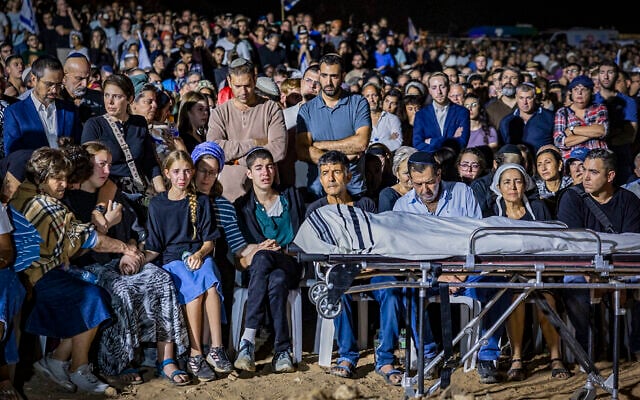
The body of Master Sgt. Ran Gvili, the last slain hostage held in Gaza, was found by the IDF and returned to Israel for a proper burial.
Gvili’s return is a cathartic moment for Israel, as there are now no living or dead Israeli hostages in Gaza for the first time since 2014.
It is also an important one for Prime Minister Benjamin Netanyahu, as he had been pushed in recent days into allowing the re-opening of the Rafah Crossing before Gvili’s body had been found.
It doesn’t mean Netanyahu is out of the weeds, however.
Over the past few days, Israel’s control over the future of the Gaza Strip seems to have slipped drastically.
But Israel still retains control of key facets of the Strip, and maintains a potential pathway to continuing to assert itself in the future of the enclave, via US President Donald Trump.
It may still hope to arrest the accelerating rush toward phase two of the Gaza ceasefire agreement and the start of reconstruction under the aegis of those it does not trust, though doing so will likely necessitate convincing the US leader.
Trump forges ahead
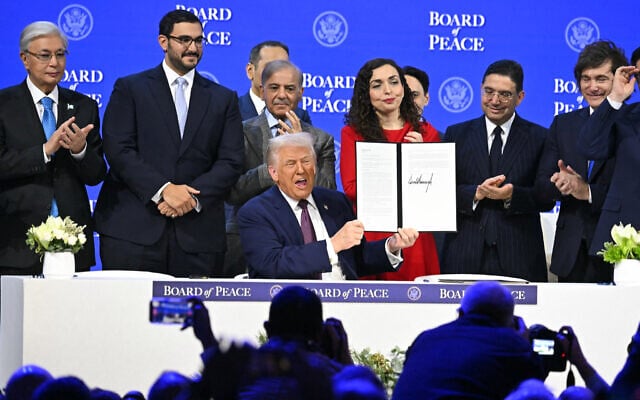
In Davos on Thursday, Trump rolled out his Board of Peace, as a medley of world leaders and senior officials sat in two rows listening politely to the US president’s speech.
Qatar’s Prime Minister Mohammed Al Thani was on stage, as was Turkey’s powerful Foreign Minister Hakan Fidan. There was, quite notably, no Israeli presence, though Netanyahu said he would join the body.
Even if he or President Isaac Herzog had taken the stage (Netanyahu reportedly blocked the president’s participation), Israel is just one player among many holding the power to decide what happens next in Gaza — including hostile actors such as Turkey and double-dealing ones like Qatar.
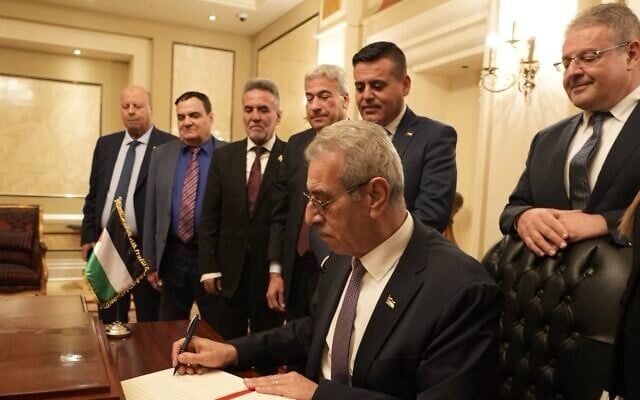
Ali Shaath, the chief commissioner of the National Committee for the Administration of Gaza, joined the Davos proceedings by video and announced that the Rafah border crossing between the Strip and Egypt would open this week in both directions.
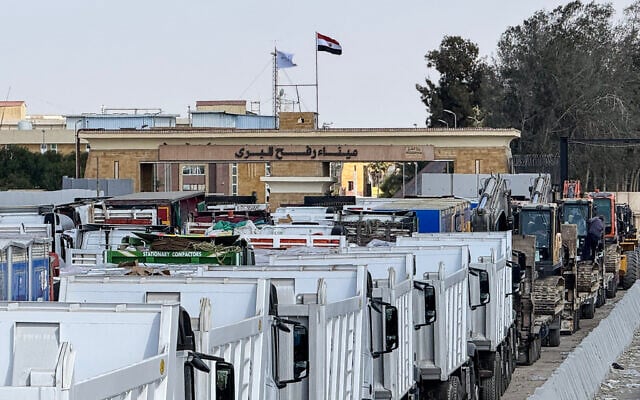
Israel had been insisting that the crossing would remain closed until the body of Gvili was returned to Israel, which was far from a certain outcome when the announcement was made.
But with the White House and the mediating countries pressing Israel — including announcing the opening over Israel’s objections — Netanyahu was unable to hold the line on a key Israeli demand.
On Sunday night, after days of confusion, his office released a late-night announcement that the Rafah Crossing would indeed reopen. The statement tried to make it seem like Israel was imposing firm conditions for the reopening, saying it was a “limited” opening for pedestrians only, and that it would happen only after an operation searching for Gvili was completed.
Meanwhile, the Americans have pushed to get to the second stage with an optimism viewed by some in Israel as dangerously naive.
In Davos on Thursday, Trump’s son-in-law and top adviser Jared Kushner presented his vision for Gaza, saying he wants to bring “free market economy principles to Gaza, reflecting the “same mindset, same approach” that Trump is implementing in the US. His slide deck, which featured backward-facing Arabic, showed AI images of a Gaza with futuristic high-rise buildings and its own seaport and airport.
The presentation came a week after two top White House officials expressed an even more rose-tinted prognosis for Gaza, and for the Hamas terror group.
“We’ve talked to a number of Hamas people, and we’re hearing throughout the Arab world that people don’t want to be at war anymore,” said one of the officials. “They want peace. They want a better economic future for their families. They want credible homes.”
“They want what everybody else in this world wants — just a good life, and a good life doesn’t occur through military means.”
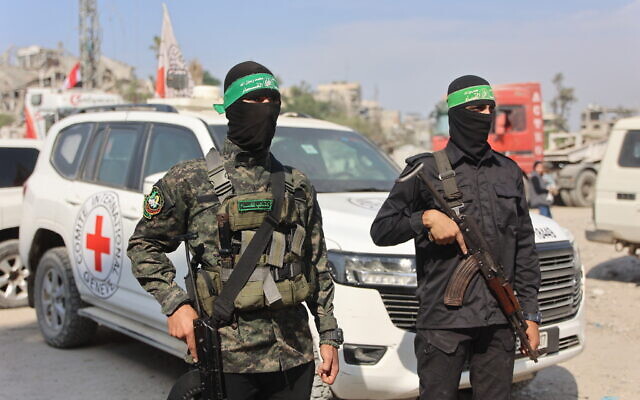
Meanwhile, Hamas is still armed, and has made no commitment to giving up its weapons. Some senior officials, like UK National Security Adviser Jonathan Powell, are even advocating for Hamas to keep its small arms.
Moreover, the view of Hamas as a relatively pragmatic force interested more in establishing economic well-being and stability over ideological objectives and jihadist ambitions was pervasive in the Israeli security establishment in the lead-up to October 7, and is now viewed as one of the key failings that enabled Hamas’s murderous invasion to take place.
Israel’s presence in Rafah
There are absolutely worrying trends for the future of Gaza. But all is not lost.
There is no question that Israel lost a battle over opening the Rafah Crossing, which Netanyahu calls “Hamas’s lifeline.”
Yet, even though Israel will not have a presence in the crossing itself, anyone moving from Egypt into Gaza will immediately enter Israeli-controlled territory.
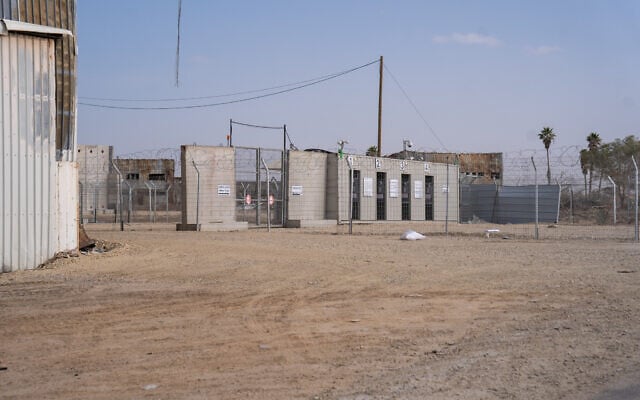
Israel will maintain oversight by a remote surveillance system at the crossing, be in charge of granting advanced approval to travelers coming in and out of the Gaza Strip, and be able to scan any computers or other electronic devices passing through.
Additionally, IDF troops will be deployed nearby and operate their own checkpoint aimed at preventing weapons smuggling for those who cross into Gaza.
So at least in the short term, it will be very difficult for Hamas to rearm through the crossing itself.

Even with Israel blocking weapons from coming in overland from Egypt, Hamas still has a massive arsenal inside Gaza. But if Netanyahu plays his cards right, those weapons actually offer Israel an opening to reassert control of what happens in the enclave.
Bored of peace
Trump has a bold, ambitious vision for the entire Middle East. “I’m not just talking about Gaza… We’re talking about much beyond Gaza,” he said in September alongside Netanyahu as he laid out his Gaza peace plan. “The whole deal — everything getting solved. It’s called peace in the Middle East.”
On Thursday in Davos, Trump said that his board “has the chance to be one of the most consequential bodies” in history.

He recognized that his vision of a new, peaceful Middle East starts with Hamas giving up its weapons.
“We’re committed to ensuring Gaza is demilitarized, properly governed, and beautifully rebuilt,” he said at the Board of Peace ceremony. “It’s going to be a great plan, and that’s where the Board of Peace really started and I think we can spread out to other things as we succeed with Gaza.”
That is exactly where Netanyahu has a case to make. Trump’s vision for Gaza, and beyond, will be stuck as long as Hamas refuses to give up its weapons, which it will doubtless continue to do.
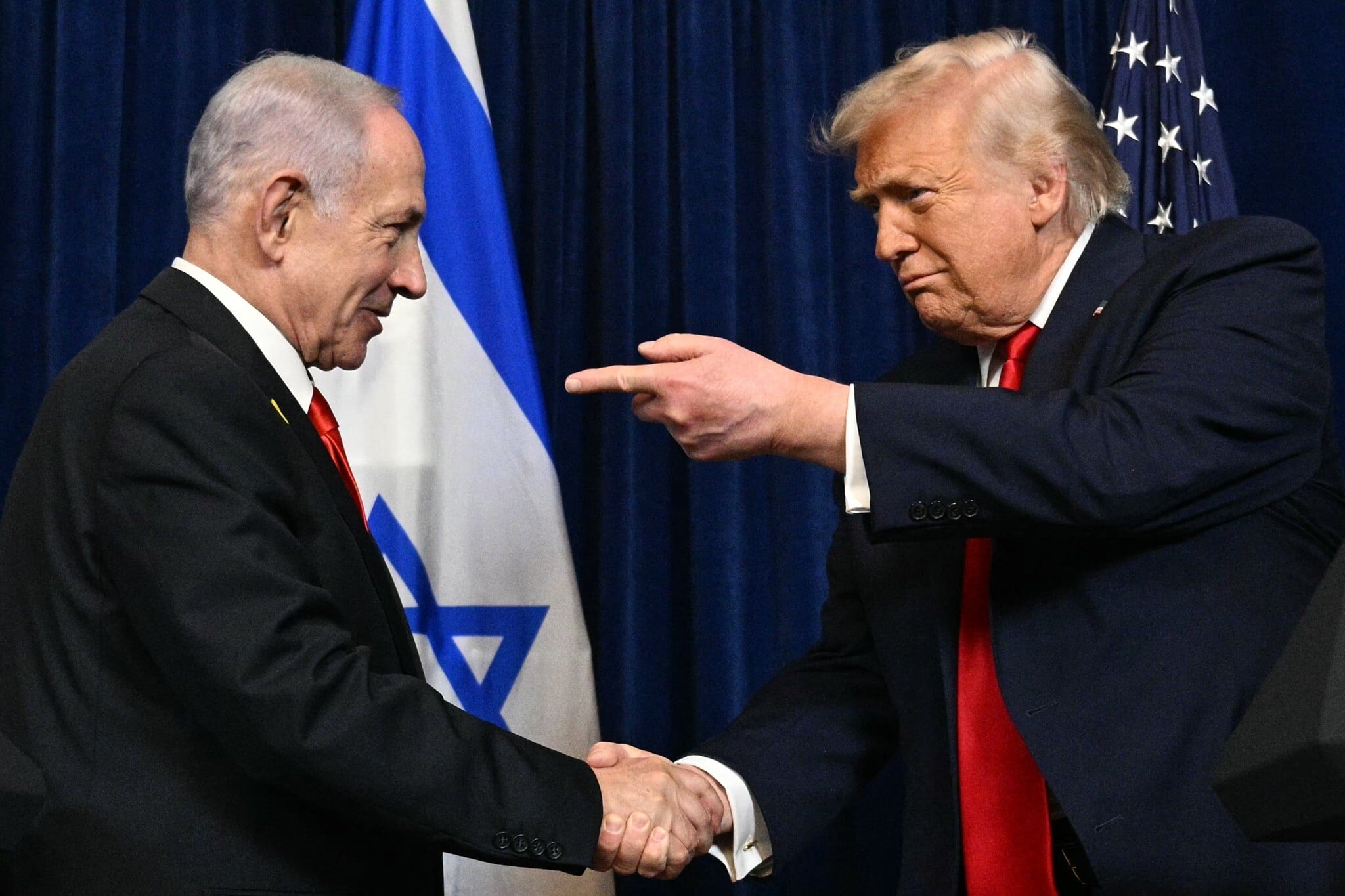
This will give Netanyahu an opening to approach Trump with a pitch of his own: If the US leader wants to get a new round of normalization agreements and a transformed Middle East rolling, Netanyahu may tell Trump, Hamas will need to be disarmed by force.
The still-in-utero International Stabilization Force intended to watch over Gaza is not going to risk combat against Hamas. It will take a renewed IDF operation to force Hamas leaders in Gaza into exile, and the rest to agree to fully surrender their weapons.
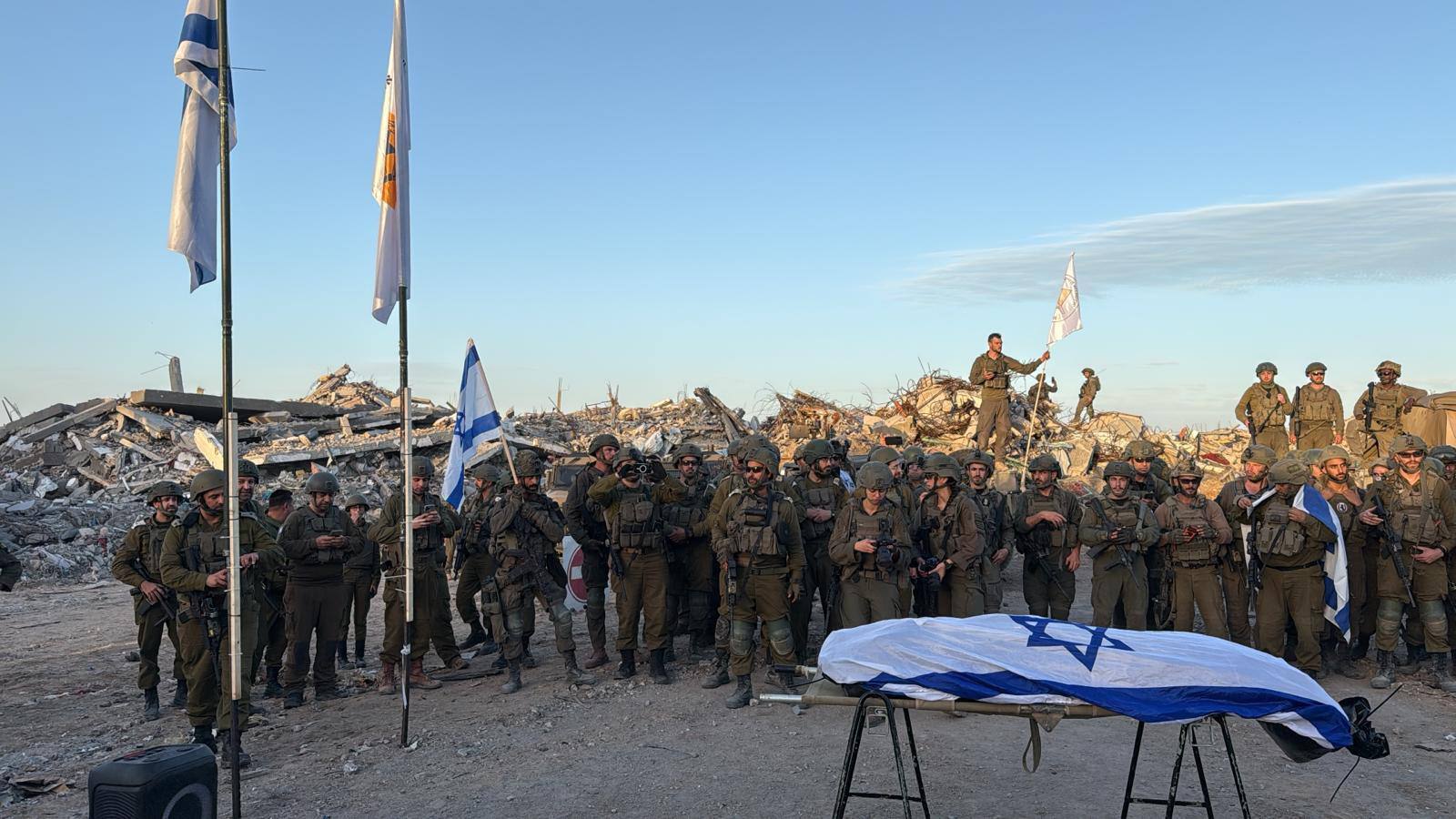
There are ample reasons for Trump to resist such a proposal, including massive pressure from his Middle Eastern allies, but such an operation will likely be fought differently than the previous rounds of combat since October 7. There are no more hostages in Gaza, and the IDF can operate far more quickly and aggressively against a badly weakened Hamas.
Israel hasn’t presented a clear path forward in Gaza to this point, and the Americans have had to fill that gap with their own ideas. In proposing a short, intense military operation, Netanyahu would be offering a realistic path toward Trump’s vision.
The prime minister is looking into flying to Washington in February for his seventh face-to-face meeting with Trump this term. By then, enough time should have passed to get a sense of how Hamas is going to handle the pressure to disarm now that phase two is underway, and Israel will be in a position to push for a brief but significant return to action in the Strip.





The Times of Israel Community.