

Watchdog petitions High Court to order government to enforce Haredi draft
Move comes after cabinet instructed Gallant to order IDF not to enforce Haredi conscription until March 2024, by which time the government intends to have finalized new law
 Add ToI as a Preferred Source on Google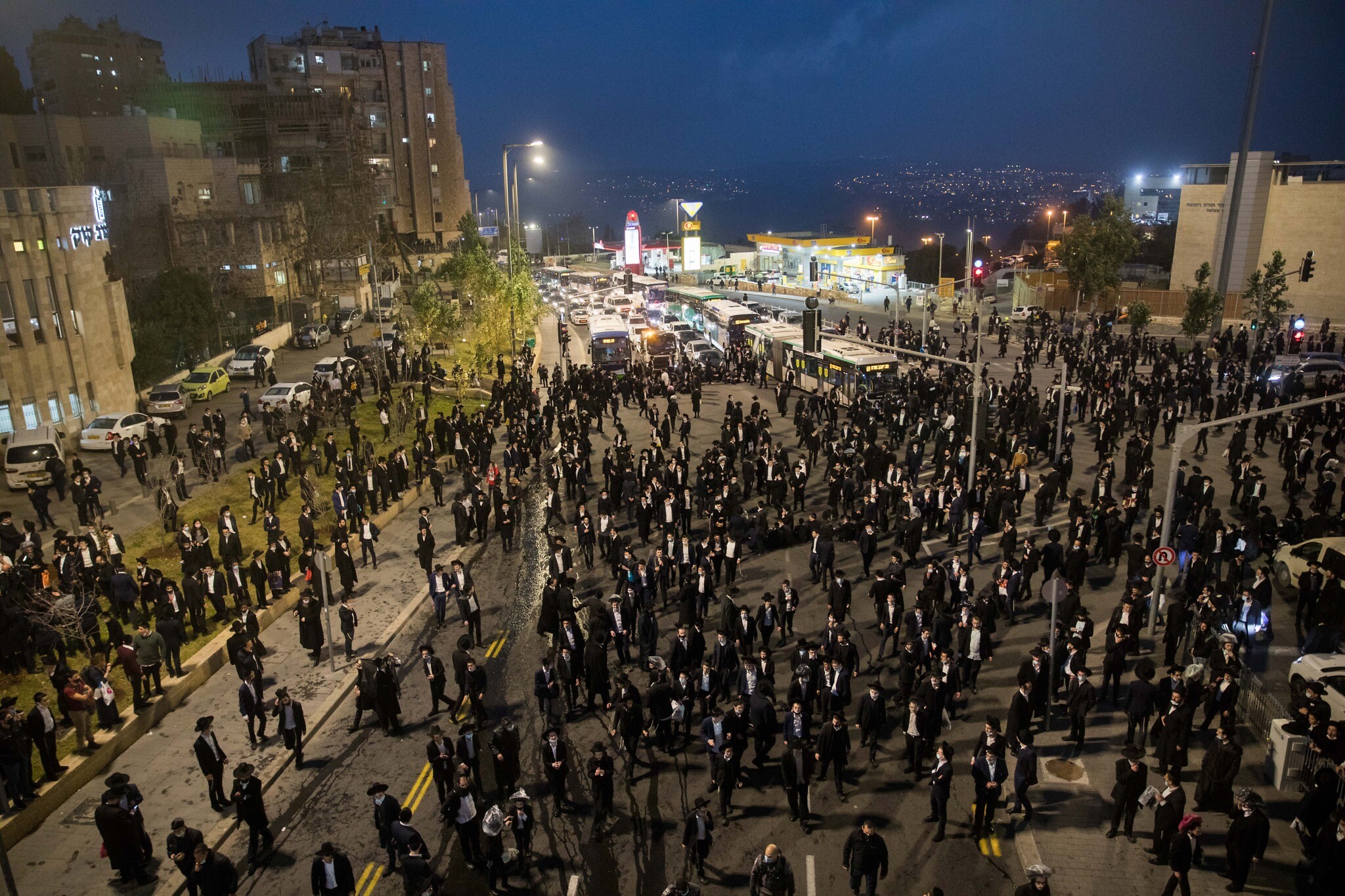
A good governance organization petitioned the High Court of Justice on Wednesday against a recent cabinet decision enabling the military to continue to excuse ultra-Orthodox Israelis from the draft.
The Movement for Quality of Government petition came a week and a half after the government instructed Defense Minister Yoav Gallant to order the Israel Defense Forces not to enforce conscription within the Haredi community until March 31, 2024, by which time the government plans to have finalized a new enlistment law.
The organization argued that the government decision creates a sweeping exemption for ultra-Orthodox youth that violates existing laws and statutes aimed at maintaining equality. It also violated a previous High Court ruling stating that the defense minister does not have the authority to intervene in the conscription of Haredi men and that the matter can only be regulated through Knesset legislation, it said.
“Time and again, Israeli governments requested postponements from the High Court in enacting a conscription law,” Movement for Quality of Government chairman Eliad Shraga said in a statement. “Then, this extreme and anarchist government came along and decided to flout the law and act without authority. The Israeli government will not continue to discriminate between Israelis and will allow yeshiva students to evade the law.”
In 2017, the High Court of Justice invalidated the current conscription law, which gives sweeping exemptions to full-time religious scholars. It has given the government a series of extended deadlines by which to legislate a new enlistment law and has allowed the Defense Ministry to rely upon the current, struck-down law until a replacement is passed.
The government’s 15th, and current, extension to legislate a solution is due to expire at the end of July. However, the government’s underlying, invalidated law has a provision forcing its expiration — and the government’s timeline — a month sooner, on June 30.
Because the underlying law was struck down, the coalition could not simply renew it, and the government therefore passed its Sunday decision as a stop-gap measure to give the military legal cover to refrain from drafting ultra-Orthodox youth until a permanent solution can be legislated.
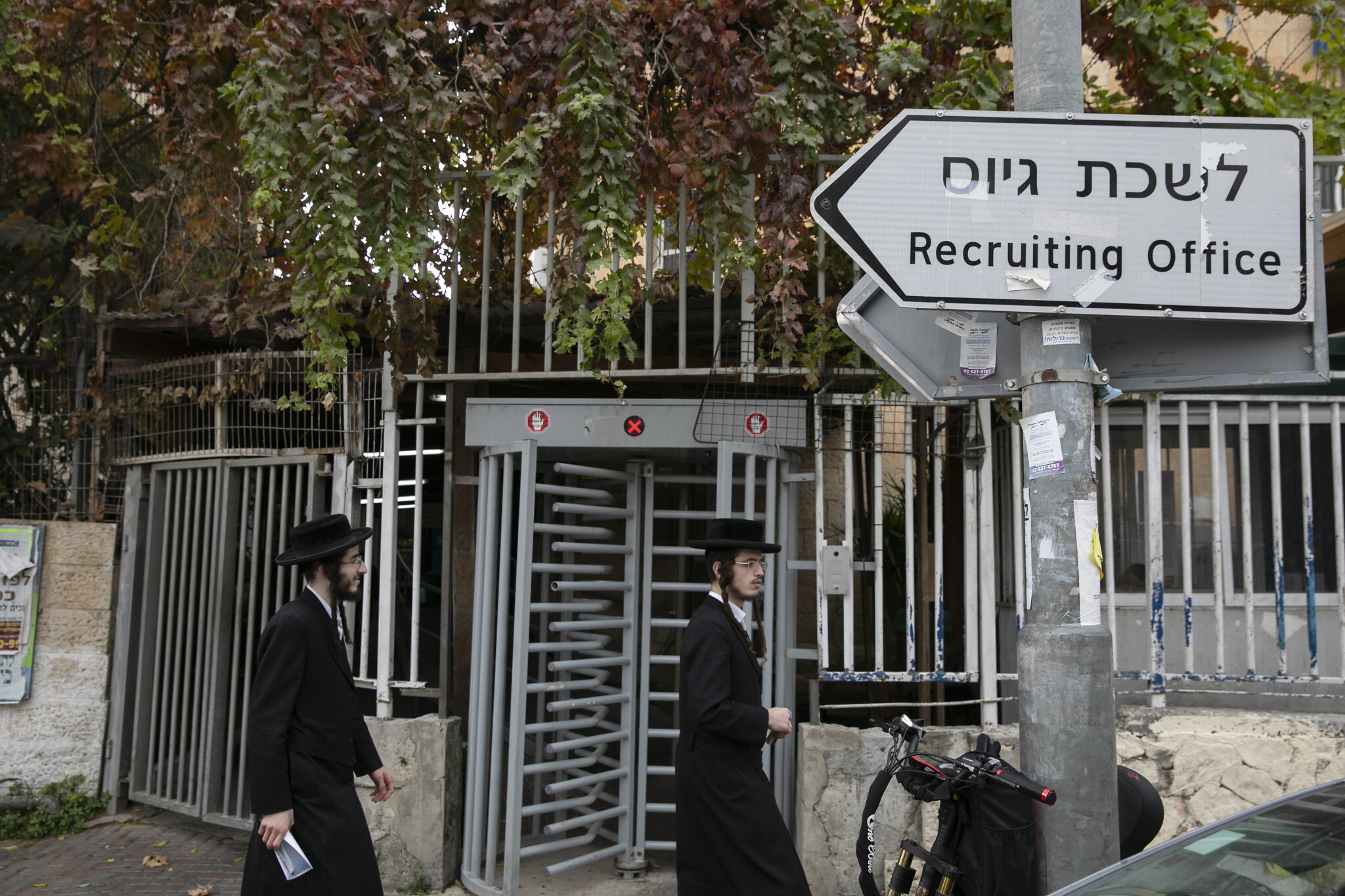
Pressed by ultra-Orthodox parties, the government committed last week to introduce a new draft bill ahead of the Knesset’s winter session. It is expected to be passed alongside bills that improve conditions for soldiers and reservists, in the hope of calming the serving public’s frustration over the ongoing exemptions.
A remnant from agreements made in the early days of the Israeli state, the ultra-Orthodox community has long skirted mandatory military conscription by enrolling in full-time religious study until past the enlistment age threshold. The issue came to a head a decade ago, alongside a broader discussion about sharing the country’s economic and service burden, much of which falls on the mainstream middle class.
In addition to the law struck down by the High Court in 2017, a previous version of the enlistment exemption law was knocked down in 2012.
Last week’s cabinet decision stated that the future bill will work to enable ultra-Orthodox youth to enter the workforce earlier, presumably by lowering the exemption age for religious scholars from 26 to 23.
About half of ultra-Orthodox men are not employed full-time, in part due to the lengthy full-time religious study required to dodge military recruitment, and the strain it places on transitioning from a funded study system to undertaking higher education or a career.










The Times of Israel Community.