

What to know about the Strait of Hormuz as Iran plans military drill amid US tensions
Tehran warns of live fire into crucial strait through which a fifth of all oil traded passes; US warns any unsafe actions risk regional ‘destabilization’
 Add ToI as a Preferred Source on Google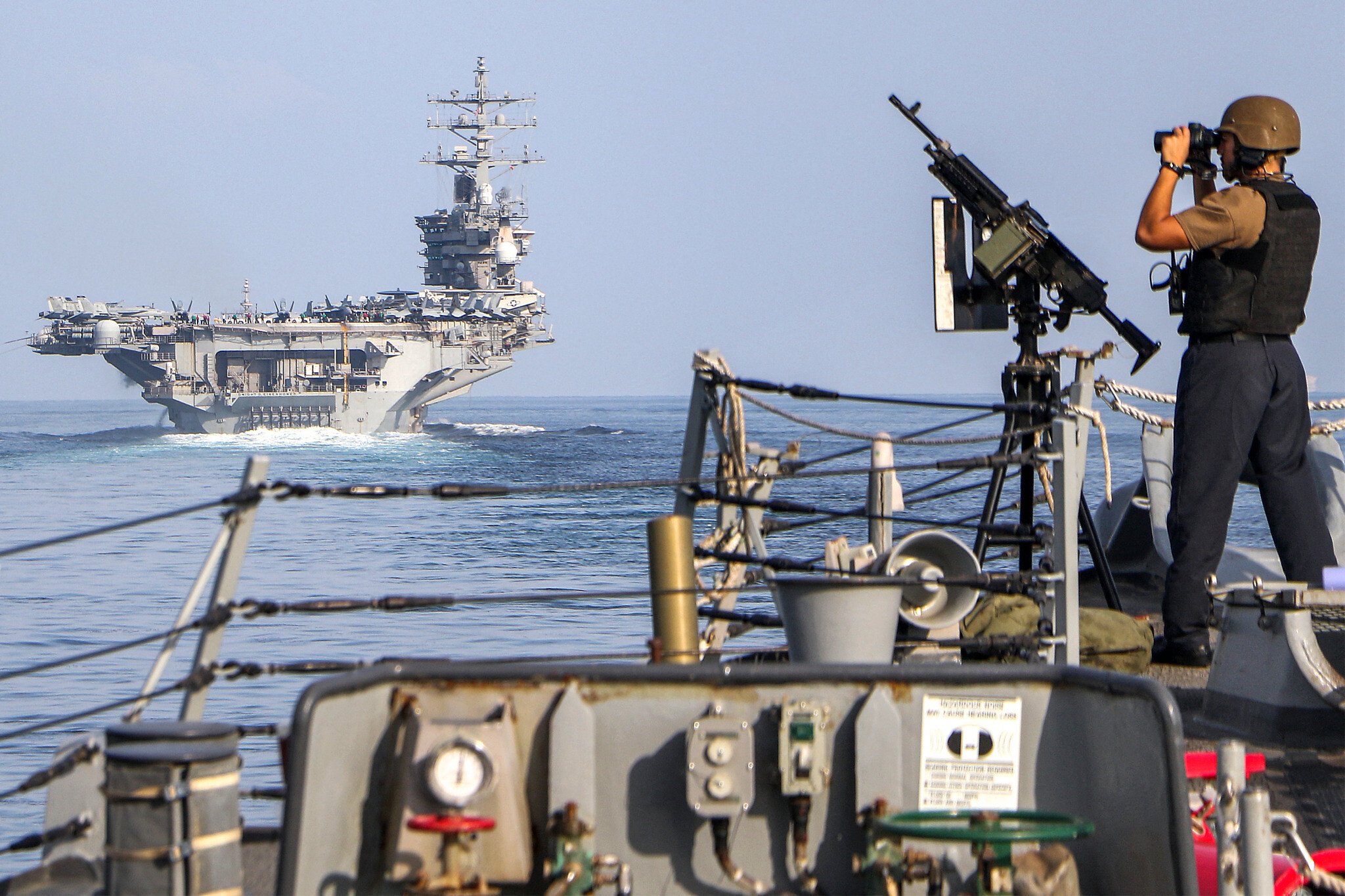
DUBAI, United Arab Emirates (AP) — The Strait of Hormuz, the narrow mouth of the Persian Gulf, again has become a focus of tensions as Iran prepares to launch a military drill that could include fire into a lane crucial for global shipping.
Iran has warned ships that it will conduct a live fire drill Sunday and Monday in the strait, which sees a fifth of all oil traded pass through the tight corridor between the Islamic Republic and Oman.
The US military’s Central Command issued its own warning early Saturday, telling Tehran that any “unsafe and unprofessional behavior near US forces, regional partners or commercial vessels increases risks of collision, escalation and destabilization.”
Here’s what to know about the drill, the US warning, what caused the tensions and what might happen next in the Strait of Hormuz.
A key waterway for global shipping
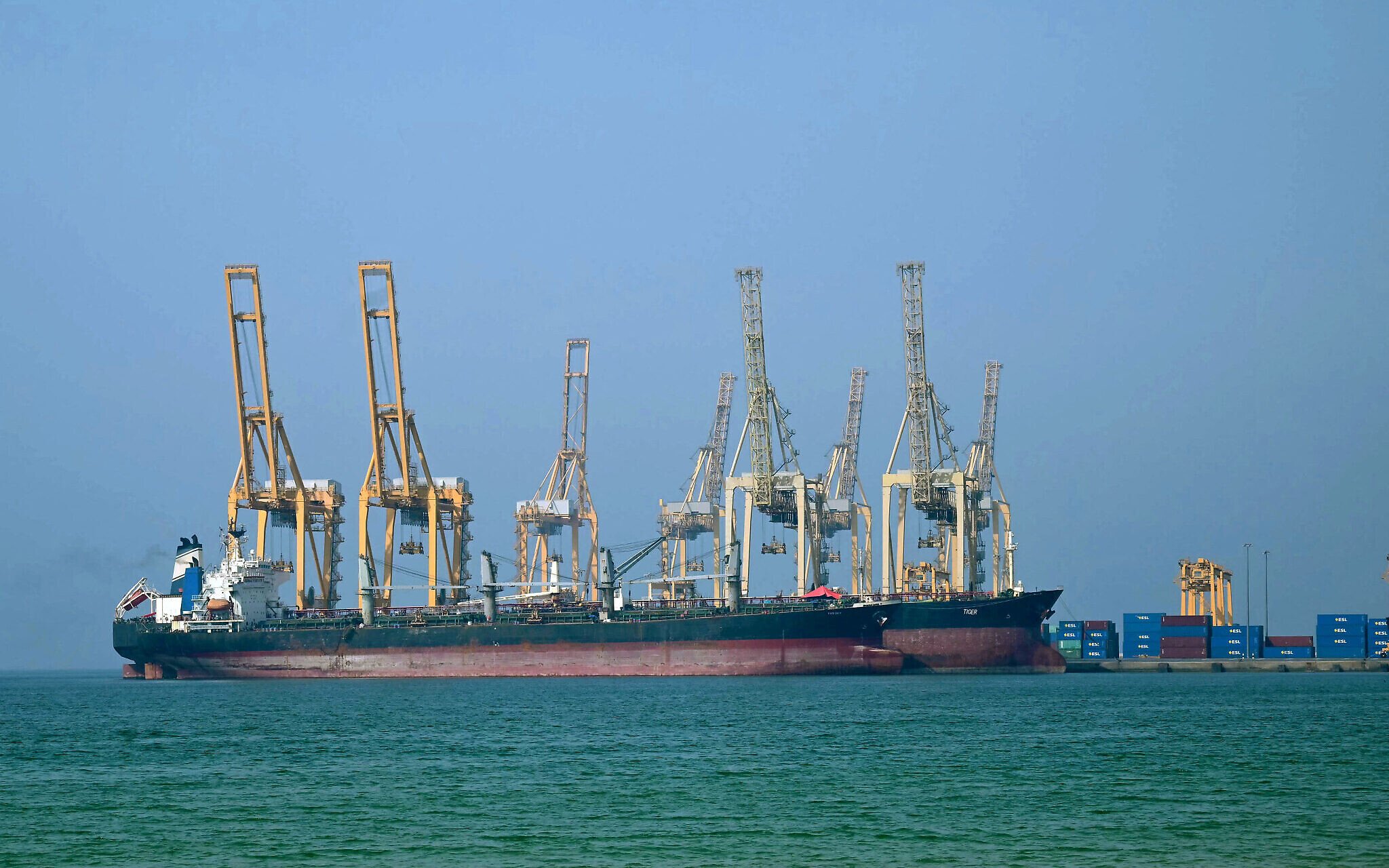
The Strait of Hormuz resembles a bend looking down from space. Its narrowest point is just 33 kilometers (21 miles) wide. It flows from the Persian Gulf into the Gulf of Oman. From there, ships can then travel to the rest of the world. While Iran and Oman have their territorial waters in the strait, it’s viewed as an international waterway all ships can ply. The United Arab Emirates, home to the skyscraper-studded city of Dubai, also sits near the waterway.
The strait long has been important for trade
The Strait of Hormuz has been important for trade throughout history, with ceramics, ivory, silk and textiles moving from China through the region. In the modern era of supertankers, the narrow strait proved deep and wide enough to allow for oil to pass through it. While there are pipelines in Saudi Arabia and the UAE that can avoid the passage, the US Energy Information Administration says “most volumes that transit the strait have no alternative means of exiting the region.” The vast majority of the oil and gas moving through the strait goes to markets in Asia. Threats to the route have spiked global energy prices in the past, including during the 12-day war Israel launched against Iran in June.
Iran plans drill that could enter trade route
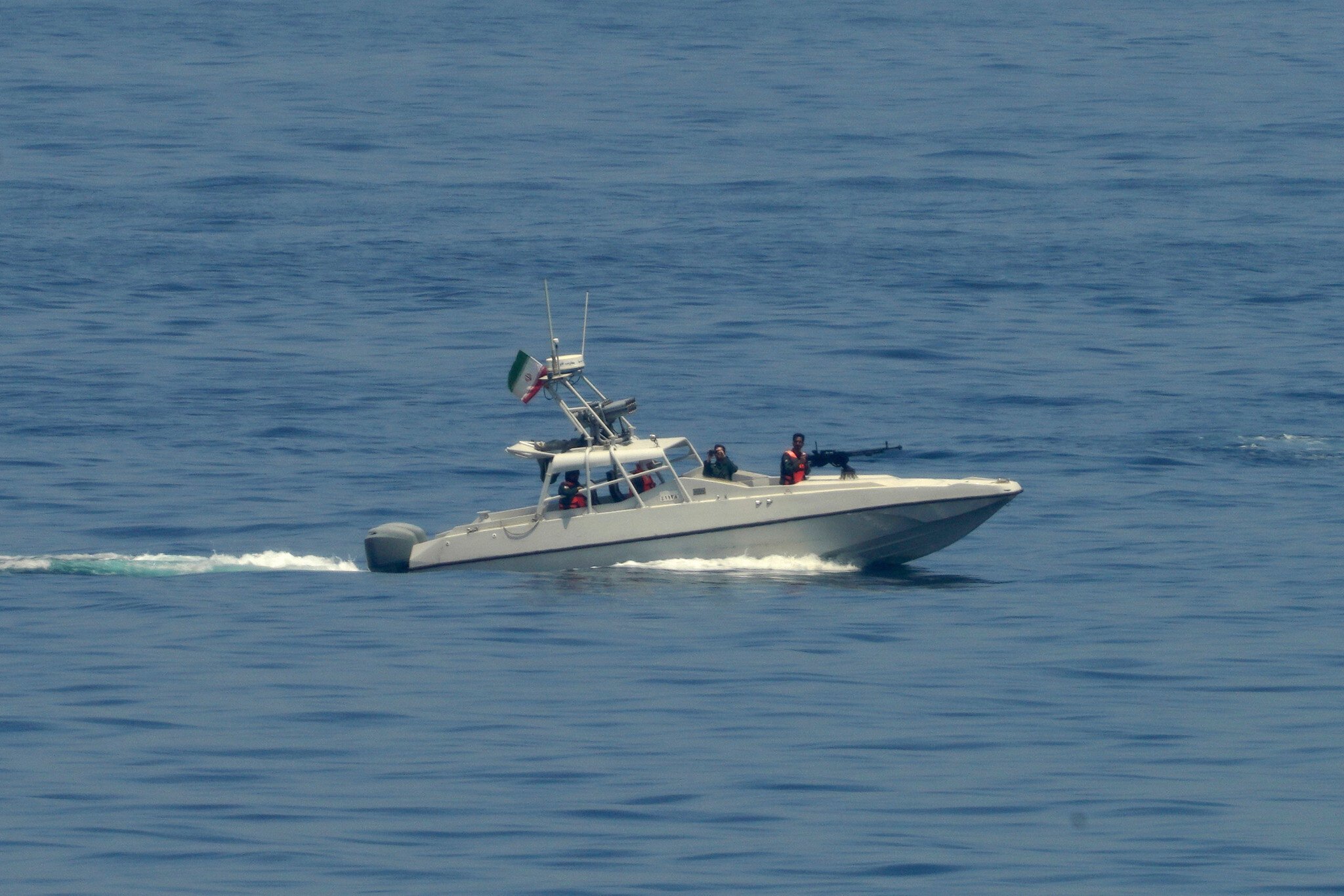
A notice to mariners sent Thursday by radio warned that Iran planned to conduct “naval shooting” in the Strait of Hormuz on Sunday and Monday. The coordinates provided by the message put the drill potentially going into what is known as the Traffic Separation Scheme — a 3.2-kilometer- (2-mile-) wide, two-lane system in which ships coming into the Persian Gulf go north and ships exiting into the Gulf of Oman go south. That northern lane is within the coordinates of the drill. While Iran has provided no other public details about the drill, it will likely involve the country’s paramilitary Revolutionary Guard, which the European Union listed this week as a terrorist organization. The Guard operates a fleet of small fast-attack vessels in the strait that routinely has tense encounters with the US Navy.
US issues warning over the Iranian drill
Early Saturday, the US military’s Central Command issued a strongly worded warning to Iran and the Revolutionary Guard over the drill. While acknowledging Iran’s “right to operate professionally in international airspace and waters,” it warned against interfering with or threatening American warships or passing commercial vessels. The command, which oversees the US Navy’s Bahrain-based 5th Fleet, said it “will not tolerate unsafe (Guard) actions” that could include its aircraft or vessels getting too close to American warships or pointing weapons toward them. The command added that “the US military has the most highly trained and lethal force in the world.”
Tensions high over Iran’s protest crackdown, nuclear program
US President Donald Trump has threatened to launch a military strike against Iran after its bloody crackdown on nationwide protests. He has laid down two red lines — the killing of peaceful protesters and Iran launching a wave of mass executions of those held. In recent days, he’s also included the fate of Iran’s nuclear program. The USS Abraham Lincoln aircraft carrier and supporting guided missile destroyers are now in the Arabian Sea, where they could launch an attack if Trump calls for it. Iran has warned it could launch its own preemptive strike or target American interests across the Middle East and Israel. While the 12-day war saw Iran fire off ballistic missiles and Israel target its stockpile, Tehran maintains an arsenal of short- and medium-range missiles that could hit surrounding Gulf Arab states.






The Times of Israel Community.