

Parole board to consider early release for Katsav Sunday
Former president, serving time for rape, has not admitted guilt, but is showing some remorse and undergoing therapy
 Add ToI as a Preferred Source on Google
Stuart Winer is a breaking news editor at The Times of Israel.
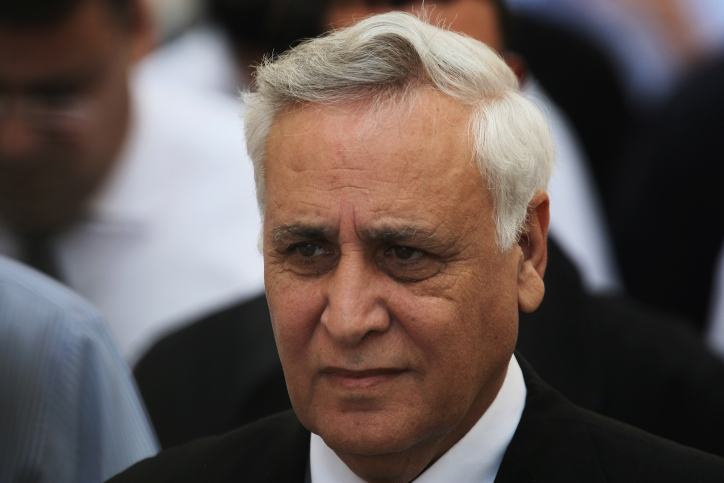
In what looks to be Moshe Katsav’s best opportunity yet for an early release, the Israel Prisons Service Parole Board is to decide Sunday the fate of the former president, who is serving a seven-year sentence for rape.
Katsav has already served more than two-thirds of his sentence, making him eligible for parole, but regulations require him to admit his guilt and participate in group therapy sessions.
According to prison officials, Katsav, who failed to win early release at a hearing in August, has since begun to show indications of internalizing the implications of his actions, a departure from his previous insistence on his absolute innocence and refusing to participate in rehabilitation programs.
The chair of the parole board has apparently accepted Katsav’s claim that he cannot participate in group therapy because anything he says there could leak out to the press and further damage his reputation, Channel 2 reported. Katsav has been meeting privately with a prison social worker who is expected to tell the parole board that the former president has been contemplating his actions — even if he will not admit to any guilt.
In light of the social worker’s opinion, the state prosecution, which thus far has opposed releasing Katsav or even holding another parole hearing, is prepared to ease its objections, even though it will likely oppose his release on Sunday, Hebrew media reported.
The prosecution has in the past maintained that private sessions with a social worker are no substitute for group therapy sessions, and has opposed parole on the grounds that the feelings of Katsav’s victims must be taken into consideration since the ex-president has not admitted guilt or shown any remorse.
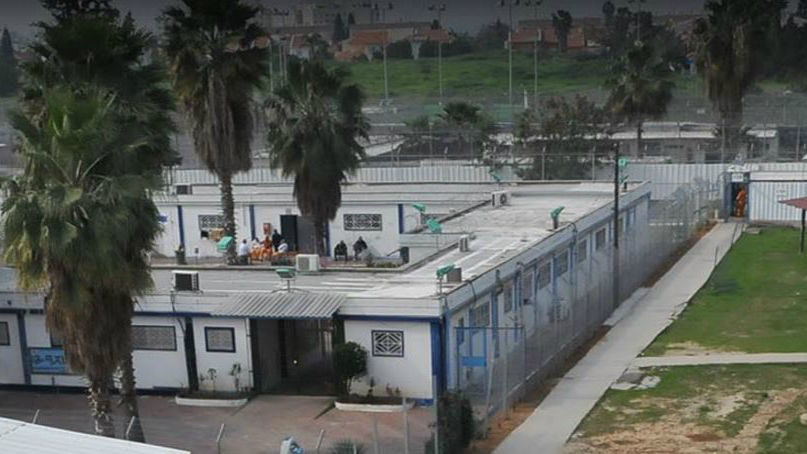
Now, however, the prosecution in the Central Region is reportedly to tell the board at the meeting that if Katsav continues to meet the social worker for another six months, and there is further progress in his attitude, it will no longer oppose his release.
According to the Hebrew-language Ynet news site, since Katsav has completed more than the minimum prison time needed before appealing for parole, a board decision in his favor could see him released immediately.
The former president, 70, was convicted on December 30, 2010, of two counts of rape, among other related charges. He began serving his sentence in Ma’asiyahu Prison in December 2011 and is slated for release in December 2018.
Katsav has consistently denied committing any offenses and has portrayed himself as a victim. His previous requests for early release were rejected in part because of his refusal to express remorse for the attacks. It was reported at the time that he had then been placed on a suicide watch and given psychological counseling.
Early parole is very common in the Israeli prison system, with a majority of prisoners managing to obtain the standard one-third reduction to their sentence for good behavior.
The Israel Prisons Service has said Katsav’s behavior as a prisoner has been above reproach.
If the upcoming parole request is denied, Katsav’s last resort for shortening his sentence will be to appeal for clemency from President Reuven Rivlin. The two are former Likud colleagues who served many years together in the Knesset before Katsav won the presidency.
Times of Israel staff contributed to this report.








The Times of Israel Community.