

Syria rejects Amnesty’s report of mass hangings as ‘untrue’
Damascus says ‘inciting’ media trying to smear Assad regime by publishing findings that 13,000 people were executed in one prison over 4 years
 Add ToI as a Preferred Source on Google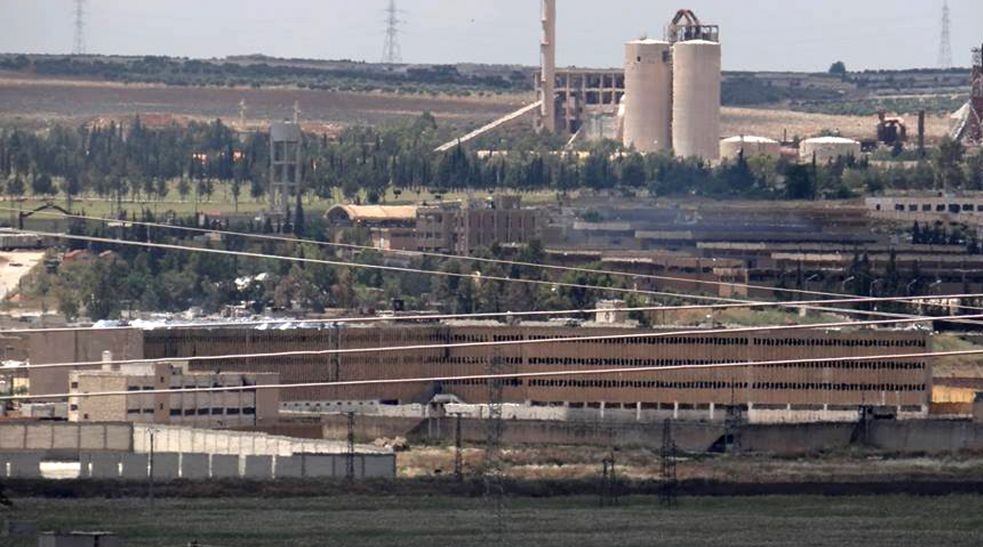
BEIRUT — Syria’s justice ministry has rejected an Amnesty International report of mass hangings of as many as 13,000 people in a prison near Damascus, calling the allegations “totally untrue” and part of a smear campaign.
The ministry’s statement was published by Syria’s state-run news agency on Wednesday, a day after Amnesty released its report.
It said “misleading and inciting” media outlets carried the Amnesty report with the intention to smear the Syrian government’s reputation on the world stage — particularly after recent “military victories against terrorists groups.”
According to the statement, the allegations were “baseless” because executions in Syria follow due process and various stages of litigation.
According to the report, Syrian military police hanged as many as 13,000 people over the course of four years in a prison nicknamed “the slaughterhouse” before carting out their bodies by the truckload for burial in mass graves.
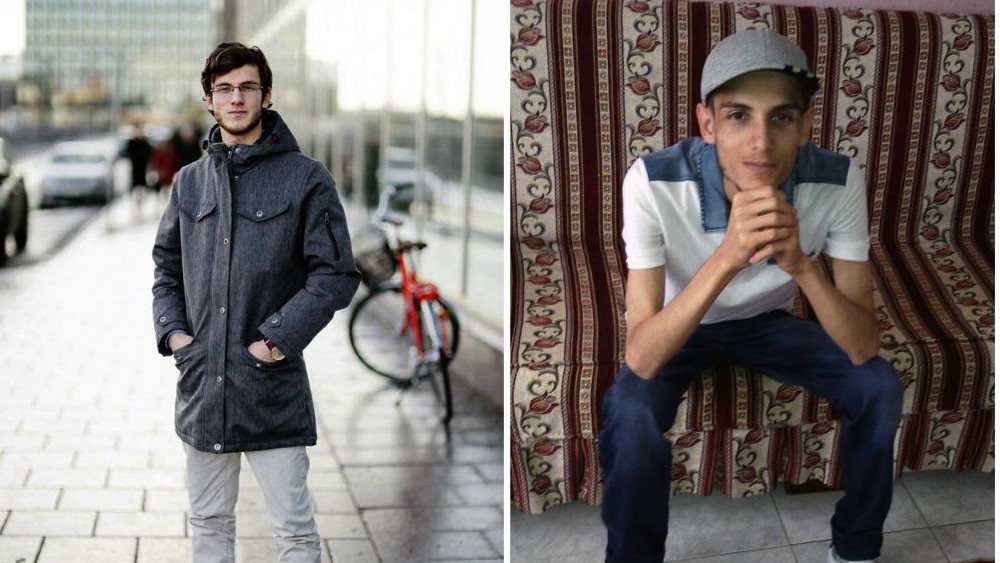
The report, issued on Tuesday, said that 20-50 people were hanged each week, sometimes twice a week, at the Saydnaya prison in what the organization called a “calculated campaign of extrajudicial execution.”
The report covers the period from the start of the March 2011 uprising to December 2015, when Amnesty says between 5,000 and 13,000 people were hanged.
Lynn Maalouf, deputy director for research at Amnesty’s regional office in Beirut, said there is no reason to believe the practice has stopped since then, with thousands more probably killed.
Amnesty said the killings were authorized by senior Syrian officials, including deputies of President Bashar Assad.
“The horrors depicted in this report reveal a hidden, monstrous campaign, authorized at the highest levels of the Syrian government, aimed at crushing any form of dissent within the Syrian population,” Maalouf said.
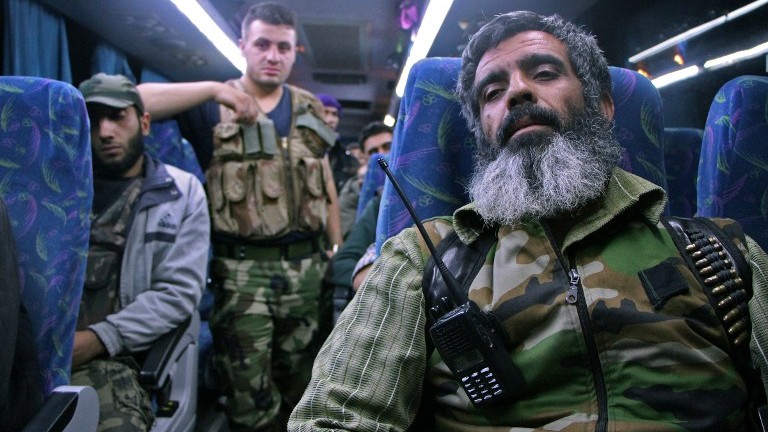
“These executions take place after a sham trial that lasts over a minute or two minutes, but they are authorized by the highest levels of authority,” including the Grand Mufti, a top religious authority in Syria, and the defense minister.
The Amnesty report prompted a strong reaction from United Nations Secretary-General Antonio Guterres, who, “was horrified about what was in the report,” according to UN spokesman Stephane Dujarric.
“We have repeatedly raised serious concerns about the grave violations of international human rights and international humanitarian law in Syria, including in detention centers and government-run prisons,” Dujarric told reporters at UN headquarters in New York. “What is important is that there needs to be accountability for all the victims in this conflict.”
Amnesty had recorded at least 35 different methods of torture in Syria since the late 1980s, practices that only increased since 2011, Maalouf said.
Copyright 2017 The Associated Press.




The Times of Israel Community.