

9 miles of archives: NYC Jewish history documents come to life in CUNY trove
City University of New York public system’s material includes Yiddish jokes, posters for champion boxers, and student newspapers discussing same issues as today
 Add ToI as a Preferred Source on Google
Luke Tress is The Times of Israel's New York correspondent.
NEW YORK — In the pages of a campus paper, Jewish college students in New York lamented Israeli children sleeping in shelters, debated alleged Israeli war crimes, discussed colonialism in the Middle East and criticized anti-Zionist Jews.
“Israel could have come to represent the fight for freedom, the struggle to exist,” one said. “But Israel won the war and in so doing she lost her ‘friends.’ Because she survived, she shall be punished.”
The students were not discussing the wars in Gaza or Iran, though: The year was 1969 and they were grappling with the aftermath of the Six Day War in The Flame, a Jewish newspaper at the City College of New York, part of the City University of New York (CUNY) public system.
The articles are housed in CUNY’s vast archives across its 26 campuses. A years-long archival project at CUNY is now making the material more easily accessible to the public and researchers, along with other lesser-known facets of New York Jewish history, from unused footage filmed for a groundbreaking documentary on American Hasidim to dated Yiddish humor and posters of champion Jewish boxers.
Until now, each campus had maintained its own database of archival materials; the new project will make the materials from all campuses searchable on one platform and digitize more than 70,000 items.
CUNY, the largest urban public university system in the US, is a sprawling network, with 247,000 students around the five boroughs.
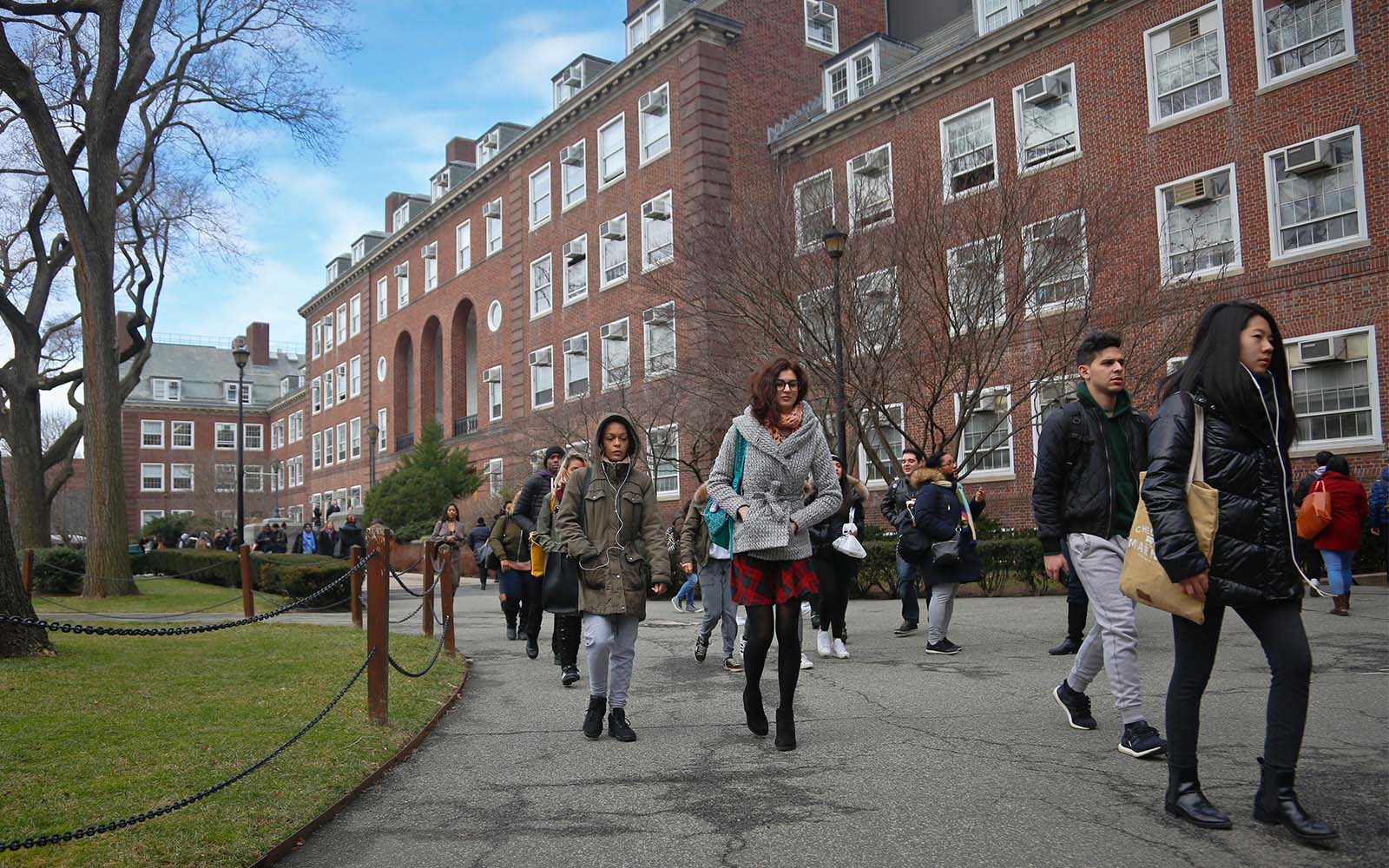
The system has its roots in the Free Academy, a college established in 1847, and over the decades, the CUNY campuses amassed archival materials in 31 libraries around the city.
There had never been a “unified effort to look at what collections existed across all campuses,” though, said Natalie Milbrodt, a CUNY archivist leading the survey project.
In 2023, CUNY secured a 3-year grant from the Mellon Foundation to collate the archives across the campuses.
The project aims to determine the extent and condition of the archives, to unify the systems used to manage and provide public access to the collections, and to raise awareness about the materials and the history, Mildbrodt said.
Many of the materials relate to Jews, given Jews’ long history at CUNY.
The system, and the colleges that would become part of CUNY before its establishment, provided education to generations of Jewish New Yorkers, particularly immigrant Jews after World War II, when the GI Bill led to a surge in enrollment, according to a 2024 report on antisemitism at CUNY.
During the mid-20th century, many private colleges had enrollment quotas designed to keep out Jews, but CUNY did not, providing a pathway to upward mobility.
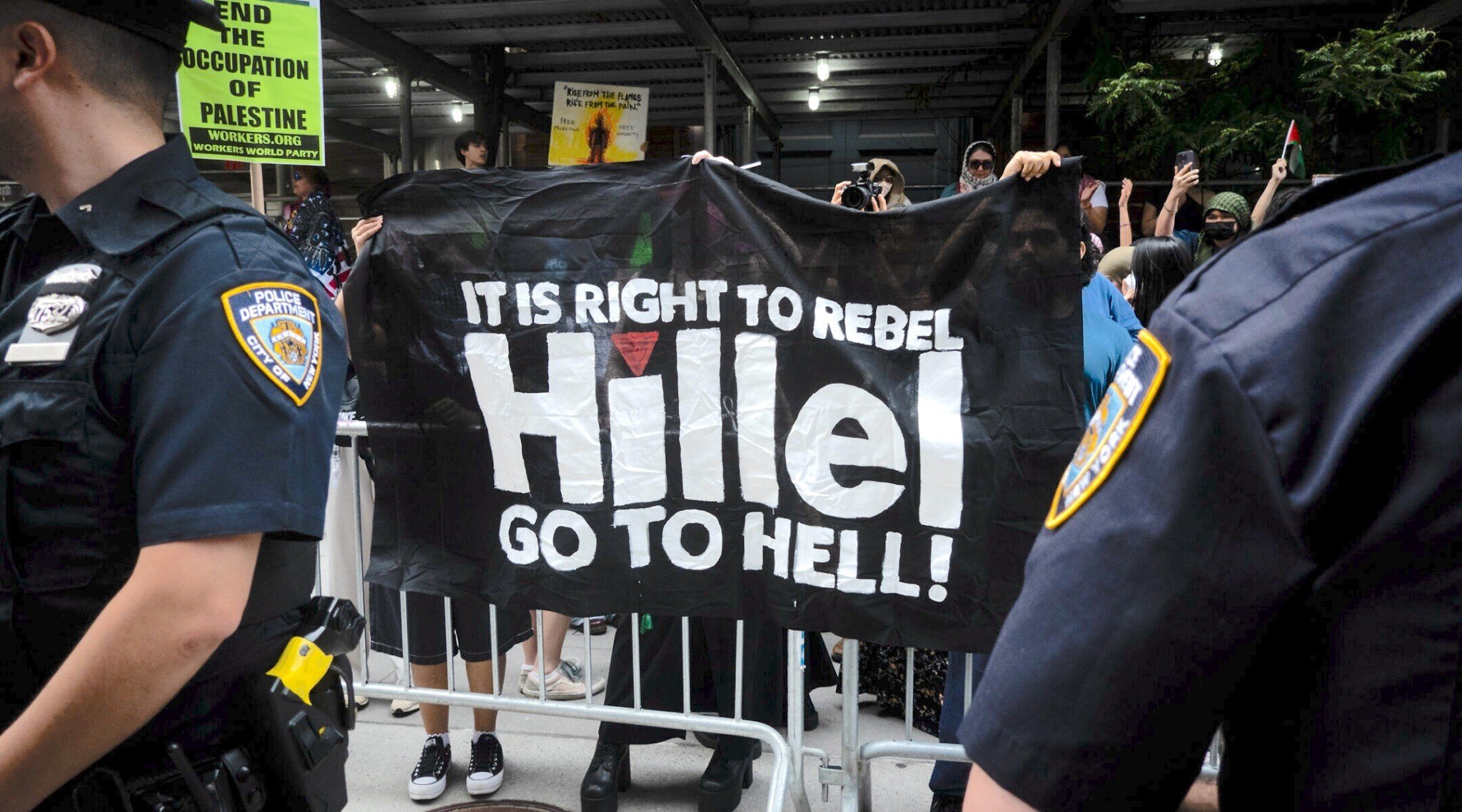
Despite that long history, CUNY has grappled with reported antisemitism on some of its campuses for years, leading to the 2024 report commissioned by the state.
CUNY has taken measures in response, such as bringing students on trips to Manhattan’s Museum of Jewish Heritage, establishing a Jewish advisory council, and working to expand enrollment from yeshivas.
Against that complicated backdrop, the archives shed light on some of the niche history of Jews in the city.
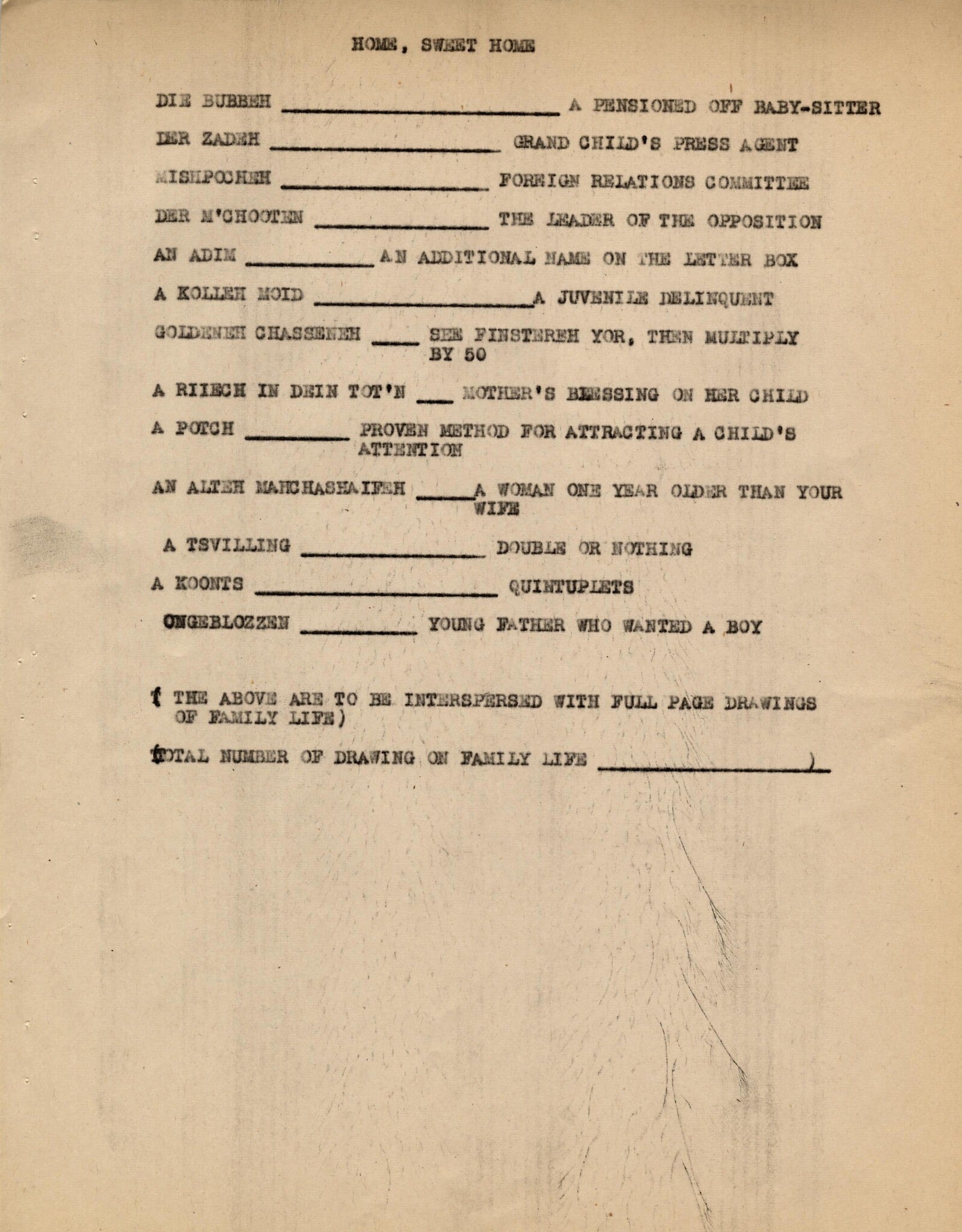
Brooklyn College’s collections include personal papers from Susan Alter, the first Orthodox Jewish woman elected to the New York City Council, in 1978; files from Brooklyn College professor Elmer Luchterhand, a sociologist who interviewed Holocaust survivors in Europe after the camps were liberated; and “joke cards” from the mid-20th-century Jewish comedian Sam Levenson, according to Colleen Bradley-Sanders, the head of archives at Brooklyn College.
Levenson’s material includes a “comic dictionary of basic Yiddish,” defining “zadeh,” or grandfather, as a “grandchild’s press agent,” “mishpocheh,” or family, as a “foreign relations committee, and “der m’chooten,” or an in-law, as the “leader of the opposition.”
The archivists went to the collections, opened every box, and, on spreadsheets, reported on the contents, the amount of material, its condition, and any concerns, such as water damage or pests.
They recently finished the survey, finding that the combined libraries hold 46,350 linear feet (14,127 meters) of material. Lined up, the material would be around 9 miles (14 kilometers) long. In addition to documents, there are 59,608 “media carriers,” such as 16mm films, floppy disks and VHS tapes, Milbrodt said.
“We were opening things up that sometimes hadn’t been opened in a while,” Mildbrodt said.
The project will result in a database, on the ArchiveSpace platform, where the public and researchers will be able to find collections that were once dispersed around the campuses and not easily searchable. The archivists are working to unify the archives, with descriptions of the materials, across all the campuses to have one database in ArchiveSpace that will hold all the collections. The goal is to have all materials on ArchiveSpace by 2027.
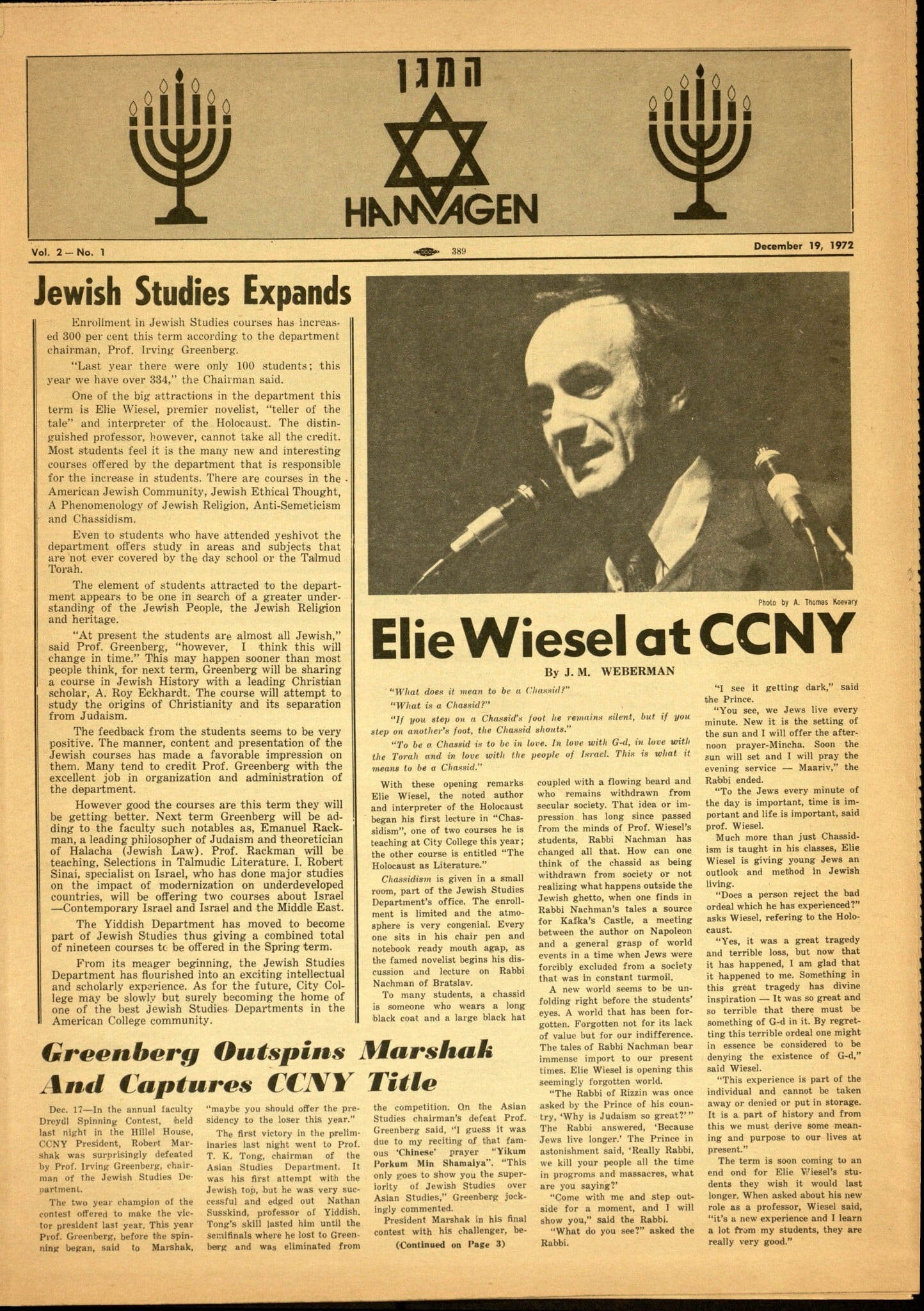
The material includes CUNY-specific documents, such as yearbooks, course catalogs, student publications and campus photos, and materials donated to the libraries.
Eddy Portnoy, academic adviser and director of exhibitions at New York’s YIVO Institute for Jewish Research, said the CUNY initiative “seems like a very worthy project.” Portnoy, who is not affiliated with CUNY, compared the archival effort to YIVO reuniting its archives from pre-war Europe with material in New York, or the Geniza Project, which collates images from the Cairo Geniza that had been strewn around libraries in Europe, the US and Asia.
Portnoy said the CUNY archives could be a “boon for researchers.”
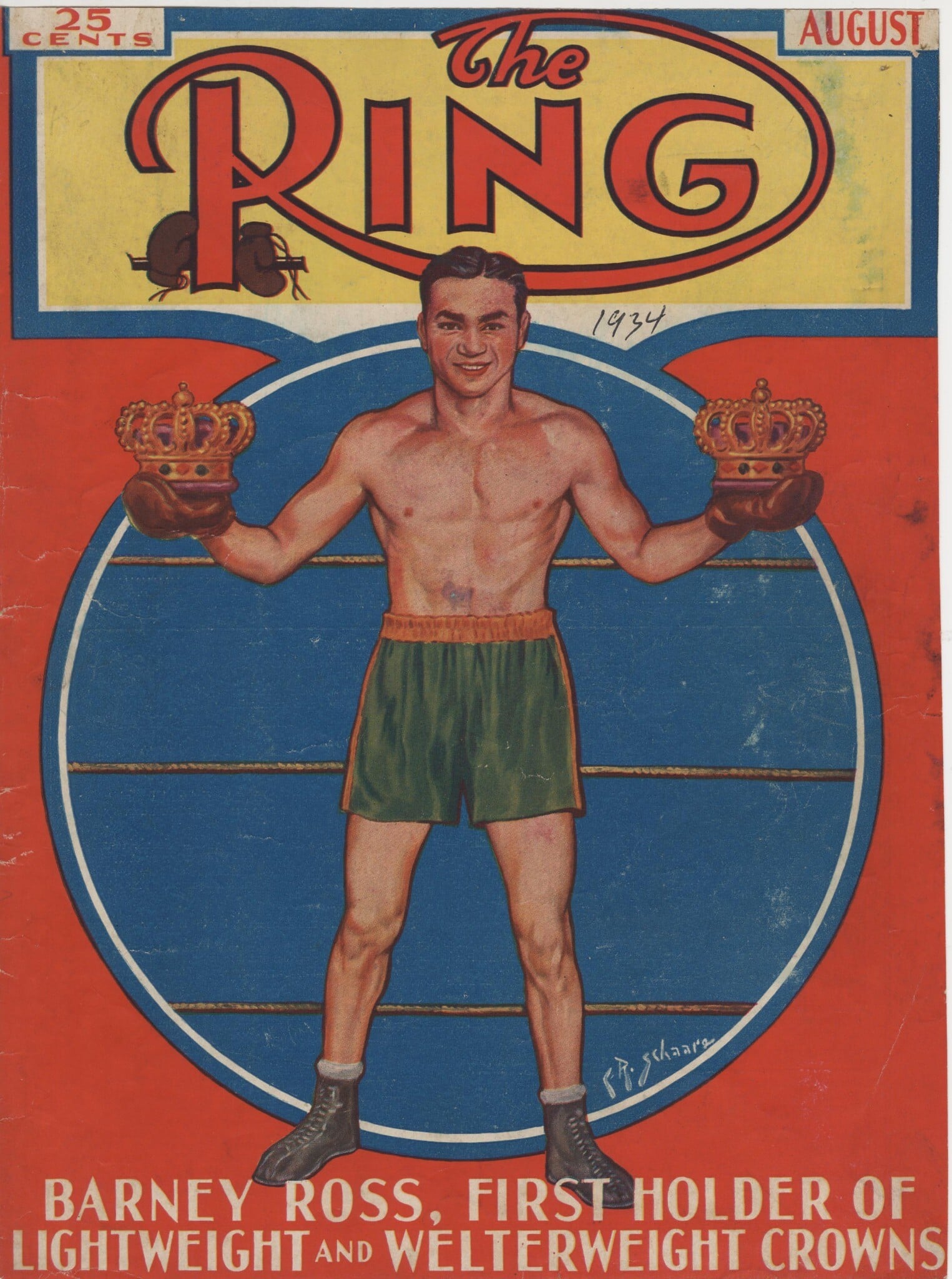
“Had I known, for example, about their material on Jewish boxers or about Sam Levenson’s ‘comic dictionary of basic Yiddish,’ I could have made use of them in exhibits I previously created,” Portnoy said.
Much of the material will not be digitized because the archives are too vast, but around 73,000 documents will be digitized and housed on the JSTOR digital library platform.
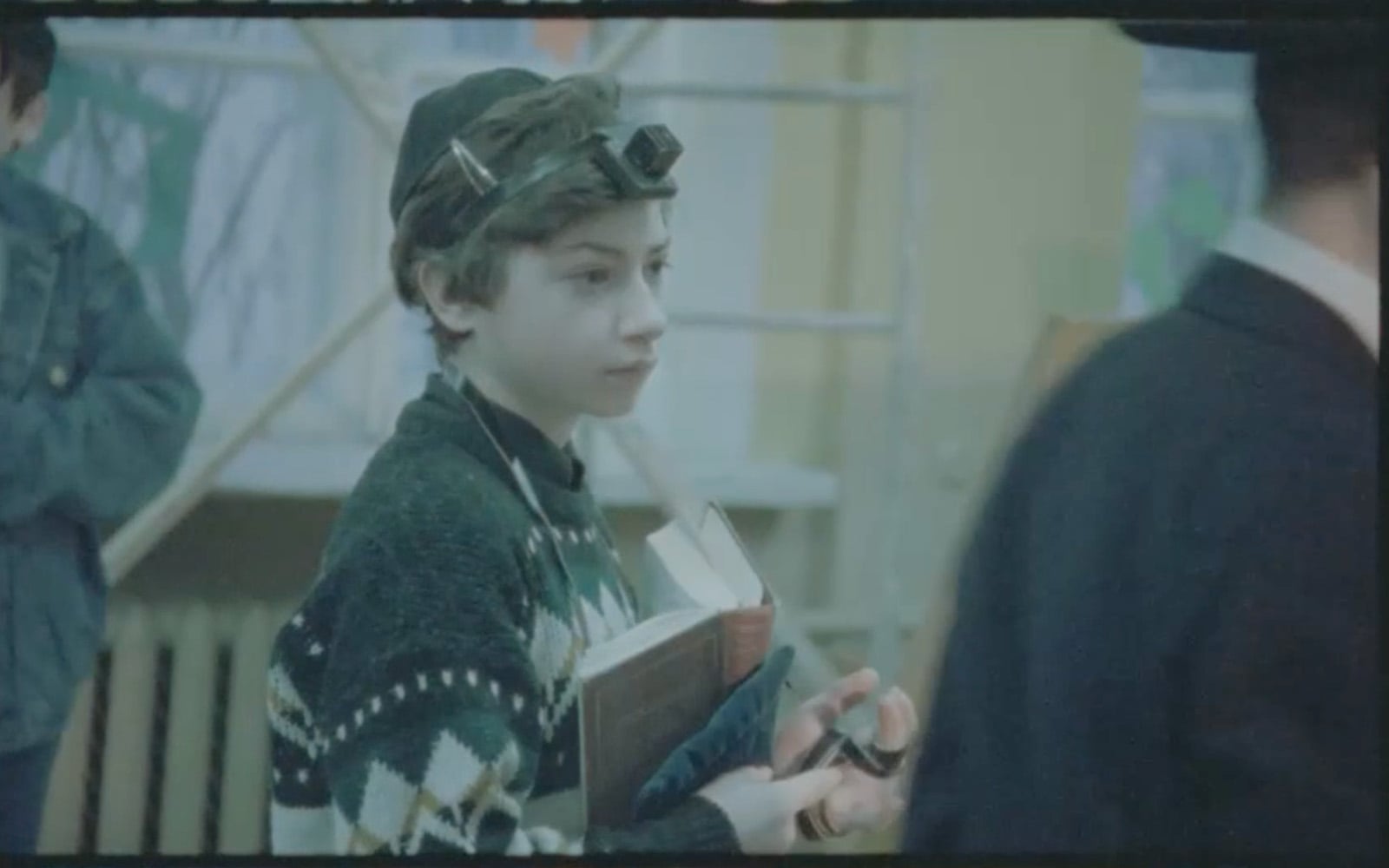
That material includes footage filmed for a 1997 documentary about Hasidim in America called “A Life Apart” that did not make it into the final film, but now serves as a resource for researchers, Bradley-Sanders said.
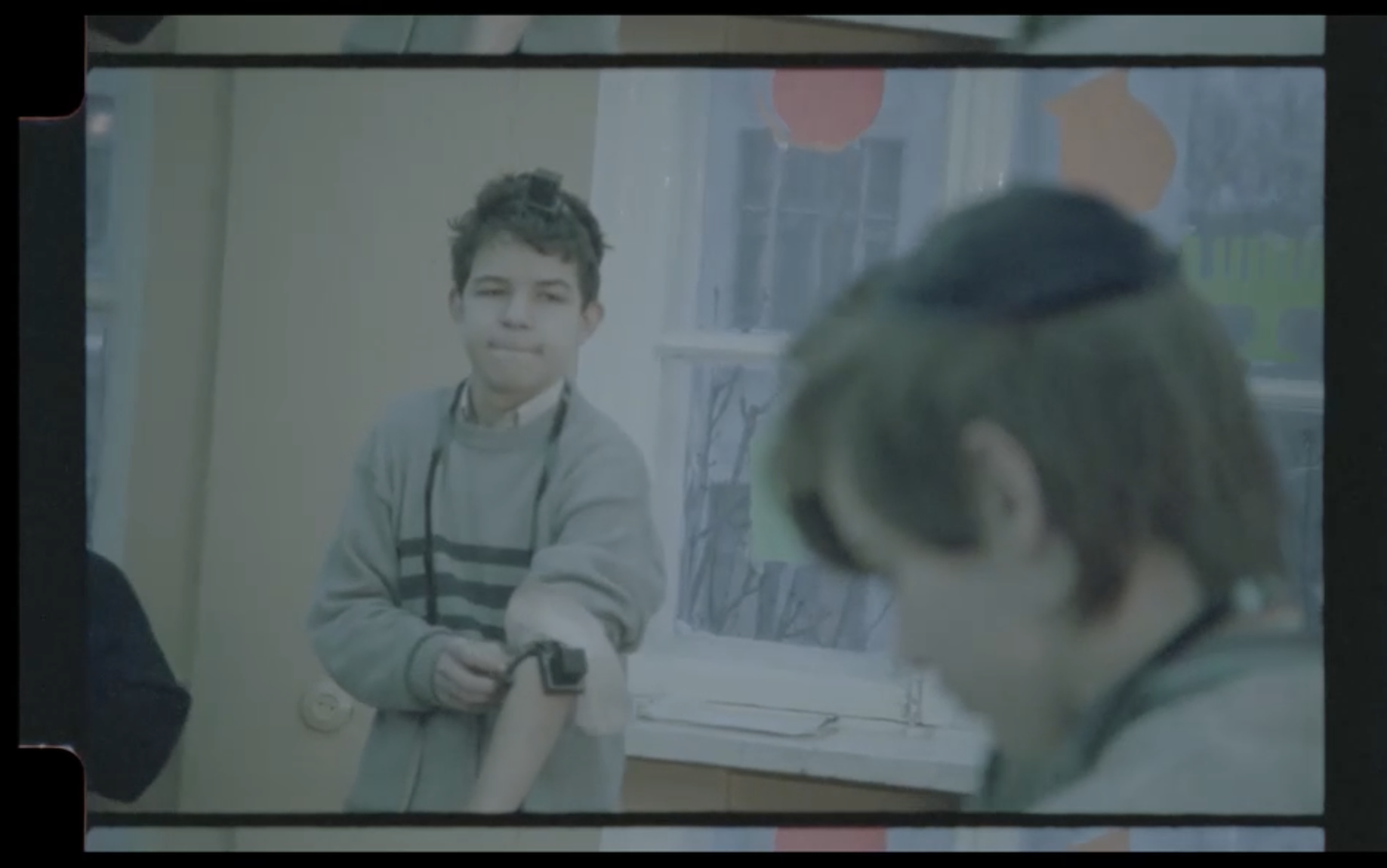
The footage shows Russian-speaking Chabad emissaries teaching children how to wrap tefillin in post-Soviet Moscow, women dancing in a circle at the wedding of the Bobover rebbe’s granddaughter, and children dressed as rabbits, police officers and clowns roving Williamsburg’s streets on Purim, the still-standing Twin Towers looming in the background.
A collection of photos on JSTOR, from Queens College, documents the Romaniote Greek-Jewish communities in Greece and as immigrants on the Lower East Side.
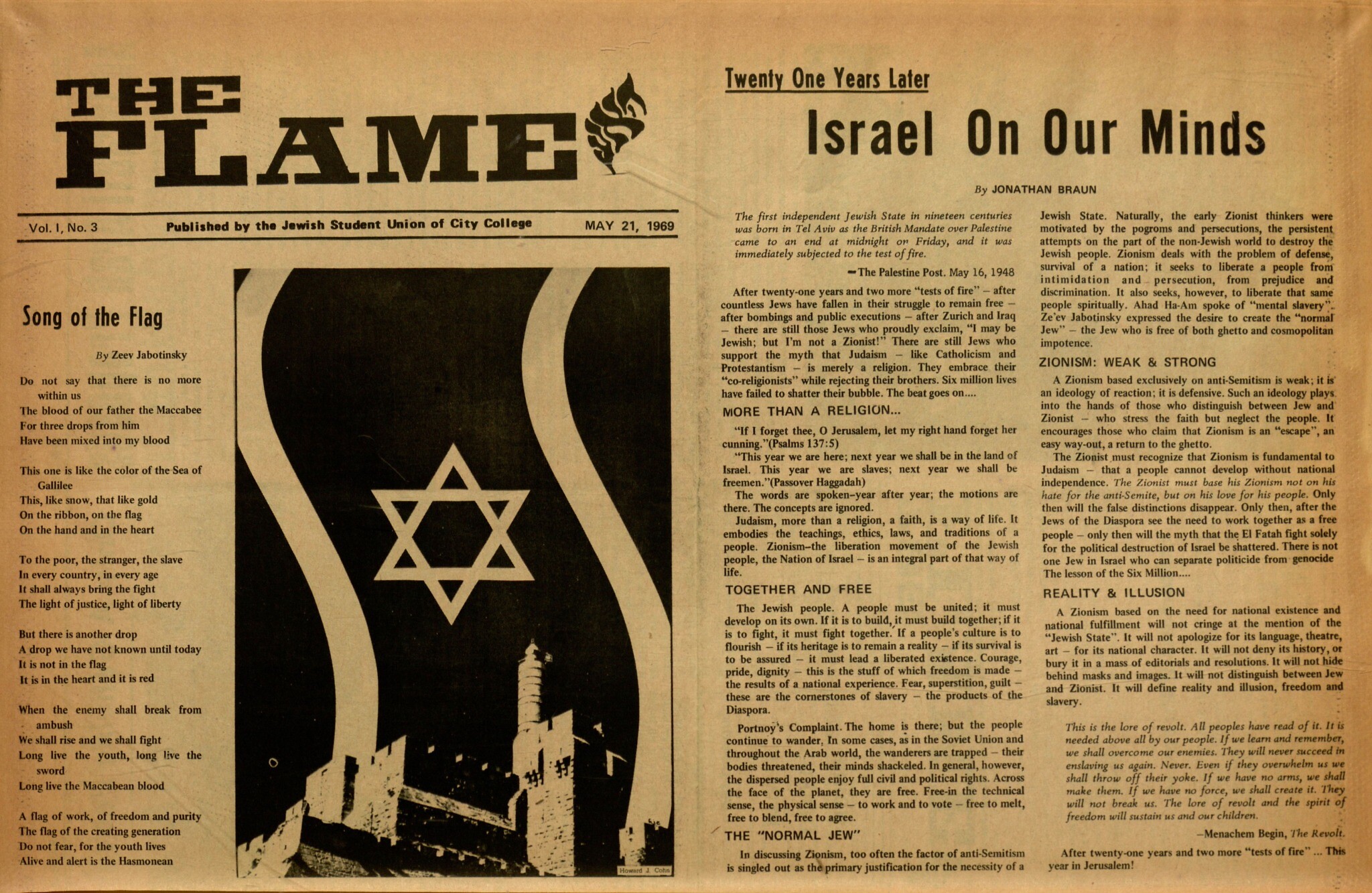
The documents in The Flame, from 1969, show students discussing the “conspiracy of genocide,” leftist anti-Zionism and Jewish anti-Zionists — common debates among students today.
“There are still those Jews who proudly exclaim, ‘I may be Jewish; but I’m not a Zionist!’” one article said. “They embrace their ‘co-religionists’ while rejecting their brothers. Six million lives have failed to shatter their bubble.”
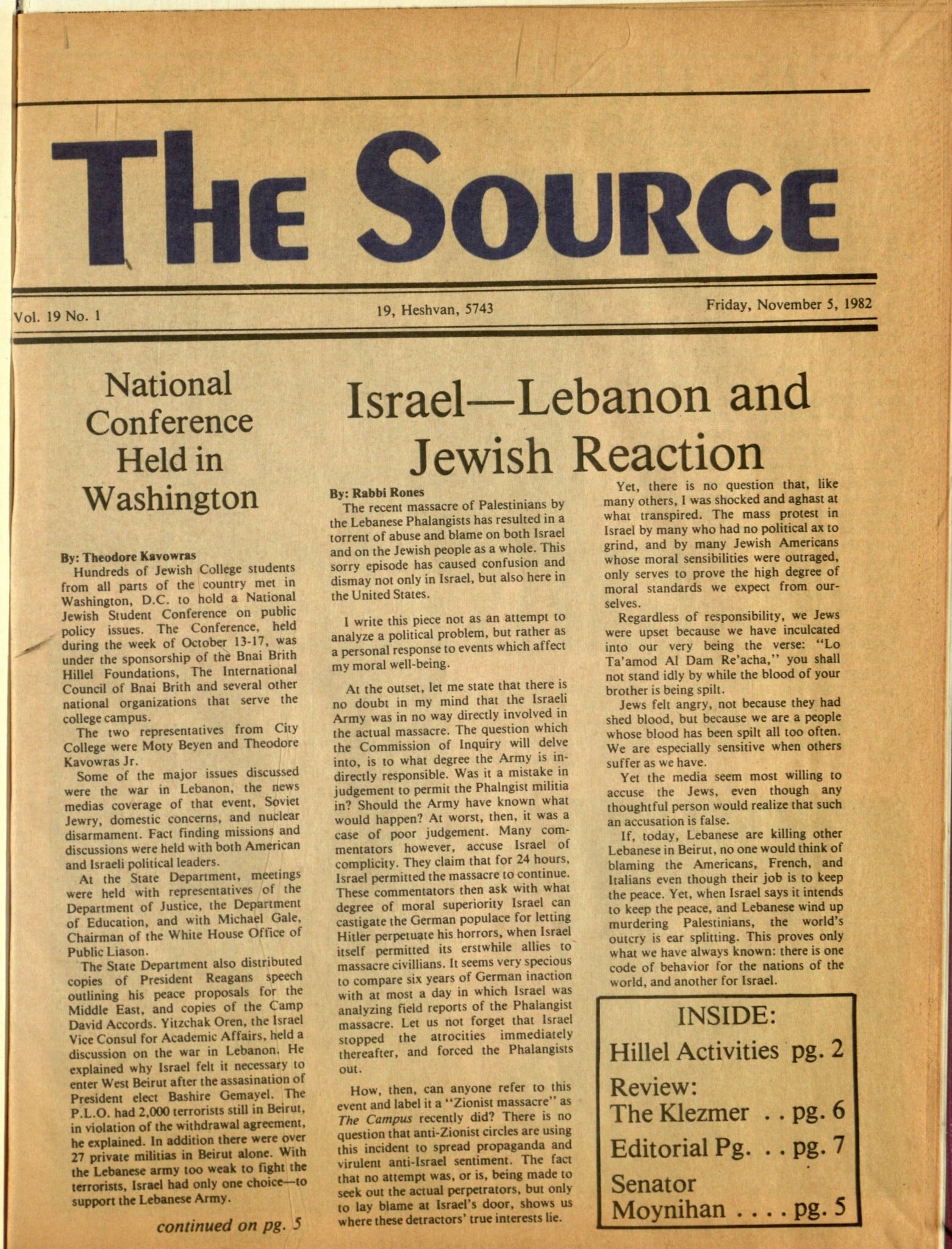
More than a decade later, in 1982, the campus newspaper The Source, at City College, disputed critics comparing Israel to Nazi Germany after Israel’s Lebanese allies massacred Palestinians in Lebanon, while acknowledging American Jewish anguish over the killings.
“There is no question that anti-Zionist circles are using this incident to spread propaganda and virulent anti-Israel sentiment,” one column said.
Prime Minister Benjamin Netanyahu makes a minor appearance as the Israeli embassy representative at the time.
“I think that people tend to forget that people who lived before them, decades before them, went through some of the same things,” Bradley-Sanders said.
“You say, ‘Oh, you know, the way they did that, things didn’t turn out so well.’ Maybe we should learn from that and try something different this time,” she said.







The Times of Israel Community.