

A guide to US parties in the World Zionist Congress elections
The organization founded by Theodor Herzl in 1897 still wields a lot of power in the established Jewish state. How to vote, and who is running
 Add ToI as a Preferred Source on Google
JTA — World Zionist Congress elections began earlier this month and run through April 30. Here’s a primer on what the congress is, how (logistically) to vote, who’s on the ballot, and why you just might want to sign up for PayPal before casting your vote.
What is it?
The World Zionist Congress is a 500-person representative body of the Jewish people that wields substantial control over three key institutions with significant assets at their disposal: Keren Kayemeth LeIsrael, or the Jewish National Fund, which owns some 13 percent of Israel’s land; the Jewish Agency for Israel, which deals with immigration and absorption, as well as Zionism education, and has a $475 million annual budget; and the World Zionist Organization. The congress helps formulate the organizations’ policies, appoints some of their leaders and has a say in how their money is spent.
When was it established?
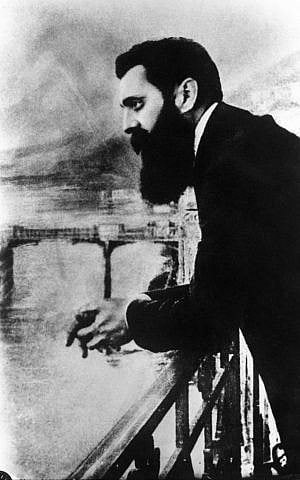
Founded by Theodor Herzl in 1897 to help bring about the establishment of a Jewish state, the World Zionist Congress was conceived as a parliament for the Jewish people. Now that Israel exists, its de facto significance is its control over the aforementioned Zionist institutions.
Who is in the congress?
Of the 500 representatives, 190 come from Israel, 145 from the United States and 165 from the rest of the world combined. The process for choosing representatives differs in each county. In America, Jews over age 18 who pledge fealty to certain Zionist principles are eligible to vote for the party of their choosing (each party has posted its election slate of representatives). In Europe, some communities hold elections while others appoint their representatives. The Israeli representatives are allocated according to representation in the Knesset.
Among the Americans, the parties that correspond with the major religious denominations typically wield the most power.
How do I vote?
Online. To register, visit Myvoteourisrael.com. Registration will require paying a $10 processing fee ($5 if you’re under 30) to the American Zionist Movement and clicking off a box that affirms that you support certain basic Zionist principles called the Jerusalem Program. You can pay via credit card, PayPal or eCheck.
Whom should I vote for?
Whoever best represents the values you hold dear because the next congress will, in theory, allocate resources and endorse policies in line with those values.
Who’s running?
In America, 11 different parties:
Zionist Spring: Restoring Vision to World Zionism
Backed by the youth movement Young Judaea, among others, this group is focused in part on institutional reform. It wants to review the focus and structure of the congress and create direct elections for chairman, priorities and budget. It also wants to encourage the “cultural and political conditions under which secular & religious expressions of Jewish identity can flourish.”
Mercaz USA: The Zionist Arm of the Conservative Movement
Promotes the Conservative movement’s interests, including advocating for state acceptance of all conversions and weddings performed by Conservative rabbis; state funding for non-Orthodox rabbis; and redeveloping the entire Western Wall plaza to allow for egalitarian prayer. Its slate includes movement leaders.
Alliance for New Zionist Vision
With a slate limited to young activists, this party focuses on the battle for Israel’s legitimacy on college campuses.
American Forum for Israel
Affiliated with the American Forum of Russian Speaking Jewry, this nationalist faction believes Israel is America’s only reliable ally, Jerusalem should never be divided and the Israel Defense Forces should be strengthened. Its slate includes a host of Russian-American Jewish community leaders.
World Sephardic Zionist Organization – Ohavei Zion
Established four years ago at the request of the late Shas spiritual leader Rabbi Ovadia Yosef, this group aims to strengthen the voice of Sephardi Jewry, with an emphasis on Jewish education.
ARZA: Representing Reform Judaism
The Reform movement’s faction is focusing its campaign on promoting women’s rights, gender equality, religious equality and a two-state solution to the Israeli-Palestinian conflict. The slate consists of Reform movement leaders.
Herut North America – The Jabotinsky Movement
This group bearing the name of the late Revisionist Zionist and nationalist Zeev Jabotinsky is dedicated to “Jewish unity and the territorial integrity of the land of Israel.”
HATIKVAH — The Progressive Zionist Voice
This group aligned with Ameinu in the United States and the Meretz party in Israel wants Israel to freeze all settlement activity until it reaches a negotiated two-state solution with the Palestinians. Hatikvah also promotes equal rights for all Israeli citizens, recognition of all religious streams and “refugee reform.” Its slate includes the leaders of Americans for Peace Now, the New Israel Fund, J Street U, Habonim Dror and other like-minded groups.
Green Israel: Aytzim/Green Zionist Alliance/Jewcology
Focused on environmental issues, this factions wants to improve Israel’s air quality, address Israel’s “stray-animal situation,” and boost Israel’s recycling, organic agriculture and sustainable building practices. The slate is topped by the president of Aytzim: Ecological Judaism.
Religious Zionists: Vote Torah for the Soul of Israel
This faction promotes Orthodox interests in Israel, is aligned with Israeli religious Zionists, and is backed by the central institutions of Orthodox Jewish life in America, including Yeshiva University, the Orthodox Union, the National Council of Young Israel and the Rabbinical Council of America. Its agenda includes securing funding for Orthodox educational and outreach programs, ensuring the security of a united Jerusalem and promoting aliyah.
Zionist Organization of America
This faction promotes ZOA’s wish list: strengthening West Bank settlements, fighting the BDS movement and anti-Semitism worldwide, and freeing Jonathan Pollard.









The Times of Israel Community.