

A week into Iran ceasefire, Israelis try to snap back as expected, but fear return to war
Sent back to work as usual after weeks in bomb shelters, locals see their resilience tested amid questions about the conflict’s success and a seemingly inevitable resumption of hostilities
 Add ToI as a Preferred Source on Google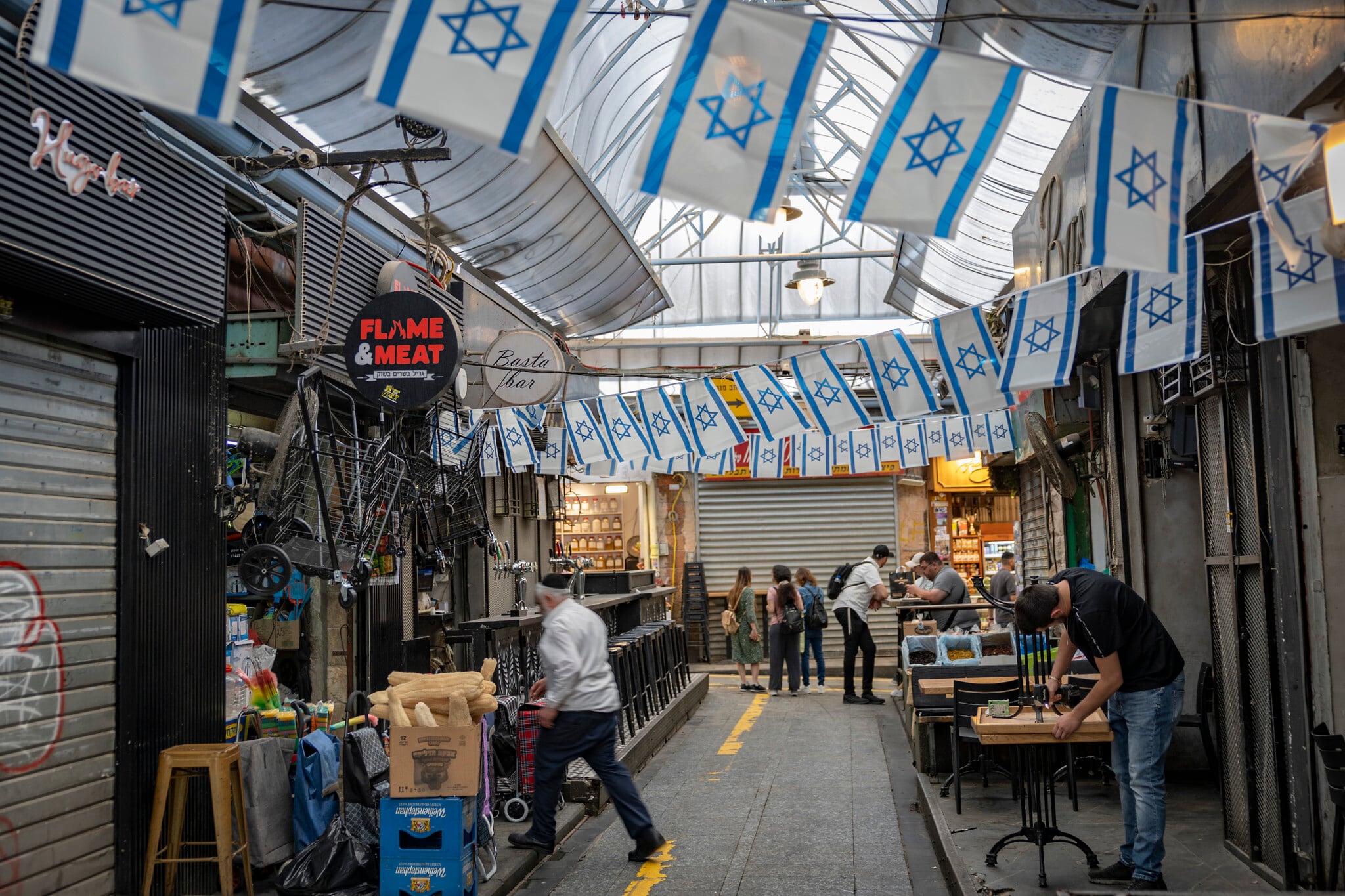
JTA — A week into the ceasefire in the Iran war, and as an hours-old truce with Hezbollah takes hold, Israelis have settled into their old normal — sort of.
“Is anyone else completely struggling with the expectation that now that there is the ceasefire we are supposed to go back to work like nothing happened?” one mother wrote in a popular working parents Facebook group.
She described weeks of sleep punctuated by sirens and working from home while caring for children — then being told to return to the office immediately.
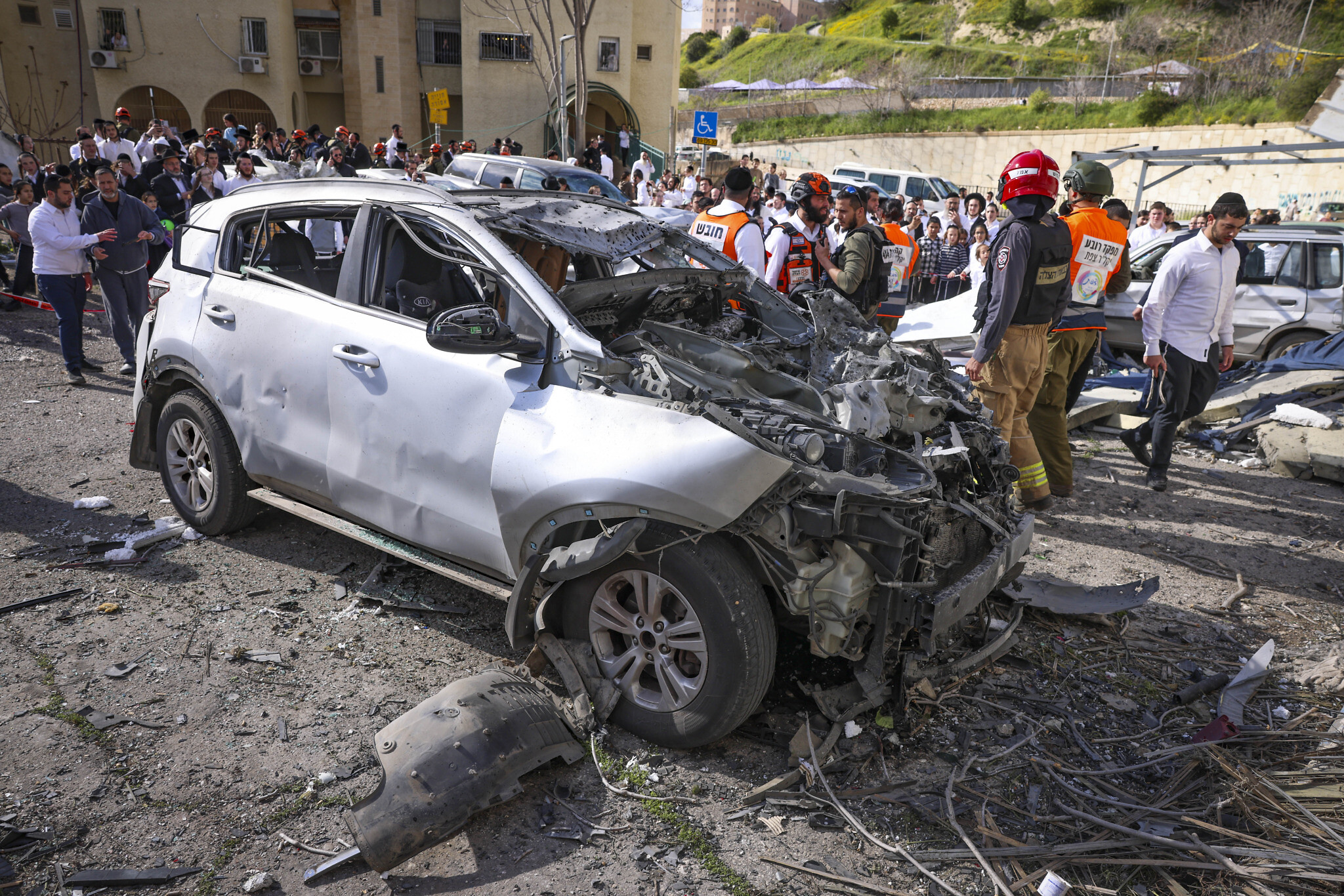
Children, too, were sent back to school just hours after the ceasefire began, after weeks of canceled classes and scattershot online learning. Cafes and beaches filled once again with ostensibly carefree Israelis, sometimes in sight of damage from Iranian missiles.
Behind the veneer of Israel’s famed resilience, darker feelings are simmering.
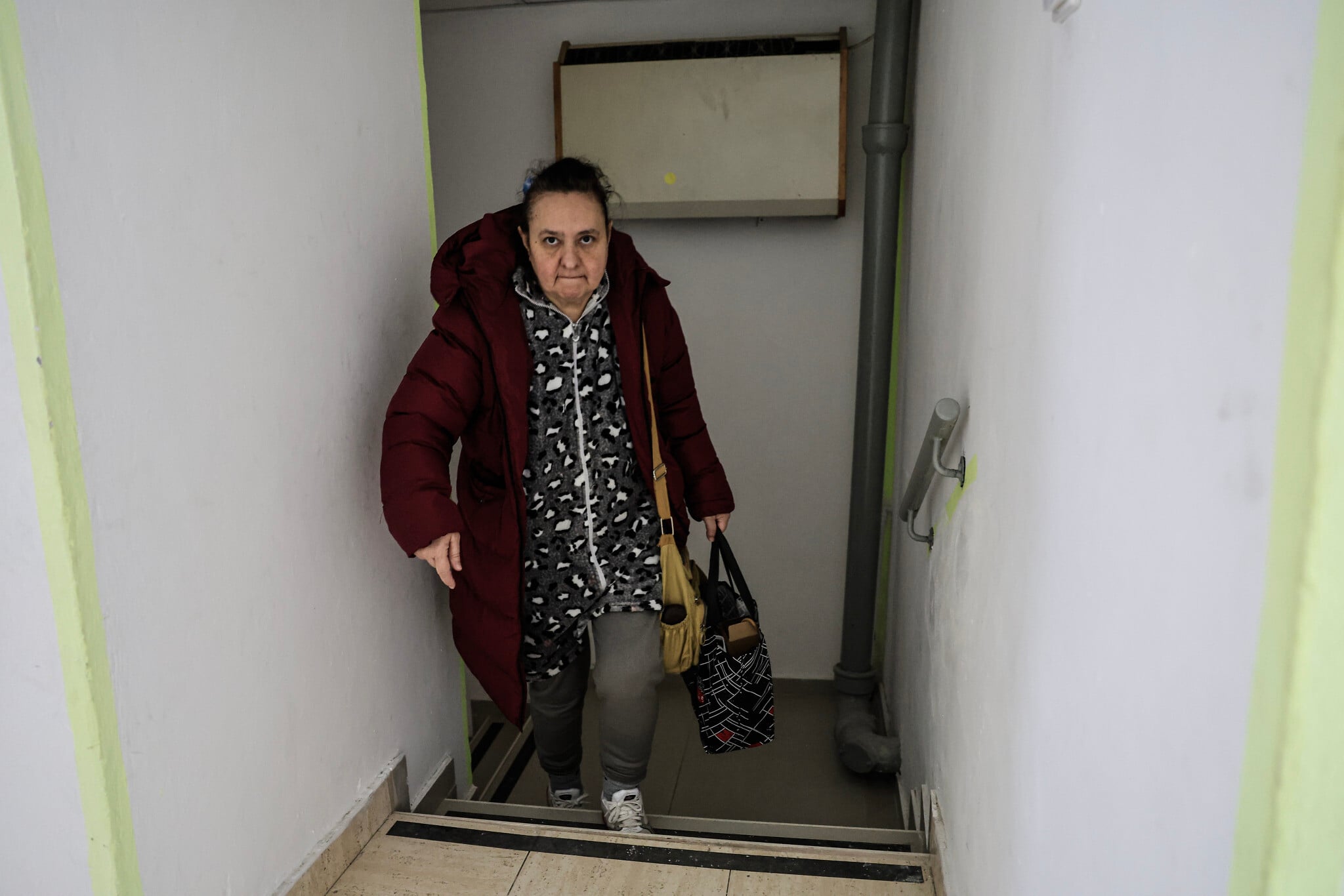
“We all have the jitters. PTSD. We need time to process the insanity. Never knowing if we can shower or go to the bathroom isn’t normal,” one parent responded in the Facebook group. Another asked, “Are we just supposed to pretend the past six weeks never happened?”
Then an even more pessimistic note crept in. “Can we all just get a paid spa day while our kids are in school before we go back to our bomb shelters?” one parent wrote. Another added, reflecting a view widely held across the country, “I’m trying to do as much as I can now before the war starts up again.”
Such is the condition of Israelis during two ceasefires foisted upon them by the United States. They are relieved that they no longer have to plan their lives around proximity to bomb shelters and that restrictions on gatherings have been lifted. Many are embracing a return to normalcy.
But their feelings also include little sense of victory or stability, as well as a great deal of dread about what’s to come.
For good reason. Even as US President Donald Trump says he believes he will reach a deal with Iran to end the war permanently, Prime Minister Benjamin Netanyahu is emphasizing that he is ready to resume the fighting.
Signs of confidence about continued calm are fraying. Plans for Independence Day celebrations next week were reinstated and then swiftly scrapped again in multiple cities — not only in the north, where Hezbollah fire continued up until the last moments before a 10-day ceasefire went into effect at 12:00 a.m. Friday morning, but also in southern cities such as Ashkelon.
Three-quarters of Israelis expect fighting with Iran to resume within the next year, a poll by the Institute for National Security Studies found.
Many Israelis believe a return to conflict with Iran, whose still-intact Islamic regime has sworn to destroy Israel, is needed. The same poll found that 61 percent of Israelis oppose the current ceasefire deal, while 76% say they believe negotiations underway now will not achieve the war’s stated objectives, including dismantling Iran’s ballistic missile system, halting its nuclear program and ending the rule of the ayatollahs.

Another poll, by the Kan public broadcaster, found that only a quarter of Israelis believed the US and Israel won the war, versus 58% who said they hadn’t. A third, by Agam Labs and the Hebrew University of Jerusalem, found that three-quarters of Israelis see the war so far as a failure — and that the ceasefire represents a US concession to Iran.
For Israelis who bore the steep cost of the war in sleepless nights, lost work, terror and death, the tradeoff is hard to accept.
Merav Leviten, who works in tech and who spent weeks running with her children to an outdoor bomb shelter, said that during the war she had believed the disruption would lead to a decisive outcome.
“It was one thing to be sitting in the shelters being like, oh my gosh, it’s going to be worth it, the Iranian people are going to be able to be free, I’m going to be able to visit Tehran, there’s going to be a whole new order in the Middle East,” she said. “Sure, yeah, I’ll sit in the shelters, I’ll do double time with childcare and work, but it’s all for a great purpose. And now you’re just kind of like, what?”
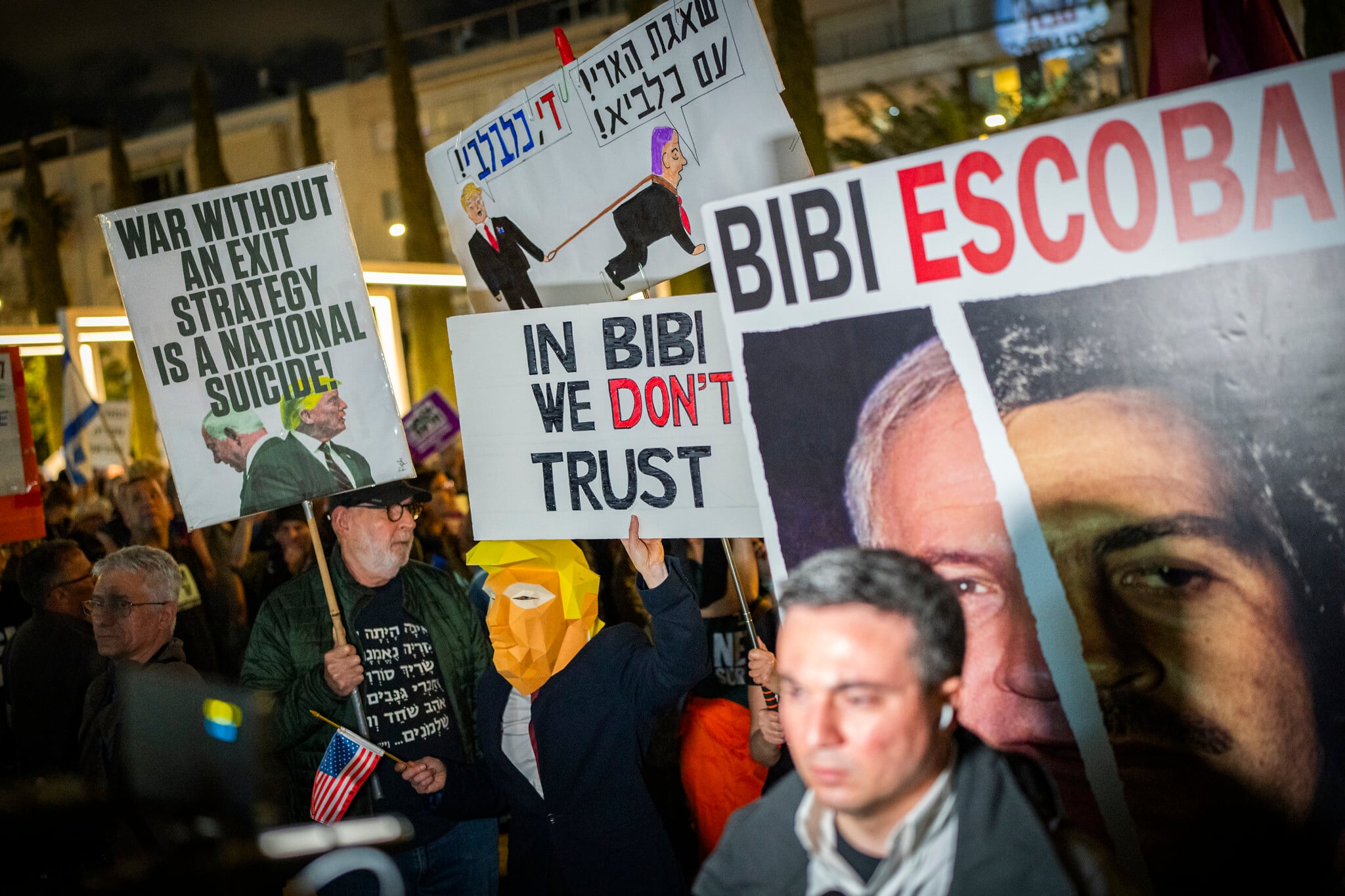
Paul Mirbach, a founder of Kibbutz Tuval in northern Israel, where he still lives, said that unlike earlier ceasefires that brought a sense of relief, this one left him feeling “less safe and more exposed” than before the war began, capturing a wider frustration among Israelis who endured weeks of disruption and casualties and are now asking what, exactly, was achieved.
Mirbach said he believes a confrontation with Iran was ultimately unavoidable, but argued that the timing was driven in part by Netanyahu’s political considerations that a military victory would translate into political capital ahead of an election. In doing so, he said, the government ignored the reality that Israeli society was already exhausted and the home front insufficiently prepared.
“We needed time to recover and recharge our batteries,” he said, pointing to worn-out reservists, declining morale and businesses still battered from more than two years of war.
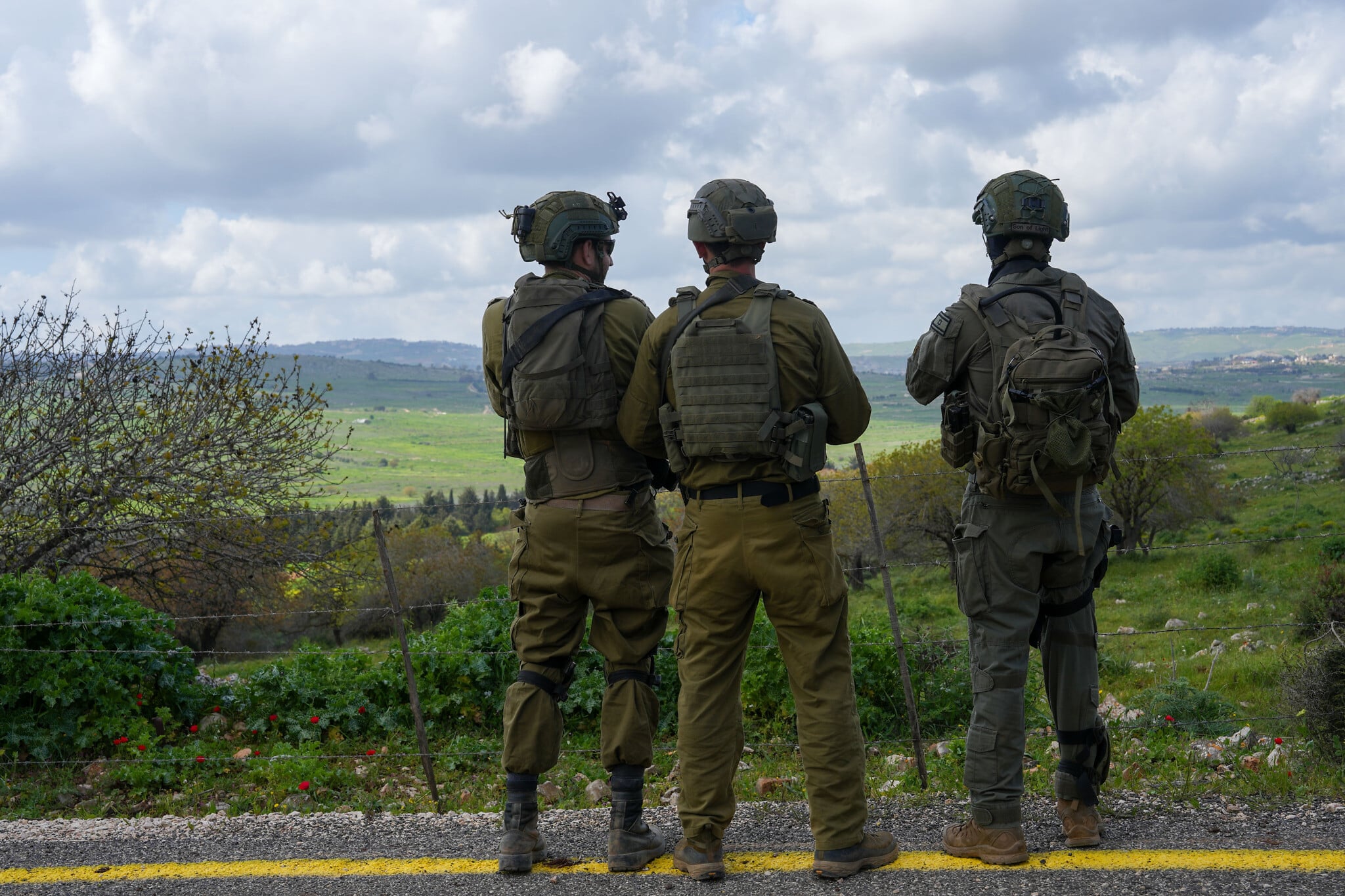
“They have taken all we could throw at them and they’re still standing,” he said of Iran, adding that Tehran now appears less deterred and more capable of inflicting damage, with the added risk of retaliation for the killing of senior leadership, including ayatollah Ali Khamenei. He also pointed to Iran’s ability to disrupt global trade through the Strait of Hormuz as a sign that the strategic threat remains intact.
Others expressed a more conflicted view. Robert Strazynski, an American immigrant who runs a website about online poker, described the military campaign itself as both justified and necessary, arguing that Israel and the US had achieved significant gains over the past six weeks and that the operation marked a long-overdue move from a reactive posture to a more proactive effort to change the trajectory of the region. He described the campaign as “critically necessary” to address a threat that had been allowed to fester.
“We aren’t warmongers, but if those who seek our annihilation won’t let us live in peace, then we take our destiny into our own hands and will achieve peace the hard way,” he said.
But he warned that ending the fighting without a decisive victory risked rendering those gains temporary. Like Mirbach, he described the ceasefire as “kicking the can down the road.”
Whatever the prognosis for the current war and future threats from Iran, it’s clear that six weeks of fighting and disruption are complicating any effort to return to normalcy.
Cathy Lawi, a trauma specialist whose organization, EmotionAid, has been working with families, medical staff and first responders since the start of the war, said the effects are not primarily psychological but physiological. After weeks of disrupted sleep, repeated alarms and sustained threat, the body does not simply switch off, she said, leaving the nervous system in a state of heightened alert even as daily routines resume.
“Stress accumulates,” she said. “There is no way to reset after danger. We are constantly in a state of alert. We’re getting used to not knowing what’s going to happen to us.”

At the same time, Lawi pointed to what she described as Israelis’ ability to hold opposing realities at once. Within hours of the ceasefire taking effect, cafes and bars in Tel Aviv and Jerusalem were packed, as Israelis rushed back into public life — a capacity for rebound she described as remarkable.
“We find relative safety in a place of non-safety,” she said. She attributed that response in part to Israelis’ strong social ties, with people relying on one another for support.
Yet the threshold for coping has dropped sharply among those with pre-existing mental health conditions, a population that studies suggest has grown in the past three years, according to psychiatrist Yotam Ginati, who described a surge in acute cases at his clinic in Tel Aviv.
For much of the rest of the population, he said, the load is more likely to be suppressed than treated.
“We’re gaslighting our own distress,” Ginati said. “There’s sun outside, life goes on, and occasionally we run to the shelter. But we’re living with constant existential anxiety, and we keep pushing it away. That may be unavoidable, but it has a price.”







The Times of Israel Community.