

A year on, wounded Israeli reserves soldiers face long road to recovery
For hundreds of thousands of reservists, who bear the brunt of war while meeting family obligations, enduring challenges will impact their lives and Israeli society for years ahead
 Add ToI as a Preferred Source on Google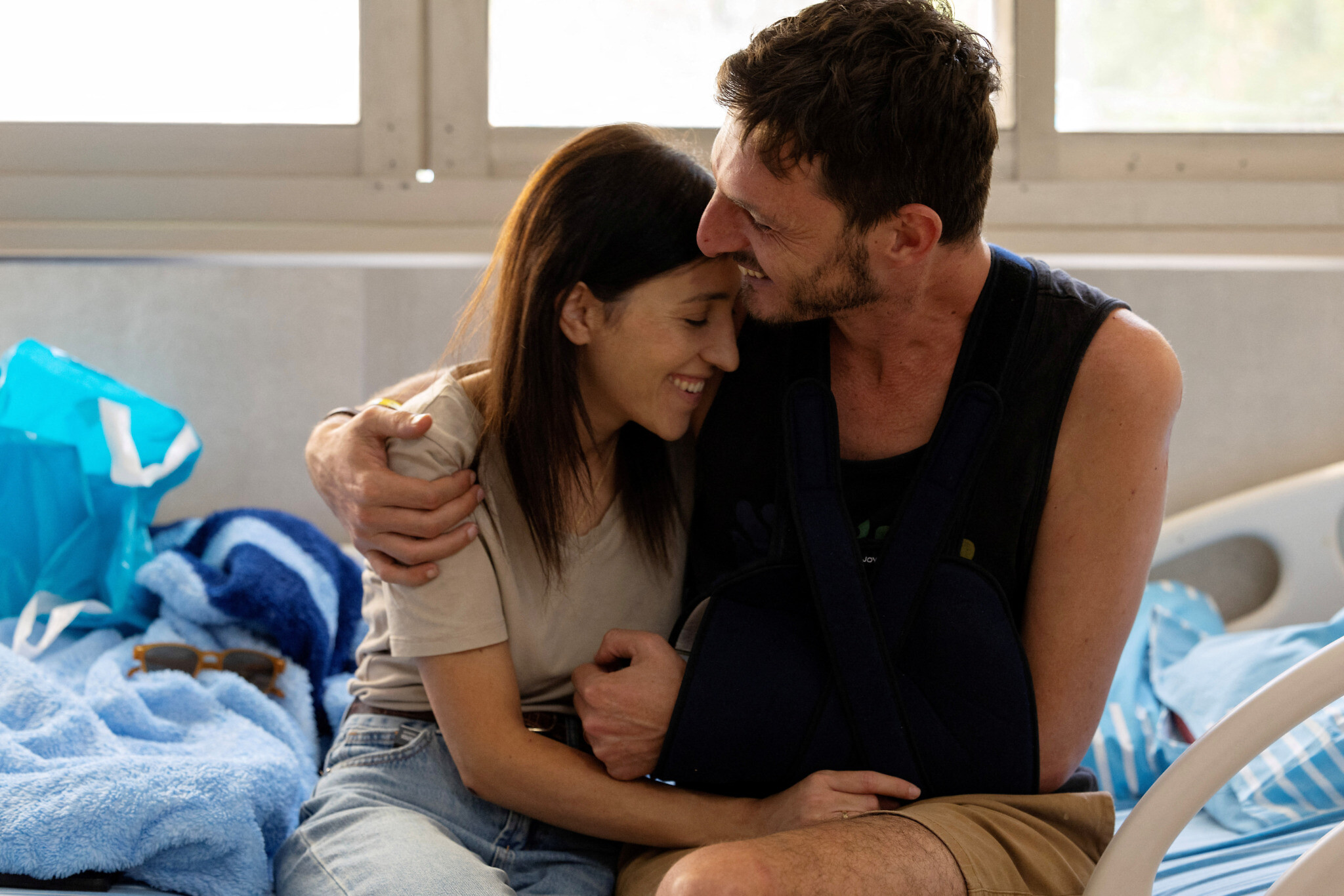
Ten months after he was shot in the leg by a sniper in Gaza, Israeli reservist Aaron Bours is walking on crutches and hoping to make a full recovery from the wound he sustained trying to rescue his officer during an ambush.
“There were bullets all around me,” Bours said.
Three hours after he was shot, he was in surgery at Sheba Medical Center near Tel Aviv where doctors saved his leg. Long months of intense rehabilitation followed.
Some 300,000 reservists were called up at the beginning of the war and many have served for months on multiple tours. Their experience, and the experience of the families they left, will color attitudes in Israel for years to come.
As of September, more than 10,000 wounded soldiers have been treated by the Rehabilitation Department of the Defense Ministry since the Hamas-led terror assault on Israel on October 7, 2023, that triggered Israel’s ground operation in the Gaza Strip.
More than two-thirds of those treated have been reservists who returned to their military units from civilian life.
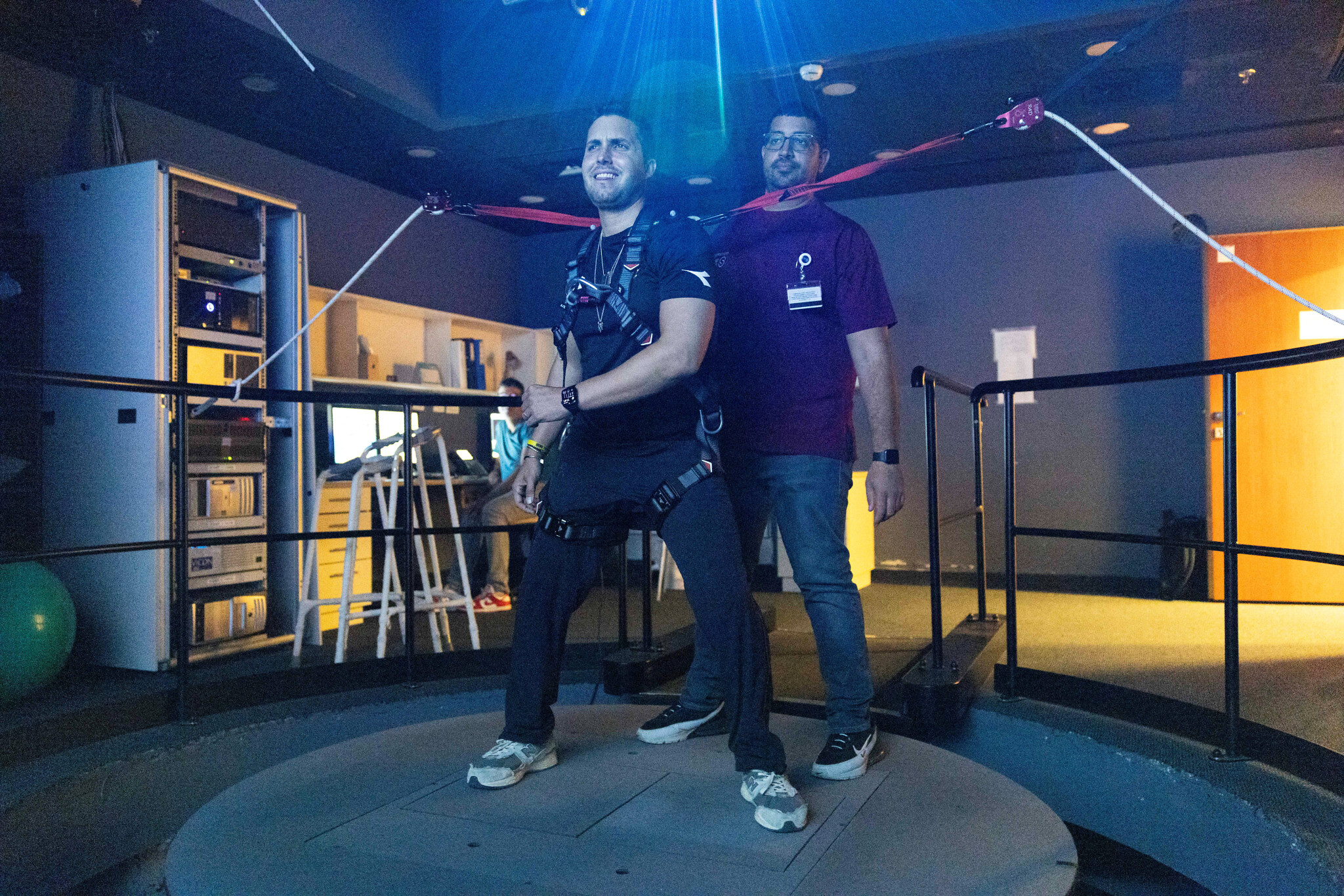
Just over a third are dealing with limb injuries, with the rest dealing with a variety of internal and spinal injuries, as well as eye, ear and head wounds that underscore the intense combat in Gaza.
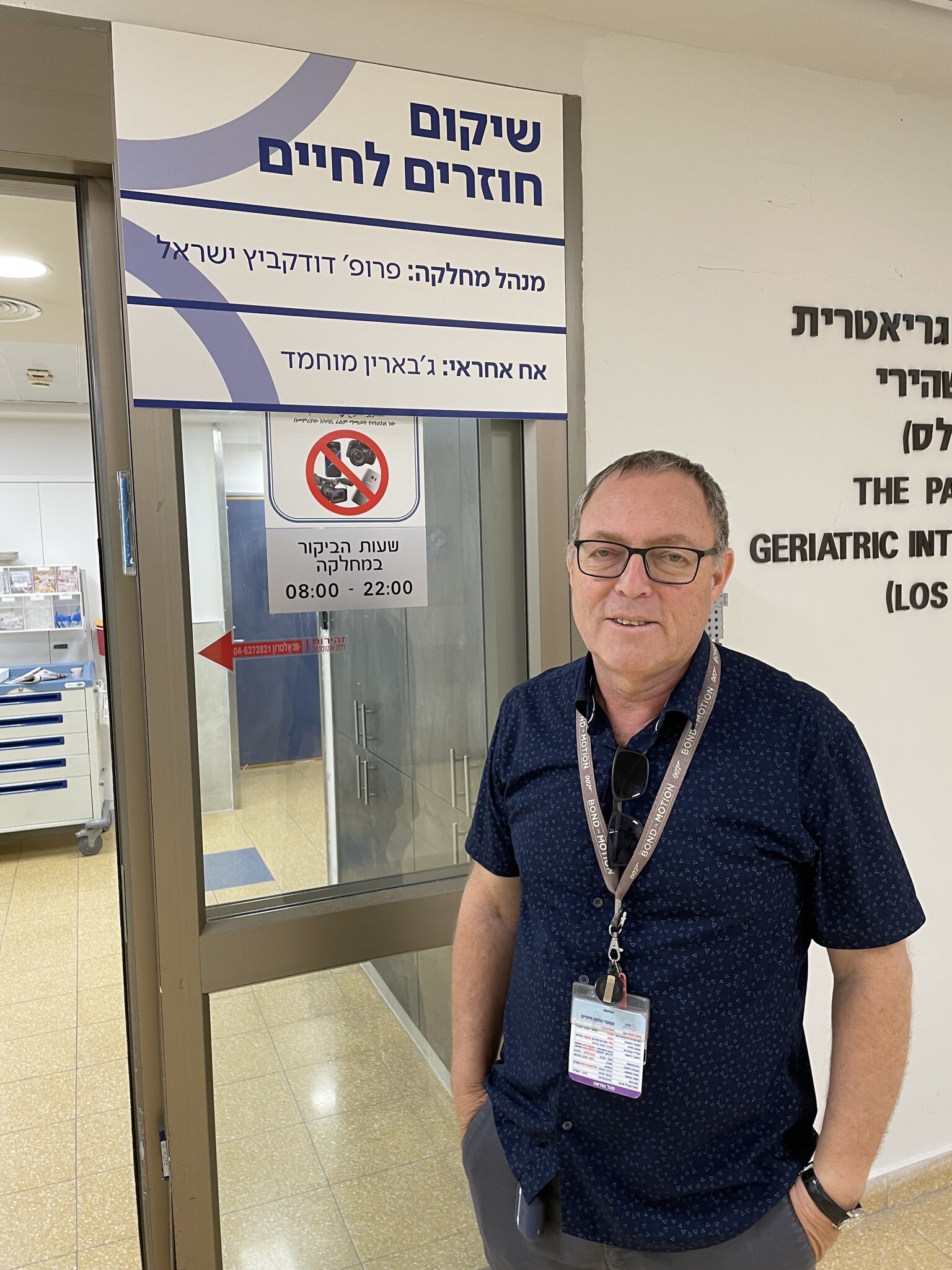
Israel Dudkiewicz, the doctor who runs the rehabilitation center at Sheba Medical Center, said the hospital understood on October 7 that it would need to expand to receive an influx of wounded patients. With around a quarter of its staff called up into the reserves themselves, the hospital added beds and opened three new wings to treat the injured.
“I can’t say it wasn’t challenging,” said Dudkiewicz. “But in the end, we were able to provide service.”
The care Israeli soldiers receive is a world away from conditions in Gaza, where the hospital system has been largely destroyed. But the impact of serious injuries on reservists, who will return to civilian life when the fighting is over, will be felt for many years.
Yosi Sochr, 34, was severely wounded when an explosive device was detonated remotely. Doctors are still not sure if he will ever regain full use of his left arm and shoulder, which were hit by a piece of shrapnel.
So far he can move his hand but not the rest of his arm.
“It was hard,” said the reservist in the hospital bed next to his wife. “I’m not a 20-year-old kid. I have a whole world around me — when I just disappear, it’s felt.”



The Times of Israel Community.