

Erdogan must heal divided Turkey after bitter referendum
But it’s unclear whether the strongman leader is interested in reconciliation following narrow win in divisive, contested vote
 Add ToI as a Preferred Source on Google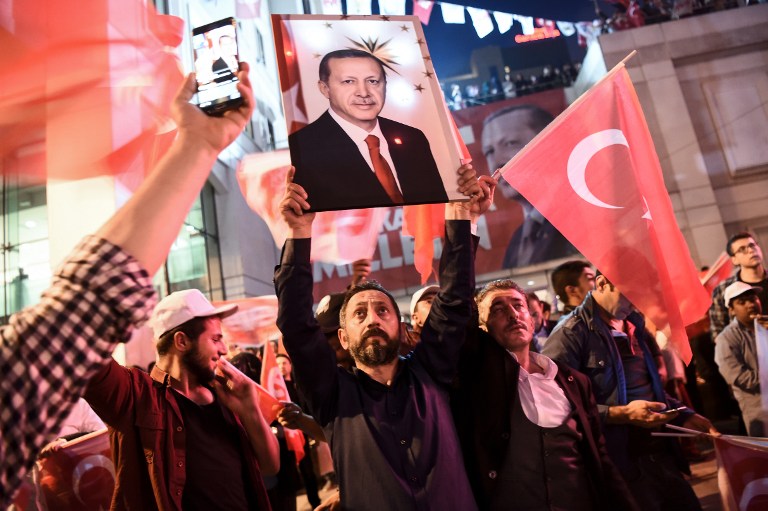
ANKARA, Turkey (AFP) — Turkish President Recep Tayyip Erdogan must heal a divided country after narrowly winning a contested referendum, but it is unclear whether he is interested in forging the compromises needed for reconciliation, analysts say.
After months of campaigning, with the ‘Yes’ side dominating the airwaves and posters on the streets, 51.41 percent of the electorate voted for an executive presidency, expanding Erdogan’s powers.
But some 48.59% on Sunday voted against, according to nearly complete results from election authorities.
The ‘No’ side was in front in 33 of Turkey’s 81 provinces, notably in major cities.
The campaign polarized the country. Erdogan railed against enemies abroad and traitors at home with his usual combative style, even accusing European countries of “Nazi practices” last month during the crisis in relations with the European Union.
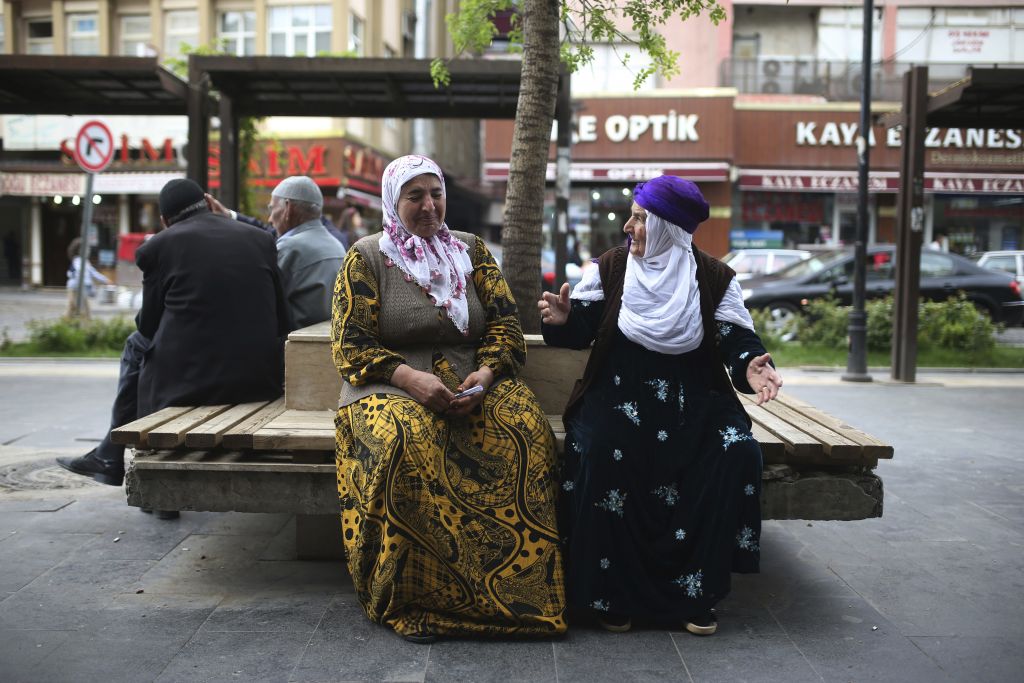
Videos shared online by pro-government journalists and social media users made comparisons between Kurdish separatists and former far-right nationalist party members voting for ‘No’, suggesting “terrorists” were against constitutional changes.
Prime Minister Binali Yildirim said at the ruling Justice and Development Party (AKP) headquarters on Sunday night said “no one’s heart should be broken” after the ‘Yes’ won.
“There are no losers in this referendum, the winner is Turkey, the winner is the dear people,” Yildirim told supporters.
But Erdogan ignored warnings from the EU over bringing back the death penalty and repeated he would approve any bill for its return and even could hold a referendum on the issue if necessary.
He urged “other countries and institutions to show respect to the decision of the nation”, and did not show a softening in his rhetoric against the West.
Meanwhile, two main opposition parties, the Republican People’s Party (CHP) and the Peoples’ Democratic Party (HDP) said they would challenge the result, alleging major violations.
Continue robust approach
Analysts agreed even with such a “razor-thin” mandate and opposition challenges, Erdogan would defiantly continue his style of politics.
“I don’t think Erdogan will change the robust and muscular approach to politics that he has adopted so far,” said Fadi Hakura of the British think-tank Chatham House.
“If anything, I suspect he will double down on his very hardline and tough and uncompromising style of politics.”
Aykan Erdemir, a former Turkish main opposition party lawmaker, said Erdogan would probably conclude that he should “entrench” and “strengthen his one-man rule machine”.
But Erdemir, a senior fellow at Washington-based Foundation for Defense of Democracies, noted that Erdogan was still unable to muster more than 51 percent of the vote, despite the advantages of the ‘Yes’ campaign plus the imprisonment of high-profile ‘No’ campaigners.
“He has to find new mechanisms” to consolidate his rule, Erdemir added.
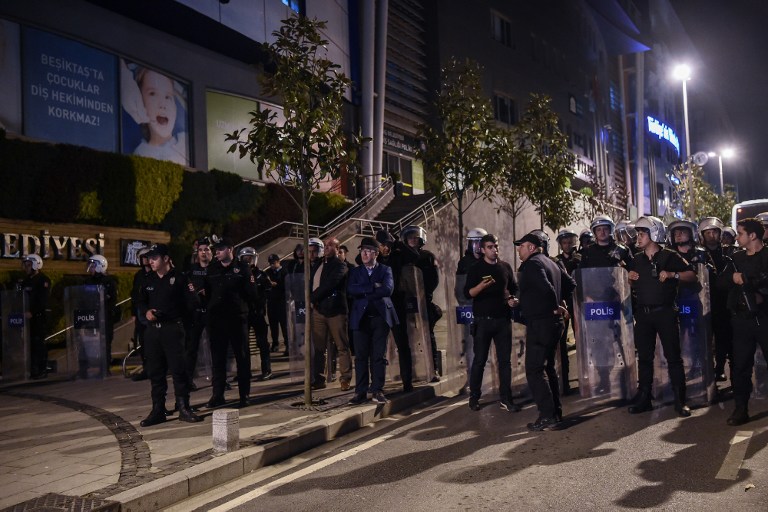
There will now also be intense attention over whether Erdogan moves to resume the peace process with Kurdish militants or works to try to simply destroy the outlawed Kurdistan Workers’ Party (PKK).
Lost political base
Pro-government Hurriyet daily columnist Abdulkadir Selvi wrote on Monday Turkish leaders were trying to “defuse the tensions” with their messages.
In the most significant blow to his authority of the referendum, Erdogan lost the support of the country’s biggest cities: Istanbul, Ankara and Izmir.
While the Aegean city of Izmir has often opted for the CHP, Erdogan has always seen Istanbul as his territory after serving as mayor in the mid-1990s.
“I would classify this as at best a Pyrrhic victory for him,” Hakura told AFP, adding Erdogan “lost the base of his support.”
“Beyond the political polarization, what we are seeing is an economic polarization,” Erdemir agreed.
“The AKP has been associated with economic dynamism, strong export growth. but now, all of those actors that are key to Turkey’s economic performance are skeptical about a centralized presidential system.”
The tight result is likely to raise questions for investors, whom the government has previously said were awaiting the result before putting funds back into to Turkey.
“The referendum result raises at least as many questions for investors as it provides answers,” Neil Shearing, chief emerging markets economist at of Capital Economics, said in a note to clients.
He said questions remained for investors over Erdogan’s behavior and whether the result pushes Erdogan towards more conciliatory policy positions, or whether it “accelerates the slide towards autocracy.”





The Times of Israel Community.