

Far-right member of Netanyahu’s coalition accuses him of being ‘part of the problem’
Both coalition and opposition chiefs are responsible for ‘the biggest failure in Israel’s history,’ says Religious Zionism MK Ohad Tal, calling for ‘new leadership’ after the war
 Add ToI as a Preferred Source on Google
Sam Sokol is a former political correspondent at The Times of Israel. He was previously a reporter for the Jerusalem Post, Jewish Telegraphic Agency and Haaretz. He is the author of "Putin’s Hybrid War and the Jews"
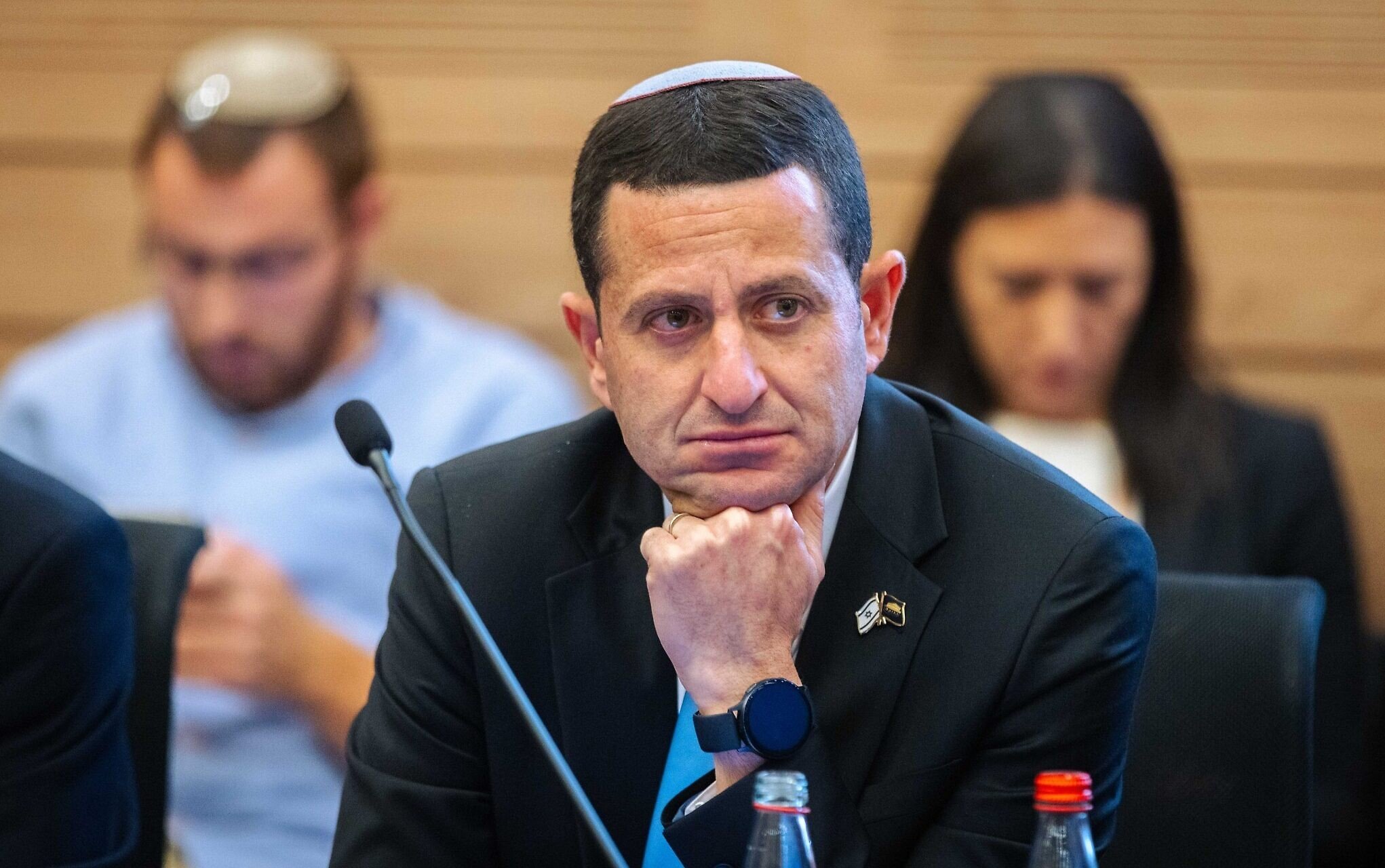
The heads of both the coalition and opposition are responsible for Israel’s current problems, and Israeli voters are likely to “demand a new leadership” after the war, a freshman lawmaker with the far-right Religious Zionism party told The Times of Israel this week.
Interviewed in his Knesset office on Monday, MK Ohad Tal argued that those who served as prime minister, defense minister or IDF chief of staff over the course of the last decade — “including Netanyahu, of course” — contributed to “the biggest failure in Israel’s history.”
“I’m not sure that Netanyahu is the only problem,” he said. “I think today the current leadership, all of the current leadership, is a problem. I think Yair Lapid is part of the problem. I think Benny Gantz is part of the problem. I think Netanyahu is part of the problem.”
He claimed this does not include current Finance Minister chairman Bezalel Smotrich, the chairman of the Religious Zionism party, who “was not involved” in setting national security policy and whom Tal believes bears no responsibility for the “collapse of all the perceptions of security.”
A former deputy director of World Mizrachi and secretary general of World Bnei Akiva, Tal was elected to the Knesset as part of the Religious Zionism slate in 2022.
He currently serves as the chairman of the Committee on Public Projects, as well as the chair of the Caucus for Strengthening Awareness of the Israeli Victory, a far-right parliamentary bloc that advocates for total Palestinian surrender.
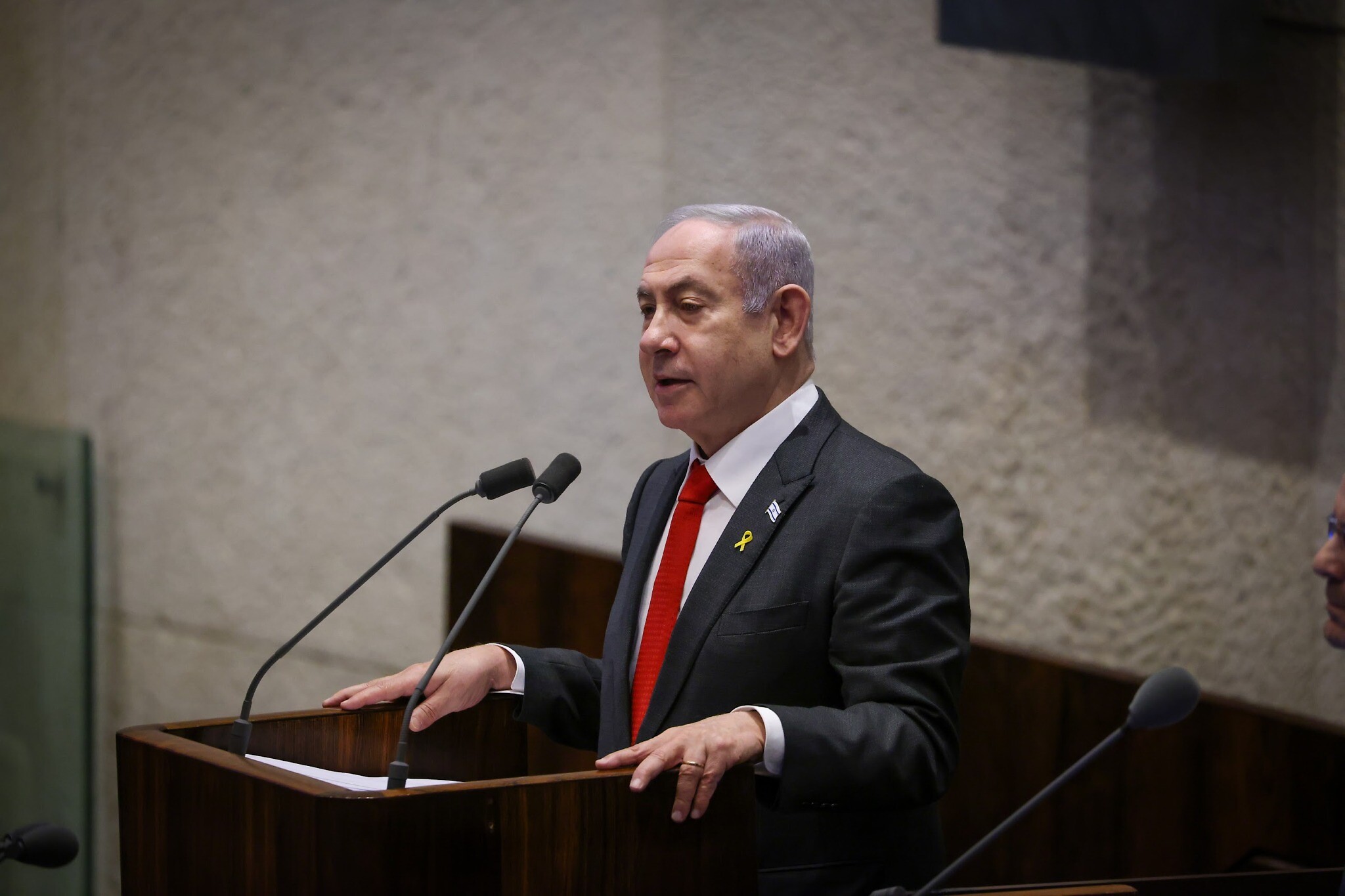
Asked about Yisrael Beytenu chairman Avigdor Liberman’s recent statement that if the right-wing camp wants to stay in power, the only way was to find new leadership, Tal said that “everyone understands” that winning the war will take time.
However, “a lot of people in Likud and other parties, including in the opposition, [also] understand that the current leadership cannot be the one to lead this country in the next few years,” he added, castigating politicians on both sides for being “busier with fighting than trying to really listen to the people.”
“So I think we will see big changes in Israeli politics in the next few years,” he predicted.
Following the October 7 onslaught, trust in the government dropped to what the Israel Democracy Institute said was a 20-year low. According to a survey released by the Jerusalem-based think tank last month, more than two-thirds of Israelis believe that elections should be called as soon as the war against Hamas is concluded.
If elections were held today, some three and a half months into the war against Hamas in Gaza, Minister Benny Gantz’s National Unity would be well-placed to form a coalition, ousting Benjamin Netanyahu, according to a poll published Sunday.
“The war proved in the most profound way that at the end of the day, people could fight with each other but are willing a second later to give their lives for each other,” Tal stated.
The reality is that Israelis “are willing to compromise and we want to find a way to live together much more than we like to fight. It doesn’t mean that we will lose our opinions,” he said.
“When I talk about the new level of unity, we are not [saying] ‘let’s cancel all debates that we have.’ We’re Jews. We had fights in the past and we have [them] in the present and we’ll have in the future for sure,” Tal added. “But I think that most people would not be willing to allow the media, the politicians, the people with agendas to win and to bring us back to the same place where we were on October 6.”




The Times of Israel Community.