

Former top cop says he would have resigned if Meron tragedy happened under his watch
Roni Alsheich also says over two years without permanent commissioner, three years without national budget left police weakened, unable to deal with challenges
 Add ToI as a Preferred Source on Google
Michael Horovitz is a breaking news editor at The Times of Israel
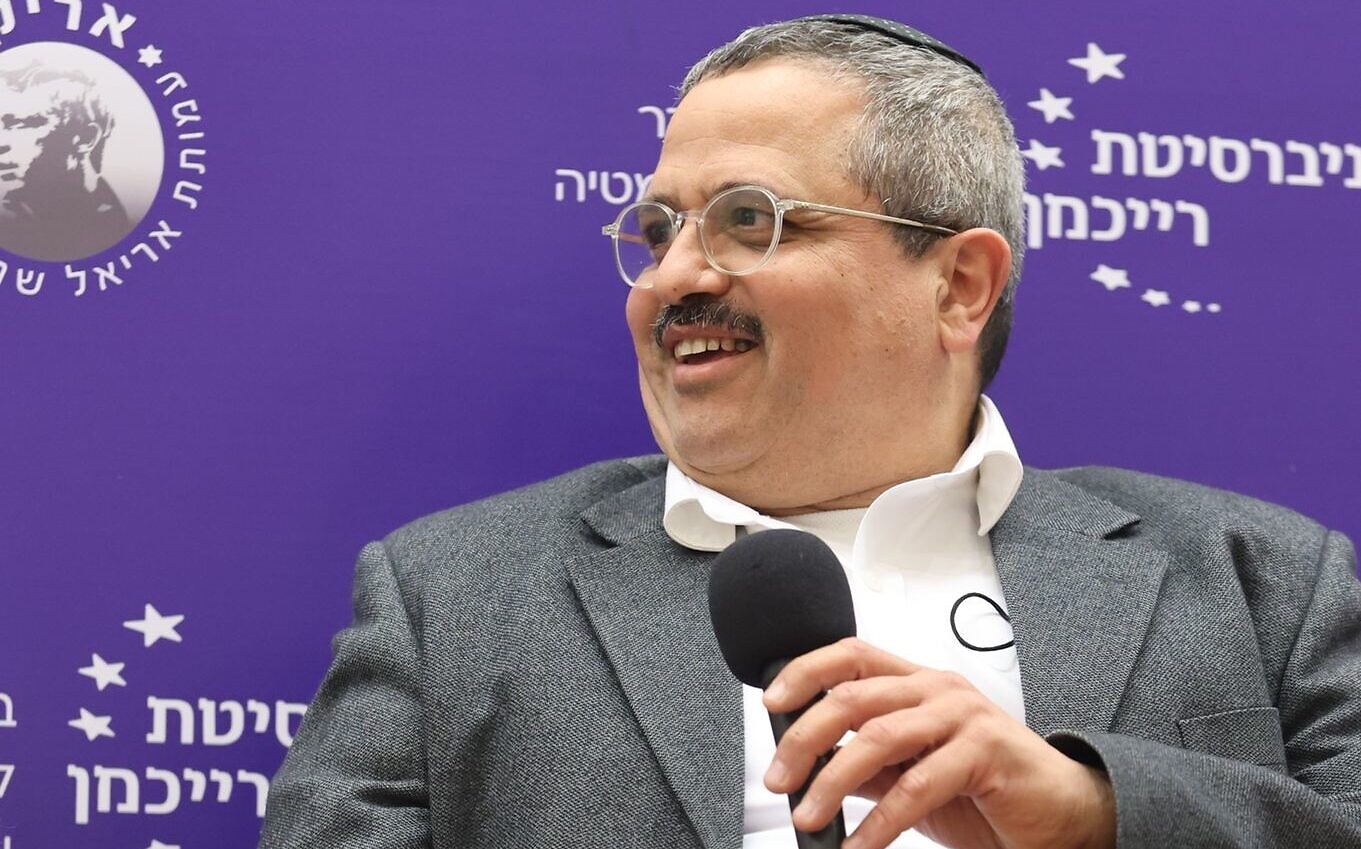
Former police chief Roni Alsheich said on Thursday that he would have resigned from his position if the Mount Meron disaster had occurred during his term in charge, and warned that the police had been left in a weakened state during years of political deadlock.
During an interview with Channel 12, Alsheich, who served as police commissioner from 2015 to 2018, took a swipe at his successor Kobi Shabtai and charged that the tragic crush — which left 45 people dead and more than 150 injured — would have likely not have occurred under his term as police commissioner or those before him, but said he would have “unequivocally” resigned if it had.
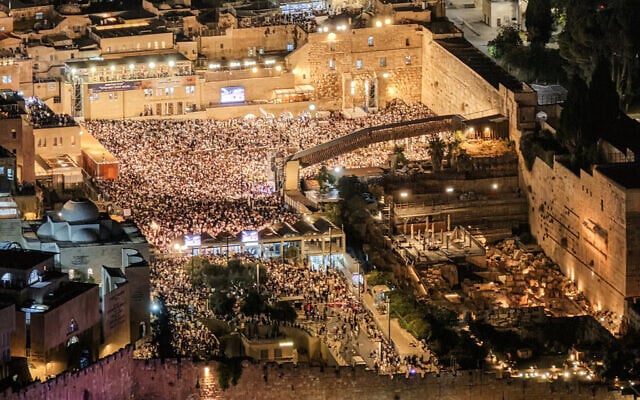
Mount Meron, the site of the grave of second-century sage Rabbi Shimon Bar Yochai, is traditionally visited by thousands of mainly ultra-Orthodox worshipers on the anniversary of his death during the holiday of Lag B’Omer, several weeks after Passover. The Meron tragedy occurred on April 30, 2021, when thousands of celebrants streamed down a narrow walkway. Some people fell on the walkway and down a flight of stairs at its end, toppling onto those below and precipitating a fatal crushing domino effect, Israel’s worst civilian disaster.
While then-Northern District police chief Shimon Lavi resigned in July, accepting responsibility for the disaster, Shabtai has remained in his position, despite an inquest finding him potentially partly responsible for the tragedy.
Alsheich lamented that the police is currently “not at its peak,” and argued that the service was weakened after it was left without a permanent commissioner for two years following the end of his term, while also being left without a national budget for more than three years.
This neglect, he charged, ultimately increased the likelihood of a tragedy at Mount Meron. Alsheich pointed the finger at Gilad Erdan, now Israel’s ambassador to the UN, who served as public security minister during his time as commissioner, for not appointing a permanent chief after his term had ended.

“In the end, it ends up on his desk. If he had put forward an appointment in time, it would have passed and created a succession,” Alsheich said and noted that the “basic weakness” of the position was that the duration of its term, three years, is too short.
Alsheich called the period without a permanent police chief — in which two acting commissioners served — a “destructive process.”
“It’s hard to explain all the consequences,” he said. Alsheich described the situation in the police as “like going to war in Syria with brigadier generals around the table of the General Staff,” describing the lack of permanent senior appointments in the service.
Around the time Alsheich’s term ended, new elections were called, leading to an extended period of instability that saw three elections over the course of a year. The appointment of Shabtai, then-prime minister Benjamin Netanyahu’s pick for a permanent chief in 2020, was held up by disagreements between his Likud party and Defense Minister Benny Gantz’s Blue and White party.
During the interview, Alsheich also panned a proposal by Religious Zionism chair Bezalel Smotrich to weaken the judicial authority, which if enacted, could lead to the termination of Netanyahu’s criminal trial. Alsheich served as police commissioner and was a key figure in the criminal probe of Netanyahu that led to his indictment.
“Every morning I pray that religiously observant people will stop focusing on being the protective wall of public corruption. This in my eyes is an inappropriate thing that hurts me on a personal level,” he said.
Times of Israel staff contributed to this report.









The Times of Israel Community.