

Gulf ambassadors skipped Foreign Ministry ‘iftar’ to send message – European official
Diplomat says absence of UAE and Bahrain envoys during recent dinner event was intentional, as Israel’s ties with Arab allies have yet to stabilize under Netanyahu government
 Add ToI as a Preferred Source on Google
Lazar Berman is The Times of Israel's diplomatic reporter
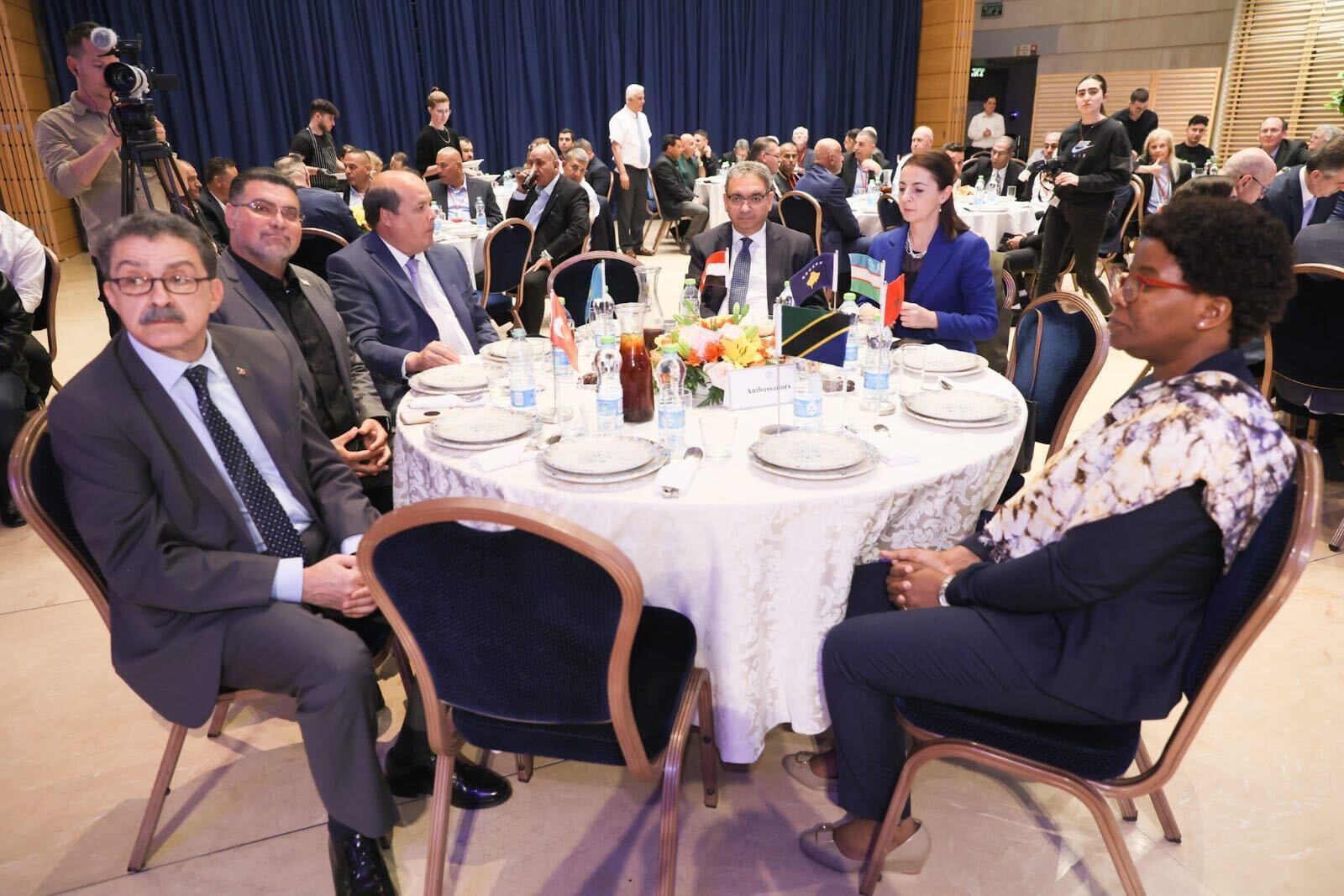
Ambassadors from Israel’s Gulf allies avoided an iftar dinner hosted by the Foreign Ministry in April to send a message to Jerusalem, a European diplomat told The Times of Israel on Wednesday.
On April 2, the Foreign Ministry hosted the dinner for Muslim-country diplomats serving in Israel. Envoys from Turkey and Egypt joined Foreign Minister Eli Cohen and Director General Ronen Levy to end that day’s Ramadan fast, as did Abderrahim Beyyoudh, head of Morocco’s liaison office in Israel.
But Bahraini Ambassador Khaled Yousif al-Jalahma and UAE Ambassador Mohamed Al Khaja stayed away, telling the Foreign Ministry they were otherwise occupied.
The absence wouldn’t have been especially remarkable, but recent times have seen a parade of discouraging developments in the state of the public relationship between Israel and its Gulf partners. There have been no high-level visits in either direction, and the two Gulf countries – the UAE especially – have repeatedly and openly condemned Israeli leaders and policies under the new government.
Moreover, the latest iteration of the Negev Summit, which was originally supposed to take place in March in Morocco, did not occur.
“It is frozen for now,” said the diplomat, despite the fact that Ramadan, which was previously pointed to by officials as a reason for skittishness around holding the summit, is over.
The data also shows a worrying and unmistakable trend: As time goes on, the Abraham Accords are becoming less popular on the streets of Israel’s new allies.
Washington Institute polling showed 45% of Bahrainis holding very or somewhat positive views of the agreements in November 2020. That support had steadily eroded to a paltry 20% by March of this year.
The trend is the same in the UAE. The 49% of the country that disapproved of the Abraham Accords in 2020 had grown to over two-thirds as of last month. And only 31% of Moroccans favor normalization, according to Arab Barometer.
At the same time, those who want to focus on the positive developments have plenty to point at. In March, UAE-Israel economic ties took an important step forward as the two sides signed the final, and most important, component of a free trade agreement (albeit without an Emirati minister present).
Days later, the two countries finalized a deal granting mutual recognition to their citizens’ driver’s licenses.
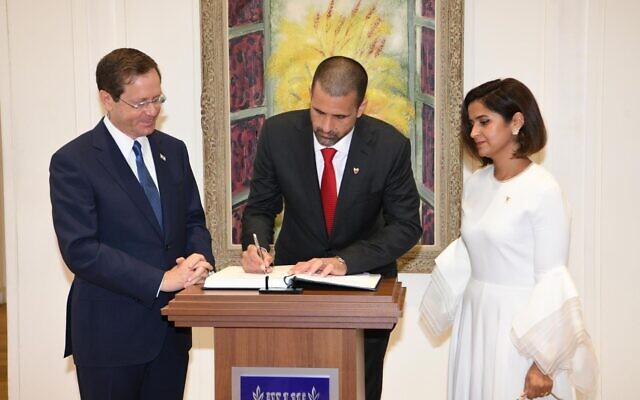
Ambassador Khaja also openly participated in President Isaac Herzog’s Independence Day reception in Jerusalem, and tweeted photos from the event afterward.
השתתפנו היום בחגיגות יום העצמאות של מדינת ישראל בבית הנשיא.
תודה על האירוח @Isaac_Herzog, נעים להיות בין חברים ועמיתים.
יום העצמאות שמח! #Israel75 pic.twitter.com/bDxS2tbr79— Mohamed Al Khaja (@AmbAlKhaja) April 26, 2023
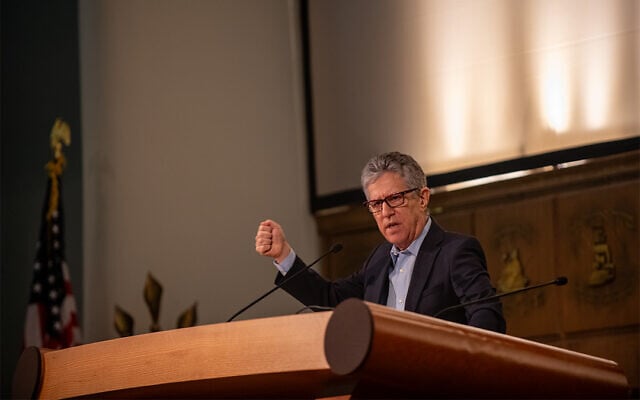
“There’s still been a lot of forward movement since Israel’s new right-wing government entered office,” said John Hannah, senior fellow at the Jewish Institute for National Security of America and former national security adviser to US vice president Dick Cheney.
He pointed to the January virtual meeting of the US, Israeli, Bahraini and Emirati national security advisers, who issued a joint statement committing all sides to continue deepening relations. Both the IDF chief of staff and a Knesset delegation visited Bahrain.
“The Israeli navy openly participated not only with the navies of Morocco, Bahrain, the UAE, Egypt and Jordan in Centcom’s International Maritime Exercise 2023, but even with those from many Arab countries that Israel hasn’t yet normalized relations with, including Saudi Arabia, Qatar, Oman, Tunisia, and Lebanon,” Hannah continued.
“No one is pulling out of the Abraham Accords,” said Joshua Krasna, director of the Center for Emerging Energy Politics in the Middle East. “It’s a strategic choice they made, each one for slightly different reasons. That strategic logic hasn’t changed.”
An Israeli diplomat involved in the Abraham Accords insisted the condemnations were the natural consequences of positive trends.
“There’s more criticism because they’re paying attention,” he said. “We’re there now, they hear us more, we hear them more.”
He added that the Accords took many officials on all sides by surprise, and it will take time until everyone understands how to work with each other.





The Times of Israel Community.