

Health and social workers, teachers stop work to protest violence
Clinics and high schools across the country closed from 8 to 10 a.m., a day after a nurse was burned to death by a patient in Holon
 Add ToI as a Preferred Source on Google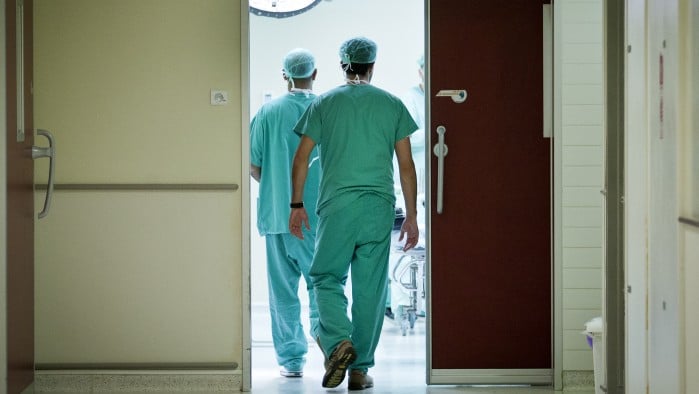
Much of Israel’s health care, education and social work systems were shut down Wednesday morning in protest of recent acts of violence directed at staff.
The Israel Medical Association said health care providers across the country would halt work between 8 a.m. to 10 a.m, a day after Tova Kararo, a nurse at an HMO clinic in the central city of Holon, was set on fire and killed by a disgruntled patient.
Emergency operations and life-saving treatments will not be disturbed.
The National Teachers Union, which represents Israel’s high school teachers, announced that it too would strike during those hours, over rising violence against educators.
The Social Workers’ Union said it would strike between 10 a.m. and 12 p.m. over similar concerns.
Medical Association head Dr. Leonid Eidelman said the killing of the nurse was “at the end of a sequence of violent acts that we as medical workers experience every day, whether verbal abuse or physical violence.”
Nurses’ Union chair Ilana Cohen told Channel 2 news that medical staff throughout the country have warned of violence for years “and nothing is done.” She warned attacks would continue “until there are substantial punishments” to offenders.
The Knesset was set to hold an emergency session on the violence at 9 a.m., and demonstrations by medical staff were expected in seven major hospitals throughout the country.
At the Wolfson Medical Center in Holon, staffers stood for a moment of silence in memory of Kararo, the nurse who was killed at a clinic in the city.
Health care officials on Tuesday sounded the alarm on violence against doctors and others by angry patients and family members, which they say is a chronic issue in Israel.
Attacks on staff in hospitals and health clinics have increased dramatically in the past few years, with family members attacking or cursing staff and causing disruptions in wards.
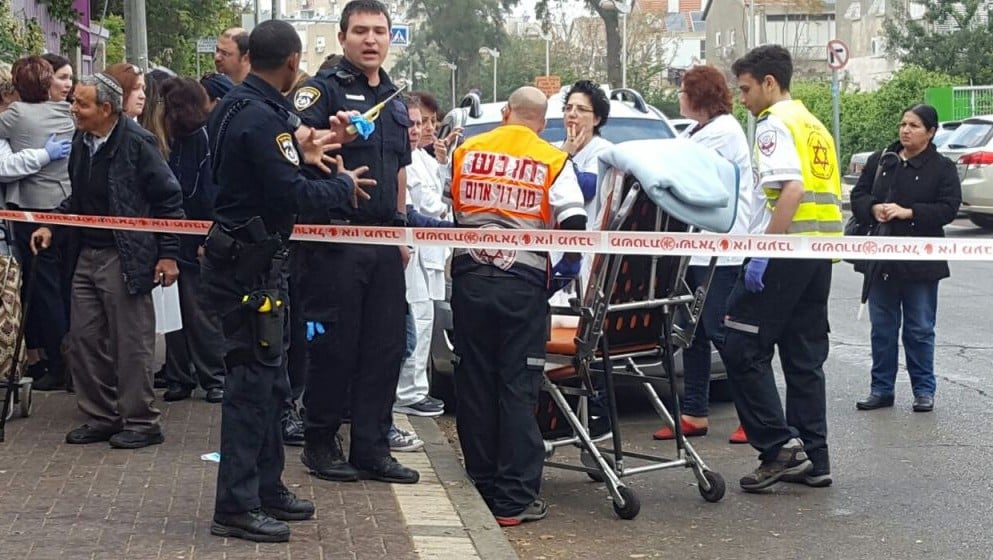
Kararo was doused with flammable material and set on fire by a patient on Tuesday morning. She was pronounced dead at the scene by emergency workers.

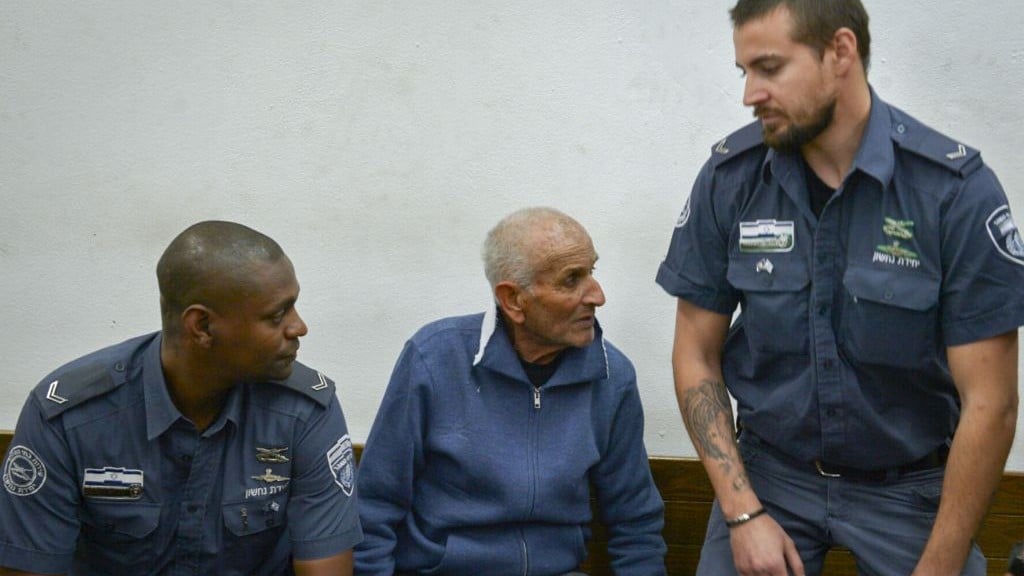
The patient suspected of killing her is Asher Faraj, 78, a mentally ill Holocaust survivor who resides in Holon.
He fled in his car but was caught by police at the city’s exit after a chase.
Police believe he was dissatisfied with the treatment he had received.
After being caught, he reportedly said, “I didn’t want to harm anyone — only to throw a burning bottle.”
He was remanded in custody for eight days on Wednesday morning.
“Everyone was shocked today by the murder,” said a Health Ministry spokesperson, “but the writing was already on the wall. Attacks against medical teams is something that happens too frequently, and we cannot let it pass in silence.”
Health Minister Yaakov Litzman said he was “shocked” by the incident.
According to official government figures, there were 3,000 reported cases of violence or abuse against health personnel in hospitals, clinics and emergency services between 2014 and 2016.
Approximately 75 percent of those attacks were verbal abuse. A quarter of the attacks were physical attacks against medical staff or their security. Three-quarters of the attacks took place in hospitals, especially in emergency rooms.
In almost one-quarter of the cases the victims filed complaints with the police.








The Times of Israel Community.