

In Sderot and Ofakim, Israelis put aside traumas to take care of neighbors in need
A grassroots effort is underway to help those who chose to stay despite the murderous terrorist incursion and relentless rocket fire
 Add ToI as a Preferred Source on Google
Canaan Lidor is a former Jewish World reporter at The Times of Israel
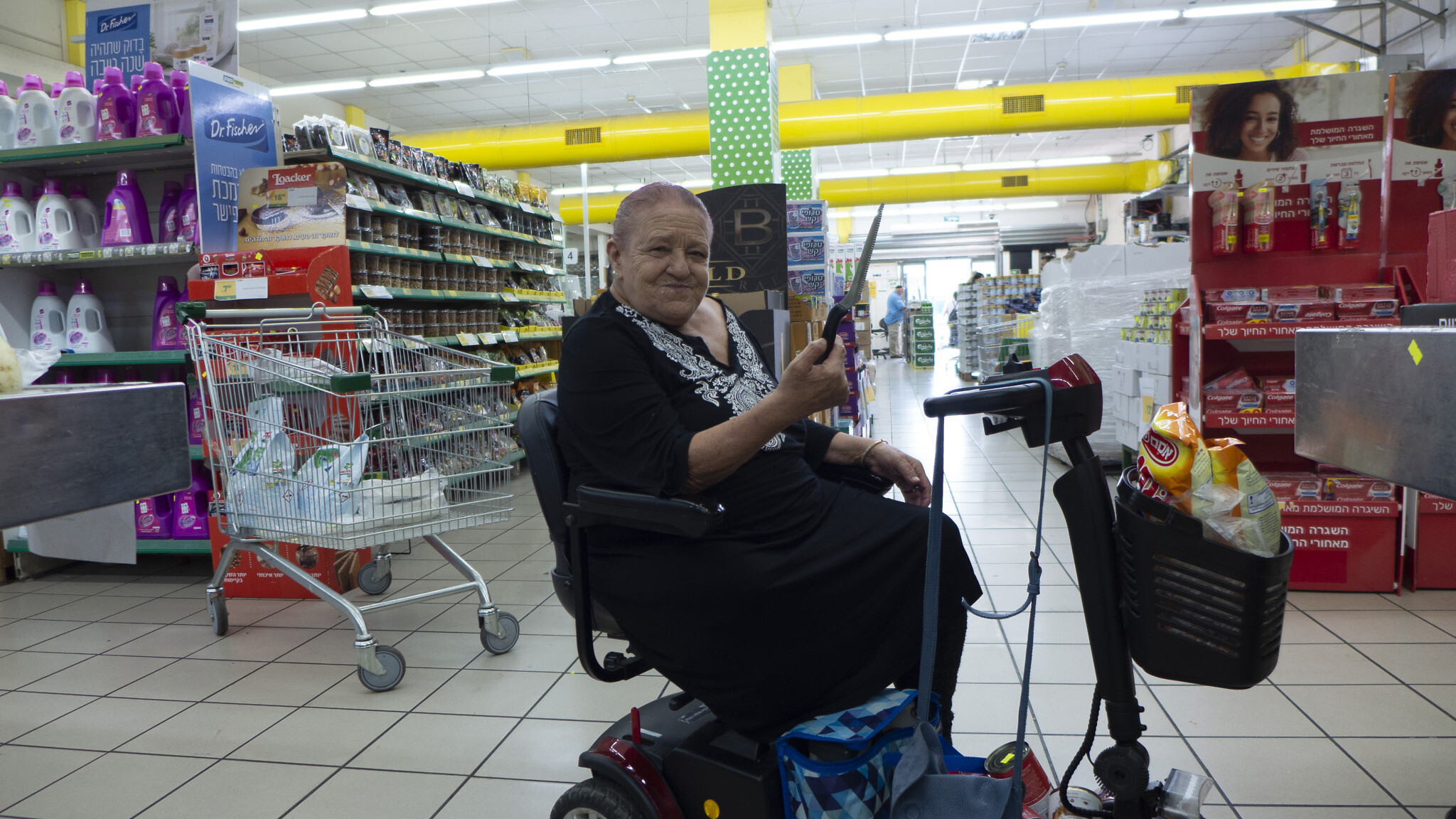
After three days of staying indoors for fear of terrorists and rockets, Batsheva Dahan finally ventured outside her assisted-living facility in Ofakim, a city where Hamas gunmen had killed 40 people Saturday.
Dahan, a 69-year-old whose leg was amputated several years ago because of a medical complication, has “almost everything” she needs at the facility, she said. But Dahan, who has no children, depends on her nephews and nieces for two things: company and cat food for the 10 strays she feeds in the facility’s yard.
She was in need of both so on Wednesday, Dahan got on her mobility scooter and headed to the local supermarket, situated in a commercial center where all nonessential shops were closed. She did not leave unarmed. Dahan took in the carry basket of her scooter the biggest knife she had: A black handle serrated breadknife.
“I might die, but maybe I can take one with me. Then that’d be alright,” she told The Time of Israel at the supermarket.
Dahan’s vigilance, resilience and fighting spirit are characteristic of the residents of impoverished communities in the Western Negev region, whose members found themselves at the heart of a conflict of an unprecedented intensity that’s overwhelming welfare services and other civilian infrastructure providers.
Shortly after Dahan left the supermarket, a siren wailed, sending all the shoppers into a sheltered area. “Enough, finish them off already!” a local resident cried out in anger to no one in particular about Hamas, or possibly Gaza in general. Talk of turning it “into a parking lot” is common around the border area, where Israelis are still coming to terms with the scale of Saturday’s massacres.
At least 1,300 Israelis were murdered in the terrorist attack, in which about 2,000 gunmen crossed the border and slaughtered children, women and men indiscriminately in towns and cities. Locals for years have lived under fire from Hamas rockets but had never even imagined suffering the extreme cruelty of its jihadists.
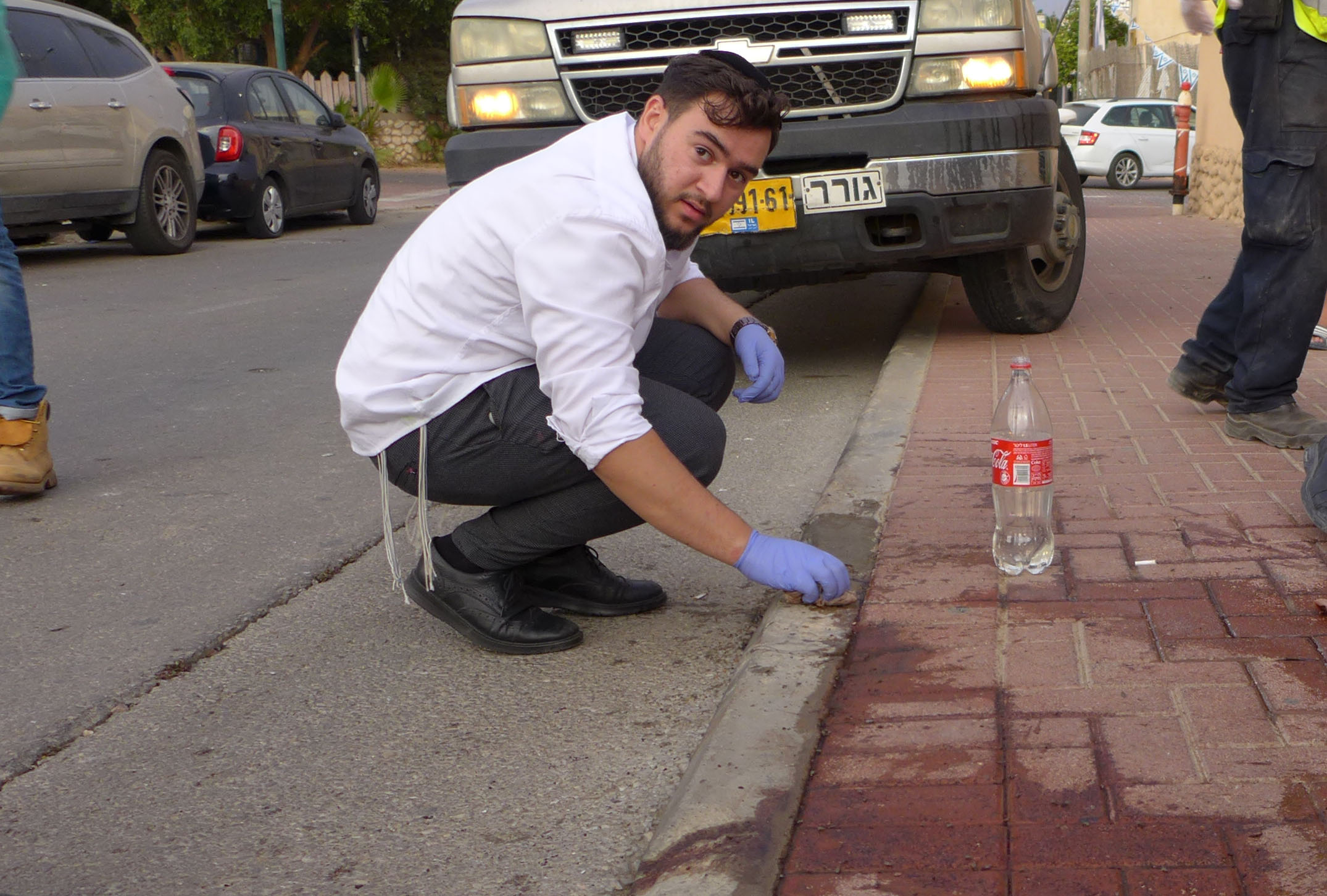
The terrorists who raided Sderot, a city of 30,000 residents, butchered dozens of senior citizens at a bus stop. The victims were wearing their best clothes as they waited to board a bus to the Dead Sea, where they were going on an organized trip. The bus stop became a horrific killing ground. Those who waited in it for shade died on the spot, some falling atop their slain companions, their blood pooling together. Whoever tried to escape was hunted down on the street and in the pathways that separate the area’s many projects.
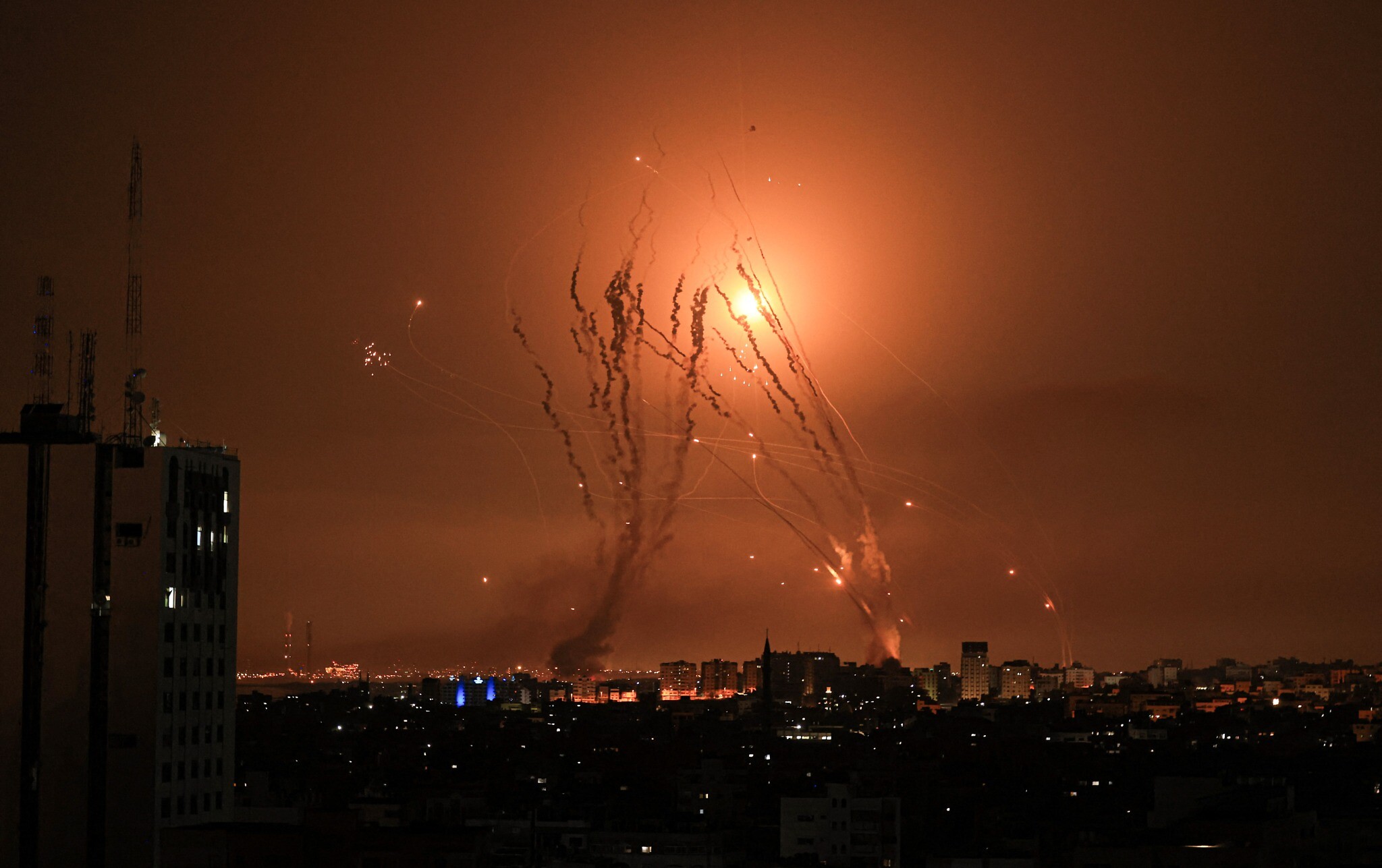
The Israel Defense Forces for days worked to clear all the affected areas of terrorists who had come there to murder and then fight to the death. Other terrorists used the chaotic conditions to carry out fresh attacks, sending tens of thousands of people into self-confinement. The IDF has been carrying out airstrikes and firing artillery since Saturday. So far, at least 1,500 Gazans have died.
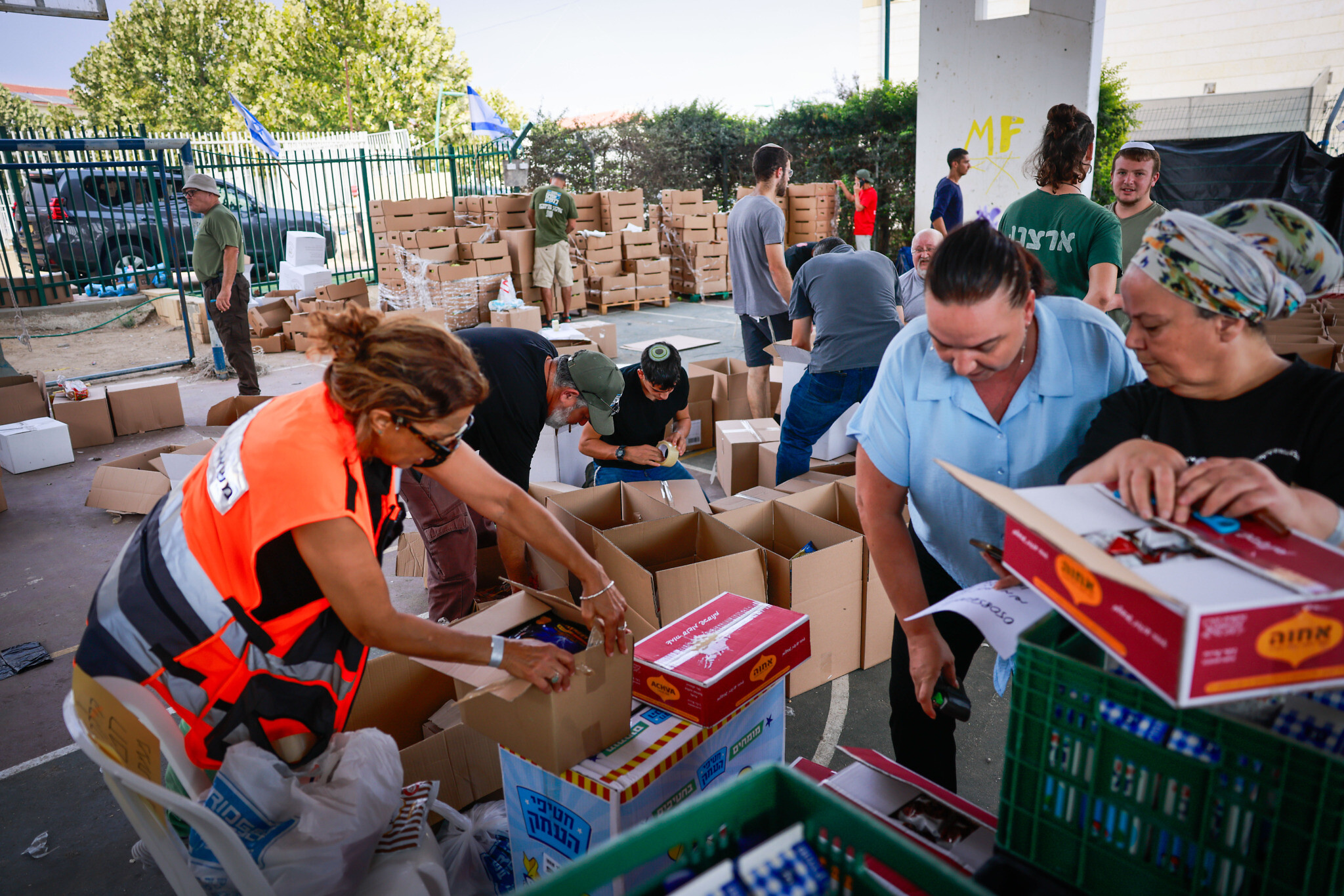
Elderly people in the cities of the Western Negev have been cut off from visits by relatives for nearly a week. They depend on overwhelmed municipal workers for aid and on rank-and-file members of a community where family and charity are a way of life.
One of the locals taking care of elderly people left behind is Reuven Pesachov. He headed to the Sderot home of his grandmother to make sure she was safely in her bomb shelter on Saturday morning as soon as he heard alarms. Like most of the residents of the cities near the Gaza Strip, he never imagined a scenario that Hamas would invade into Israel.
On a street near his grandmother’s, he saw terrorists kill 15 people trying to enter a locked shelter. He opened fire from a handgun but had only 15 bullets, he said. Then he carried a wounded 10-year-old and ran to hide in a building as bullets whistled over his head.
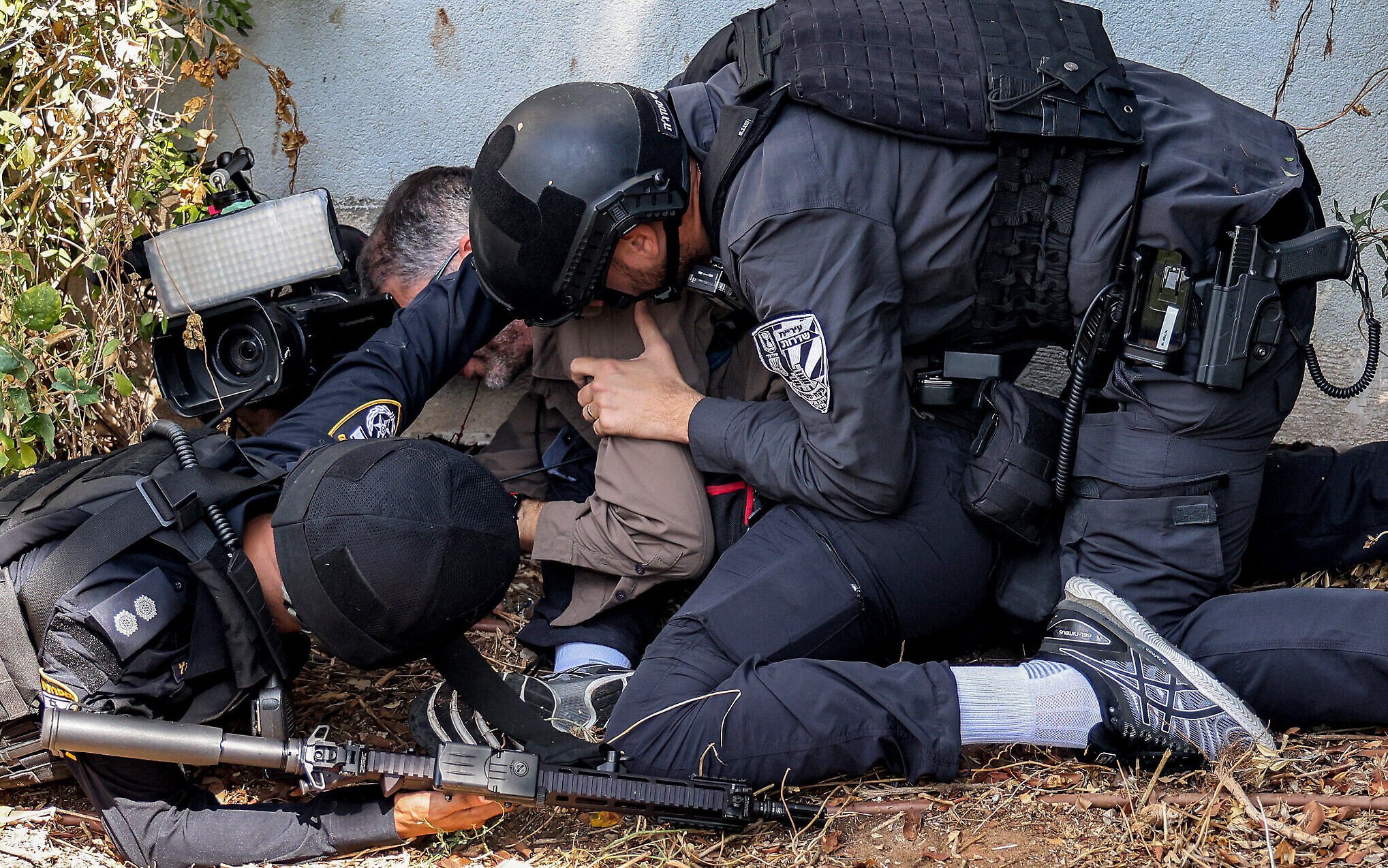
Two hours later, he joined fighters whom he heard speaking Hebrew as they cleared houses. “We started going door-to-door to evacuate wounded people and clearing them from terrorists,” he recalled. Pesachov has been delivering food to disabled and needy residents ever since, making rounds in between rocket alarms. “God gifted me life twice,” he said of his escape. “This is my city, I live here, and here I will stay, helping those who stay with me,” he added.
In Ofakim, south of Sderot, most of the day-to-day needs of Batsheva Dahan are met by the staff of her assisted living facility. But nobody has come to visit in nearly a week, said Dahan. “I’m not too lonely, though I have the cats,” she added.
Her mother, who immigrated to Israel from Morocco when Dahan was seven, died 10 years later, leaving 17-year-old Batsheva’s ailing father alone with 12 children, most of them younger than her. She assumed the household duties of her late mother. “It’s why I never had children, I was too busy raising my brothers and sisters,” Dahan said.
Her many nieces and nephews visit regularly. But not in the days following the terrorist attacks, when Ofakim went into voluntary lockdown amid fears that terrorists were holed up in one or more additional houses.
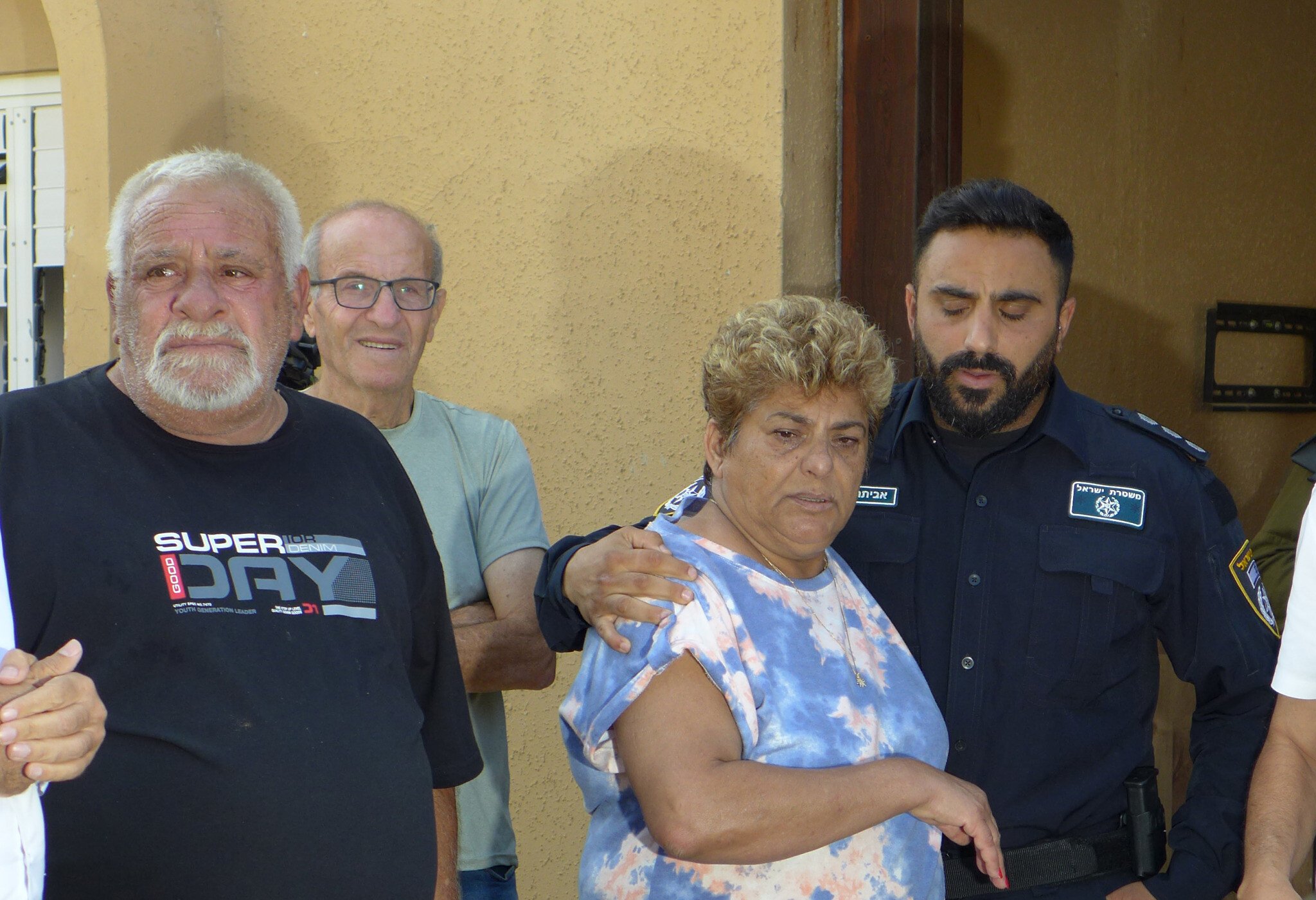
This happened at the home of Rachel and David Edery, whose survival as hostages in their own home was widely covered by the media in Israel and beyond and has turned them into local heroes, along with the two police officers who died courageously trying to rescue the couple. Armed only with handguns, the officers died in the yard at the hands of the five terrorists, who shot them with semi-automatic assault rifles.
Rachel especially is cherished for her resourceful handling of the five hostage takers, whom she fed, distracted and befriended to stay alive during a 15-hour standoff with police. The second that SWAT fighters broke into their home, David, whose silent demeanor contrasts with his wife’s bubbly personality, leaped on her to shield her body with his own from bullets and shrapnel.
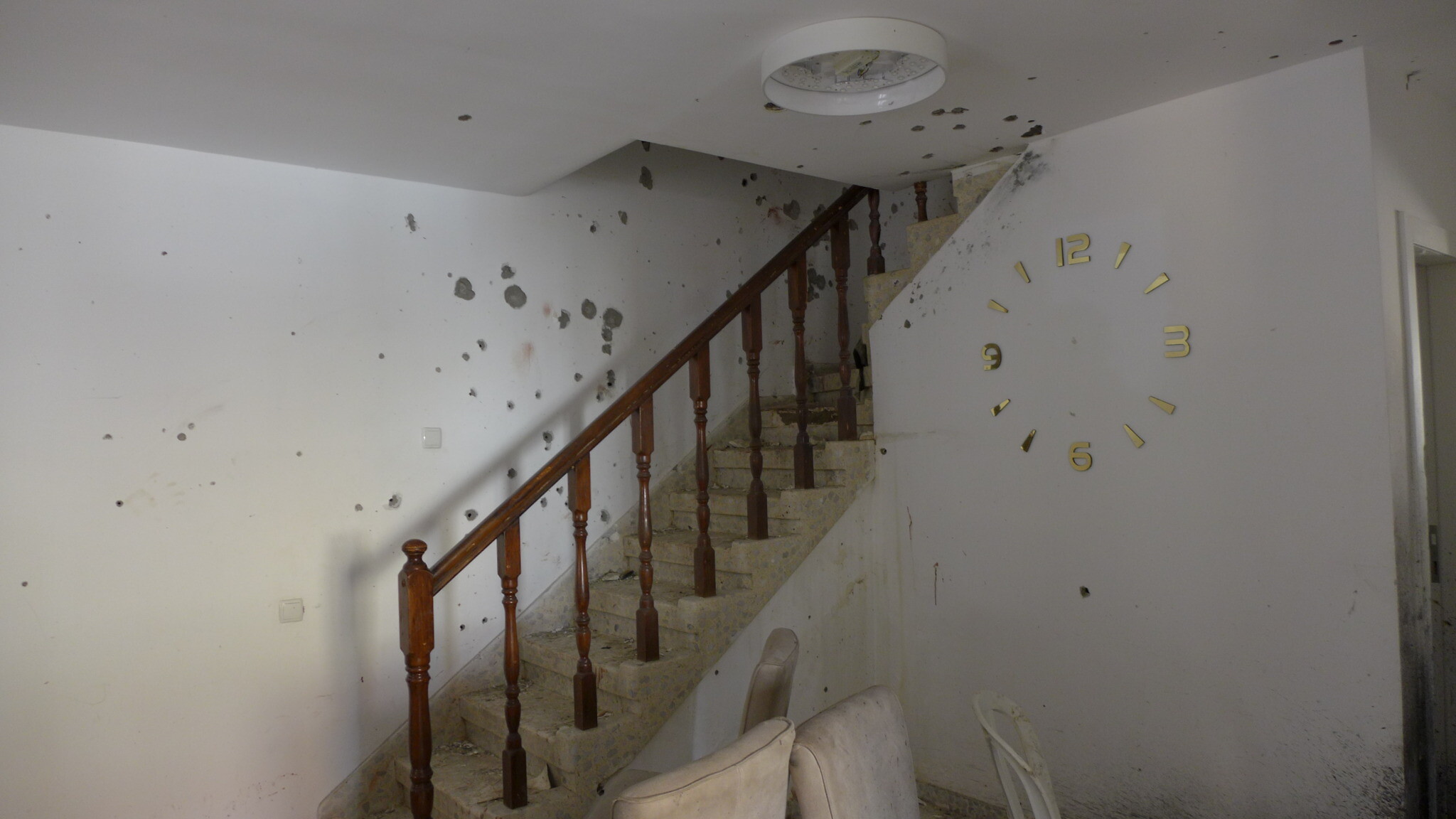
On Wednesday, the couple returned to their home for the first time after their rescue. The walls were blackened and riddled with bullets from explosions caused by exchanges of fire between SWAT fighters and the terrorists. The stench of rotting blood from the terrorists’ bodies hung in the air and wafted up from the floors, where it mixed with water from a busted pipe. Upstairs, flies feasted on a dish of rice that Rachel had served the terrorists, but which was left mostly uneaten.
“There’s nothing to return to, just the sights of death,” Rachel Edery said. She had come only to pay respects to the officers who died trying to rescue her, she said, and to receive a visit to her home by the British foreign secretary, James Cleverly. She recounted her survival story, recalling how she signaled to security forces she knew were watching through the window that there were five hostiles inside.

Rachel Edery’s common-sense resourcefulness and resorting to her natural hospitality resonated with her fellow residents of Ofakim, where few families can match the credentials of their neighbors from the area’s kibbutzim, with their tradition of pioneering and disproportionate attendance in top army units. “She just used what she had,” Dahan said proudly of Rachel Edery. “Her cooking, her natural grace and her wits.”
Most of the elderly people in Sderot who depend on aid have left, according to Efrat Uzan, who works for a private care facility for elderly people in Sderot. “Those who stayed have declined to leave, often despite pleas by relatives who want to host them,” she said.
The defense ministry has earmarked NIS 137 million ($34 million) for housing for some 8,000 people who live within four kilometers (2.5 miles) of the border with Gaza, a radius that includes Sderot. The evacuees are mostly needy and elderly people.
Back in Ofakim, Peretz Greenberg, 48, a middle school teacher who is totally blind, is staying put in his neighborhood of Ramat Shaked despite pleas by some of his relatives to leave until the rockets stop.
“It took me years to study the contours of this flat, I’m not eager to become a prisoner in another, where I would depend on someone just to go to the bathroom,” Greenberg told The Times of Israel.
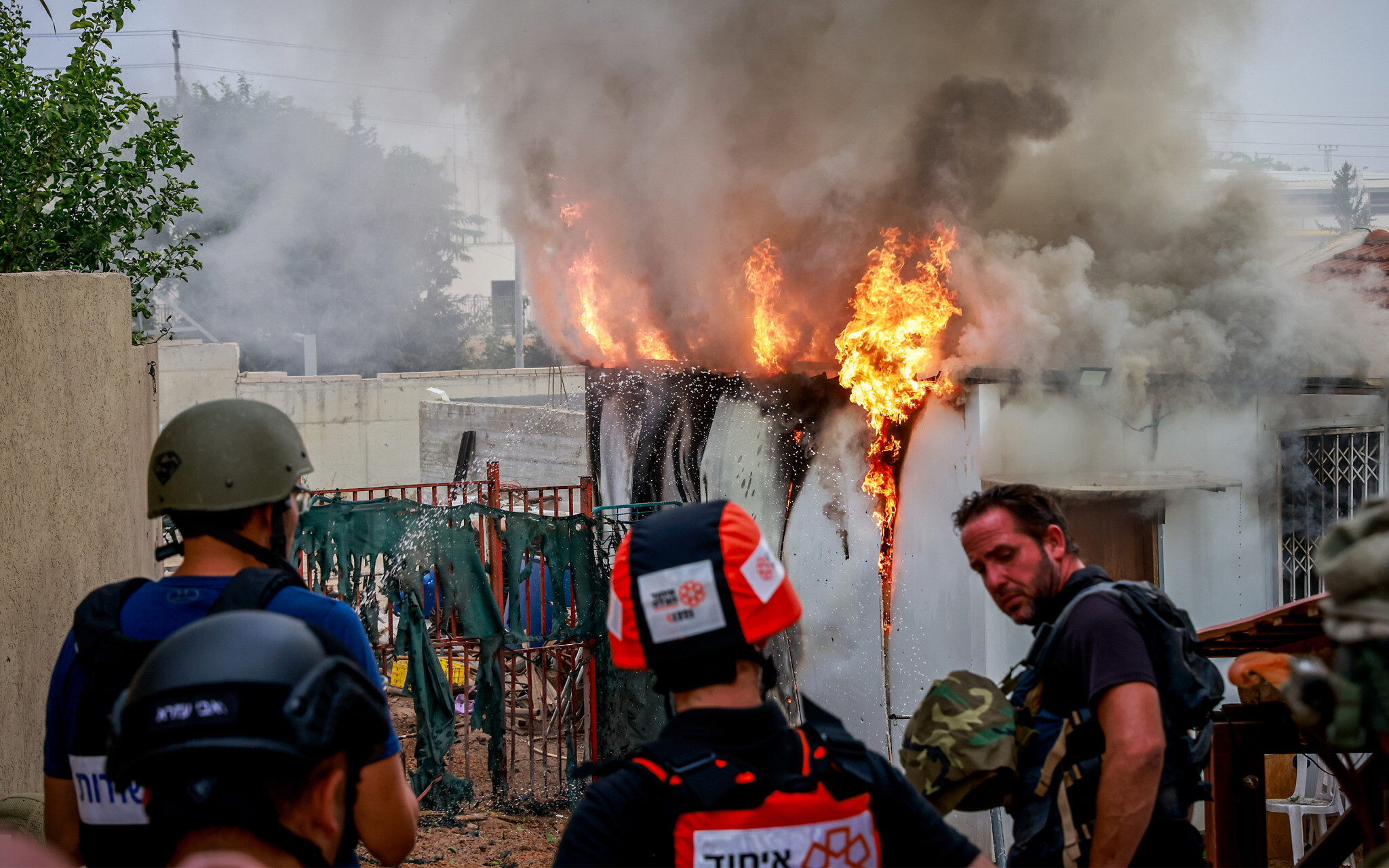
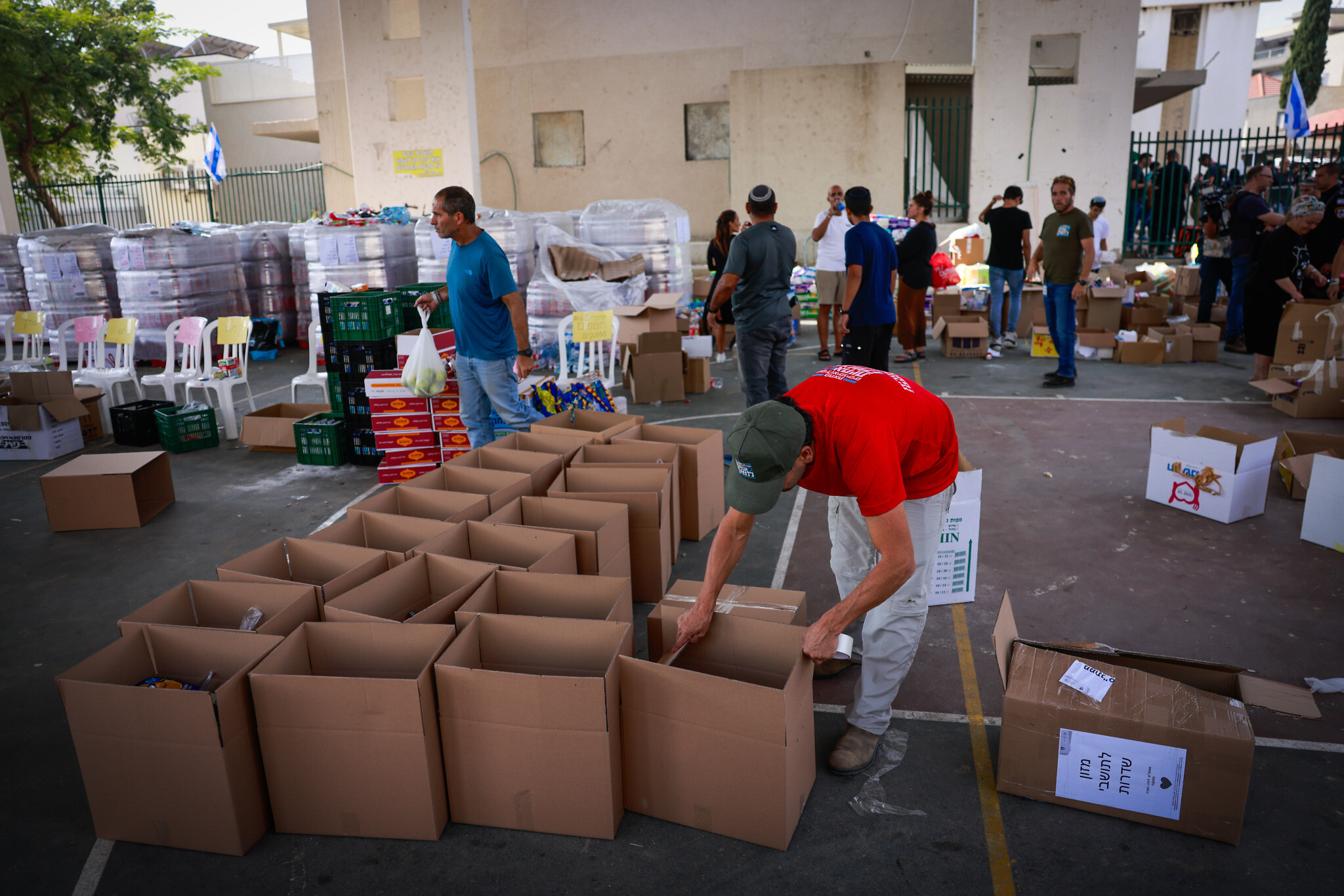
A host of organizations mobilized to help residents cope with Hamas’s rockets and with trauma from the shootings on Saturday through Monday. Regional councils and private hotels as well as individuals with spare rooms are inviting residents of Sderot and beyond to stay with them. The Home Front Command, municipal units and private citizens are distributing food and other necessities to the most needy. The American Jewish Joint Distribution Committee, or JDC, is carrying out and raising funds for aid missions in Sderot, Netivot and Ofakim, as are synagogues and volunteer groups.
One of the groups involved in the effort is Tzdakot Shimshon, a charity based in Ofakim that was set up in 1982 and focuses on aiding impoverished families. “For the first three days, there was paralysis,” said Asher Zaritski, a coordinator at that charity. “On Tuesday, there was a bounce back of grassroots initiatives,” he said of aid efforts in his city.
Tzdakot Shimshon has been supporting families like the Greenbergs, which need to stay because of disabilities. “We provide them with food, mineral water, giving them a lift when they need to or just dropping by to show someone cares,” Zaritski, the 41-year-old father of four, said.
Peretz Greenberg calls this a “lifeline.” But he is nearing the end of his ability to stay. “With my wife and the eight children who are still living with us, we’re 10 people in one apartment and no income,” said Greenberg, who has 14 children. The place is cramped and the need to stay near shelter due to rocket attacks means “we’re almost always inside. I can take another week of this, and then I have to move somewhere where I couldn’t even find the bathroom on my own,” he said.
But precisely now, Greenberg’s blindness offers some advantages, he said. “I spoke to an old student of mine who got a speech impediment after looking at the footage of the atrocities from Kfar Aza,” he said of one of the kibbutzim targeted by terrorists. “I’m glad I’m unable to see that and the destruction,” he said. “It’s bad for the mental health, both for us citizens and, by extension, of our society.”




The Times of Israel Community.