

Iran bans Egyptian TV series on Persian leader of medieval ‘Assassins’ sect
Iranian authorities charge that series on founder of Muslim group known for political assassinations has ‘many distortions’ and was ‘produced with a biased approach’
 Add ToI as a Preferred Source on Google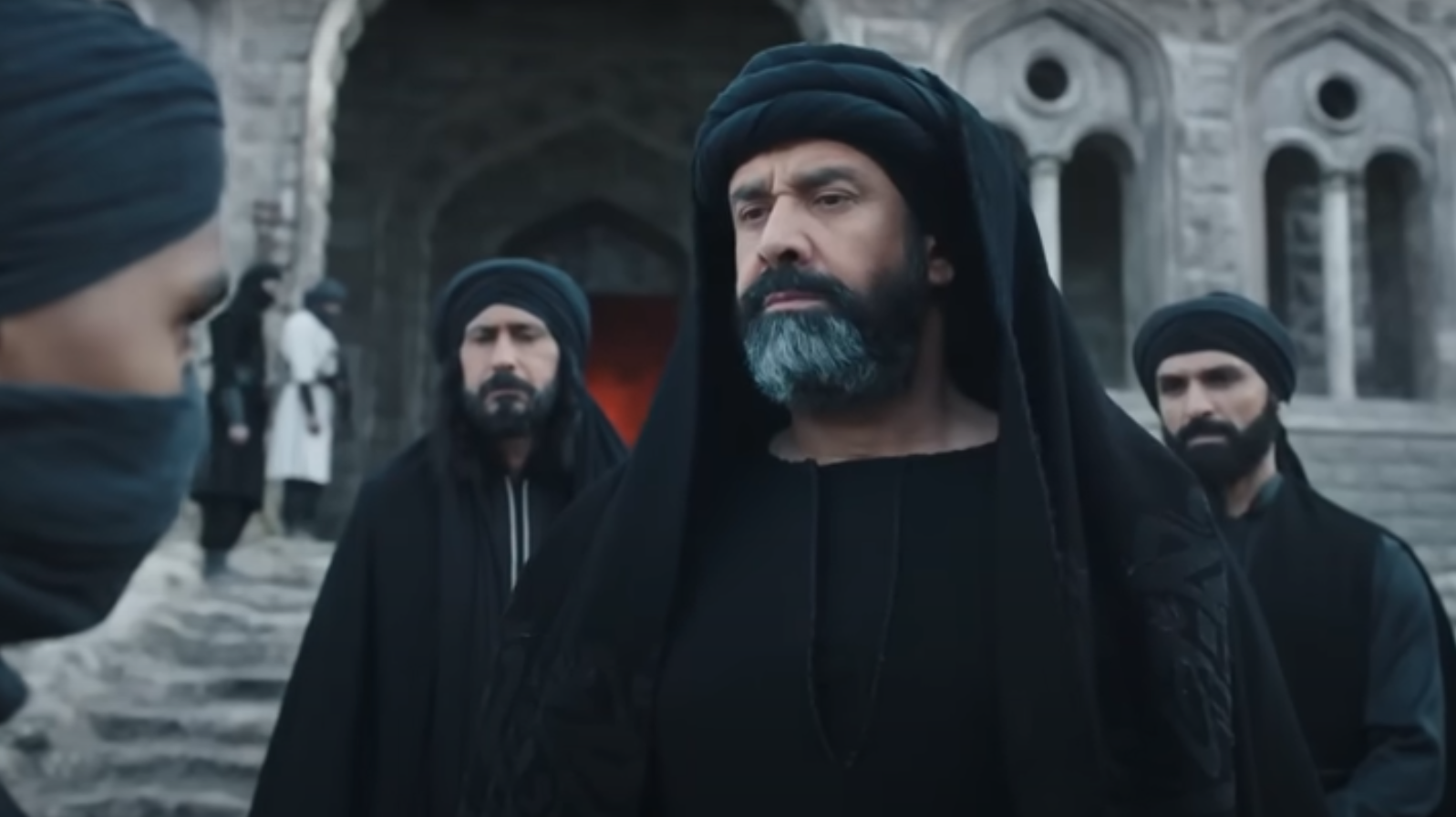
TEHRAN, Iran – Iranian authorities have banned an Egyptian TV series depicting a medieval Persian figure over historical “distortions” and “a biased approach,” state media reported Sunday.
“The Assassins,” or “El-Hashashin” in Arabic, recounts the story of Hassan-i Sabbah, the controversial founder of an offshoot Shiite Muslim sect known for bloody political assassinations during the 11th century.
The 30-episode series about Sabbah and his band of Assassins, who operated out of mountain bases in northern and western Iran, was first broadcast during the holy Muslim month of Ramadan, which ended earlier this month.
The show has since gained popularity across the Middle East, but the head of Tehran’s audiovisual media regulatory body, Mehdi Seifi, said that “the broadcast of ‘El-Hashashin’ series… is no longer approved in Iran.”
“Its narrative of Islamic history includes many distortions and it seems to have been produced with a biased political approach,” Seifi was quoted as saying by the official IRNA news agency, without elaborating.
IRNA said the series shows “a false image of Iranians” and quoted experts who argued it sought to link Iranians to the “inception of terrorism.”
Another news agency, ISNA, said the series was a “perfect example” of the “modification and falsification of truth.”
The notorious legends of Sabbah and his medieval order have inspired multiple works of fiction over the years.
The remains of the Alamut castle, where the group resided, is today a tourist destination in northern Iran.






The Times of Israel Community.