

 From the Liveblog of
Friday, November 20, 2026
Board of Peace will hand Gaza keys to UN if Israeli intransigence continues, official warns
 Add ToI as a Preferred Source on Google
Jacob Magid is The Times of Israel's US bureau chief
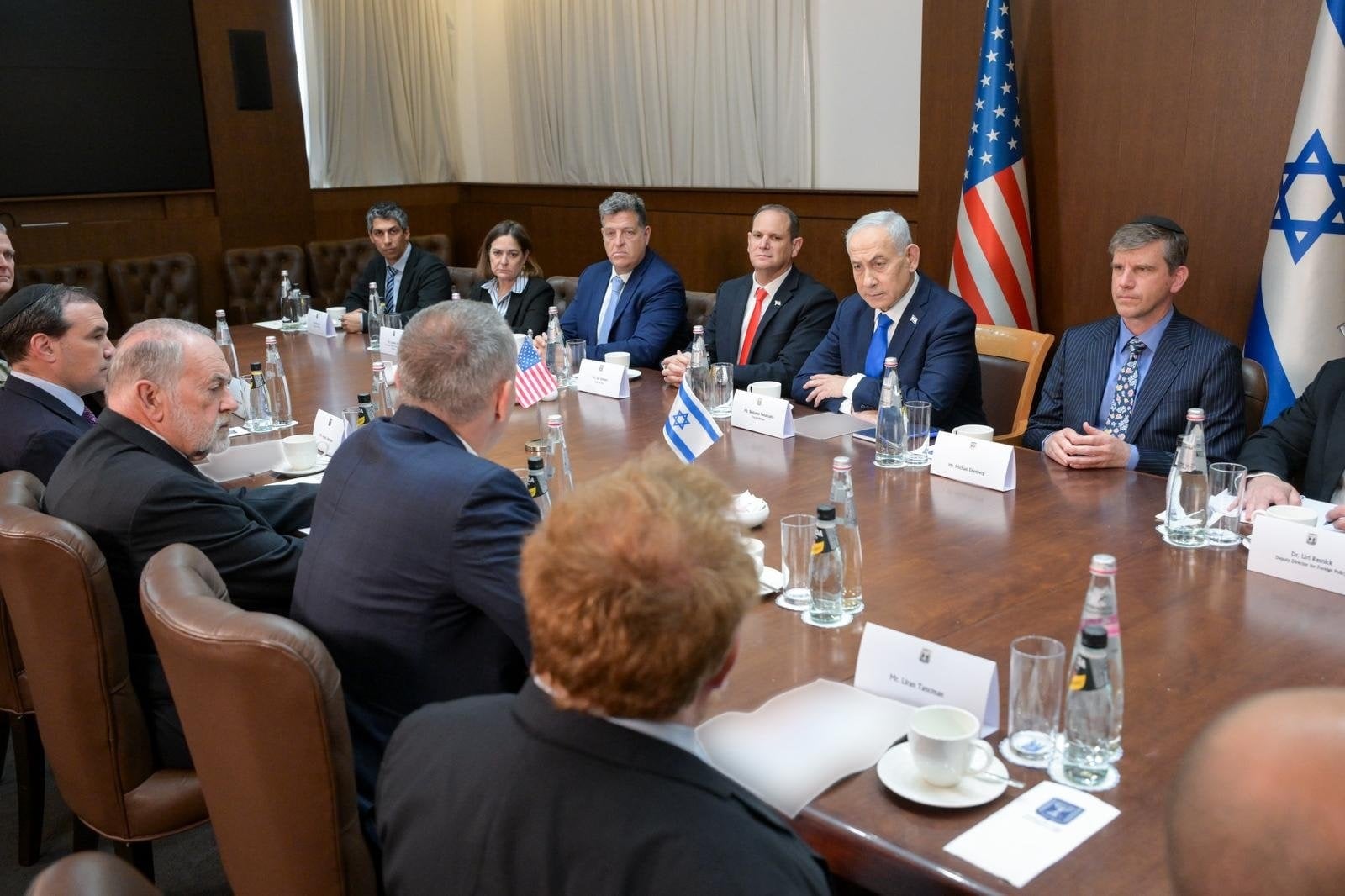
Senior adviser to the Board of Peace Josh Gruenbaum is warning Israelis that the US-controlled body overseeing the Gaza ceasefire will hand the keys to the Strip back to the UN if the Israeli government continues to block the panel’s efforts to disarm Hamas and rehabilitate the war-ravaged enclave.
“We have been extremely patient and have given Israel its space. But it is frustrating that now with the elections behind us — even if they haven’t resulted in a clear coalition — that Israel is failing to move forward on the commitments Prime Minister [Benjamin] Netanyahu made to [US] President [Donald] Trump,” Gruenbaum tells the Ynet news site.
The Board of Peace was established in January in order to implement Trump’s 20-point plan for ending the Gaza war, which envisioned a hostage-prisoner exchange in its first phase and the handover of all weapons by Hamas, the entry of a new technocratic committee to govern the Strip, the withdrawal of Israeli forces and the commencement of reconstruction in the enclave in its second phase.
Netanyahu accepted the 20-point plan in September 2025, and a ceasefire was inked the next month. But the plan stalled for months as Hamas took until July 30 to accept the board’s disarmament plan. That breakthrough was short-lived, though, as Netanyahu asserted that the proposal was insufficient.
The board held off on forcefully pressuring Israel to soften its position in the lead-up to the October 27 election, concluding that Netanyahu was unlikely to take steps that would expose him to criticism from political opponents for being soft on Hamas.
But that vote did not produce conclusive results, and efforts to form a new coalition could take several more months. Netanyahu remains the caretaker prime minister, and his approach toward Gaza has not shifted.
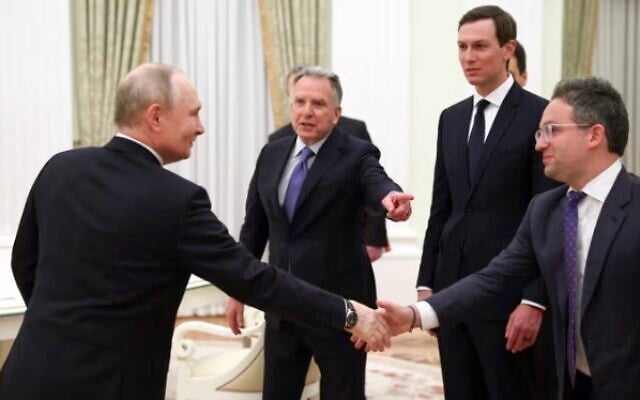
“We are at a standstill due to political elements within the Netanyahu government who have prevented us from progressing and from testing whether Hamas will keep its word,” Gruenbaum laments.
The Board of Peace senior adviser stresses that the panel is not asking Israel to conduct any withdrawals from Gaza or compromise its security. It just wants Israel to provide the authorizations necessary to operationalize the bodies tasked with replacing Hamas: the International Stabilization Force, a new Gaza police force and the National Committee for the Administration of Gaza (NCAG).
Israel has refused to sign a Status of Forces Agreement allowing the ISF to deploy in Gaza and it is refusing to sign off on documentation allowing the vetted members of the Palestinian police force to exit Gaza for several weeks of training in Egypt before allowing them to return.
Without an ISF and police force, there are no troops available to whom Hamas can hand over its weapons as envisioned by the 20-point plan.
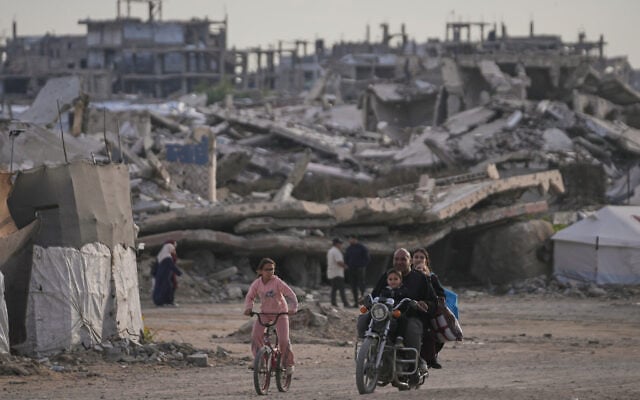
Gruenbaum also knocks Israel for failing to allow sufficient aid into Gaza before winter sets in.

“A catastrophic winter is approaching for Gaza. We have already seen numerous headlines about flooding. Israel needs to heed the international community’s call to avert this crisis,” the Board of Peace official says, while stressing that he does not absolve Hamas of its own obligations toward the population in Gaza.
“If this political leadership (in Israel) says it no longer wishes to honor its commitments, just let us know. We will hand the keys back to the UN and let them hold the mandate (for Gaza), or we can simply let the next US administration determine policy toward Gaza,” Gruenbaum says.
The Board of Peace understands who it’s dealing with in Hamas and is prepared to allow Israel to proceed as it wants to against the terror organization if the latter tries to cheat its way out of disarming, Gruenbaum adds.
But the board wants to first test Hamas’s seriousness, which Israel has not allowed it to do.
Senior officials in the Netanyahu government have told Ynet that they do not want Gaza to be rebuilt and would prefer the status quo be maintained, with Hamas left weakened and Israel in control of over half of the Strip.
“The window of opportunity is closing — literally—with each passing day,” warns Gruenbaum. “The US midterm elections have just taken place. The atmosphere in Washington is beginning to shift. The opportunity to collaborate with President Trump, who cares deeply about Israel’s national security, is slipping away.”
Ynet also reveals the contents of a PowerPoint presentation that was recently presented to Israeli officials by Board of Peace figures trying to make their case.
It presents what it says are the alternatives for controlling Gaza if the Board of Peace is forced to step aside.
The options are: (1) a future US administration not committed to the Board of Peace framework, (2) the United Nations Security Council, potentially together with UNRWA, (3) the Palestinian Authority, (4) Hamas or (5) Israel becomes fully responsible for all humanitarian, administrative and other costs for the people of Gaza.
“If the current Netanyahu government intends to return to its pre-October 7 policy (of keeping Hamas in power), that is not an approach the Board of Peace supports,” he says.
“The Board of Peace is pushing for a genuine, sustainable solution. There is no guarantee it will work… But we must, at the very least, put this to the test—and ensure that Israel does not pose an obstacle to examining it,” he adds.






The Times of Israel Community.