

 From the Liveblog of
Monday, February 9, 2026
From the Liveblog of
Monday, February 9, 2026
IDF says cutting back superfluous reservists, will reduce reserve duty time under routine call-up orders to 55 days in 2026
 Add ToI as a Preferred Source on Google
Emanuel (Mannie) Fabian is The Times of Israel's military correspondent
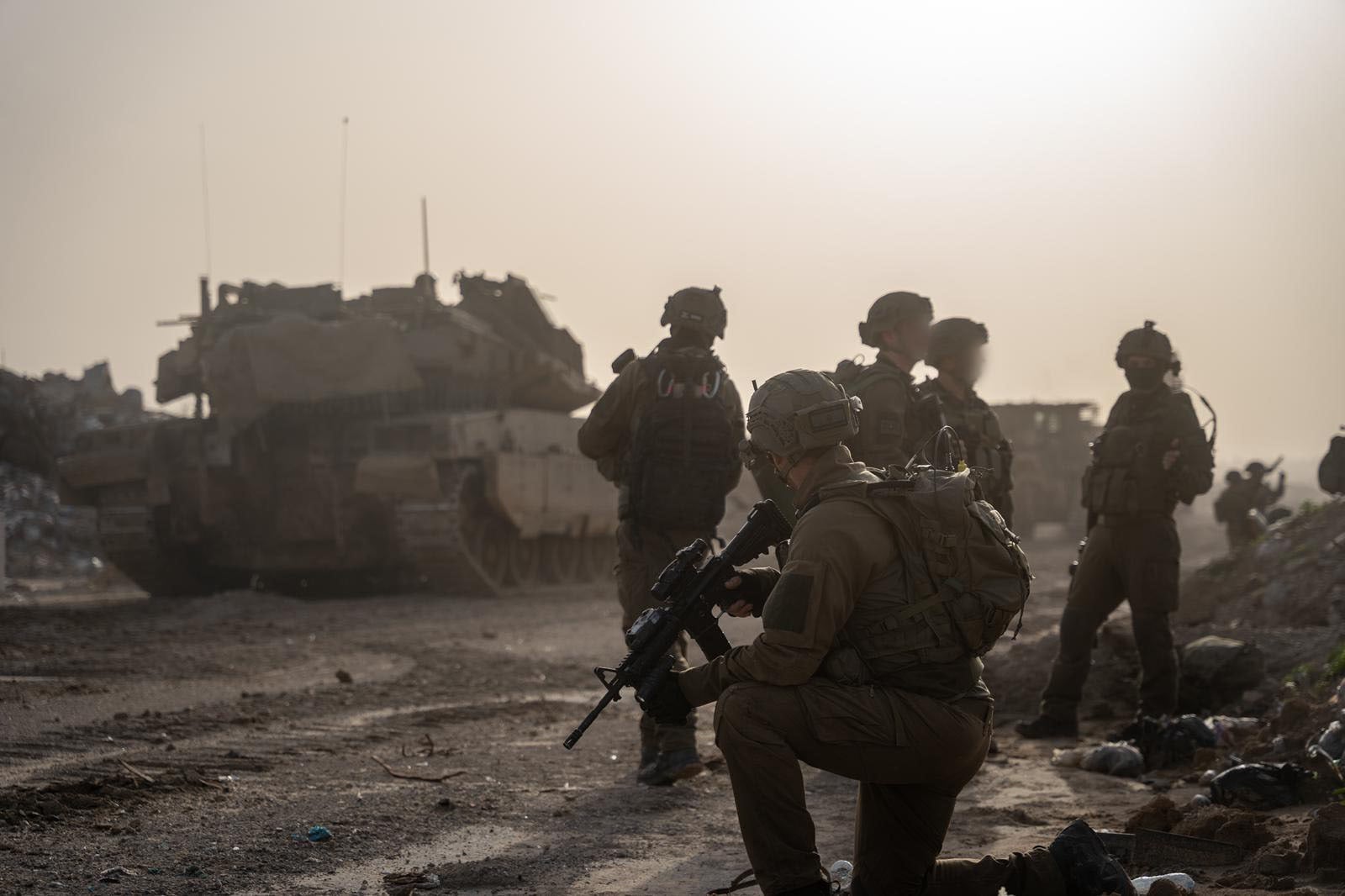
The IDF says it is working to reduce superfluous reserve forces after the government ordered the military to cap the number of reservists serving this year, while vowing not to harm the benefits provided to those who report for duty.
At the peak of the war, the IDF activated around 300,000 reservists, and it had previously been expected to call up some 60,000 during 2026 for routine activities. In December, Defense Minister Israel Katz and Finance Minister Bezalel Smotrich agreed, as part of the state budget, to cut the number of reservists serving on any given day in 2026 to 40,000 — a move they say will save billions of shekels.
The IDF says it is scaling back roles it deems unnecessary, such as full-time reservists reinforcing civil defense squads in border communities, as well as certain headquarters positions.
The military also says it will reduce the number of days reservists are required to serve under routine call-up orders — not emergency ones — from 72 to 55. It will also end several practices that have become commonplace since the start of the war on October 7, 2023.
At the same time, the IDF says it will not harm the benefits given to reservists who serve for extended periods. Various benefits will now be granted after 45 days of reserve duty, in what the military says is an effort to discourage reservists from continuing to serve unnecessarily beyond that point rather than returning to their civilian jobs.
Frequent and prolonged waves of reserve call-ups during the war drew criticism from the Finance Ministry, which cited inefficiency and extensive waste of funds within the IDF.
To curb the use of superfluous reservists, the IDF says it will prohibit units from recruiting reserve soldiers through social media advertisements, a practice that became widespread during the war. Many reservists would complete their service in one unit and then move to another to continue serving.
Under new army guidelines, recruiting reservists is only permitted through an official military website, a move intended to prevent reservists from being transferred between units without oversight.
Another practice being halted is the so-called “hybrid service,” in which reservists perform their military duty while continuing to work at their civilian jobs, sometimes on a week-on, week-off basis.
Beyond the economic impact, the military says the week-on, week-off arrangement has harmed the cohesion of combat units, as some soldiers never end up serving alongside those who are meant to be their comrades.
The direct cost of the war has been estimated at around NIS 220 billion ($67 billion), of which approximately NIS 50–70 billion was allocated to funding the mobilization of hundreds of thousands of reservists for extended periods.




The Times of Israel Community.