

 From the Liveblog of
Wednesday, July 23, 2025
From the Liveblog of
Wednesday, July 23, 2025
Iranian official threatens to quit Non-Proliferation Treaty if European countries impose snapback sanctions
 Add ToI as a Preferred Source on Google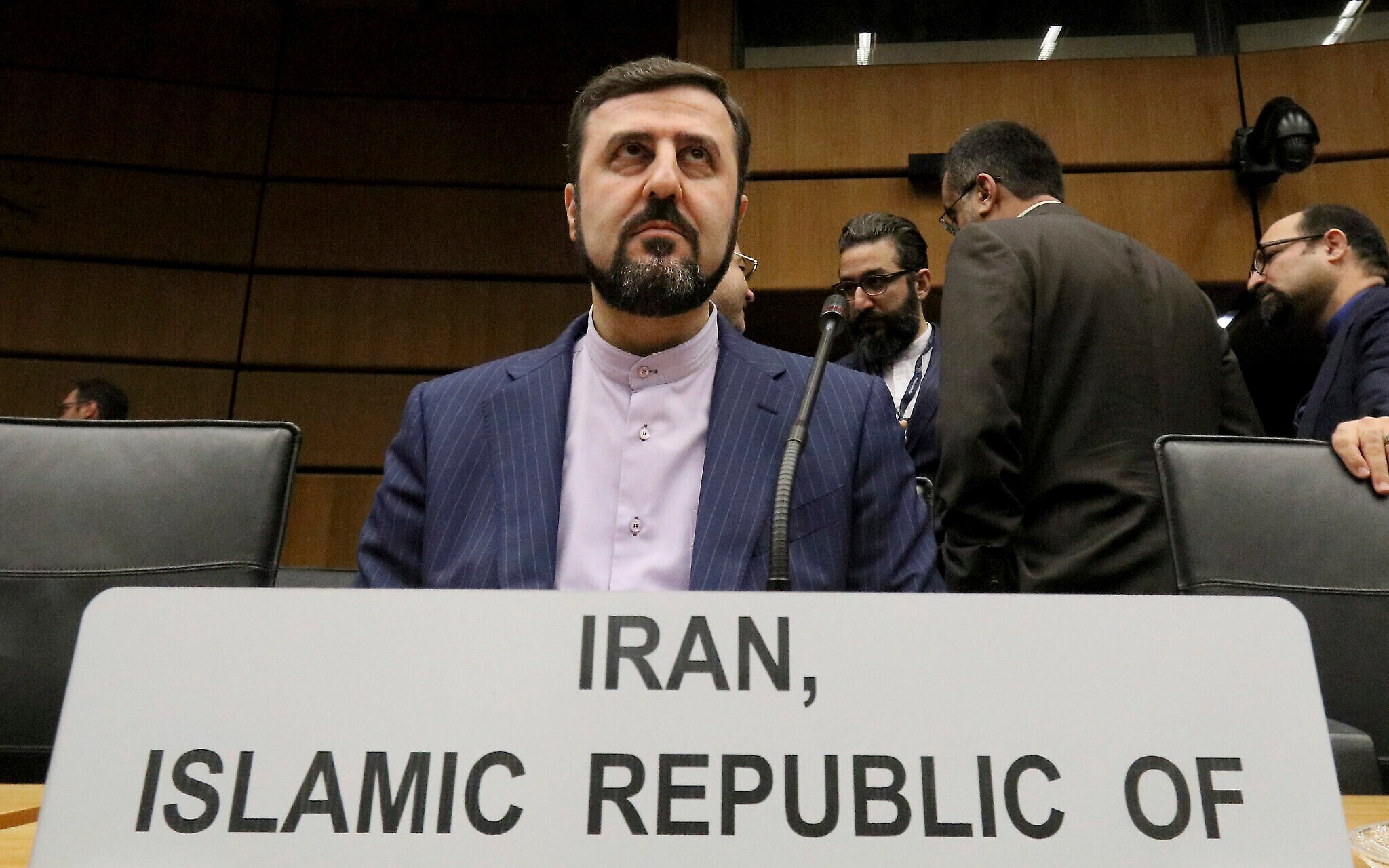
A top Iranian official warns that European threats to reimpose sanctions could lead Iran to withdraw from an international pact that limits the spread of nuclear weapons, one of the last remaining safeguards against the Islamic Republic’s nuclear program.
Iranian Deputy Foreign Minister Kazem Gharibabadi discusses with reporters his country’s recourse against further financial punishment ahead of a critical meeting on Friday with Britain, France and Germany in Istanbul. The three European countries have suggested triggering a so-called snapback provision in that accord that would reimpose sanctions on Iran if there is no progress on a deal to limit its nuclear program by August.
Gharibabadi, who has been part of the nuclear negotiation team, says that despite domestic pressure to withdraw from the separate, older Nuclear Non-Proliferation Treaty, especially in the aftermath of the recent Israeli and US strikes on its nuclear sites, Iran has remained compliant with the 1970 treaty.
“But, I’m quite confident that if the snapback is triggered, Iran will not show more restraint in this regard,” Gharibabadi says.
If Iran does exit the treaty, it will be just the second country to do so, after North Korea in 2003, whose withdrawal has never been formally accepted.
Iran has indicated an openness to restart negotiations with the US, with Gharibabadi saying that “the sooner, the better.”
But he warns the US against using the guise of diplomacy as cover for another military attack on Iran, referencing the scheduled plans for US-Iran talks days before Israel decided to issue its first airstrikes on Tehran.
As for talks with the Europeans, Gharibabadi says Friday’s meeting is very important, but that its success will depend on how the Europeans approach Iran this time around.
“We have always valued our meetings with the European countries. But there is an important issue: I think we have always told them that the policies of the European countries should be independent,” he says. “They should not coordinate their positions with the Americans.”










The Times of Israel Community.