

 From the Liveblog of
Friday, July 25, 2025
From the Liveblog of
Friday, July 25, 2025
Israel rejected half of the requests to transport aid on Wednesday, UN spokesperson says
 Add ToI as a Preferred Source on Google
Jacob Magid is The Times of Israel's US bureau chief
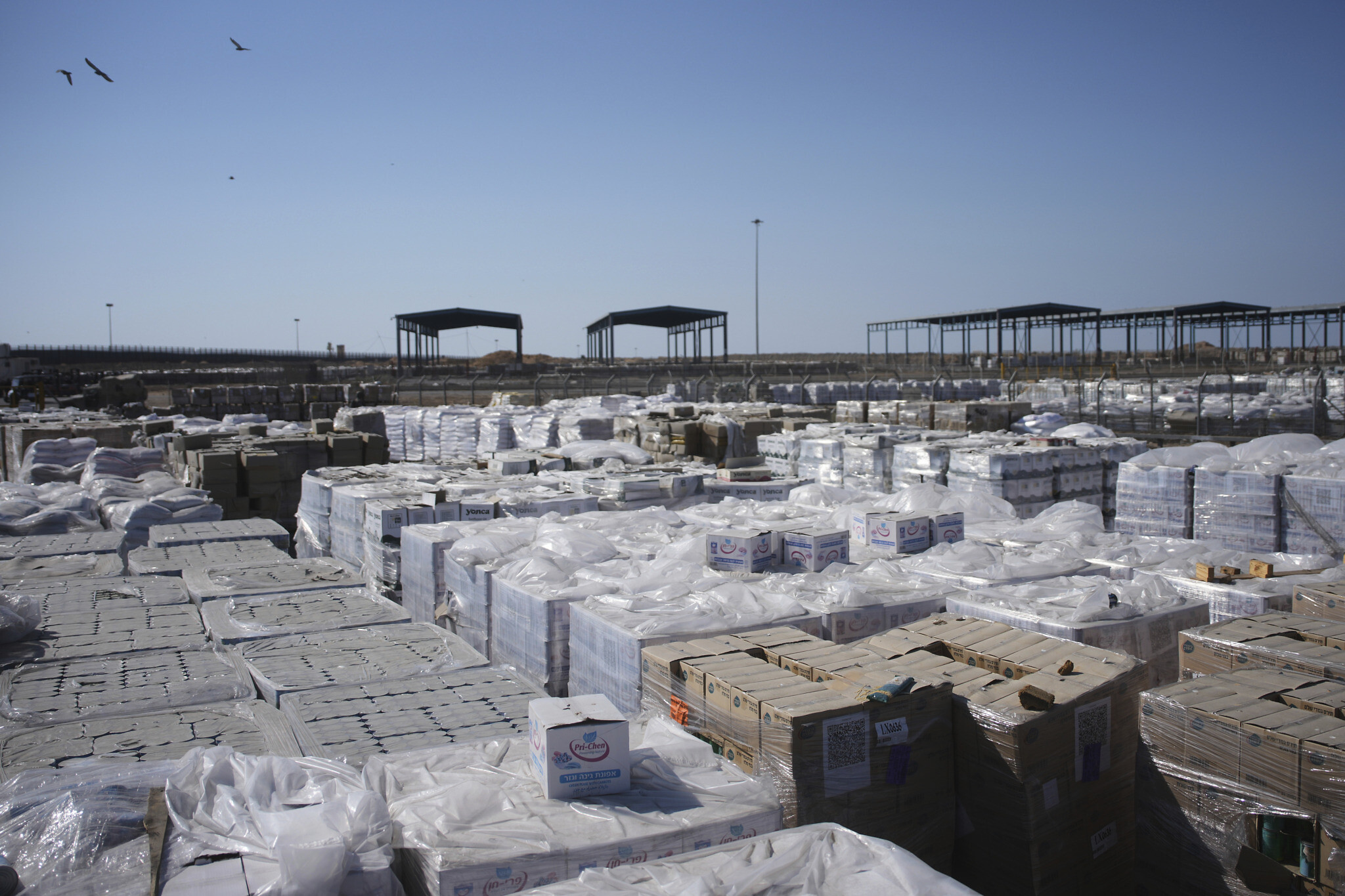
Israel rejected half of the UN requests to transport humanitarian aid in Gaza on Wednesday, UN spokesperson Stephane Dujarric says.
Eight of the sixteen requests made by UN staff were rejected, Dujarric says during a press briefing. Two other requests were initially approved, but UN staff faced impediments on the ground. One denied request was for UN staff to pick up medical supplies that have been waiting on the Gazan side of the border.
Israel in recent days has intensified its assertion that the UN is to blame for the ongoing humanitarian crisis in Gaza, claiming that it is failing to pick up aid that is amassing at the border.
The UN in turn has contended that the hundreds of truckloads of aid sitting in a lot guarded by Israel are not readily accessible to humanitarian workers.
“Bureaucratic, logistical, administrative and other operational obstacles imposed by Israeli authorities; ongoing hostilities and access constraints within Gaza; and incidents of criminal looting, and more shooting incidents that have killed and injured people gathering to offload aid supplies along convoy routes” have hampered UN efforts to deliver aid, Dujarric says.
“Taken together, these factors have put people and humanitarian staff at grave risk and forced aid agencies on many occasions to pause the collection of cargo from crossings controlled by the Israeli authorities,” he adds.
The UN spokesperson also notes that Israel is trying to squeeze Gaza’s entire population into an area that makes up just 12 percent of the Strip.
“Meanwhile, the entry of shelter materials has been banned by the Israeli authorities for over 20 weeks, and the trickle of fuel now let in is also wholly insufficient,” Dujarric asserts.
A screening conducted earlier this month found that nearly 5,000 of the 56,000 Gazan children under the age of 5 were found to be acutely malnourished.
The nine percent rate is a uptick from 6 percent just a month earlier and from 2.4% in February.










The Times of Israel Community.