

 From the Liveblog of
Thursday, July 9, 2026
From the Liveblog of
Thursday, July 9, 2026
Syria regains its voting rights at chemical weapons watchdog
 Add ToI as a Preferred Source on Google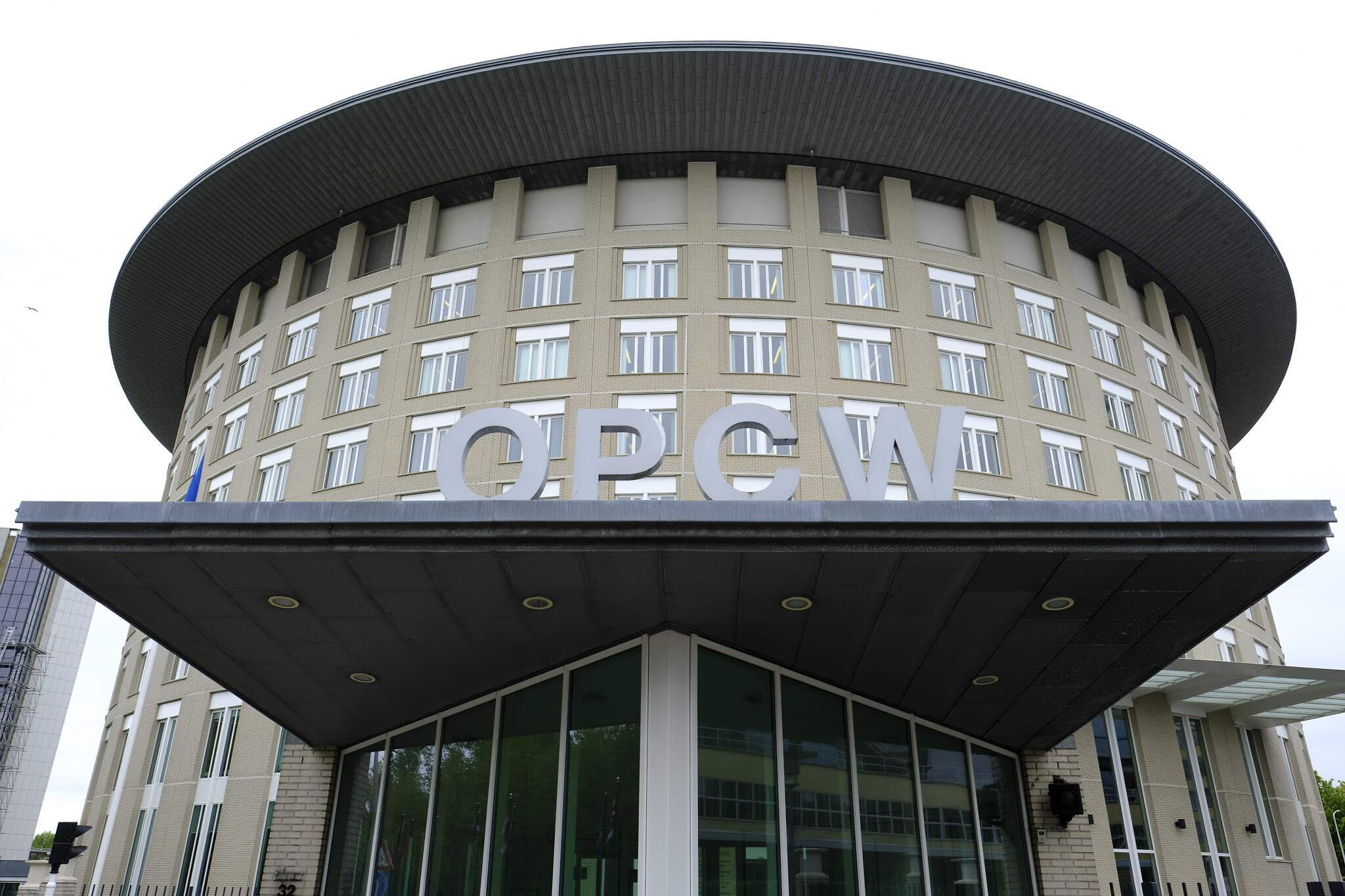
Member states hand back Syria’s voting rights at the global chemical weapons watchdog, following what they describe as “a significant change in circumstances” since the fall of the Assad regime.
Syria was stripped of its rights at the Organization for the Prohibition of Chemical Weapons in 2021, after its forces were found to have repeatedly used poison gas during the country’s civil war.
Although largely symbolic, this sent a political signal to Syria that breaches of the 1997 Chemical Weapons Convention, prohibiting all use of chemicals on the battlefield, would not be accepted.
“Following the fall of the Assad regime, the new Syrian authorities committed to fulfilling Syria’s obligations under the Convention and have since taken concrete steps,” the OPCW says.
Syria has vowed to work with the international community to rid itself of legacy weapons of mass destruction that pose a proliferation risk.
A Syrian official told Reuters in May that the country’s transitional leadership had located remnants of former President Bashar al-Assad’s clandestine chemical weapons program, including raw materials and munitions similar to those used to carry out deadly gas attacks during the country’s civil war.
Repeated investigations by the United Nations and the OPCW’s special Investigation and Identification Team concluded that Syrian government forces used the nerve agent sarin and chlorine barrel bombs in attacks that investigators said killed or injured thousands.
At the time, Syria and its military ally Russia repeatedly denied the use of chemical weapons.
The OPCW’s executive council says it will continue to monitor Syria’s progress and take decisions necessary to eliminate the remaining chemical weapons inherited from the former regime.








The Times of Israel Community.