

Pirate waste fires choke Israelis and Palestinians as ministers play game of hot potato
Ahead of upcoming elections, lawmakers wake up to citizens’ protests as Environmental and Defense Ministries battle over turf, and as Treasury promises — but doesn’t deliver — funds
 Add ToI as a Preferred Source on Google
Sue Surkes is The Times of Israel's environment reporter
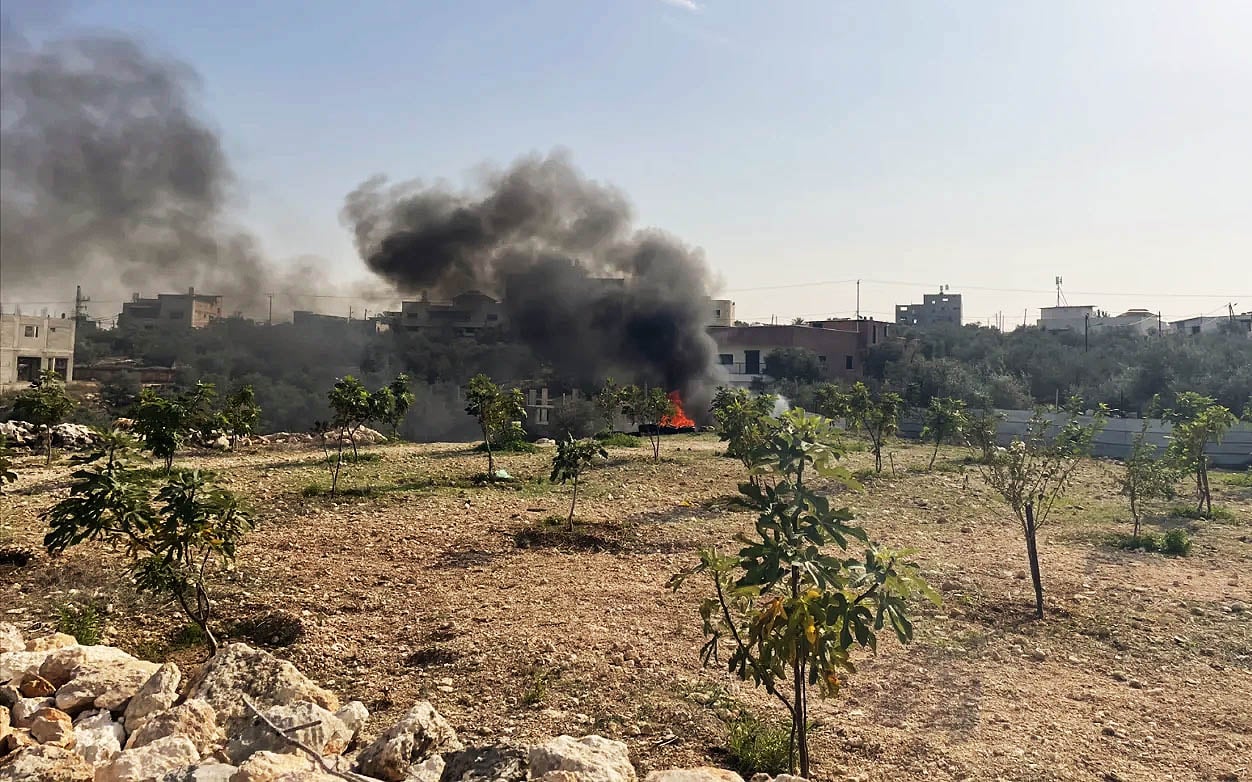
We were on the scent of pirate trash burners. In seven minutes, an adrenaline-fueled, foot-on-the-gas dash took us along dusty back roads to catch Palestinians in the act of illegally incinerating waste.
This reporter and a team from the Ecopeace Middle East organization drove behind the truck of a senior official from the Palestinian town of Azzoun, east of Qalqilya in the West Bank, when black smoke began to billow over a group of trees.
We followed the black clouds to a field backed by residential housing, where two men were burning cables to extract the metals inside for sale.
The flames were so powerful that a hose was no match as the men spotted us and tried haplessly to extinguish the fire.
The Palestinian official who had agreed to take us on a tour of waste fire sites spoke with the men and took photos. But he was powerless to punish them, because in Area C of the West Bank (as established by the 1993 Oslo Accords), Israel’s Civil Administration and police are tasked with maintaining order.
He said he would file a report to the governor of the Qalqilya District, in the hope that the two men would be summoned to a Palestinian court. But he said he doubted the offenders would be deterred, given that Palestinian environmental law and the fines contained within had not been updated since the end of Jordanian control of the West Bank in 1967.
He noted that the Azzoun council had received many complaints about waste fires from residents in the area.
The official’s inability to act is just one aspect of a long-running problem of illegal waste burning on both sides of the Green Line that separates the West Bank from Israel.
As official reports published in 2017, 2019, and 2024 have shown, it would take multiple players to halt the waste burning, but coordination between them is poor, and successive Israeli governments have remained indifferent.
Now, less than a year away from elections, the political leadership has woken up.
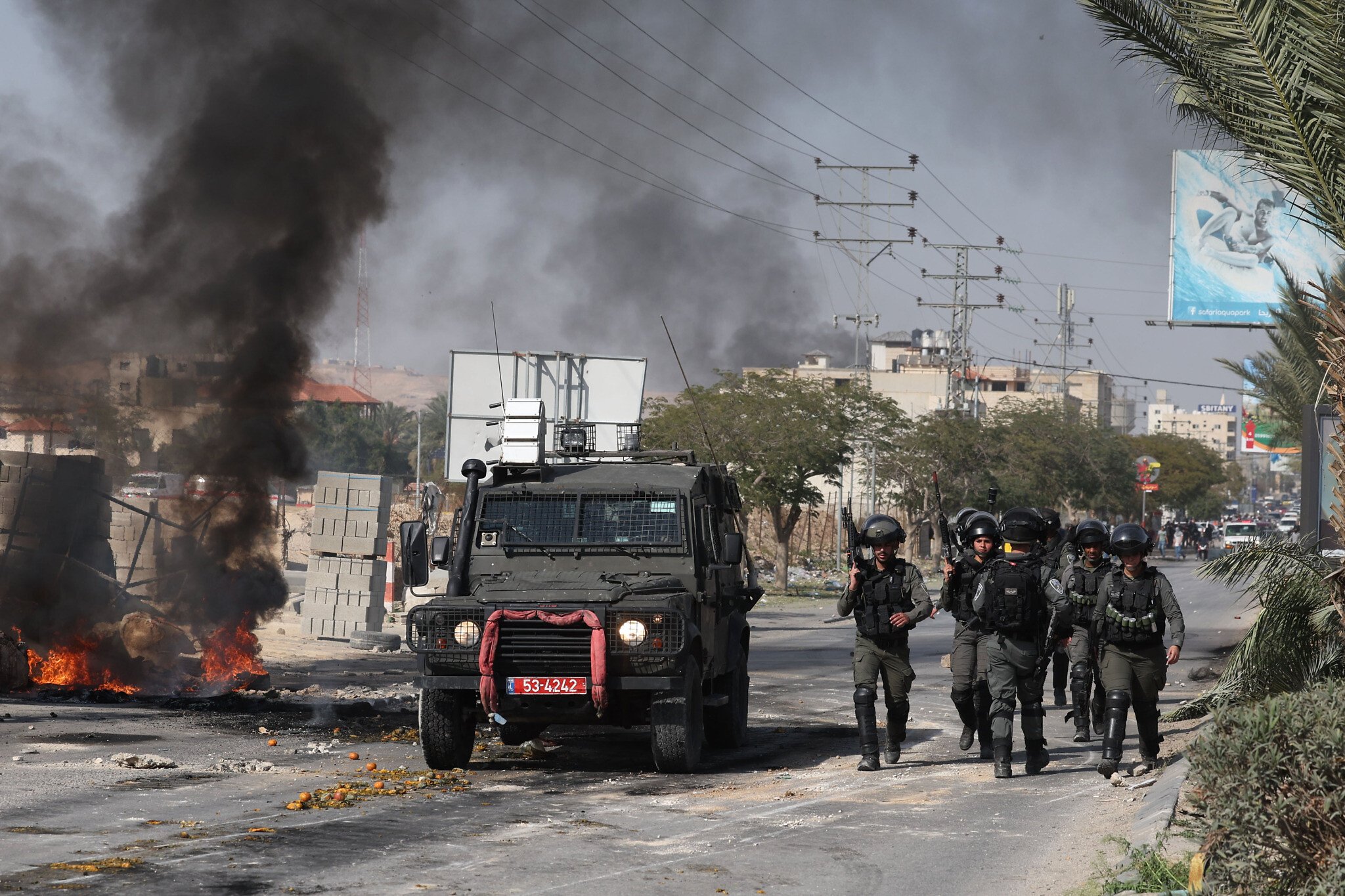
This month, in a rearguard action, the Civil Administration has been sending heavy vehicles to block access roads to pirate waste sites, while its Environmental Quality Unit is busy covering fires with earth around Palestinian Na’alin, a waste fire hotspot, to provide temporary relief to Shoham and nearby Modiin, in central Israel.
A well-rooted West Bank problem
The West Bank is home to some 3.4 million Palestinians, according to mid-2025 figures from the Palestinian Central Bureau of Statistics. It stretches almost 130 kilometers (80 miles) from north to south, but is served by just two landfill facilities.
A third landfill site at Ramun, near Ramallah, has been under discussion since 2003, but has been mired in controversy.
In the West Bank, mixed municipal waste is burned on the outskirts of towns and villages that lack the funds to transport trash over long distances to the landfill sites.
Additionally, electronic waste, driven into the West Bank from Israel, is burned to extract saleable metals. The practice is believed to involve criminals on both sides, including Israelis who want to avoid Israeli landfill fees and long journeys to landfill sites in southern Israel. Also illegally ferried into the West Bank is building waste and excess earth from Israeli construction sites.
During just 15 minutes, this reporter saw six Israeli waste trucks disgorging their contents onto a faraway West Bank hilltop.
Increase in Israeli complaints
Waste fires pollute the air, soil, and water, and often emit toxic gases.
In October, Citizens for Clean Air reported a significant increase in complaints about these fires, logging 1,800 — almost triple the 610 complaints submitted in August. The figures for November were close, at 1,711.
Over half of November’s complaints came from central Israel, particularly Modi’in-Maccabim-Re’ut, Shoham, Rosh Ha’ayin, and Harish, all close to the Green Line. The first two suffer particularly from waste fires around Na’alin on the Palestinian side.
More than a quarter of all residents reporting bad odors last month said the smells resembled burning plastic, while 23% cited agricultural waste. More than 1,000 people reported breathing problems, 526 mentioned burning eyes and 558 reported headaches. The reason for the spike in complaints remains unclear.
In June 2023, the government appointed an inter-ministerial team headed by Environmental Protection Minister Idit Silman and Bezalel Smotrich. Smotrich, the finance minister, served on the committee as an “additional minister” within the Defense Ministry — a role he secured as part of a coalition agreement that gives him a say on West Bank security issues.
The team was given a list of tasks, which included recommending end solutions for dealing with all kinds of waste (including industrial plants for burning waste to create energy), mechanisms for improving and streamlining enforcement, preventing the transfer of waste from Israel for unauthorized treatment in the West Bank, and mapping of budgetary and personnel needs.

The team failed to meet its January 2024 deadline. Two months later, the state comptroller issued a report that presented “a grim picture of long-standing failure in all aspects of the government bodies’ activity.” He said, “For many years, the Civil Administration has failed to promote environmental infrastructure projects in Judea and Samaria,” while the Environmental Protection Ministry had “long neglected” its obligation to ensure clean air, and government bodies in general suffered from “weaknesses in coordinating and sharing information.”
Turf wars
Shortly after Citizens for Clean Air produced its October figures, Silman convened a press conference to unveil what she called the key elements of a strategic plan. But the Defense Ministry had not signed on to it.
She announced an immediate NIS 40 million ($12.6 million) from her ministry’s budget to add posts for inspectors and prosecutors, and to help repair one of the West Bank landfill sites, which collapsed last year. She asked the Treasury for NIS 134.6 million ($42.3 million) towards additional posts and new waste infrastructure.
By press time, however, Smotrich had not approved a shekel.
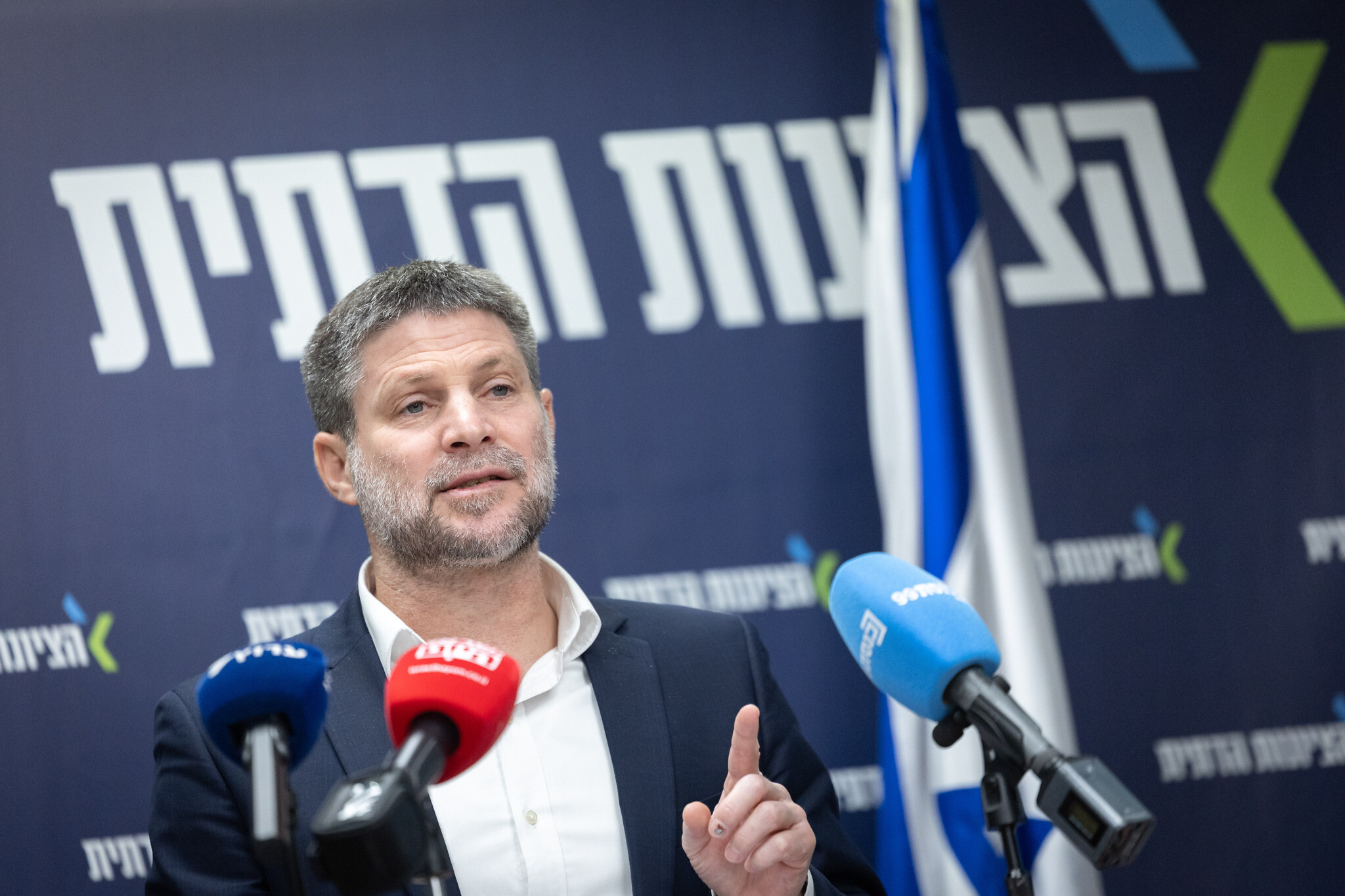
Silman went on to successfully defeat a Finance Ministry proposal to include a new Waste Authority in the 2026 budget. Her officials explained at the time that it was inappropriate to bury such a substantial (and, in their view, half-baked) policy change in the economic arrangements bill that accompanies the budget, without prior discussion with the Environmental Protection Ministry.
This month, the Defense Ministry hosted its own meeting on waste. In an apparent snub to Silman, it invited all relevant bodies except the Environmental Protection Ministry. In a press release issued afterwards, the Defense Ministry announced that waste fires would henceforth be treated as a national security issue, and that a new plan for fighting them would be developed.
Smotrich, who as finance minister denied funds to Silman, promised, as the “second minister at the Defense Ministry,” that money would not be an obstacle. Expenses would be deducted from the taxes collected by Israel for the Palestinian Authority.
Neither the Defense Ministry nor the Finance Ministry could explain why a new plan was necessary when the Environmental Protection Ministry had just presented one. Defense Minister Israel Katz’s spokesperson referred this reporter to Smotrich, whose spokesman failed to respond.
Late last month, the Knesset Internal Affairs and Environmental Protection Committee, chaired by MK Yitzhak Kroizer (Otzma Yehudit), began a series of discussions on the problems that are ongoing.
Then, last week, the Health Ministry advised those living in the easternmost neighborhood of upscale Shoham, in central Israel, to stay indoors with windows closed from early evening until morning because of toxic fumes.
An Environmental Protection Ministry spokesman told The Times of Israel, “Although the direct authority to address the hazards of waste fires in Judea and Samaria lies with the Defense Ministry and the Civil Administration, the Environmental Protection Ministry led the work of the professional [inter-ministerial team] staff and the formulation of the plan, out of concern for public health and the environment, and worked continuously to advance its budgeting.”
Environmental terror or infrastructure shortage?
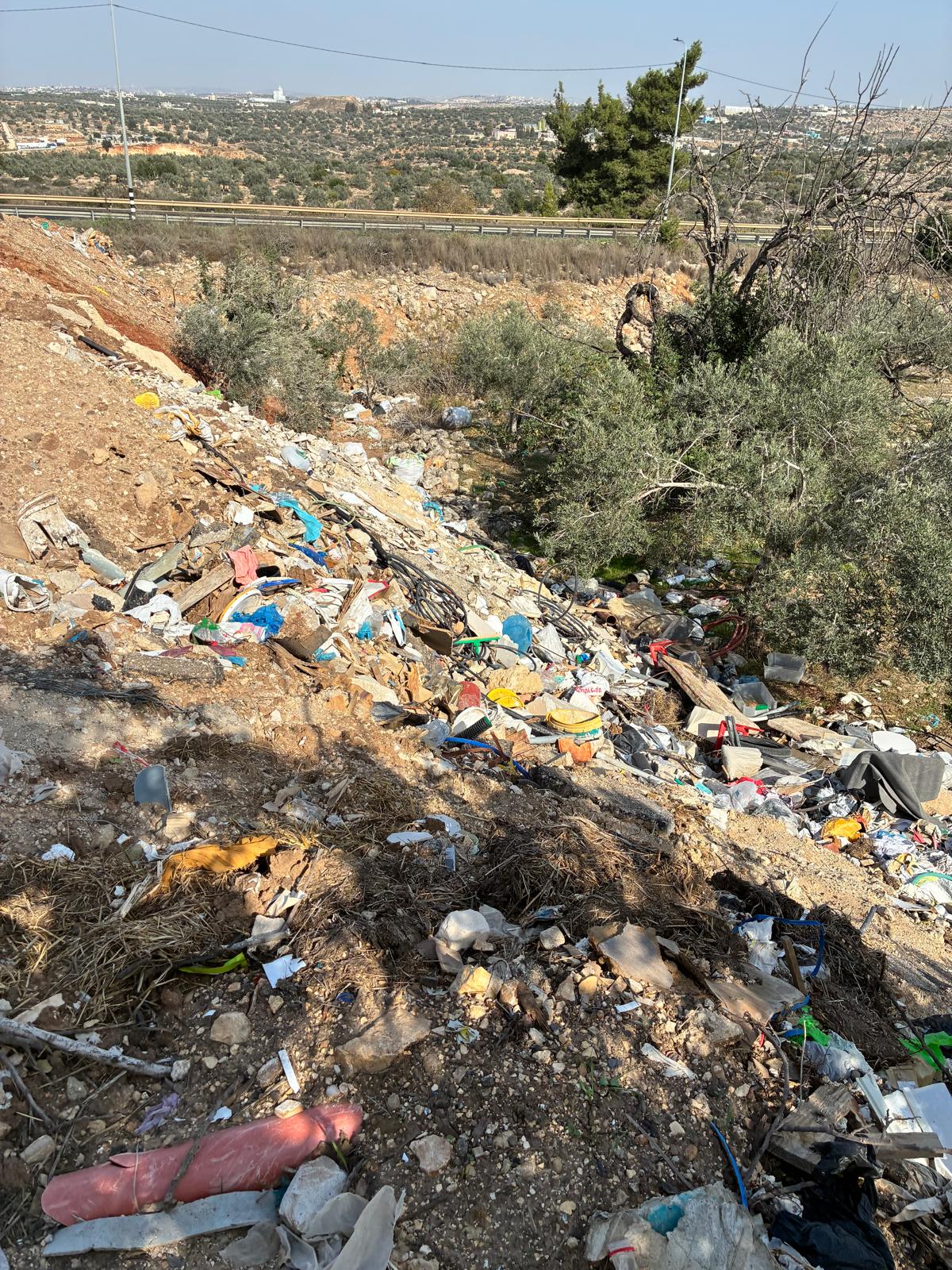
During last month’s visit to rural side roads running close to Route 55, which connects Israeli Kfar Saba to the Palestinian city of Nablus, this reporter saw entire hillsides covered in fresh trash, burned trash, or areas of burned trash that had been covered with earth to suffocate the flames.
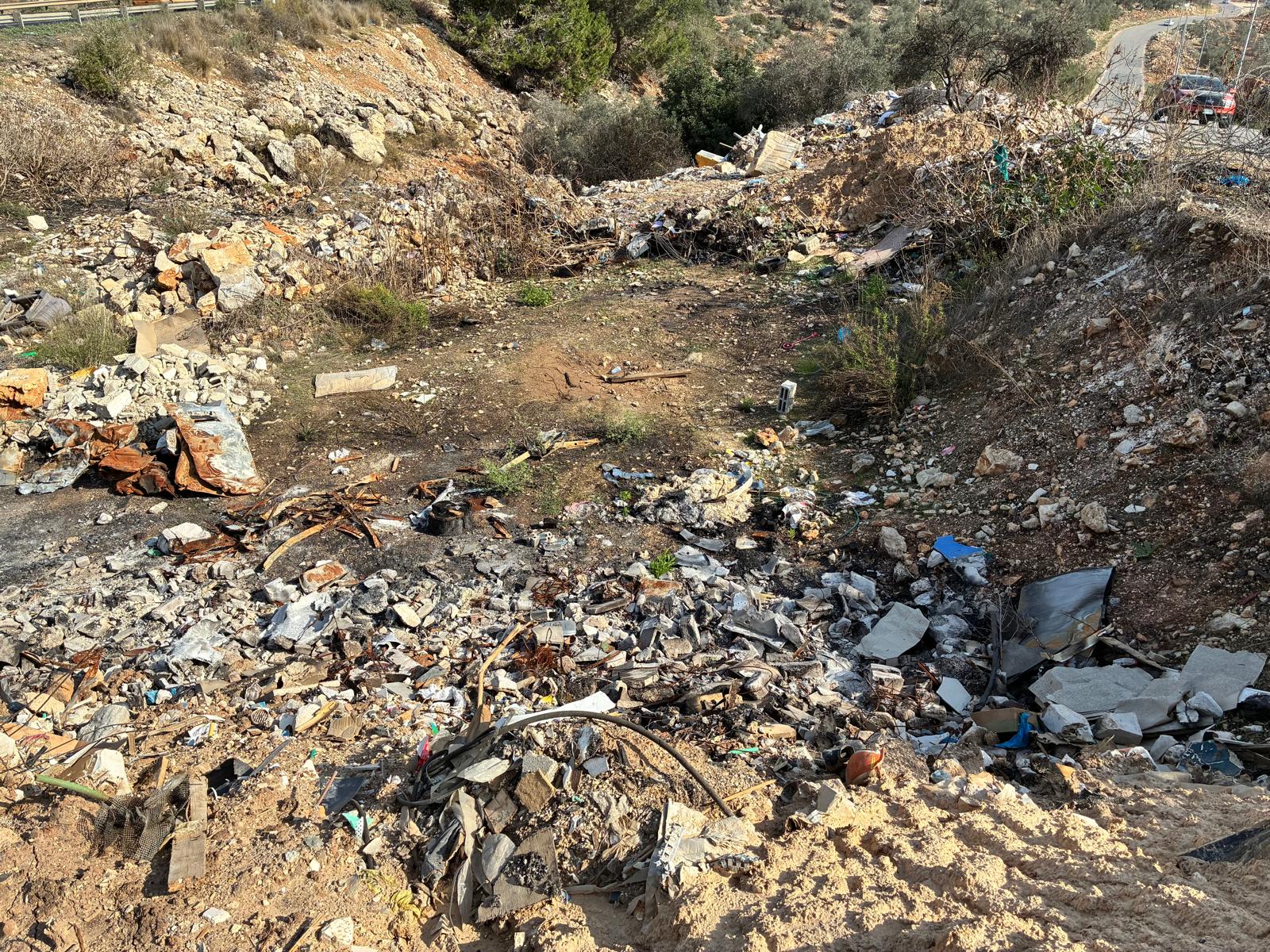
The official from Azzoun said there were hundreds of such sites around the towns and villages of the Qalqilya district. Around Azzoun, the local council covered what it could with soil, he added. The council had run campaigns on Facebook to educate the public about the dangers to health of burning waste, he went on. Regarding waste brought in illegally from Israel, he said only the Israelis had the power to stop the trucks at the checkpoints.
Right-wing, pro-West Bank settlement lawmakers, including Silman, have declared that the waste burning is a form of terror.
Centrists from the opposition, such as Matti Sarfatti Harcavi (Yesh Atid), cite Israel’s failure to build sufficient waste facilities in the West Bank as a key driver of the problem.
Gidon Bromberg, Ecopeace Middle East’s Israel director, stressed that enforcement alone would not solve the problems.
“Understanding the underlying issues is critical,” he said.
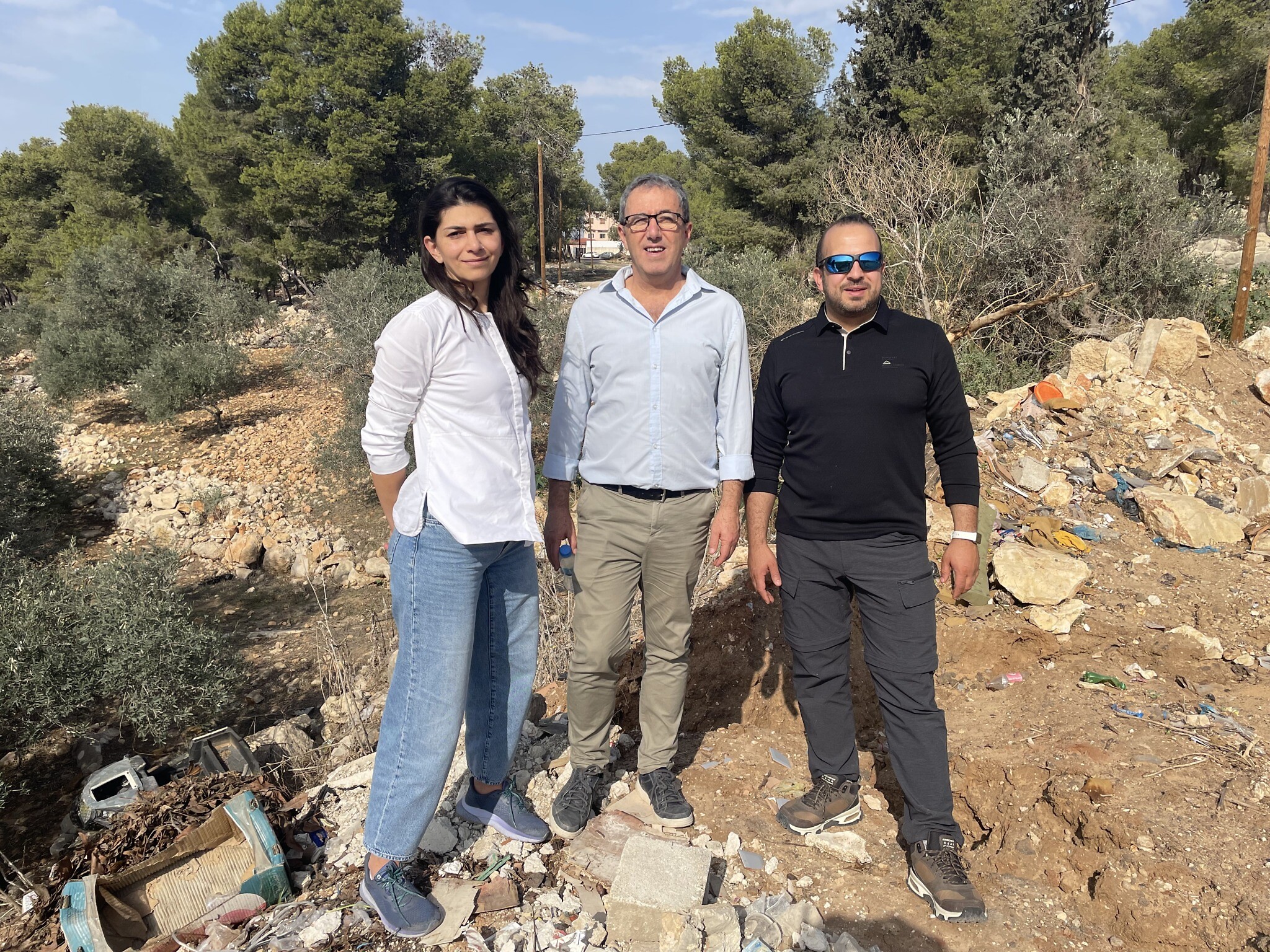
He went on, “EcoPeace’s experience is that the bottom-up leadership of mayors on both sides of the Green Line would be most effective to help solve a complex problem mostly created by high-level politics.”
Stopping electronic waste required stamping out Israeli-Palestinian criminal activity, he continued, and stationing one soldier at each Green Line crossing point to catch offenders.
While Palestinian local authorities that were able to raise taxes had joined forces and set up Joint Services Councils to treat household and agricultural waste, towns and villages without such funding were left dependent upon the Palestinian Authority, Bromberg explained. The latter, however, was severely hit by Israel’s withholding of Palestinian taxes, which the Jewish state collects and is supposed to transfer in line with the Oslo Accords. The deductions are in line with sums allegedly granted under Palestinian Authority policy to terrorists jailed by Israel and their families, as well as funding earmarked for Gaza.
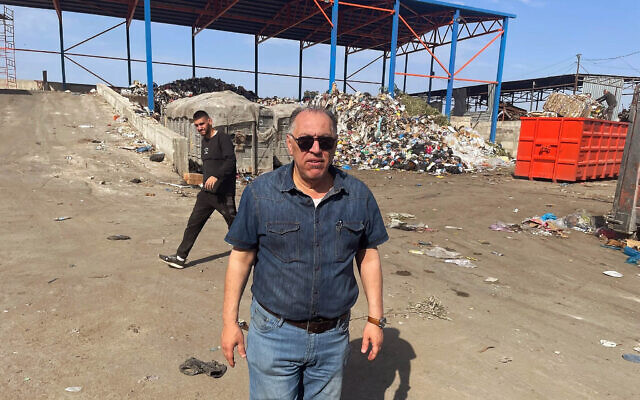
Dafna Rabinovitch, Shoham’s mayor, told Kroizer’s Knesset committee that daily emissions of benzene, a known carcinogen, from fires close to her community were averaging 7.9 milligrams per cubic meter, far above the legal limit of 3.9.
“Nobody has told me what to do,” she said. “I need answers, now. “







The Times of Israel Community.