

Pope calls for peace at Lebanese tomb of saint revered by Christians and Muslims alike
Pontiff, traveling in a closed popemobile with troops deployed along motorcade route, is set to preside over interfaith gathering of Christian and Muslim leaders in Beirut
 Add ToI as a Preferred Source on Google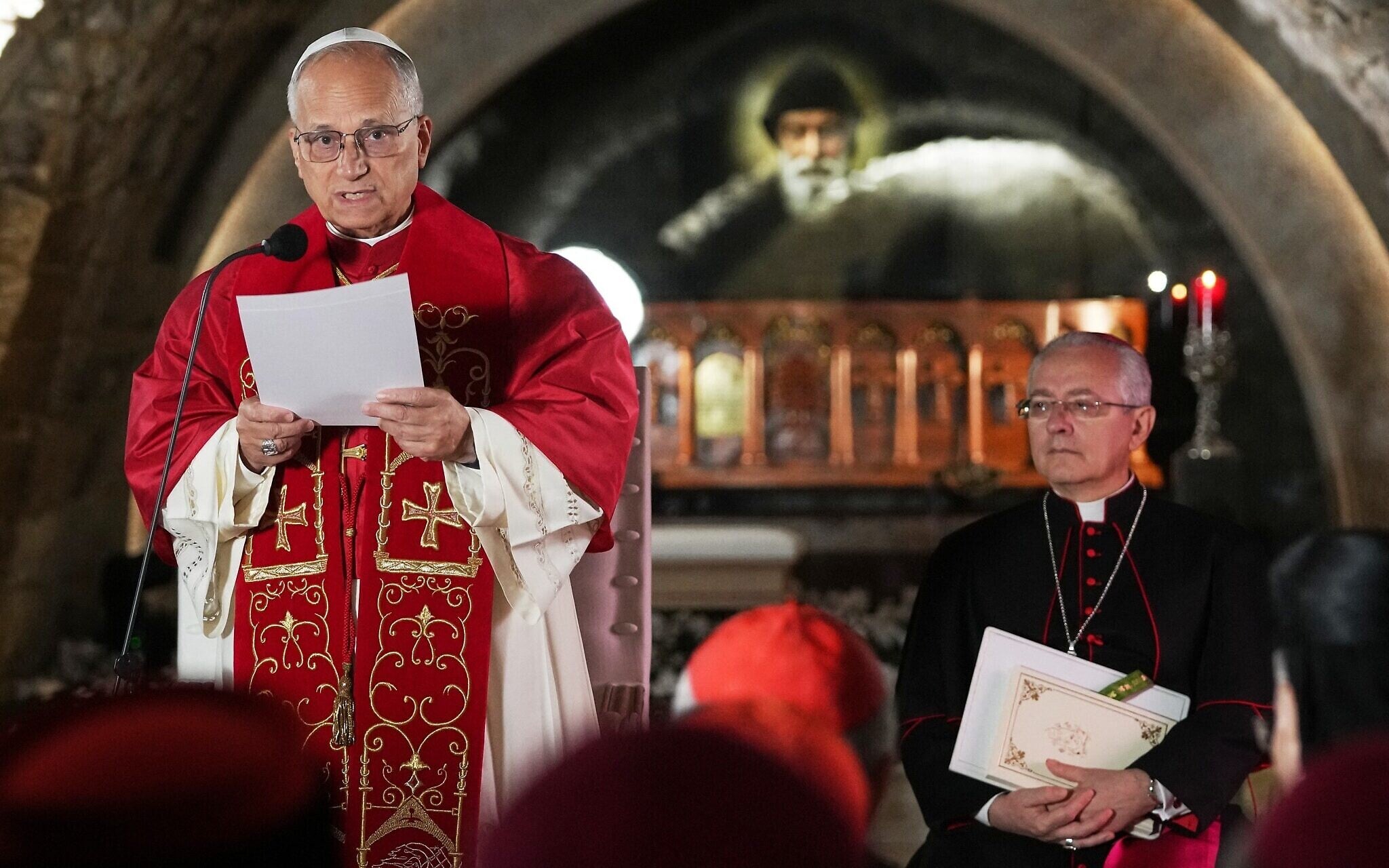
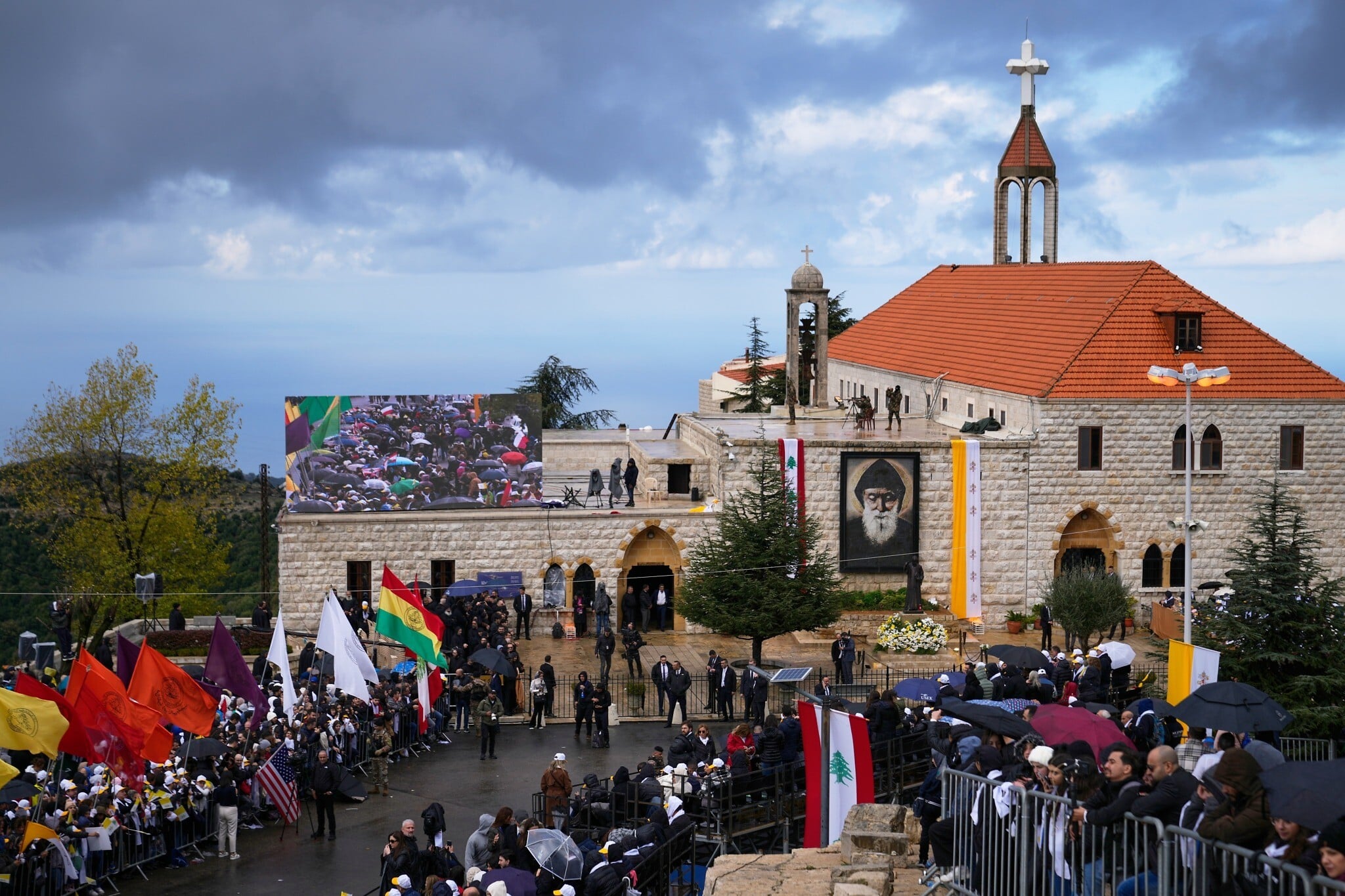
ANNAYA, Lebanon — Pope Leo XIV prayed Monday at the tomb of a Lebanese saint revered among Christians and Muslims as he opened his first full day in Lebanon with a message of peace and religious coexistence in a region torn by conflict.
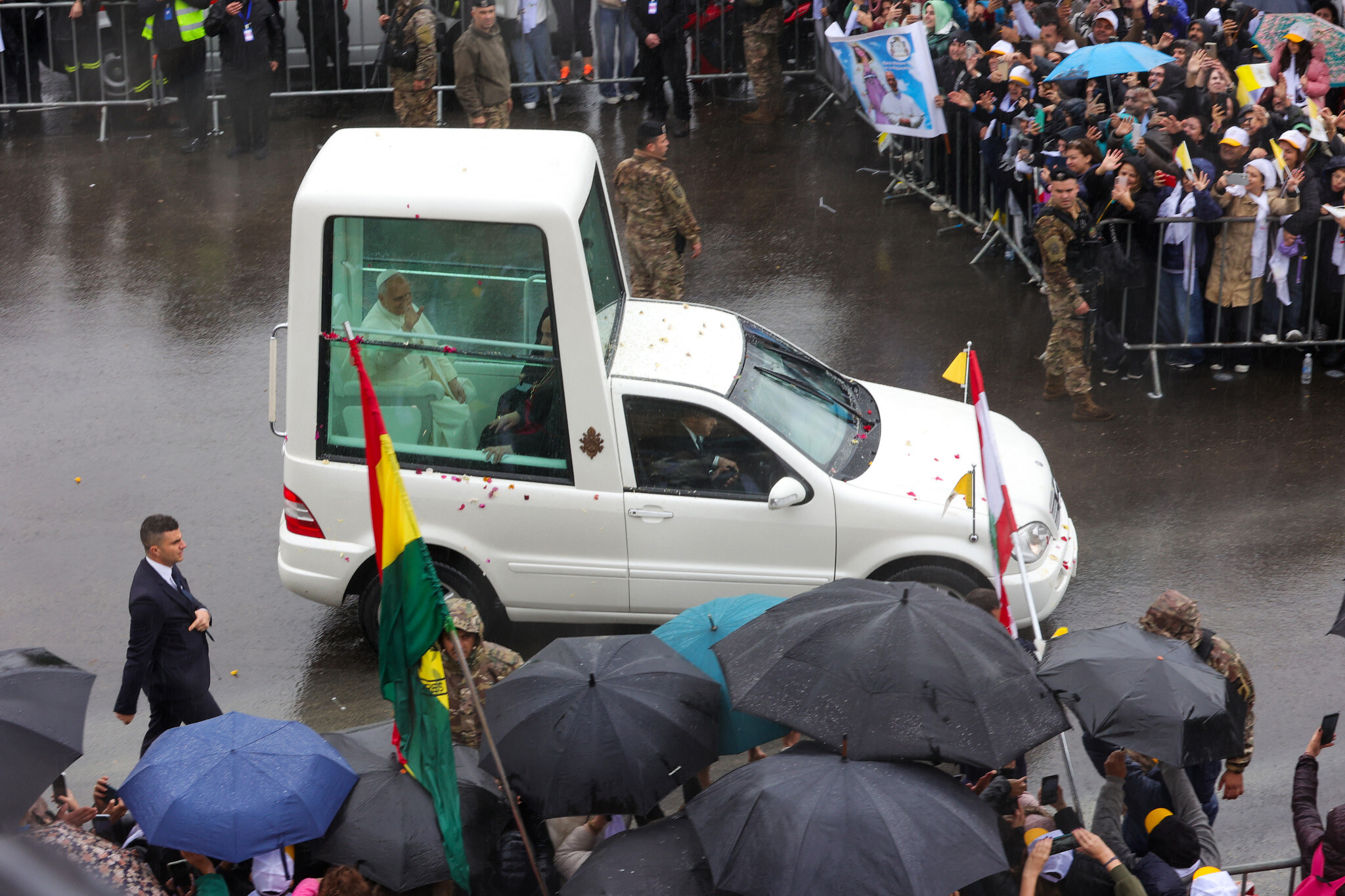
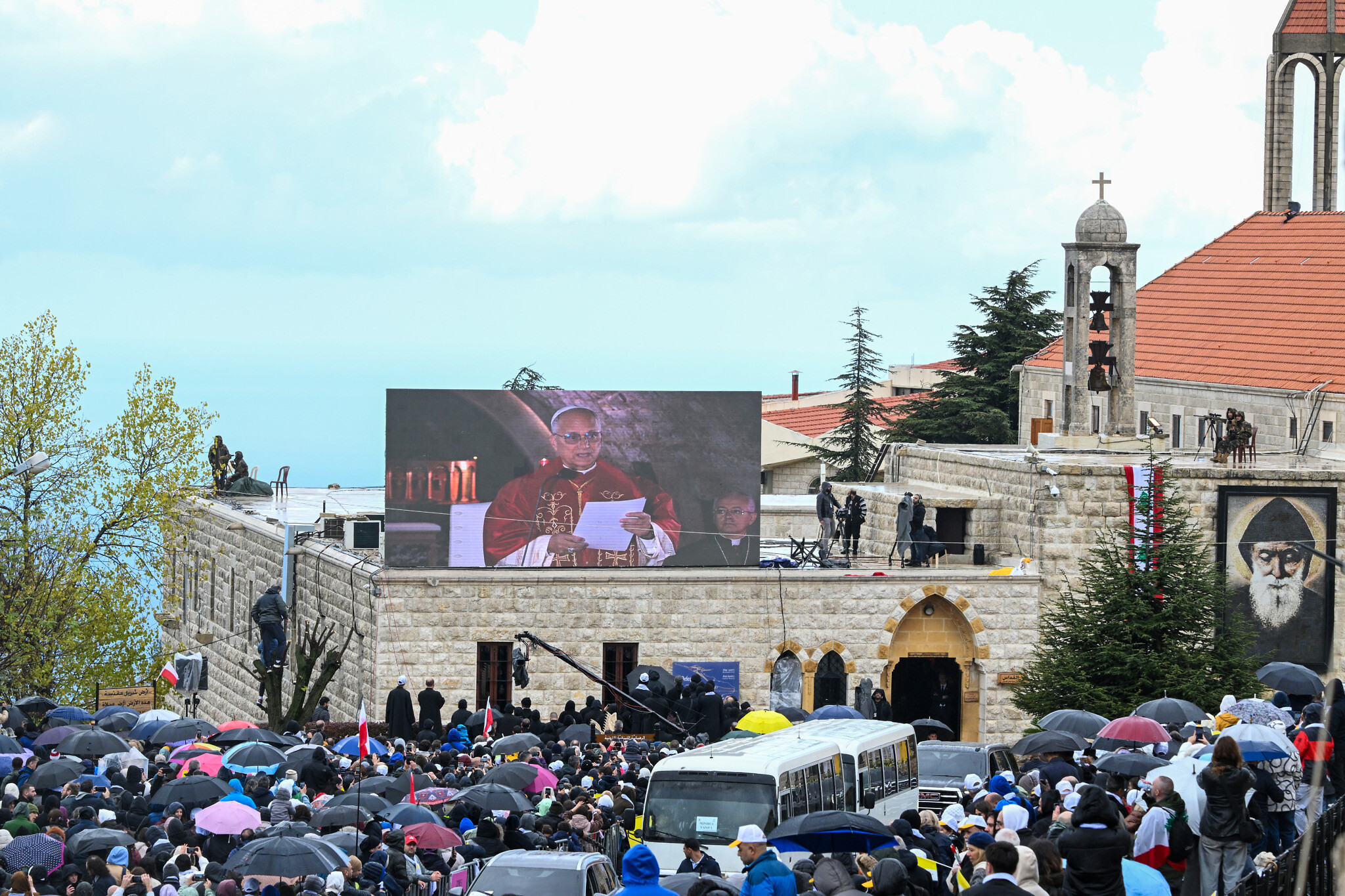
As bells rang out, thousands of enthusiastic Lebanese braved a morning of steady rain to line Leo’s motorcade route heading into Annaya, around 40 kilometers (25 miles) from Beirut. Some waved Lebanese and Vatican flags and tossed flower petals and rice on his covered popemobile in a gesture of welcome as it zoomed by.
Every year, hundreds of thousands of pilgrims visit the hilltop monastery of St. Maroun overlooking the sea to pray at the tomb of St. Charbel Makhlouf, a Lebanese Maronite hermit who lived from 1828 to 1898. He is known for alleged miraculous healings that have occurred after people prayed for his intercession.
Leo prayed quietly in the darkened tomb, and offered a lamp as a gift of light for the monastery.
“Sisters and brothers, today we entrust to St. Charbel’s intercession the needs of the church, Lebanon and the world,” Leo said in French. “For the world, we ask for peace. We especially implore it for Lebanon and for the entire Levant.”
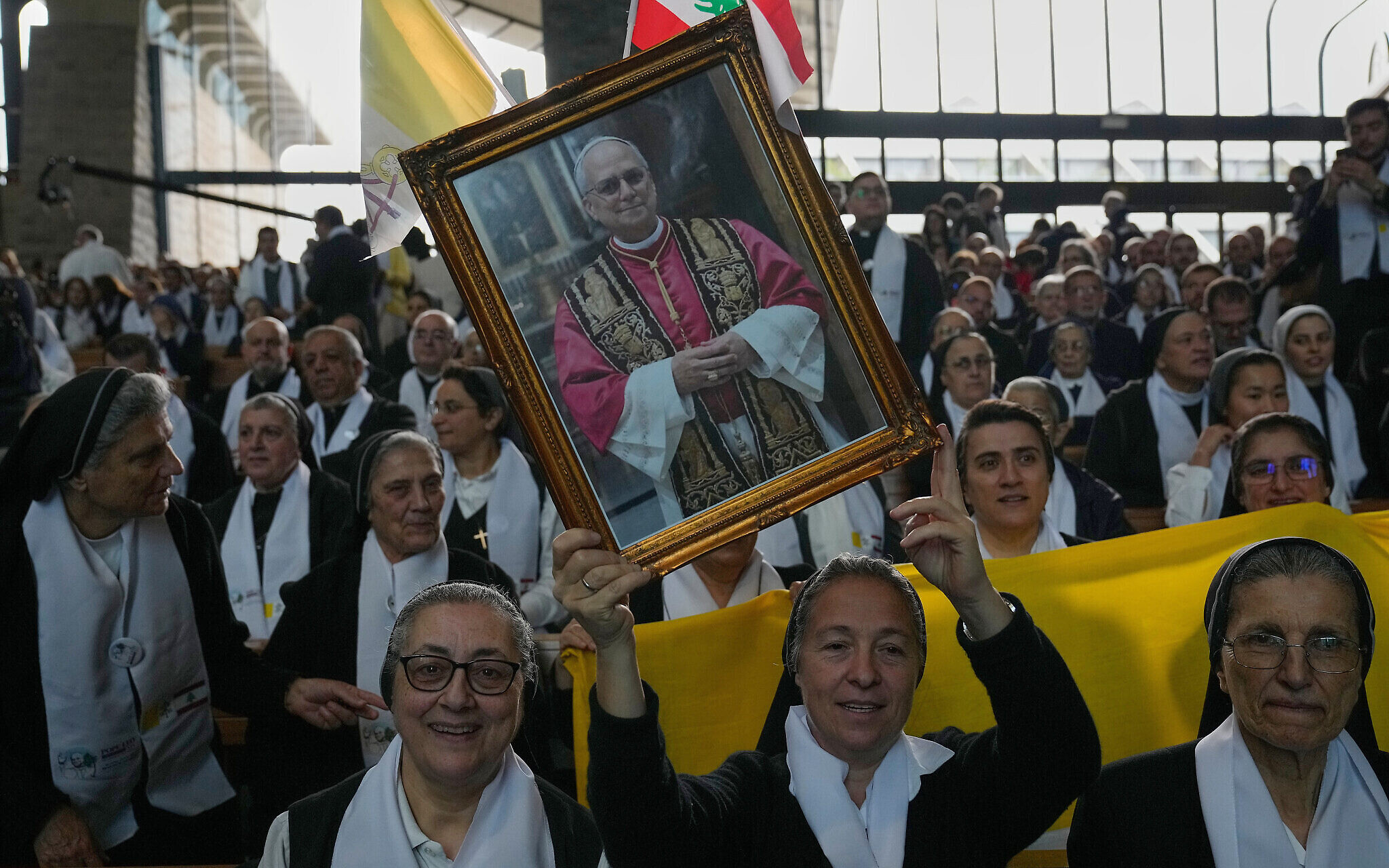
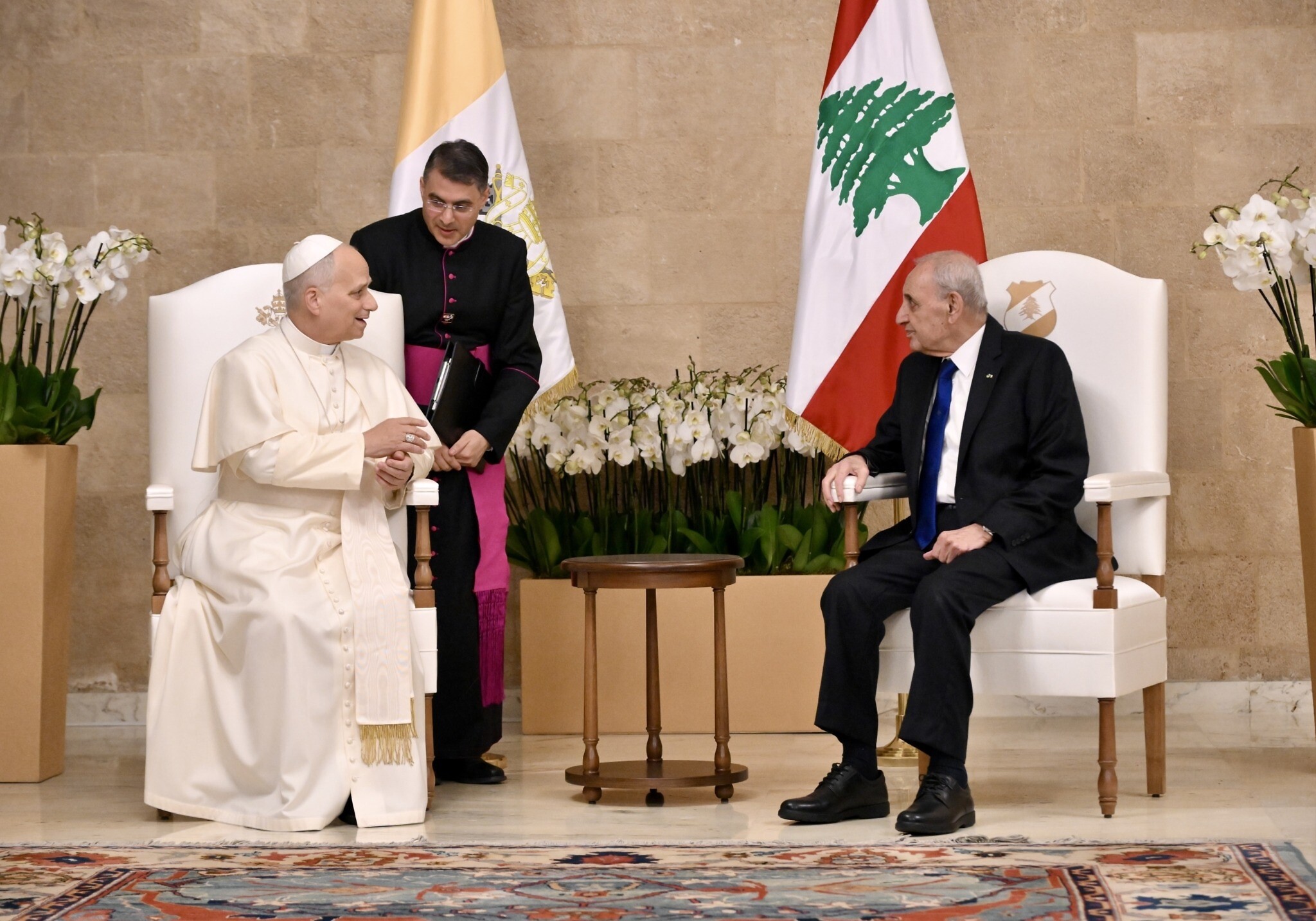
Leo’s visit to the tomb, the first by a pope, opened a busy day for history’s first American pope. He is set to meet with Catholic priests and nuns at a shrine in Harissa and then preside over an interfaith gathering alongside Lebanon’s Christian and Muslim leaders in the capital Beirut.
A message of peace in a time of turmoil
There, Leo was expected to hammer home his core message of peace and Christian-Muslim coexistence in Lebanon and beyond at a time of conflict in Gaza and political tensions in Lebanon that are worse than they have been in years.
His visit comes at a tenuous time for the tiny Mediterranean country after years of economic crises and political deadlock, punctuated by the 2020 Beirut port blast.
More recently, Lebanon has been deeply divided over calls for Hezbollah, a Lebanese terror group and political party, to disarm after sparking a war with Israel that left the country deeply damaged.
Leo was moving through Lebanon in a closed popemobile, a contrast with the previous Pope Francis, who eschewed bullet-proofed popemobiles throughout his 12-year pontificate.
Lebanese troops deployed on both sides of the road along his motorcade route.
Leo was to end the day at a rally for Lebanese youth at Bkerki, the seat of the Maronite church, where he is expected to encourage them to persevere and not leave the country like many others despite Lebanon’s many challenges.
A plea for Christians to stay
Leo arrived Sunday in Lebanon from Turkey, where he opened his first trip as pope. He is set to wrap up his visit on Tuesday with a prayer at the site of the 2020 Beirut port blast and a Mass on the waterfront.
In his opening speech, Leo challenged Lebanon’s political leaders to put aside their differences and work to be true peacemakers, while also urging Lebanese Christians in particular to remain in the country.
Today, Christians make up around a third of Lebanon’s 5 million people, giving the small nation on the eastern coast of the Mediterranean the largest percentage of Christians in the Middle East.
A power-sharing agreement in place since independence from France calls for the president to be a Maronite Christian, making Lebanon the only Arab country with a Christian head of state.
Lebanon’s Christian community has endured in its ancestral homeland even as the rise of the Islamic State drove an exodus from communities in Iraq and Syria that dated to the time of the Apostles.
“We will stay here,” said May Noon, a pilgrim waiting for Leo outside the St. Charbel Monastery. “No one can uproot us from this country, we must live in it as brothers because the church has no enemy.”
Bishop Antoine-Charbel Tarabay accompanied a group of 60 people from the Lebanese diaspora in Australia to welcome Leo and join in his prayer for peace, but also to reinforce the Christian presence in the country.
“Even though we live abroad, we feel that we need to support young people and the families to stay here,” he said as he waited for the pope to meet with clergy in Harissa, north of Beirut. “We don’t like to see more and more people leaving Lebanon, especially the Christians.”
Tarabay said Lebanese were grateful that Leo chose to visit on his maiden voyage as pope.
“He decided to say that there we have suffering people, we have young people that are very much like at the edge of desperation,” he said. Leo, he said, decided: “I have to go there and to tell them ‘You’re not forgotten.’”
Times of Israel staff contributed to this report.


The Times of Israel Community.