

PM denies not informing ministers of transfer of 6-months’ worth of flour to Gaza
Netanyahu’s office says cabinet approved phased entry of American flour waiting in Ashdod; National Unity minister backs up premier
 Add ToI as a Preferred Source on Google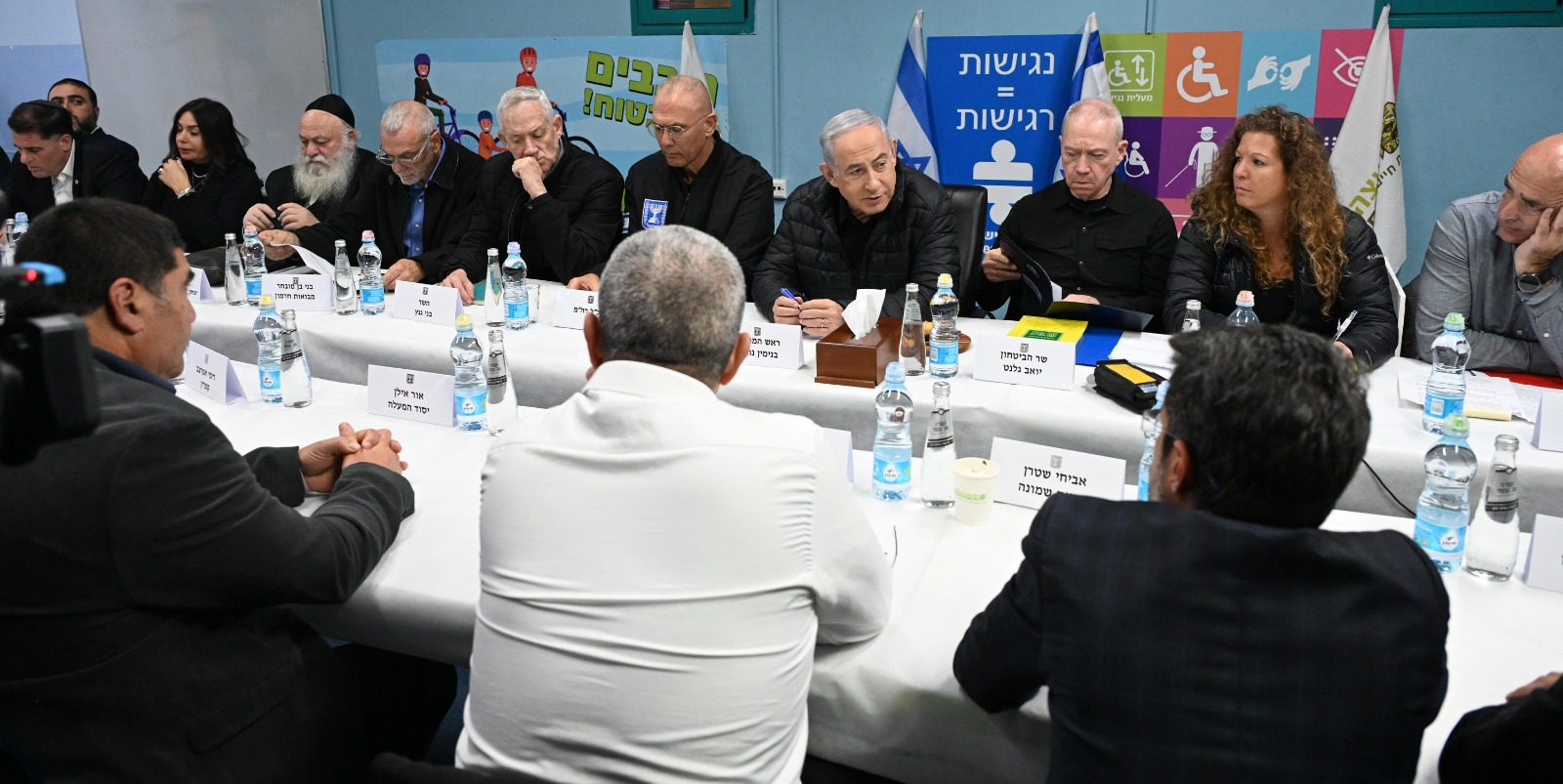
The Prime Minister’s Office denied a report Wednesday that Prime Minister Benjamin Netanyahu had concealed a decision to let tens of thousands of tons of flour enter the Gaza Strip from his ministers.
Channel 12 news said the cabinet had not been informed of the approval of 150 trucks’ worth, a quantity of flour that would fulfill the war-torn Strip’s needs for six months, and that implementation had already started.
The move was first announced by the US last week, without Israel acknowledging it. Channel 12 said that ministers had been surprised to learn of it, and that those who made queries on the matter were told the report was untrue. However, the delivery has already started, it said.
It implied that Netanyahu was trying to conceal the decision from ministers and the public due to its unpopular nature among large swaths of Israelis, with many believing no or little support should be given to the Strip so long as many hostages remain in Hamas captivity.
The Prime Minister’s Office rejected the report and said the cabinet had approved the delivery.
“This is an American shipment that arrived at Ashdod for Gaza prior to the war in addition to another delivery that is on its way now,” the PMO said. “The flour will enter gradually over months and not all at once as was reported, and will not change the number of trucks that enter the Gaza Strip every day.”
National Unity Minister Chili Tropper backed up the PMO, telling the network “Netanyahu at the last cabinet meeting, I believe last week, brought up the flour issue and there was a deliberation on the matter.”
Israel initially heavily restricted aid into Gaza in the wake of the October 7 massacre, when some 3,000 Hamas terrorists surged into Israel, killing some 1,200 people, most of them civilians, and taking 253 hostage.
This initially included water and electricity that Israel provides the enclave, but these were rather swiftly restored, and more and more aid has been allowed into the territory under international pressure to alleviate the difficult humanitarian situation there. The goods first went in only through Egypt, but in December Israel for the first time approved the reopening of its own Kerem Shalom Crossing to allow in more supplies, following US pressure.
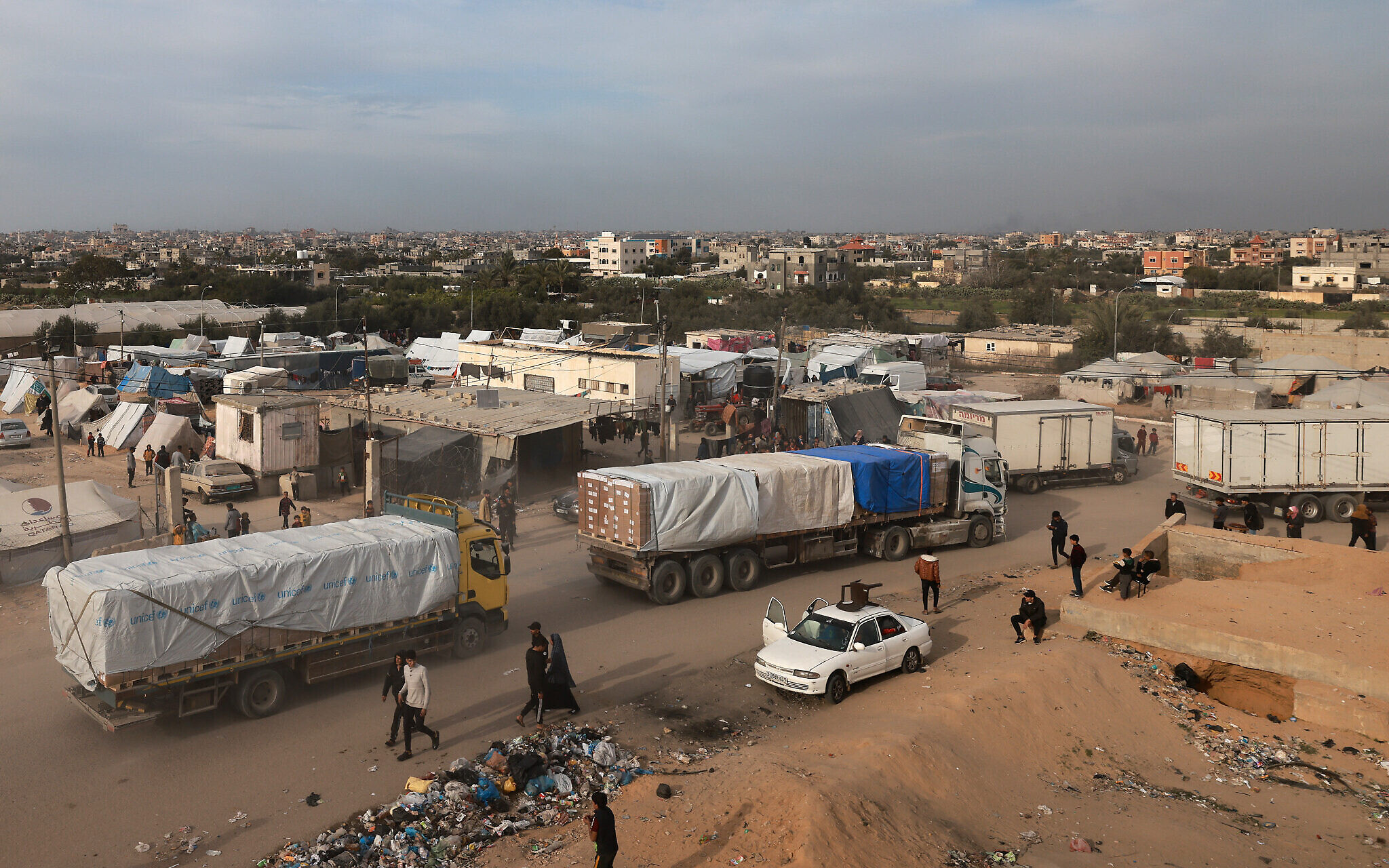
Earlier Wednesday, protesters blocked a queue of trucks carrying aid supplies, some of them flying Egyptian flags, from entering into Gaza from Kerem Shalom.
Attended by families of hostages being held in Gaza, the protest underlined the government’s narrowing room to maneuver as it faces growing international pressure to allow more humanitarian relief in Gaza, while at the same time contending with intense domestic pressure to both secure the release of the hostages, limit assistance to beleaguered Gazans and deliver achievements in the protracted and increasingly deadly campaign.
The United Nations estimates that 1.9 million Gazans — 85 percent of the prewar population — have been displaced as Israel urged civilians to leave areas where there was fighting. There are shortages of food, water, fuel, and medicines despite efforts to bring in larger amounts of aid. The war is in its 110th day.
Canaan Lidor and agencies contributed to this report.








The Times of Israel Community.