

Smaller prey, not bigger brains, drove prehistoric tech revolution, Israeli researchers say
New study by Tel Aviv University scientists posits disappearance of megaherbivors in the Levant drove humans to develop smaller, more sophisticated tools 200,000 years ago
 Add ToI as a Preferred Source on Google
Rossella Tercatin is The Times of Israel's archaeology and religions reporter.
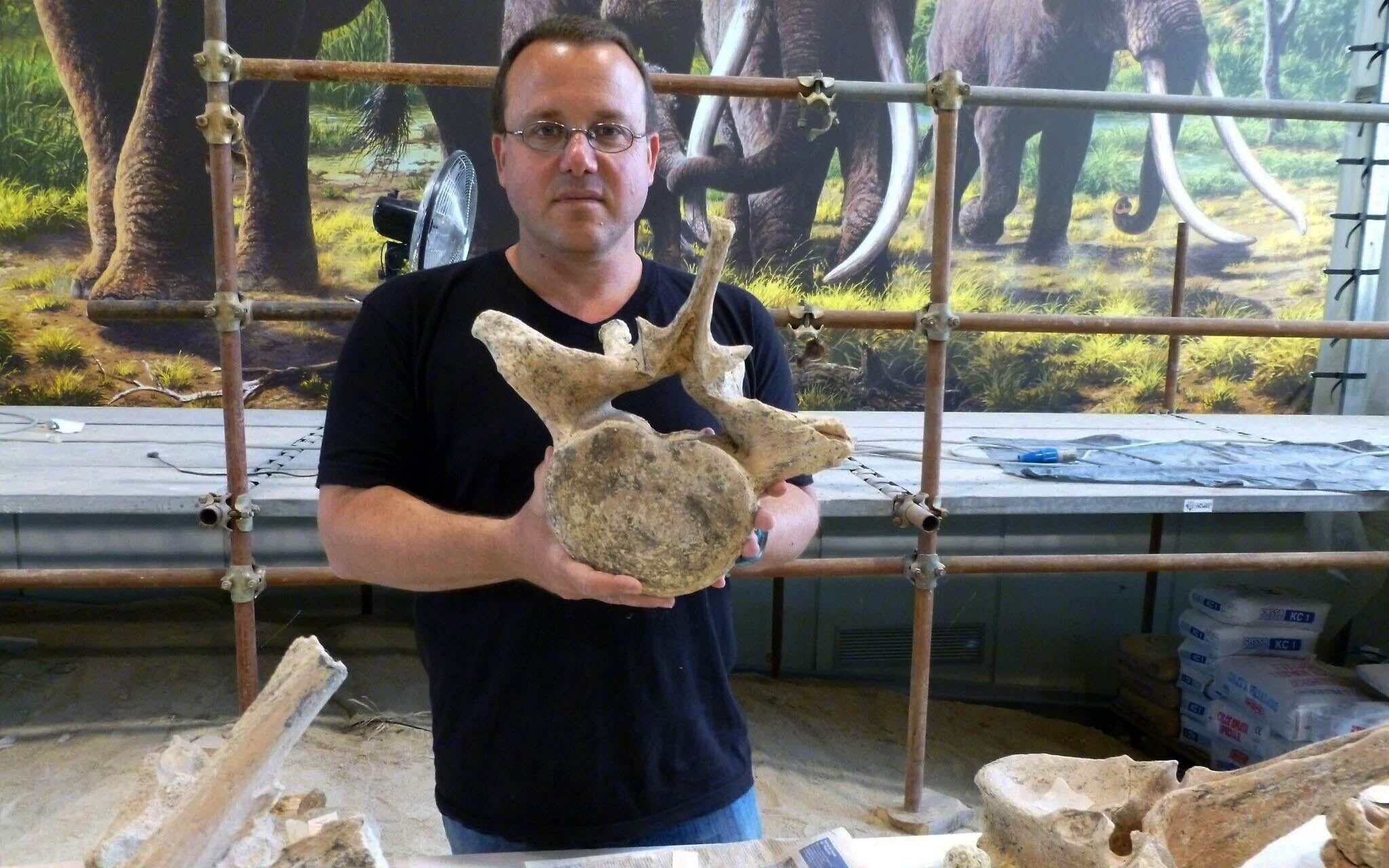
Some 200,000 years ago, prehistoric humans ceased using the large, heavy stone tools their ancestors had used for nearly 2 million years before that — such as handaxes, cleavers, and massive scrapers — and developed smaller and more sophisticated ones.
Until now, scholars attributed the change to an increase in cognitive ability in ancient hominins. However, a recent study by Tel Aviv University researchers, published in the April issue of the Quarterly Science Review, suggests that the disappearance of megaherbivores like elephants and hippos was also a crucial factor in driving the change.
“During the Lower Paleolithic period (approximately 2 million to 200,000 years ago), humans routinely used heavy-duty tools such as handaxes, cleavers, and massive scrapers,” PhD candidate Vlad Litov, the lead author of the study, said in a statement. “These tools were particularly well suited for butchering and processing the very large animals that served as a primary food source for humans throughout this period.”
“With the transition to the Middle Paleolithic period, around 200,000 years ago, heavy-duty tools almost completely disappeared and were replaced by smaller, lighter, and more sophisticated tools,” he added. “Until now, this shift has been attributed to advances in human cognition. In our new study, we propose a different interpretation: the dramatic decline in the prevalence of megaherbivores was the key driver of this technological change.”
The elephants that stampeded through the Middle East up to 400,000 years ago were called “straight tusk elephants,” with the largest males weighing up to 13 tons. In comparison, the average African bush elephant today is around 7 tons for males.
Early humans would kill elephants sparingly, but when they did, it could feed their community for months. Other megaherbivores in the area included rhinos and hippos.
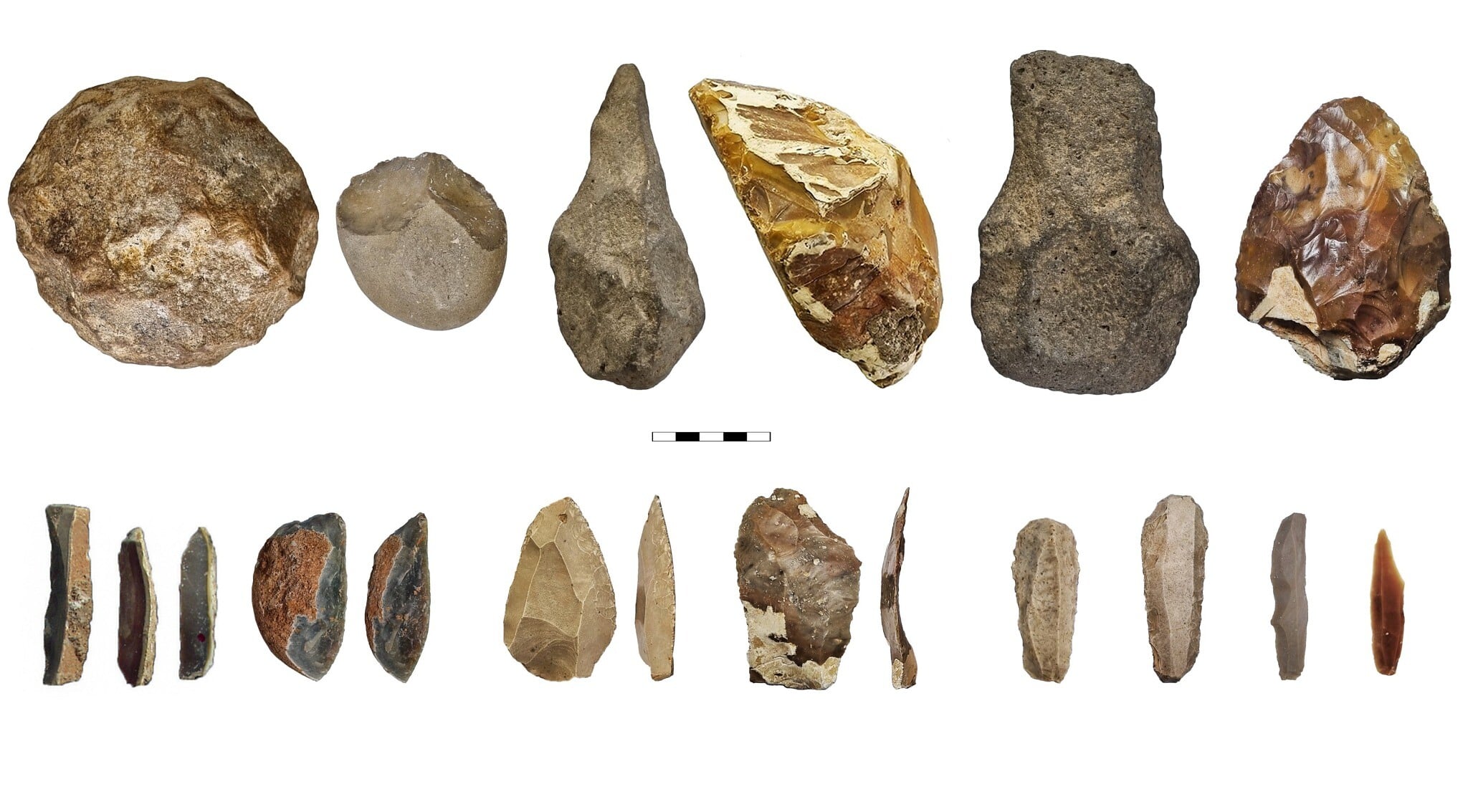
The researchers analyzed animal remains and stone tools unearthed in dozens of sites across the Levant.
Around 200,000 years ago, humans began hunting smaller animals, such as fallow deer, using smaller tools that were likely more efficient for processing the prey.
“The findings shed new light on the relationship between early humans and their environment, highlighting how profound ecological changes can shape human culture, technology, and ways of life over time,” Prof. Ran Barkai said in the statement.
“Our study suggests that the dramatic technological shifts of prehistory were not the result of a sudden leap in human cognitive abilities, but rather a direct response to major environmental change,” he added. “In this sense, the environment not only influenced early humans, but directly shaped their technology, and perhaps even their cultural and cognitive development.”
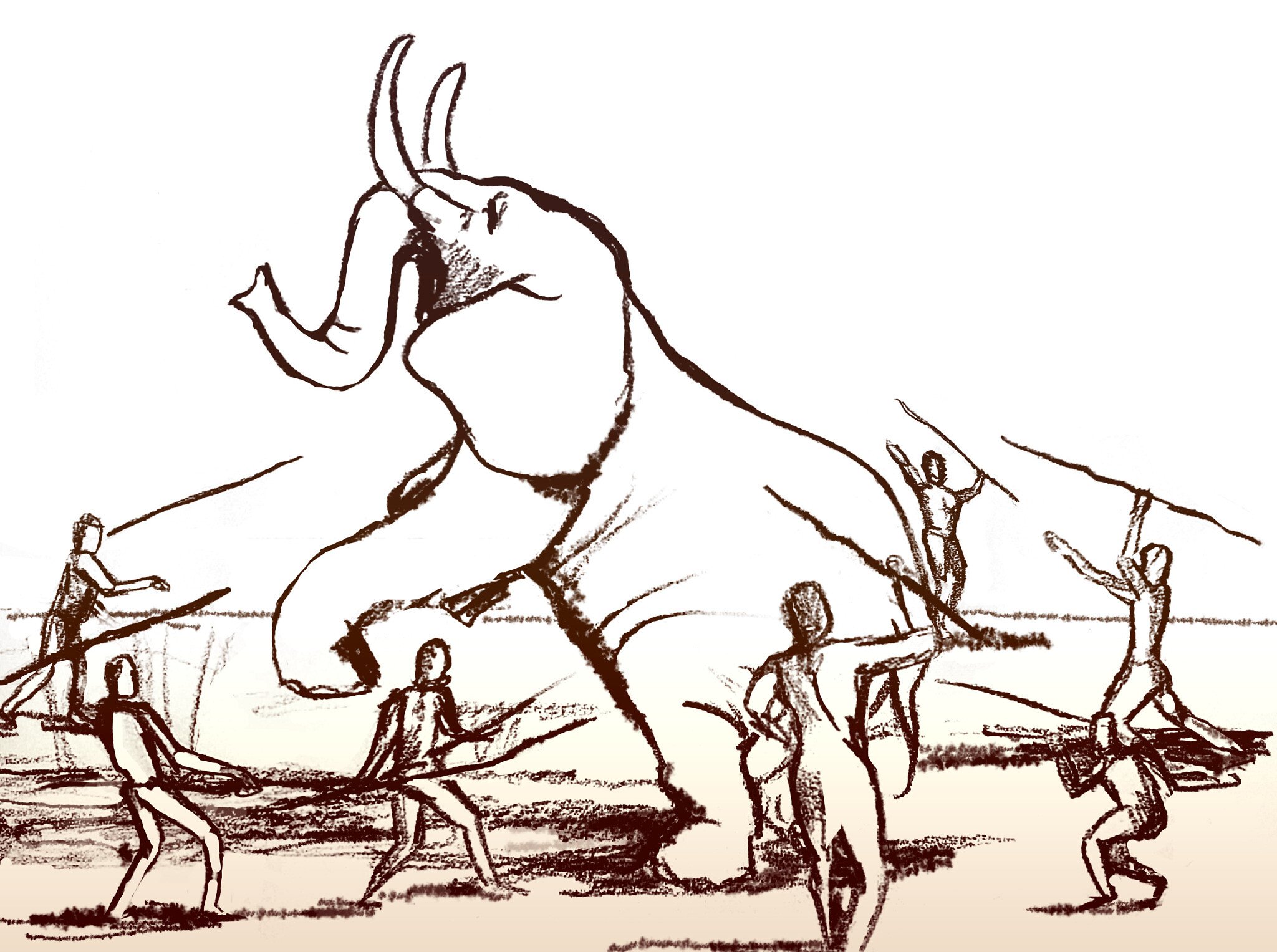
The most recent paper is part of a larger research project that Barkai and his team have been conducting for over a decade, focusing on the role of megaherbivores and their extinction in human diet and evolution.
Previous research also suggested that the extinction of large animals forced humans to adapt to increasingly smaller prey and, eventually, to domesticate plants and animals during the agricultural revolution.
Melanie Lidman contributed to this report.










The Times of Israel Community.