

State approves immediate return home of 7 of 13 worst-hit Gaza border communities
Defense Ministry withdraws prohibitions after Tekuma Directorate completes many repairs; state will generally stop supporting rental payments for the seven, with some exceptions
 Add ToI as a Preferred Source on Google
Sue Surkes is The Times of Israel's environment reporter
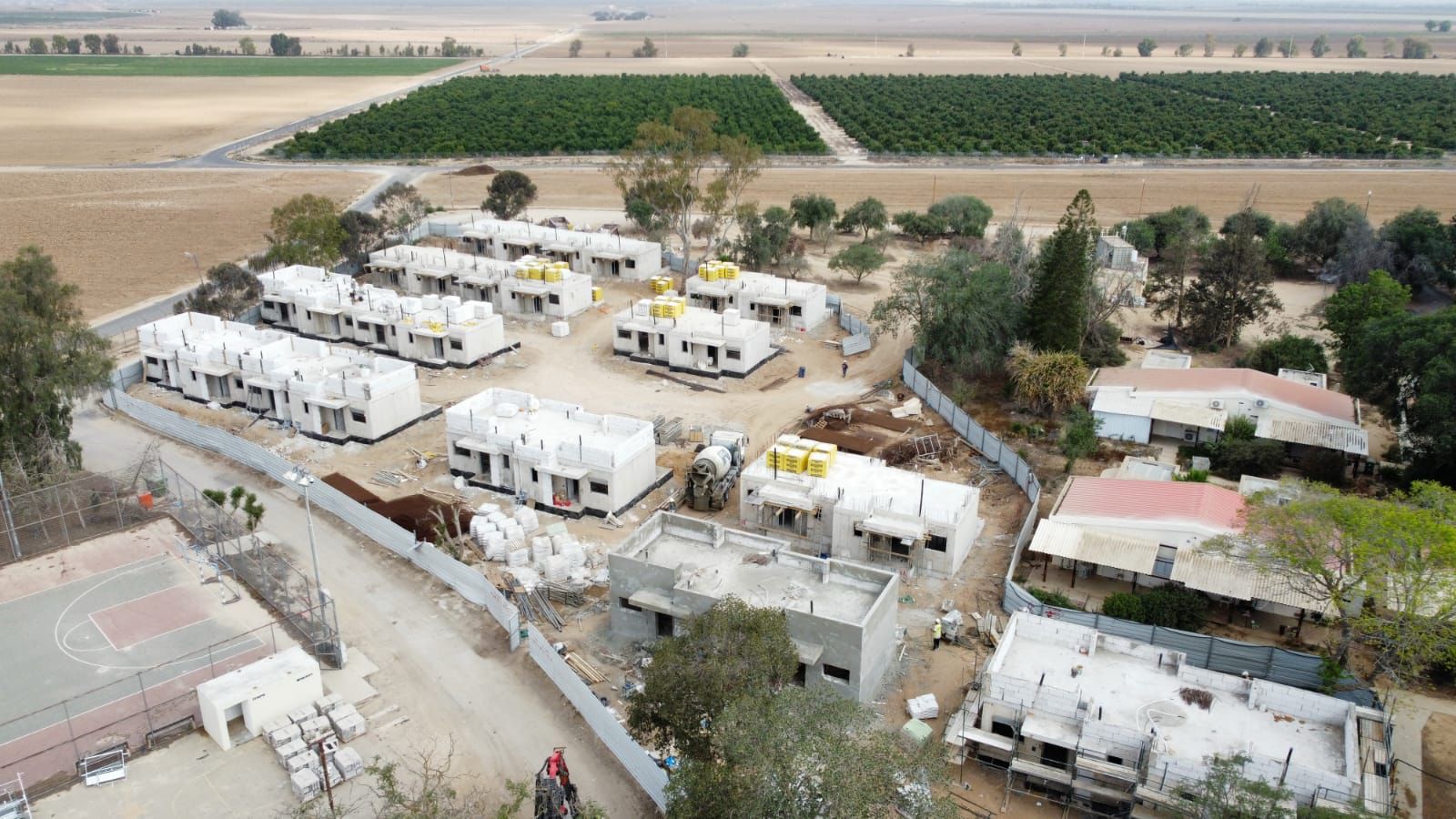
The government on Sunday greenlighted the immediate return of residents to seven of the 13 communities worst hit by the Hamas terror invasion of southern Israel on October 7, 2023.
Authorities lifted all military bans and announced the completion of essential renovations that will enable members of Re’im, Kerem Shalom, Nirim, Ein Hashlosha, Sufa, Nir Yitzhak, and Netiv Ha’asara to return home starting Tuesday, should they wish it.
After July 31, the state will cease subsidizing rental accommodations for individuals from these communities who return. Those who feel they cannot return yet will be able to apply for continued rental assistance until June 30 next year.
In August, essential works are expected to be completed in Nahal Oz, enabling residents to return there before the start of the next school year.
A green light for Kissufim residents is expected in November 2025, with Holit, Kfar Aza, and Be’eri following in 2026.
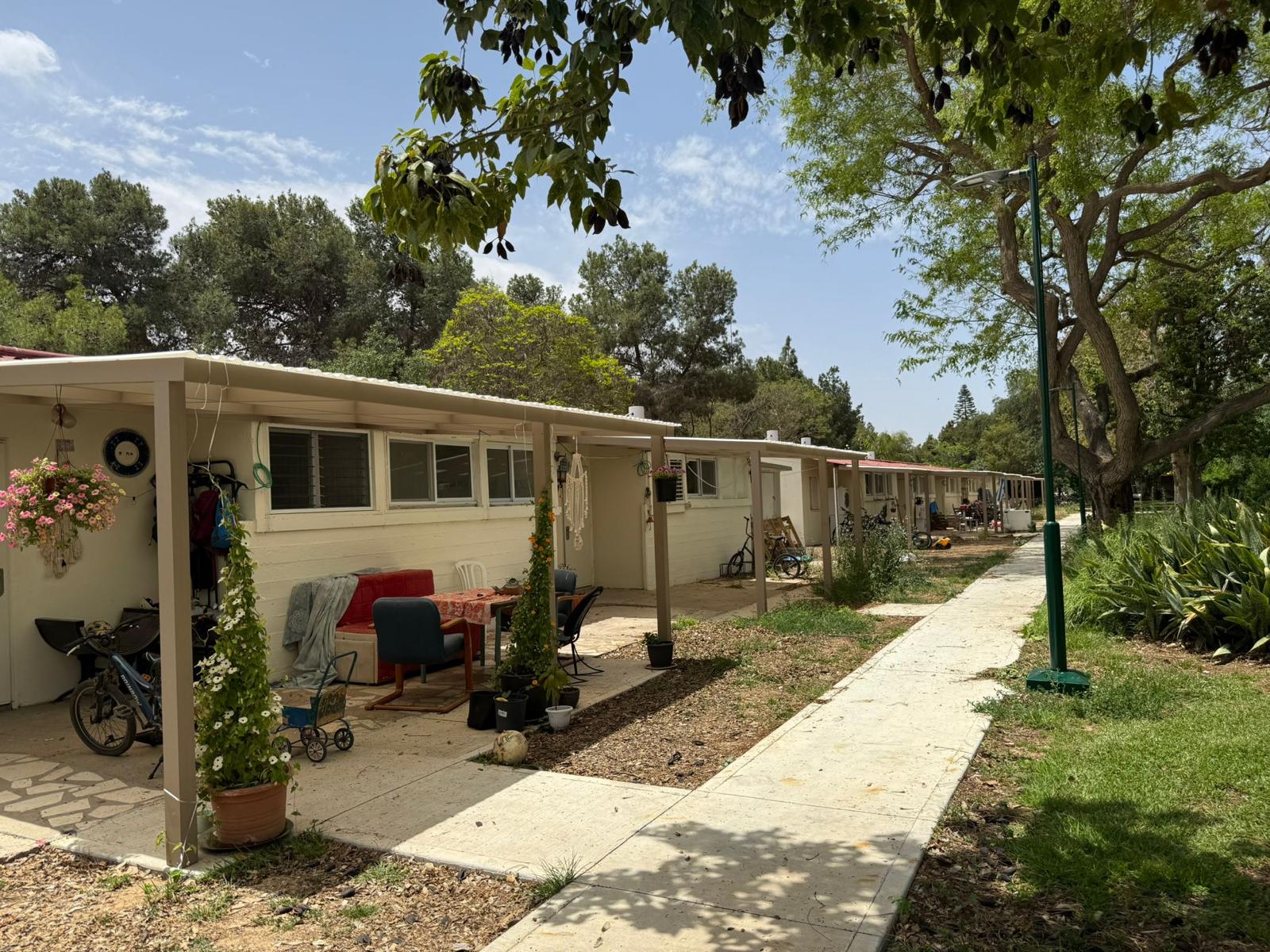
Kibbutz Nir Oz was largely destroyed on October 7 when Hamas terrorists entered all but six of over 200 homes in the small community and either murdered or kidnapped one of every four residents — 117 people out of some 400.
The kibbutz had held out for what it saw as an acceptable deal, only agreeing with the state recently on a plan to invest over NIS 350 million ($95 million) in rehabilitation and redevelopment. Planning has just begun, and residents continue to live in state-subsidized apartments in the southern city of Kiryat Gat. There is no return date set.
Ze’ev Elkin, the minister with the overall charge of rehabilitating the Gaza border area in the south and the Lebanese border region in the north, said Sunday: “Thanks to a deep partnership with the communities, the Tekuma Directorate [responsible for rehabilitating the Gaza border area] and local authorities, we were able to shorten schedules, expand budgets, and create an infrastructure that allows not only a return, but growth as well.”
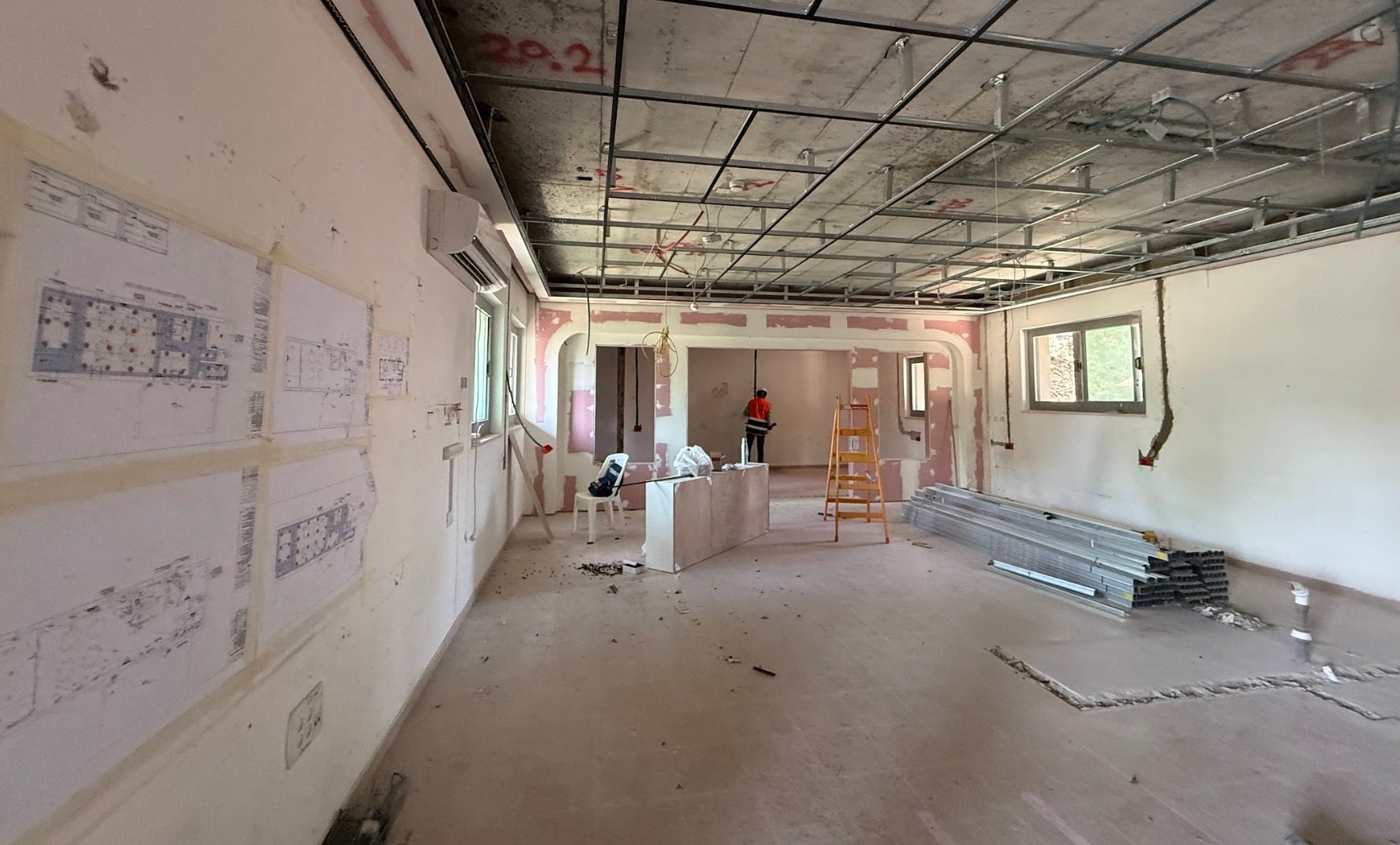
He vowed that the Gaza border area would be “restored, developed, and be a symbol of the strength, resilience and resurrection of Israeli society as a whole.”
Aviad Friedman, head of the Tekuma Directorate, said that with the removal of the security limitations, residents will be “able to return to their homes as a community.”

Nir Mesika, head of the directorate’s Construction, Housing and Infrastructure Division, said his colleagues had understood in the early days that “given the extraordinary events on every scale that occurred in the region on October 7, the physical rehabilitation had to be different.”
The framework created by the directorate allowed the communities to take responsibility for their own rehabilitation, “with the understanding that this was the way to advance the healing and rehabilitation processes of the communities themselves,” he continued. “We will continue to work with full vigor, together with the communities, until the entire process of building and rehabilitating the settlements in the region is completed.”
Loud booms, cracking walls, and a future unknown
Immediately after the Hamas invasion, which saw some 1,200 people in southern Israel slaughtered and 251 abducted to the Gaza Strip, the state evacuated 46 rural communities and the city of Sderot — all of which fall within seven kilometers (4.3 miles) of the Gaza border.
By the end of May 2025, the Tekuma Directorate said that 92 percent of the population had returned home.
The state aims to double the number of Gaza border residents from 64,000 as of October 6, 2023, to 120,000 by October 2033.
However, it remains impossible to predict how many of the 5,000 residents from the 13 most battered communities will ultimately return, or how long those who do return will stay.
The Habayta Forum (habayta means “homebound” in Hebrew), which represents the hardest-hit communities, estimated in May that 30% would not go back. The State Comptroller’s projection was 13%.
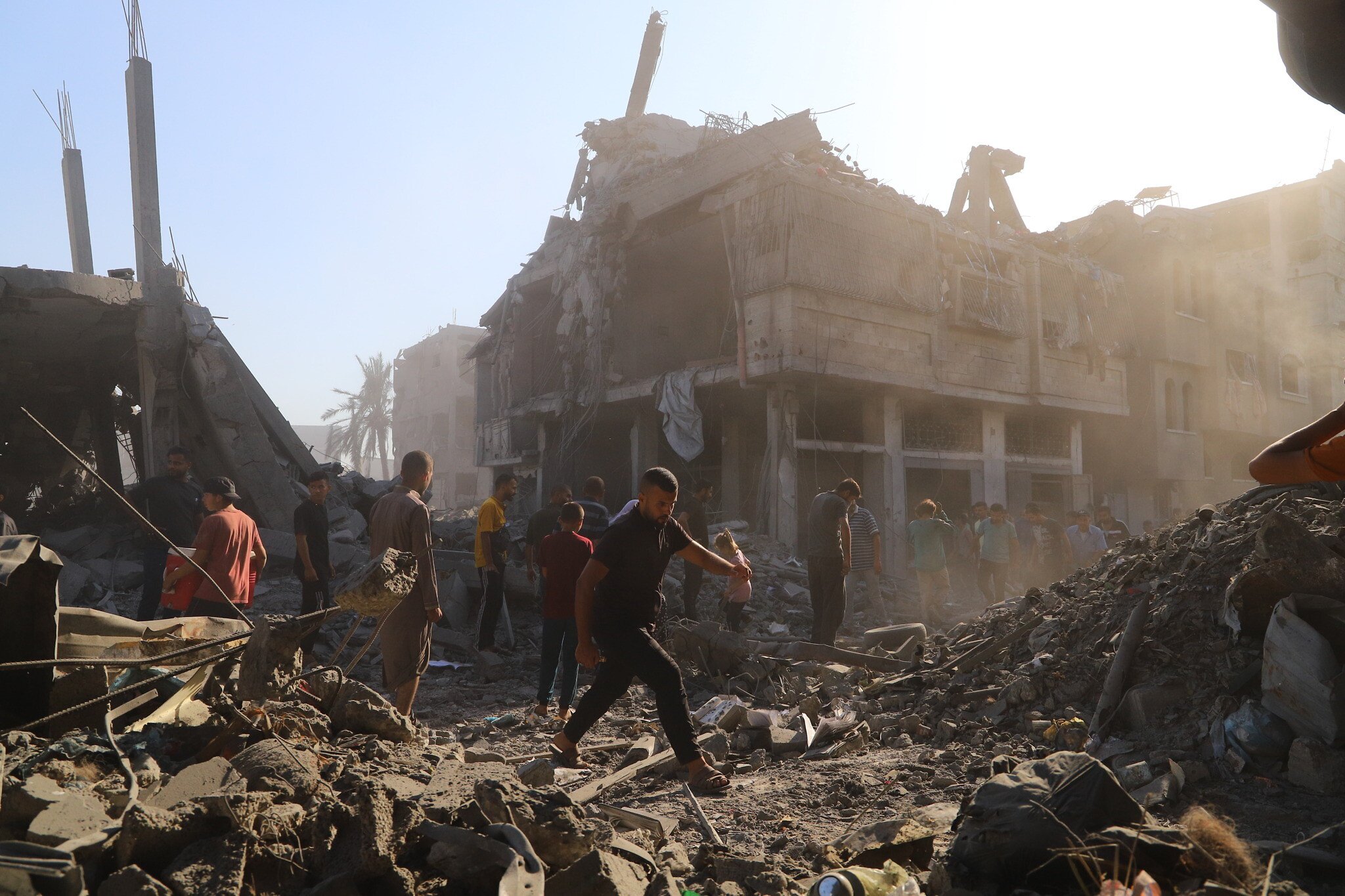
The IDF is continuing to operate in Gaza, and Israeli communities nearby are having to cope with the secondary effects of the deafening explosions that have reduced much of the Strip to little more than rubble.
Loud booms from airstrikes rock towns near the border at all hours of the day and sometimes into the early morning.
Since renovations were completed to repair the damage wrought by invading terrorists, the shockwaves radiating from massive explosions in the Strip have left cracks on every building in Kibbutz Nirim, “without exception,” according to community manager Maya Liberman.
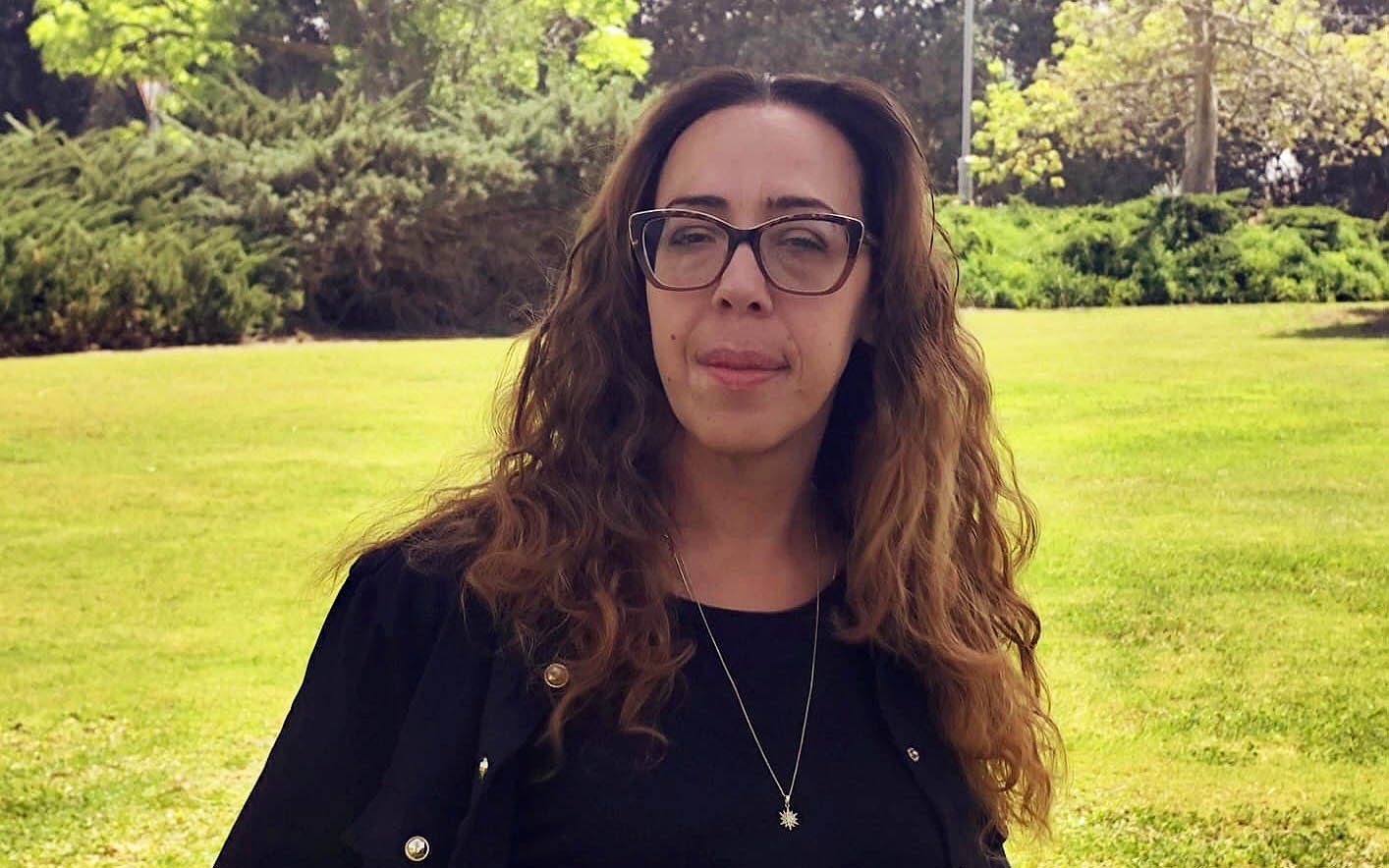
“Shutters fall out, windows burst, doors dislocate, pergolas separate from houses, and drinking glasses break. The kibbutz just moves,” Liberman told The Times of Israel, adding, “There are also big underground pipe bursts that were never an issue before this war.”
The loud noises are the result of IDF strikes on Hamas infrastructure and underground tunnels.
Rehabilitation is ‘more than plaster and paint’
“You don’t have to be clever to understand that there’s a war on, and it’s very hard to be here [close to the border] and to sleep, said Ziv Mazliach, chairman of the Habayta Forum and a member of Kfar Aza currently living in Kibbutz Ruhama, east of Sderot. “I live in Ruhama, and my house moves whenever [the IDF] bombs northern Gaza. I don’t know how many will come back even if the army decides it’s okay.”
He drew attention to a survey published by the Forum in May which found that many border residents were feeling economically squeezed and emotionally and mentally vulnerable.
The poll found that only 45% of 585 respondents from 11 frontline communities had full-time work, compared with 70% before October 7. Among the 28.1% who were not working at all, nearly half (45%) reported that this was due to mental and emotional reasons.
Around 60% reported that their expenses had risen exponentially since the start of the Israel-Hamas war, and over 70% said they felt more economic anxiety than before the Hamas attack.
Describing the renovations as “very nice,” Mazliach stressed that the Hamas-held hostages had to be released, faith in the state restored, and more done to improve employment, education, health, and psychological resilience, adding that rehabilitating people required “more than plaster and paint.”







The Times of Israel Community.