

Turkey detains, suspends thousands in huge new anti-Gulen crackdown
Latest wave targeting alleged supporters of exiled cleric comes week after vote expanding Erdogan’s powers
 Add ToI as a Preferred Source on Google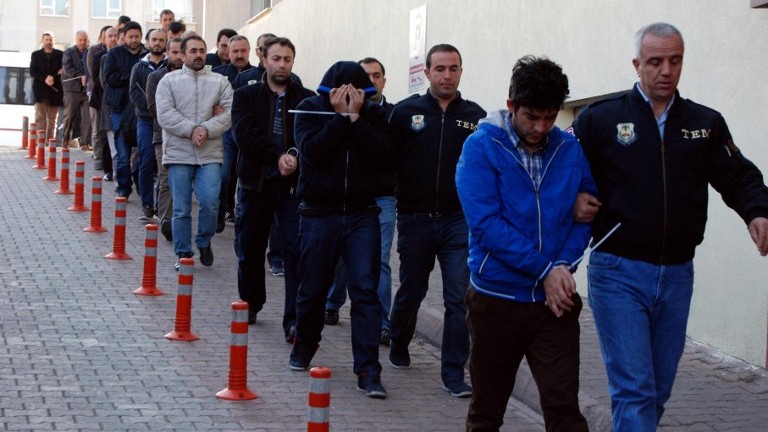
ISTANBUL, Turkey (AFP) — Turkey on Wednesday detained more than 1,000 people and suspended over 9,100 police in a vast new crackdown against alleged supporters of the US-based preacher accused of orchestrating the coup bid against Turkish President Recep Tayyip Erdogan.
Dawn raids across the country — seeking more than 3,000 suspects — were followed by a statement from police that 9,103 police officers were being suspended on suspicion of links to Fethullah Gulen.
The new wave of the crackdown came just over a week after Erdogan narrowly won a controversial referendum on ramping up his powers which opponents fear will hand him one man rule.
A total of 1,120 suspects have so far been detained, the official Anadolu news agency said.
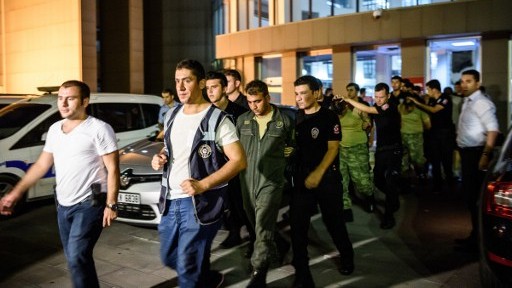
Anadolu said 4,672 suspects were sought in Wednesday’s raids — of whom 1,448 are already in jail — meaning that a total of 3,224 arrest warrants were issued.
About 8,500 police officers were involved in the nationwide operation, Anadolu reported, adding that arrest warrants had been issued for 390 suspects in Istanbul alone.
Meanwhile, the 9,103 police officers were being suspended on suspicion of links or contacts to Gulen’s group, on the grounds of national security, the police force said in a statement on its website.
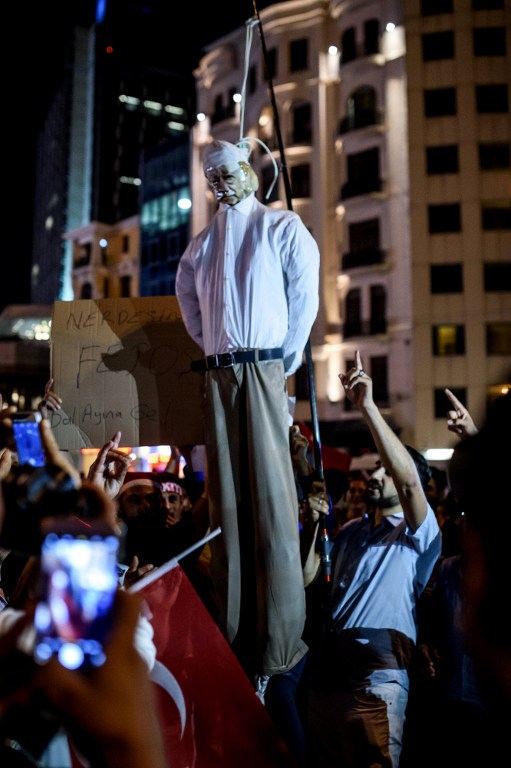
Turkish authorities blame Gulen for masterminding the July 2016 failed military coup that aimed to oust Erdogan from power but he denies the charges.
The government has repeatedly asked the United States to extradite Gulen, who has been living in exile there since 1999.
About 47,000 people have already been arrested in Turkey under a nine-month state of emergency in place since the coup bid, a crackdown whose magnitude has raised alarm in the West and caused further strife for Ankara’s bid to join the EU.
The Turkish parliament two days after the referendum extended the state of emergency by another three months to July 19.
After the latest sweep, German foreign ministry spokesman Sebastian Fischer said Berlin “has taken note of the mass detentions with concern,” urging respect for rule of law.
EU spokeswoman Maja Kocijancic said every individual had a right to a fair trial and emphasized that Turkey needed to respect the “highest democratic standards and practices.”
‘Secret imams’
The suspects detained are so-called “secret imams” of Gulen suspected of infiltrating themselves into the police or other state institutions, Anadolu said.
Erdogan has repeatedly said he will wipe out the “virus” of Gulen from state institutions after the failed coup.
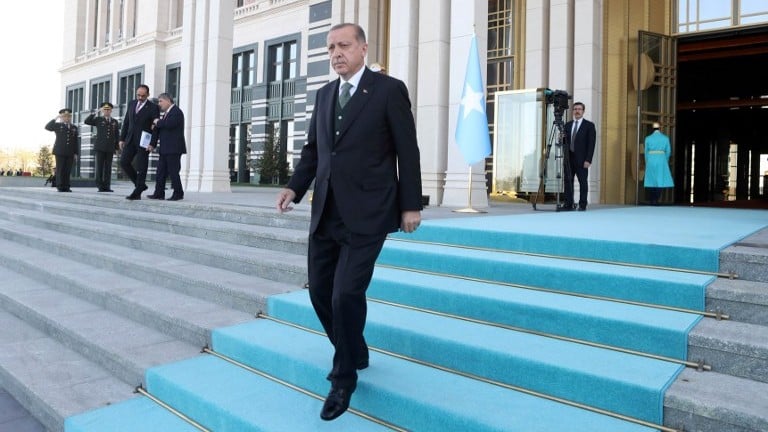
The vast operation targeted big cities such as Istanbul as well as Izmir in western Turkey and Konya in the Anatolian heartland.
Prime Minister Binali Yildirim had hinted in a television interview this month that a new anti-Gulen crackdown had been in the pipeline.
The ‘Yes’ camp won 51.41 percent of the vote in the April 16 referendum on creating a presidential system in Turkey but opponents claim the result would have been reversed in a fair poll.
The main opposition Republican People’s Party (CHP) said Wednesday it would challenge last-minute changes to voting rules in the referendum at the Strasbourg-based European Court of Human Rights.
‘Deeply concerned’
Analysts have said Erdogan, after his poll win, can choose between new confrontation or reconciliation with the West but in recent days tensions have risen further.
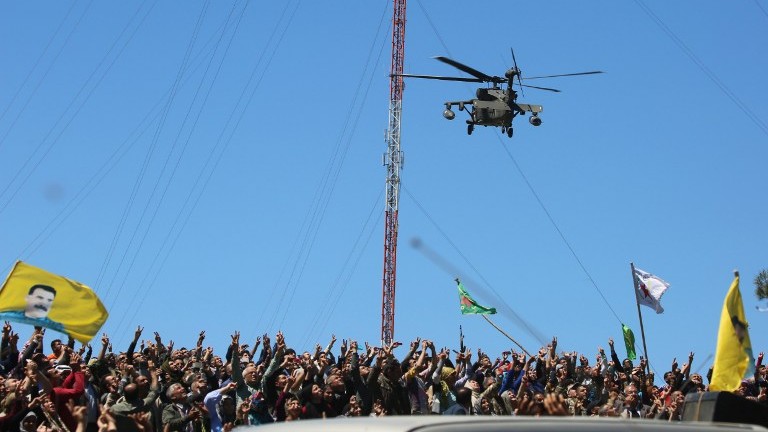
Turkish warplanes killed more than two dozen Kurdish fighters Tuesday in strikes in Syria and Iraq, angering the United States.
Ankara said it had carried out the strikes against “terrorist havens,” vowing to continue acting against groups it links to the outlawed Kurdistan Workers’ Party (PKK).
In northeast Syria, strikes targeted the Kurdish People’s Protection Units (YPG) — who are leading the offensive against the Islamic State stronghold Raqqa.
The US State Department said it was “deeply concerned” the strikes were conducted “without proper coordination either with the United States or the broader global coalition” against IS. Ankara said it had informed the US and Russia before the strikes.
The Parliamentary Assembly of the Council of Europe (PACE) voted Tuesday to reopen a monitoring probe into Turkey over rights concerns, sparking anger from Ankara.
German deputy Bernd Fabritius said that the Turkish government had scrapped all official meetings he was due to hold as part of a planned Council of Europe observation mission next month.







The Times of Israel Community.