

US defense secretary warns of ‘most intense day’ of strikes on Iranian targets
Hegseth: War won’t end until ‘enemy is decisively defeated’; top US general: Iran is not ‘more formidable than we thought’; Netanyahu: We want to help Iranians ‘throw off yoke of tyranny’
 Add ToI as a Preferred Source on Google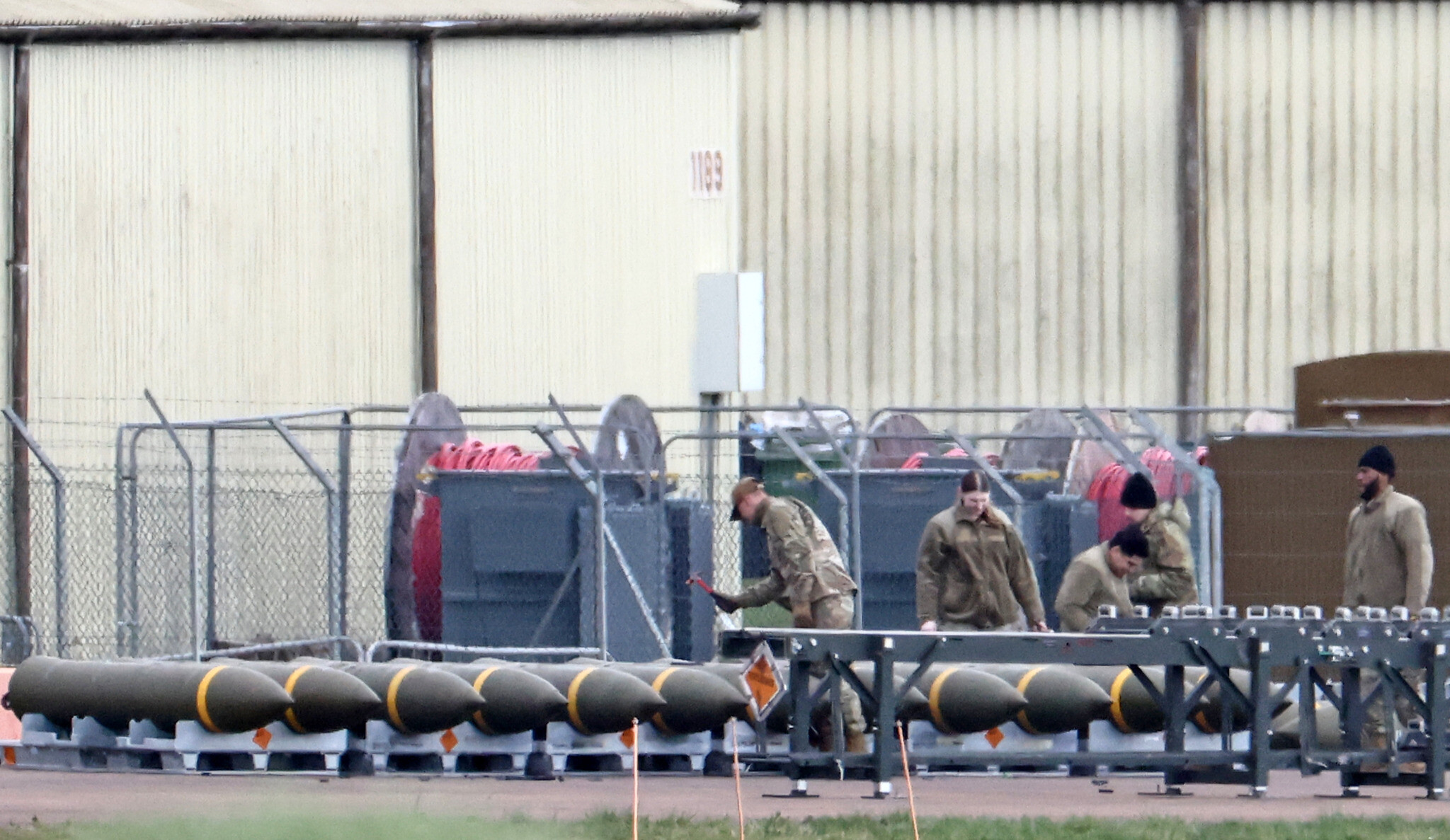
The US defense chief warned that Tuesday would be the most intense day of the war against Iran so far, while Israel’s leader said regime change in Iran could only come from the people, as Washington and Jerusalem continued to strike targets across Iran on the 11th day of the conflict.
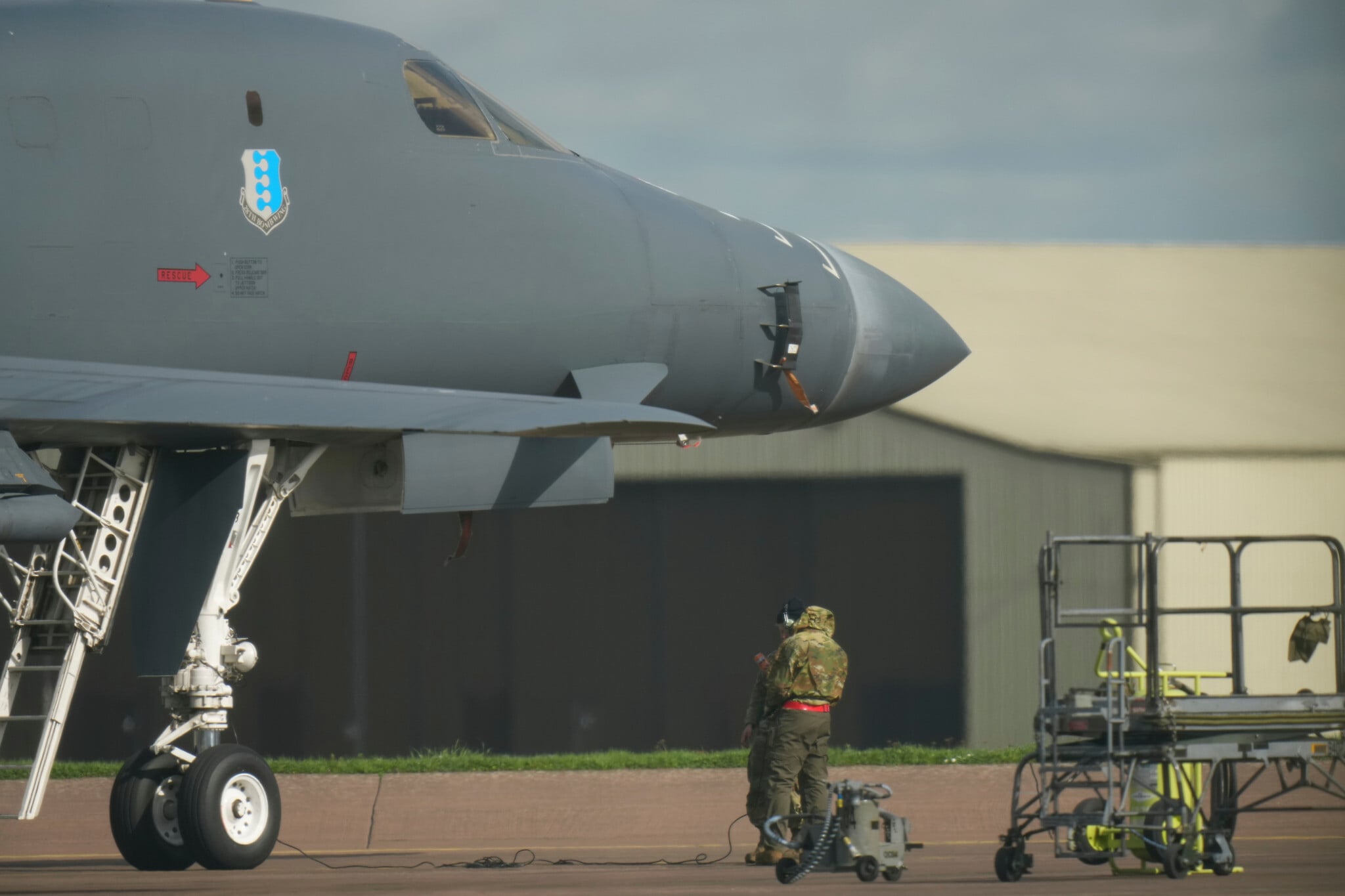
In a press conference at the Pentagon, US Defense Secretary Pete Hegseth said that Tuesday would be “the most intense day of strikes” on Iran. “The most fighters, the most bombers, the most intelligence, more defined and better than ever.”
At the same time, he said, the last 24 hours saw the lowest number of missiles Iran has fired over the course of one day in the ongoing campaign.
The goals of the US campaign have not changed, and are being executed with “ruthless precision,” he added.
The US aims of the conflict are first, destroying the missile stockpiles, missile launchers, and their defense industrial base; and second, destroying Iran’s navy, Hegseth said. And finally, to “permanently deny Iran nuclear weapons.”
“We will not relent until the enemy is totally and decisively defeated,” he said, and that will be carried out “on our timeline.”

Trump “gets to control the throttle. He’s the one deciding,” Hegseth said. “It’s not for me to posit whether it’s the beginning, the middle or the end.”
“This is not 2003,” he added, in a reference to the invasion that launched the multi-year Iraq War. “This is not endless nation-building.”
Trump had said last week that the conflict could last four or five weeks, although he then said Monday night that “we’re getting very close to finishing” the war, although it probably wouldn’t end this week.
Hegseth, meanwhile, accused Iran of “moving rocket launchers into civilian neighborhoods, near schools, near hospitals to try to prevent our ability to strike — that’s how they operate.”
Asked about Israel’s strike this week against Iranian oil facilities, amid reports that the White House was unhappy with the attack, Hegseth said hitting the oil site “wasn’t necessarily our objective.”
But he firmly denied that Israel was pulling the US into operations that go against Washington’s interests: “We’re not getting pulled in any direction. We’re leading, the president is leading.”
Speaking after Hegseth, Gen. Dan Caine, the chairman of the US Joint Chiefs of Staff, said, “I think they’re fighting, and I respect that, but I don’t think they’re more formidable than what we thought.”
Among the goals of the conflict is the destruction of Iran’s navy, which has been targeted with “artillery, fighters, bombers and sea-launched missiles,” the top US military officer said.
Caine said US forces continue “to hunt and strike mine-laying vessels and mine storage facilities” — weapons Iran could use to block maritime traffic.
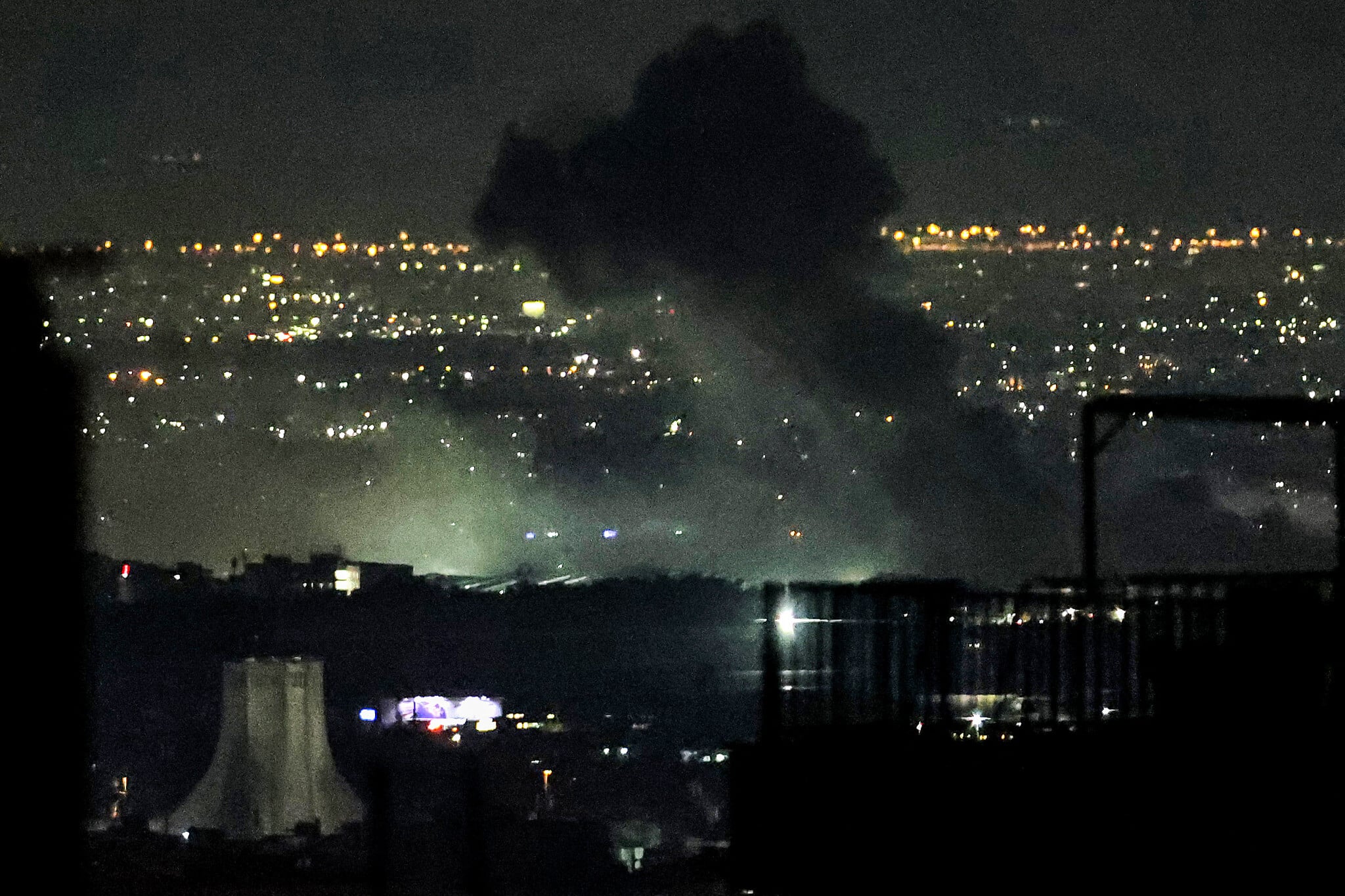
The United States has carried out strikes against more than 5,000 targets in the first 10 days of the campaign, including against more than 50 naval ships, Caine said.
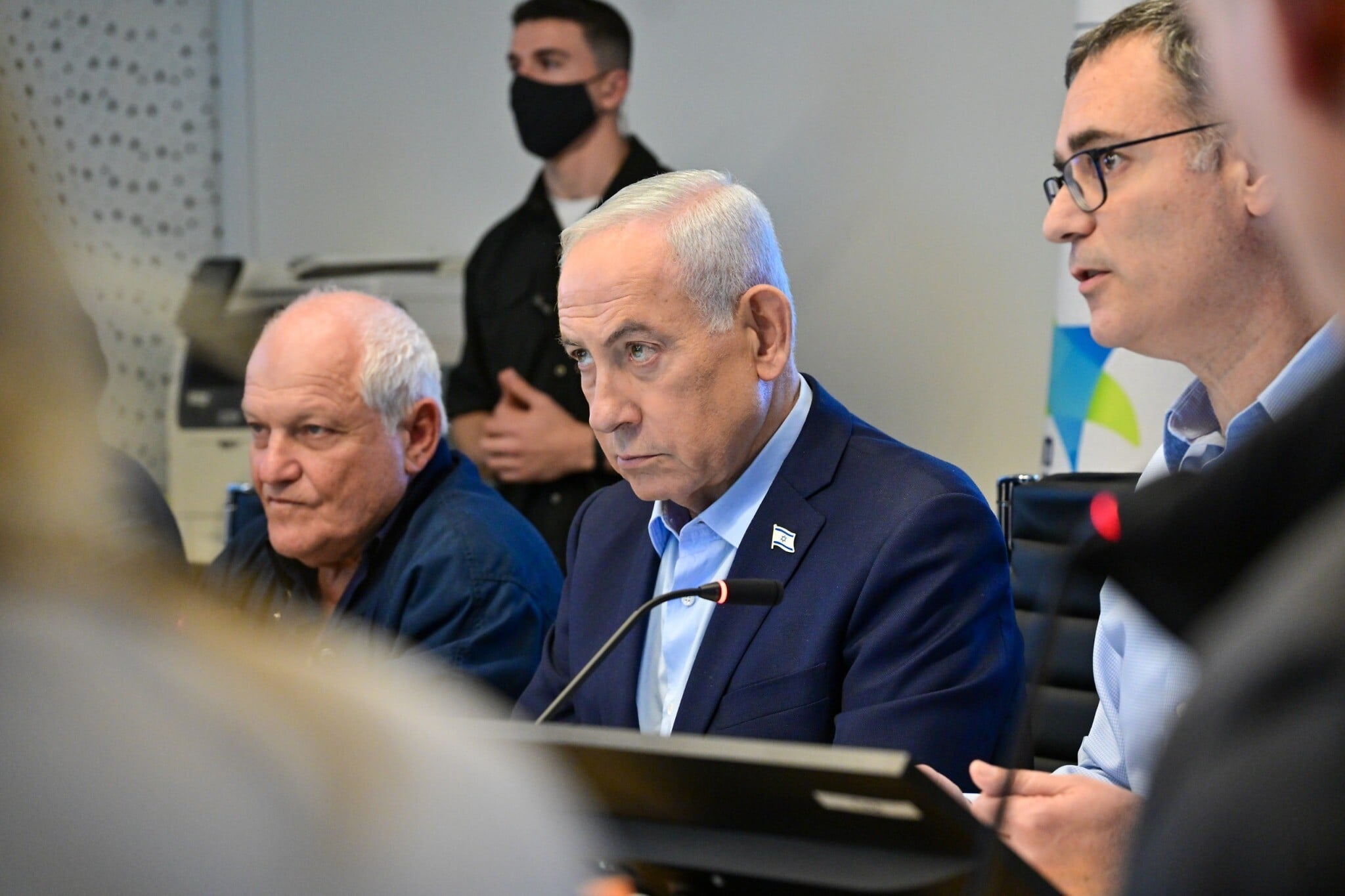
Meanwhile, Prime Minister Benjamin Netanyahu said that bringing down the regime in Iran remains in the hands of the Iranian people.
“Our aspiration is to bring the Iranian people to throw off the yoke of tyranny,” Netanyahu said during a visit late Monday night to the National Health Emergency Operations Center, in comments released by his office on Tuesday.
“Ultimately it depends on them. But there is no doubt that through the actions taken so far we are breaking their bones — and our arm is still outstretched,” Netanyahu said. “If we succeed together with the Iranian people, we will bring about a permanent end — if such things exist in the life of nations — and we will bring about change.”
The IDF said Tuesday that it was continuing to strike military and regime targets across Iran.
A subterranean weapons research and development complex was bombed as part of a wave of airstrikes in Tehran overnight, the Israeli military said.
The IDF said the Israeli Air Force hit “vital infrastructure of the Iranian terror regime” as part of the strikes in the capital.
One of the strikes targeted a weapons research and development complex of Iran’s Islamic Revolutionary Guard Corps at Imam Hossein University, the IRGC’s military academy.
“At this complex, the IDF struck an underground route where the armed forces of the IRGC conducted experiments and tests for ballistic missile development and production processes,” the military said.
צה״ל השלים במהלך הלילה גל תקיפות נוסף בטהרן: הותקף מתחם תת-קרקעי בו התבצעו תהליכי מחקר ופיתוח של אמצעי לחימה
צה"ל ממשיך להעמיק את הפגיעה בכלל מערכיו ויכולותיו של משטר הטרור האיראני.
חיל האוויר, בהכוונת אמ"ן, השלים במהלך הלילה (ב') גל תקיפות נוסף לעבר תשתיות חיוניות של משטר… pic.twitter.com/rh8kM0adSj
— צבא ההגנה לישראל (@idfonline) March 10, 2026
In addition, the IDF says it also struck infrastructure at the main headquarters of the Quds Force, the extraterritorial arm of the IRGC, along with other weapons production sites and air defense systems.
The IDF said the strikes are part of a new stage of the war aimed at “deepening the blow to the core arrays of the Iranian terror regime and its foundations.”
Separately, the IDF said Tuesday that the Israeli Air Force struck an armed ballistic missile launcher and killed several Iranian soldiers minutes before they could attack Israel Monday night.
דקות ספורות לפני שיגור מאיראן: חיל האוויר איתר וחיסל חוליית שיגור ומנע ירי לעבר שטח מדינת ישראל
חיל האוויר זיהה אמש (ב'), מספר חיילים במערך הטילים הבליסטיים וכלי הטיס הבלתי מאוישים של משטר הטרור האיראני, בעת שפעלו במערב איראן ותכננו לשגר טילים לעבר מדינת ישראל.
מיד לאחר הזיהוי,… pic.twitter.com/wJxvYTQZya
— צבא ההגנה לישראל (@idfonline) March 10, 2026
According to the military, the IAF identified a squad of Iranian soldiers preparing to launch ballistic missiles at Israel from western Iran.
An IAF drone was then dispatched to the area and “destroyed the missile launcher, and then eliminated the launch team, minutes before they were set to fire at the State of Israel,” the military said.







The Times of Israel Community.