

US envoy: Europe hate speech laws won’t stop anti-Semitism
Ira Forman says it’s ‘essential’ to condemn racism and discrimination, because it’s ‘often very difficult to prosecute’
 Add ToI as a Preferred Source on Google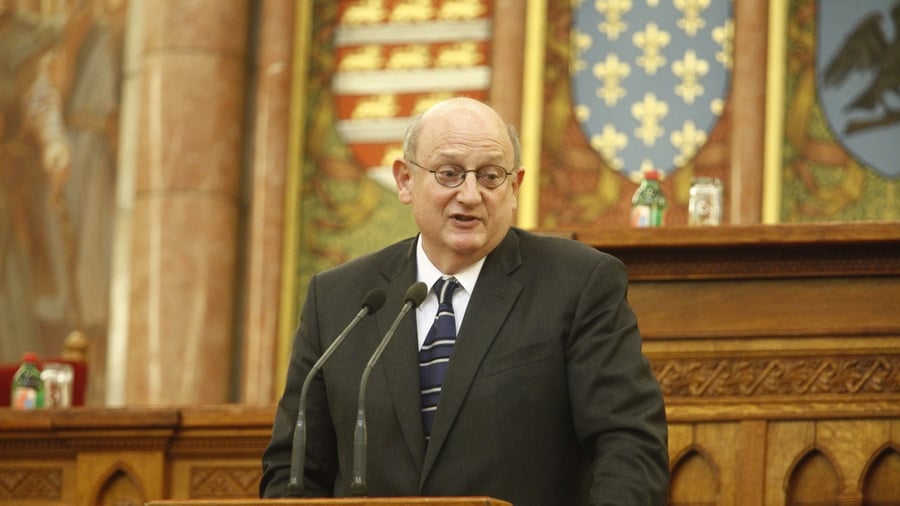
MALMO, Sweden — Europe will not stem the tide of anti-Semitism by prosecuting hate speech and should focus on getting society to speak out against it, a US envoy said Monday in Sweden.
“We understand that it’s often very difficult to prosecute hate speech,” the American special envoy against anti-Semitism Ira Forman told journalists in the southern city of Malmo.
“So it’s absolutely essential that political leaders but also society’s leaders — clergy, leaders of nonprofits, business leaders, just community leaders in general — when they see anti-Semitism, as well as other forms of racism and discrimination, that they speak out,” he said.
Forman’s trip to Malmo was prompted by its high level of hate crimes against Jews, a problem the city’s former mayor Ilmar Reepalu blamed partly in 2010 on Jewish residents supporting Israeli policies in the Middle East.
“We do not believe in prosecuting hate speech except in the most extreme circumstances when it’s encouraging immediate violence,” Forman said of the American perspective. “That’s one difference we’re going to have with a lot of our European allies.”
Controversial French comedian Dieudonne is on trial in France on charges he condoned terrorism in a comment that authorities allege sympathized with one of the jihadists in the January attacks in Paris.

Dieudonne’s case was one of dozens opened for “condoning terrorism” or “making threats to carry out terrorist acts” after the Paris jihadists killed 17 people, including 12 at satirical weekly Charlie Hebdo.
Danish authorities have also said they are investigating “a large number of cases” of individuals expressing sympathy for terrorist acts or for making other punishable remarks after a Jewish man and a filmmaker were killed in deadly twin attacks in Copenhagen last month.
More than a third of Malmo’s residents are immigrants and Jewish community leaders say the perpetrators of hate crimes are typically young men of Middle Eastern origin.









The Times of Israel Community.