

US reimposes naval blockade as Trump threatens to ramp up strikes on Iran: ‘You better make a deal’
US president demands Iranians ‘get to the table and negotiate’ while at same time saying his negotiators just spoke with Tehran; Iran claims overnight attacks on Jordan, Kuwait and Bahrain
 Add ToI as a Preferred Source on Google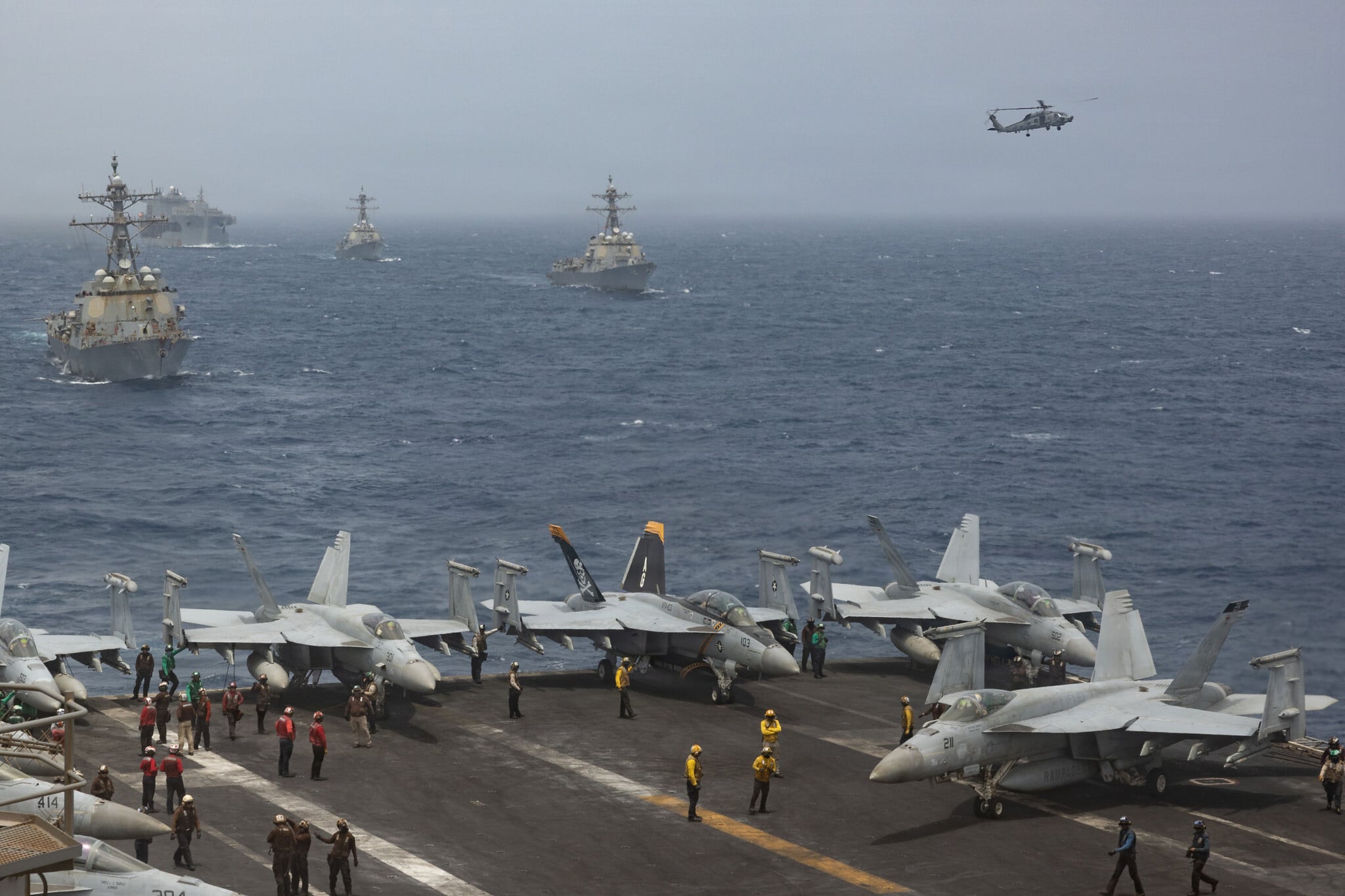
US President Donald Trump on Tuesday reimposed a naval blockade of all Iranian ports and threatened to hit power plants and bridges next week unless Tehran resumes negotiations, as the interim ceasefire deal unravels and concerns grow about a return to all-out war.
The US first imposed the blockade in mid-April and then lifted it in mid-June, a day after the signing of the interim deal aimed at permanently ending the war. The deal set a 60-day timeline to negotiate an agreement on Iran’s nuclear program, but talks have stalled as fighting over the strait has intensified, with Tehran proclaiming last week that it again closed the Strait of Hormuz.
There are at least 19 US warships in the Arabian Sea, including two aircraft carriers and an amphibious assault ship with more than 1,000 Marines aboard. US Central Command also said in a social media post that there are “hundreds of military aircraft operating across the Middle East.”
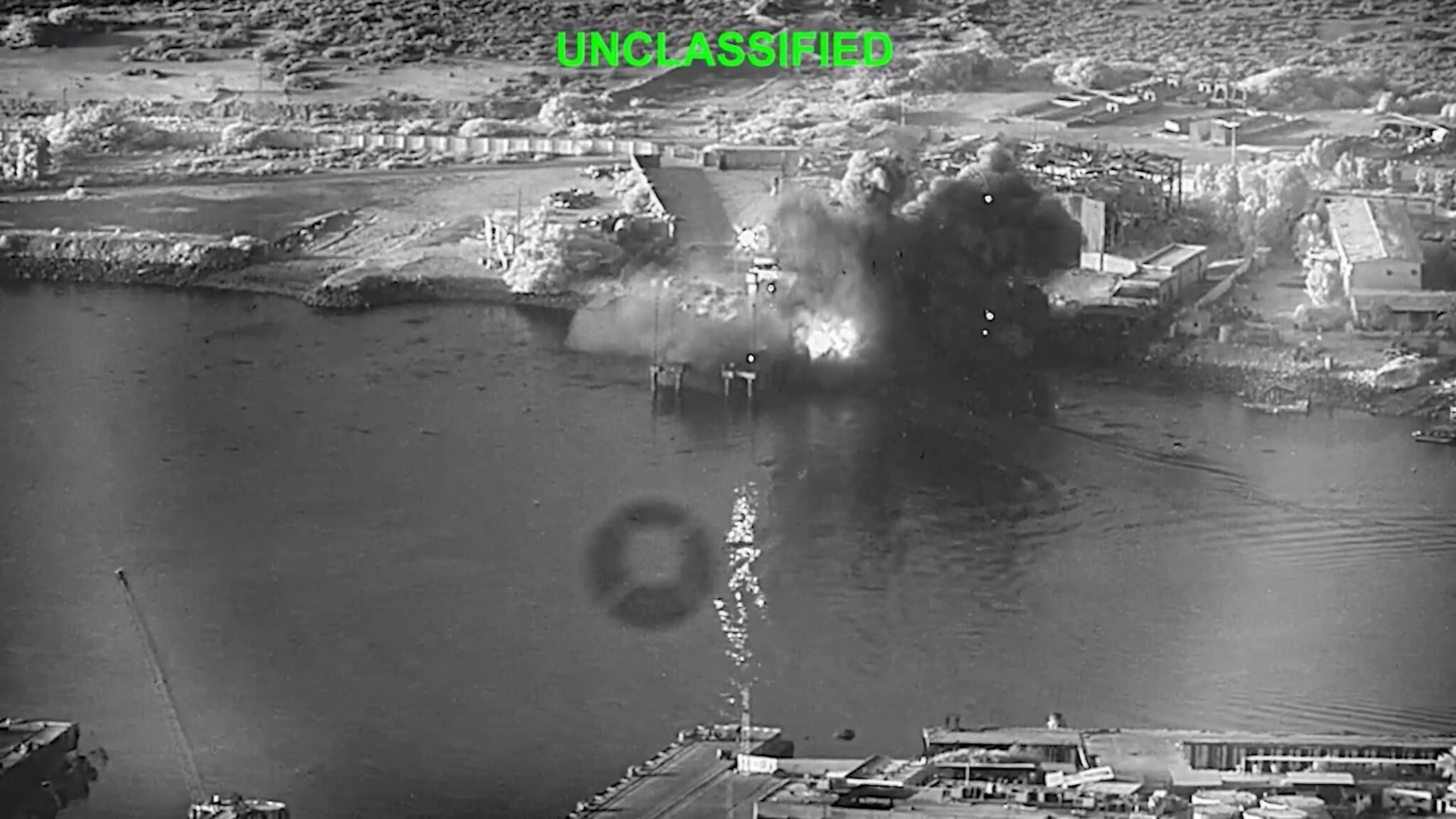
Before renewing the blockade, US Central Command announced another series of strikes, hitting “missile and drone sites, naval capabilities and coastal defense systems during the seven-hour wave to further degrade Iran’s ability to threaten commercial shipping and civilian crews.”
“US forces are holding Iran accountable for unwarranted aggression that continues to endanger innocent lives,” said Adm. Brad Cooper, who heads US Central Command.
According to Cooper, Iran intentionally attacked seven commercial ships over the past seven days resulting in “nearly a dozen” civilian crew members killed, injured or missing. He said Iran also launched dozens of missiles and drones at neighboring Gulf countries, including early Wednesday as Iranian forces claimed attacks on US positions at Jordan’s Azraq base and in Bahrain and Kuwait.
There were reports of injuries; material damage was reported in Kuwait from a fire caused by an Iranian attack, while Jordan said it intercepted three Iranian missiles fired at the kingdom.
Iran’s deputy foreign minister for legal and international affairs, Kazem Gharibabadi, said in an interview aired by IRIB, Iran’s state broadcaster, that the US was seeking to prevent Tehran from exercising what he described as “effective sovereignty” over the Strait of Hormuz, which the Islamic Revolutionary Guard Corps vowed would remain closed “until the United States ends its acts of aggression.”
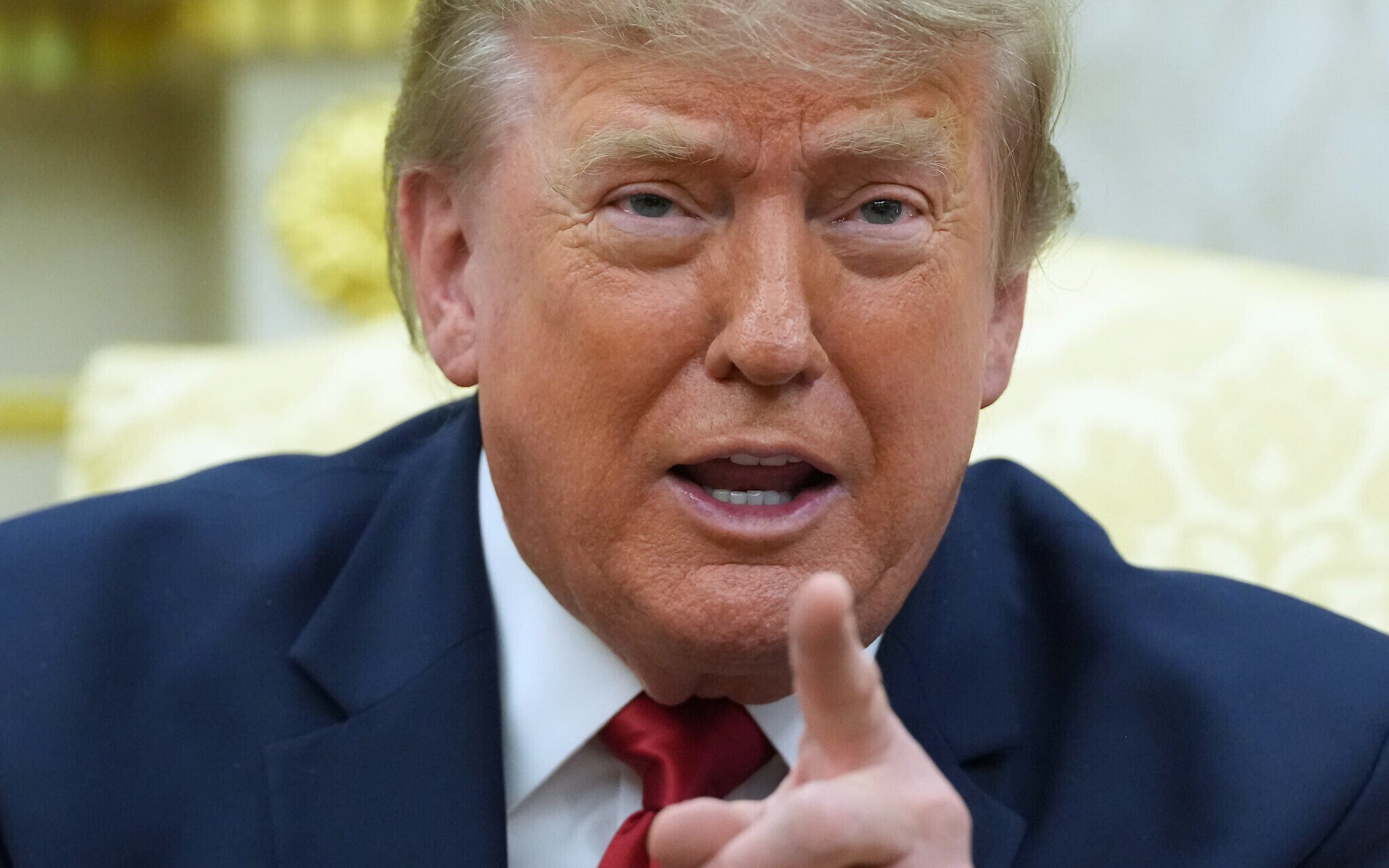
Trump told Fox News in an interview that aired Tuesday night on “Special Report with Bret Baier”: “We’re going to hit them very hard tonight. We’re going to hit them very hard tomorrow night. We’re going to hit them very hard the night after, and then next week it gets really bad for them because next week comes the power plants. Next week comes the bridges. We’re going to knock out all their power plants. We’re going to knock out all their bridges unless they get to the table and negotiate.”
He added, “I’ll save the energy targets for last, but ultimately we’ll hit energy targets.”
Trump has threatened numerous times to bomb Iranian energy sites only to hold off in the end, apparently due to concerns that doing so would result in Iran becoming a failed state — a scenario the US is looking to avoid.
Listing Trump’s war aims as preventing Iran from obtaining a nuclear weapon, keeping the Strait of Hormuz open and to degrade Iran’s military capabilities, Baier asked if they can be accomplished through an air campaign alone.
Trump claimed his war aims have actually already been achieved even though the US has not secured Iran’s stockpiles of enriched uranium and traffic through Hormuz is only at 10% of prewar levels.
“It’s open if people want to go through it,” Trump said.
As for Iran’s stockpile of highly enriched uranium, Trump again downplayed the importance of securing it, saying the US was surveilling Iran’s nuclear sites.
Asked whether the US was capable of striking the nuclear site deep underground at Pickaxe Mountain, Trump responded, “Nobody knows about Pickaxe,” before insisting the US was watching that site too and could act if needed.
Trump gave a similar answer regarding the Taleghan facility outside Tehran, which satellite imagery suggests Iran has started repairing since it was struck during the war. “We can hit that one very easily,” the president claimed.
Asked if he has been negotiating with the right people in Iran, Trump said he does not want to negotiate anymore because Iran purportedly reneged on a deal over the weekend.
But seconds later, he said his aides have been talking to Iranian negotiators in just the past hour.
Asked what message the US passed along to Iran, Trump said, “You better make a deal. You’re not going to have anybody left. We’re being very careful with the civilian population, but you better make a deal [or] you’re not going to have anything left.”
According to two regional officials, mediators are still trying to get the United States and Iran back to the negotiating table. The officials, speaking on condition of anonymity to discuss the delicate diplomatic process, said Pakistan-led mediation was working around the clock to reactivate the ceasefire.
Trump drops proposed Hormuz fee for Gulf investment in US
When Trump announced the return of the blockade Monday, he also said he would impose a 20% fee on ships passing through the strait. But he dropped the plan to collect fees hours before resuming the blockade, saying he was called by “kings and emirs” who suggested an alternate arrangement.
“They said we’d love to do it a different way. We’d love to invest in the United States with billions and billions of dollars,” Trump told reporters Tuesday in the Oval Office.
Trump said he preferred that arrangement to charging tolls “because I don’t think anybody should be able to charge a fee for the strait.”
It was unclear if the investment deals would be new commitments relative to what Trump announced after a visit last year to the Middle East.
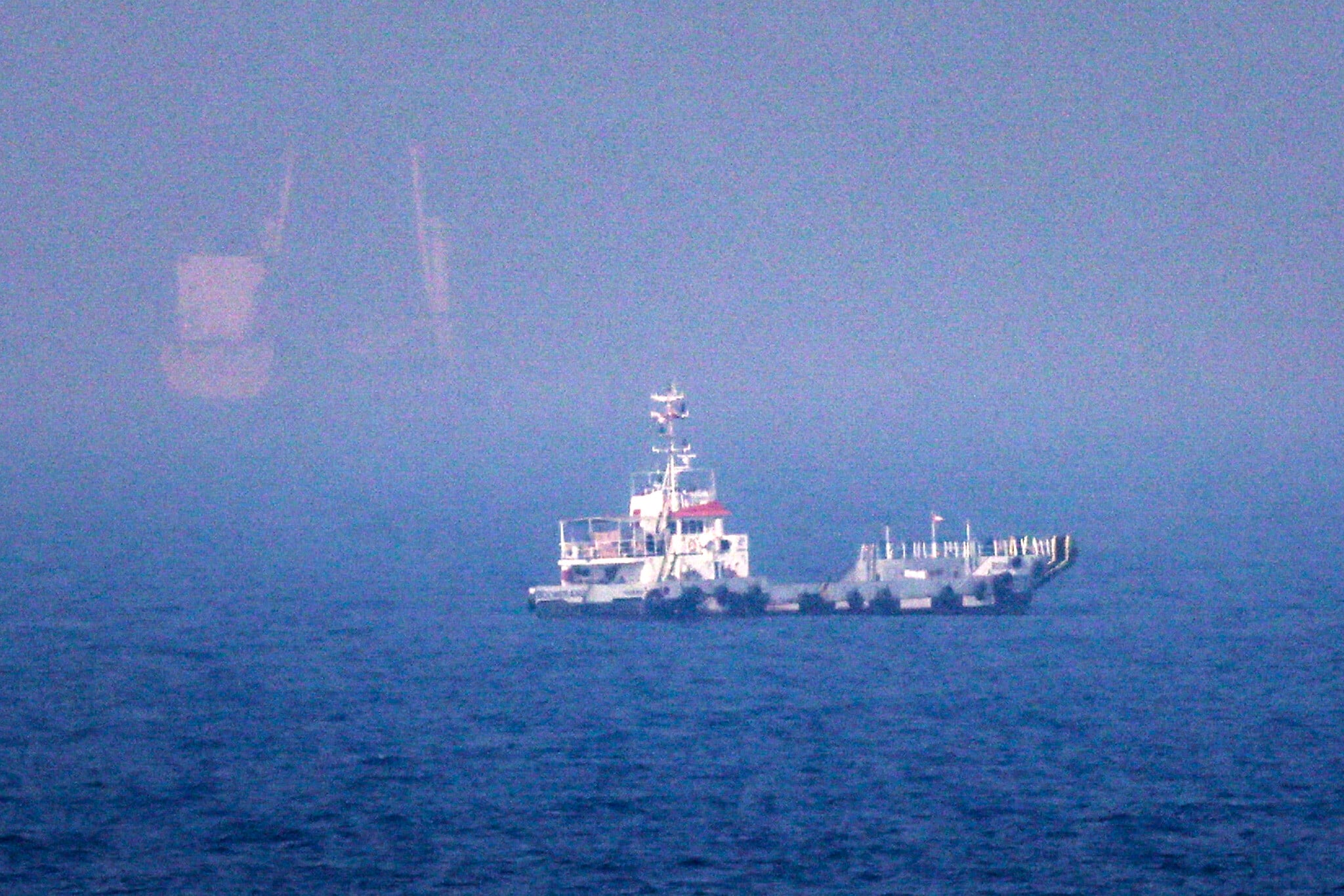
Trump’s plan to charge fees would have been a change to longstanding US policy and a departure from US promises that the strait would remain open to all without tolls — recently offered by US Secretary of State Marco Rubio on a trip to the region.
Under the interim deal, Iran agreed that passage through the strait would remain free of charge for 60 days — but the agreement left open what would happen after. Iran asserts it has the right to manage traffic and potentially charge fees. The US has disputed that.
The price for a barrel of Brent crude oil, the international standard, briefly topped $87 early Tuesday, still well below the nearly $120 reached at the height of the war. The price dipped to $78 in the aftermath of Trump’s announcement that he had changed course.





The Times of Israel Community.