

Bennett says he hopes Netanyahu won’t be indicted
Jewish Home chair calls on others to refrain from ‘pressuring’ law enforcement officials, says Israel needs ‘stability’
 Add ToI as a Preferred Source on Google
Raoul Wootliff is a former Times of Israel political correspondent and Daily Briefing podcast producer.
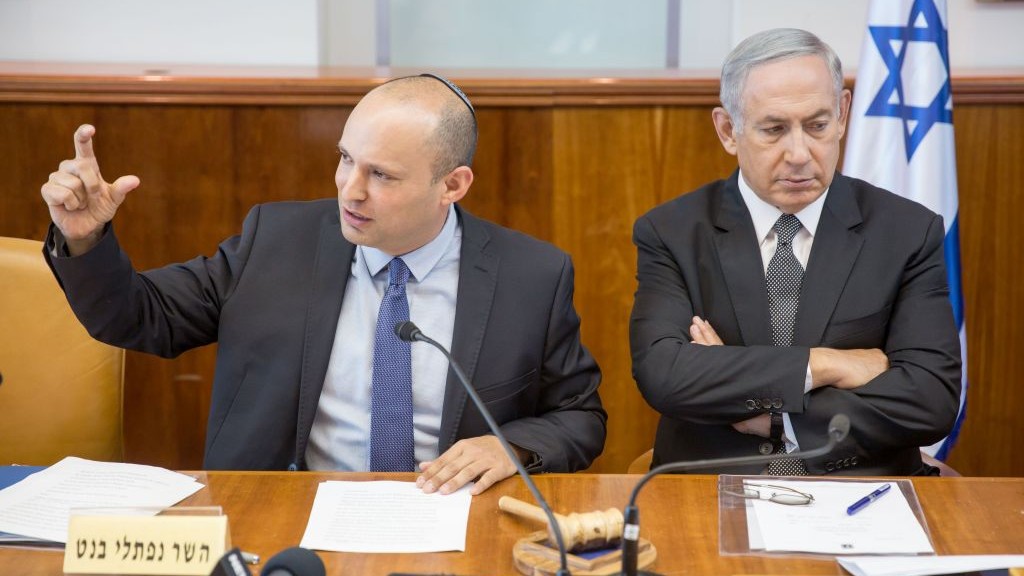
Breaking the recent silence of the Likud party’s junior coalition partners over recent developments in the investigations against Prime Minister Benjamin Netanyahu, Jewish Home chairman Naftali Bennett expressed ongoing support for the government on Sunday, saying he hoped the probes would end “without indictment.”
“Israel needs stability and we need to support the national government, and we are committed to its continuation,” Bennett said in a statement hours after Netanyahu made a subtle jab at his ministers for their lackluster support.
“The prime minister is presumed innocent and I hope that the investigation will conclude without an indictment,” Bennett, the education minister, said, while urging that others refrain from “pressuring” law enforcement officials.
With Netanyahu facing increasing pressure, as police appeared close to recommending indictments in two corruption investigations against him, several Likud ministers came to his defense Sunday morning, but most chose to stay out of the fray.
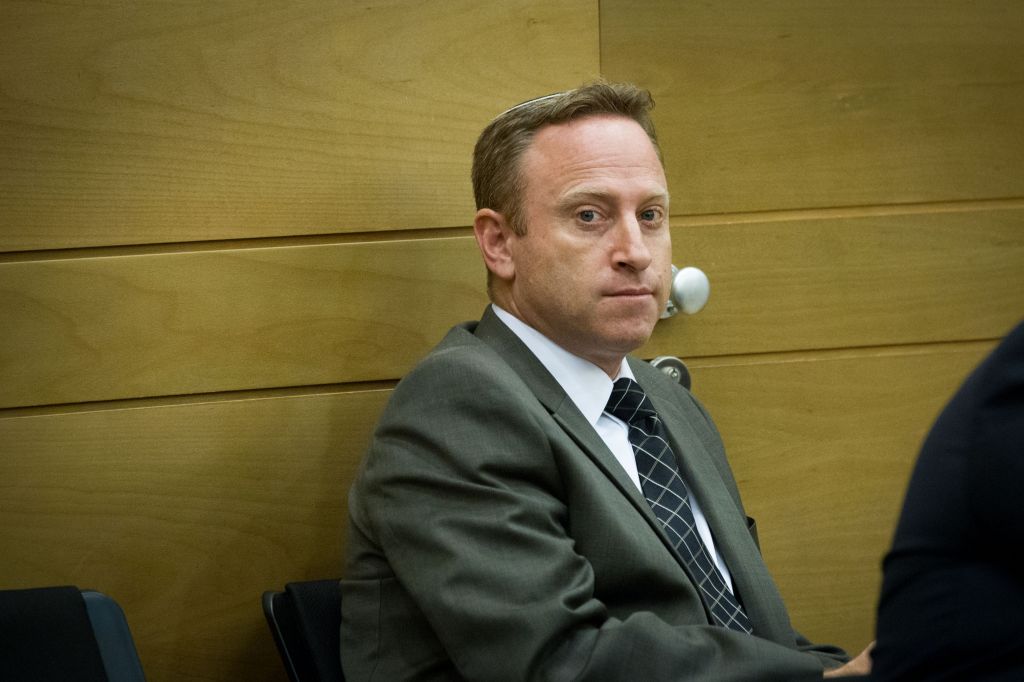
Ari Harow, a former key associate of the prime minister, signed a deal on Friday to turn state’s witness, a day after police explicitly said for the first time that the investigations involving Netanyahu revolve around “bribery, fraud and breach of trust.”
During the public part of Sunday’s weekly cabinet meeting in Jerusalem, Netanyahu ignored the developments, instead focusing on Monday’s visit to Israel of the president of Togo and a new biometric identification system. He only mentioned the investigations briefly afterward, during his closed-door comments to ministers.
“I want to thank our ministers,” Netanyahu said in his comments on the intense media coverage of the probes, according to coalition sources, “those who gave interviews.”
The comment was understood by some to be a dig at the majority of his ministers, including most of those within his own Likud party, who have avoided any public statements or interviews on the issue.
Arriving at the meeting, only one of the 22 ministers agreed to speak with reporters outside the cabinet room.
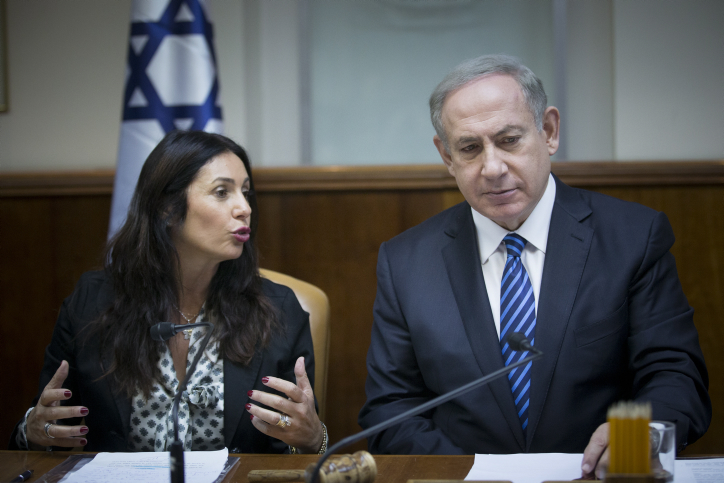
Culture Minister Miri Regev, one of the few who have given interviews in support of the prime minister, said she was “not worried and neither is the prime minster” about the recent developments.
On Friday, Hebrew media reported that police would recommend filing indictments against Netanyahu in two cases — Case 1000 and Case 2000 — as the investigations appear to be strengthened by “significant material” provided by Harow, the prime minister’s former chief of staff.
A police recommendation does not carry legal weight; it is for state prosecutors to decide whether to press charges.
In Case 1000, Netanyahu and his wife, Sara, are suspected of receiving illicit gifts from billionaire benefactors, most notably hundreds of thousands of shekels’ worth of cigars and champagne from the Israeli-born Hollywood producer Arnon Milchan.
Case 2000 involves a suspected illicit quid pro quo deal between Netanyahu and Yedioth Ahronoth publisher Arnon Mozes that would have seen the prime minister hobble a rival daily, the Sheldon Adelson-backed Israel Hayom, in return for more favorable coverage from Yedioth.
Earlier Sunday, Regev gave impassioned interviews to several Hebrew radio stations, dismissing the allegations as “a media lynching.”
“The media and parts of the opposition have been trying to bring down the prime minister for 20 years,” she told Army Radio. “It’s the same now with these half-truths about the latest corruption. They won’t succeed.”
After the cabinet meeting, Deputy Foreign Minister Tzipi Hotovely said that the media was trying to force Netanyahu out of office without allowing him a fair trial.
“It’s legitimate to criticize the government. It’s not legitimate to force a pre-written judgment on the legal authorities,” she said in a statement.
Justice Minister Ayelet Shaked, of Bennett’s Jewish Home party, has said the law does not require a prime minister to step down unless convicted of a crime carrying moral turpitude. Ministers have to step down if indicted, but not prime ministers, she said — an opinion not universally accepted by legal experts.
Shaked told Channel 2 that she was opposed to bringing down the government, but there were ethical implications if Netanyahu was indicted.
“If we arrive at a situation in which an indictment is served, the coalition parties will sit down and consider what to do,” she said.
Netanyahu’s predecessor Ehud Olmert stepped down in 2009 ahead of being indicted on graft charges.
In a video posted Friday evening, hours after the deal with Harrow was announced, Netanyahu said the investigations against him were “background noise” and that he was focused on working on behalf of Israeli citizens.





The Times of Israel Community.