

In Arab city, voters hope to annul ‘second-class citizenship’
Israel’s Arab citizens may not get ‘all their rights,’ but will at least win some respect if Joint List thrives, says Umm al-Fahm student
 Add ToI as a Preferred Source on Google
Elhanan Miller is the former Arab affairs reporter for The Times of Israel
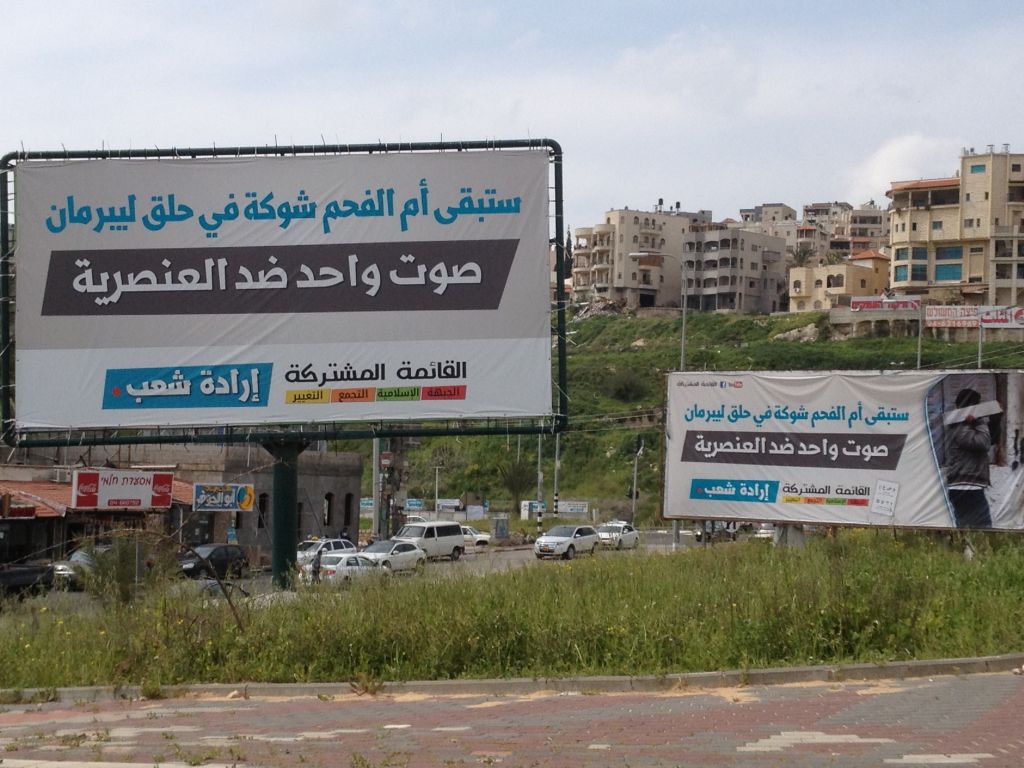
UMM AL-FAHM — A billboard reading “Umm al-Fahm will remain a thorn in [Avigdor] Liberman’s side” greets motorists at the entrance to the Arab city that Israel’s current foreign minister would see annexed to the future Palestinian state.
“This is our chance,” is not only the motto of the Joint (Arab) List, glaring from the city’s street signs on Tuesday, but the common sentiment of residents speaking to The Times of Israel.
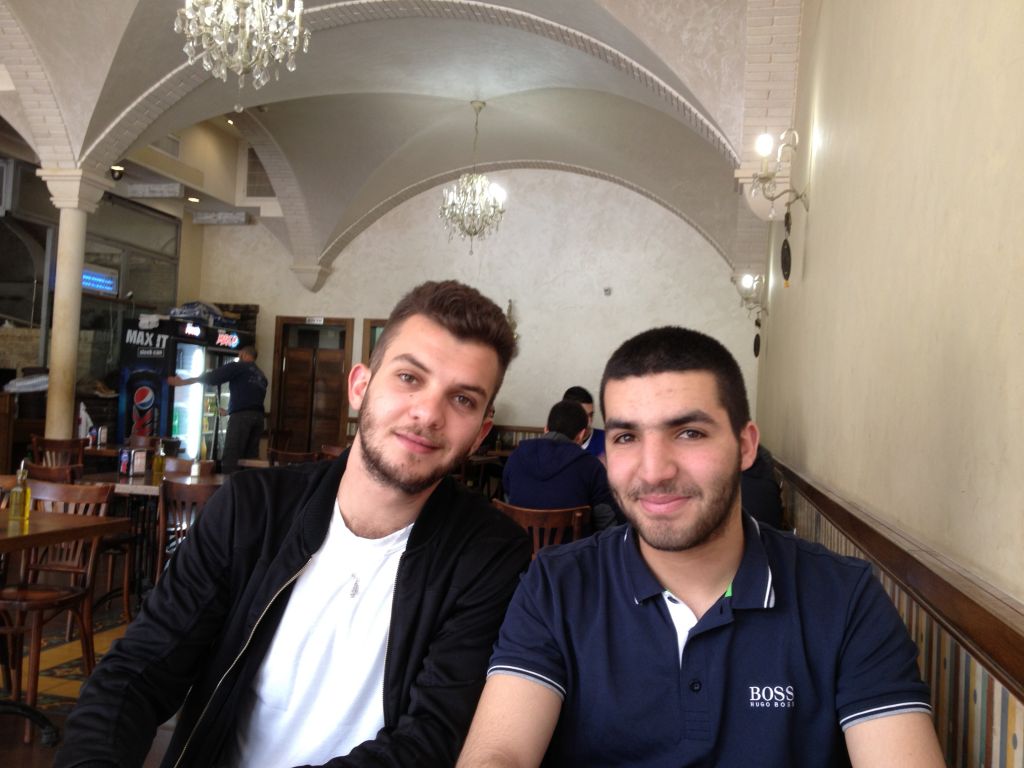
“We are experiencing a historic event,” said Hassan Mahamid, a 23-year-old computer science student at Kiryat Shemona’s Tel Hai College, who came home to vote. “Last time people argued which party to vote for. Not this time. Now Arabs are united in the Joint List; there’s no reason to boycott” the ballot.
Mahamid said he was curious to see what effect the Arab list would have if it received 15 seats in the Knesset.
“I think we may be more respected. I’m sure we won’t get all of our rights; it’s well-known that the majority overpowers the minority. But maybe the pressure on us will be eased; fewer houses demolished and the like.”
Having steered clear of politics for most of his life, Mahamid said he recently heard friends refer to Israeli Arabs as “second-class citizens.”
“This idea is going to disappear. What does this ‘second-class’ business mean anyway? I’m a citizen!” he declared.
The college student wondered why Liberman decided to pick on Umm al-Fahm, a city of over 50,000, when he proposed appending it to a future state of Palestine in exchange for annexing the settlement of Ariel to Israel. He thought it may have to do with the city’s reputation as an Islamist stronghold, the seat of Raed Salah’s Islamic Movement.
“But why suggest annexation?” he asked solemnly. “Wouldn’t it be more beneficial for him to just demolish homes, for instance?”
His 18-year-old cousin, Mahmoud Mahamid, voted for the first time on Tuesday. He said that the Arab List’s TV propaganda ads “made his blood run faster.”
“It makes you feel as though if you don’t vote, you’ll be affected personally,” said Mahamid, who is preparing to leave for Romania to study medicine. “To get our rights we must have the highest possible number of Arab MKs.”
Mahamid said he never considered boycotting the elections. As a gas station attendant, he recently met a young man who intended to abstain, and convinced him to vote.
“I told him that as students, about to begin our lives, we should think of our rights and our future careers, starting now.”
“If we get 15 seats, we’ll throw a party,” said Hassan Mahamid as he exited the polling booth in Omar al-Khayyam elementary school, its wall decorated with the Jewish aphorism “If there is no flour, there is no Torah,” above a Quranic verse extolling the value of education.
‘I think we may be more respected. I’m sure we won’t get all of our rights; it’s well-known that the majority overpowers the minority’
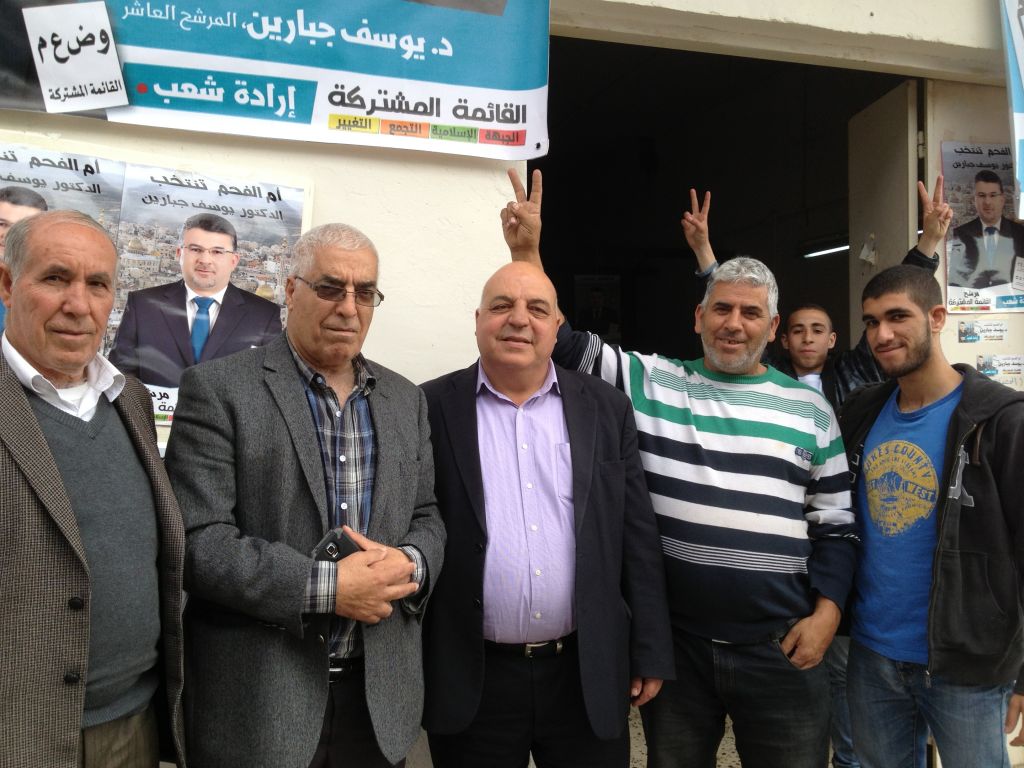
Not far from there, at the local headquarters of the Joint List, Adnan Mahamid was helping residents find their polling booth using software delivered by the Interior Ministry. An ardent socialist and former member of Hadash, Mahamid said he hoped the Arab public would “respond with force to the racist campaign in our country.”
“We tell Liberman and all racists like him: Umm al-Fahm will remain Arab and Palestinian. We are the natives of this land, and its owners. We came here before the immigrants.”
Afu Aghbariyeh, a member of the outgoing Knesset for Hadash, arrived at the headquarters to encourage voting for the Joint List in his hometown.
“Something essential has changed,” Aghbariyeh told The Times of Israel. “This list has put in place the foundations of change in Israel toward democracy, equality and an end to occupation.”
The Russia-educated medical doctor said he was pleased to be placed at the bottom of the Joint List in these elections “in order to let the younger generation take the lead.”
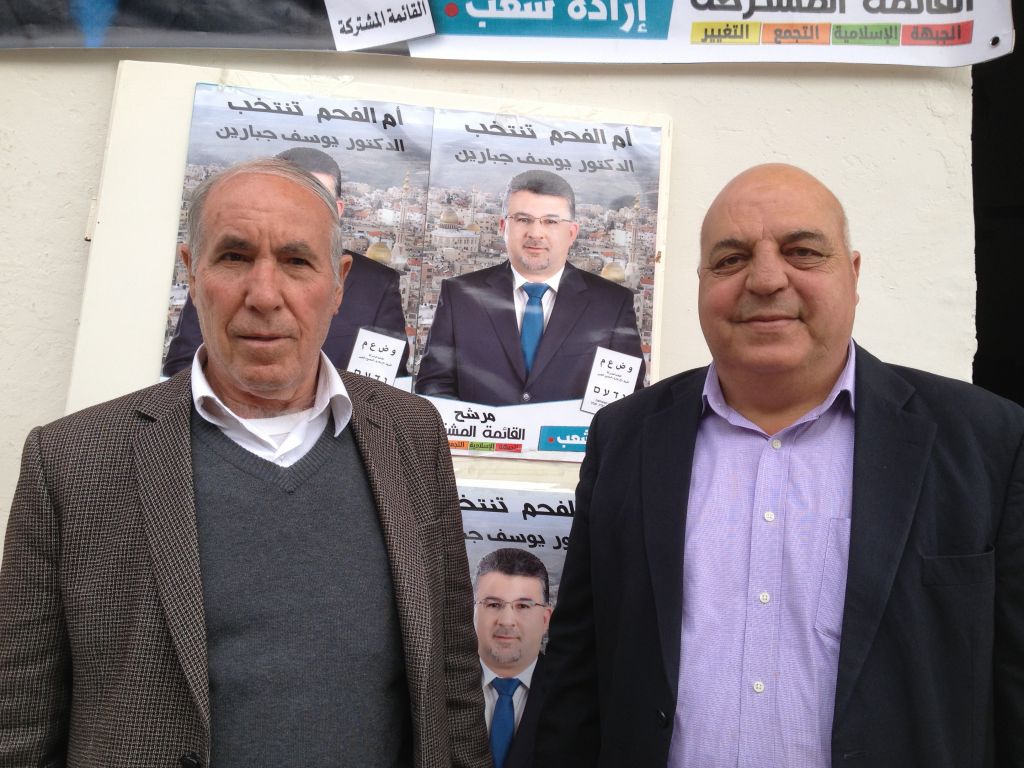
For Rashad Mahamid, a construction contractor, the primary goal of these elections is to topple Liberman.
“As the old Arab saying goes, ‘The hen dug a hole and covered itself with dirt.’ By raising the electoral threshold, he [Liberman] harmed himself and raised the value of the Arab public,” he said
Mahamid also hoped that the victory of the Joint List would inspire Palestinians in the West Bank and Gaza to unite politically.
“Israel is scared of the Arab Israeli votes after the unification; all the more so if all Palestinians unite,” he said. “We hope to be a model for the entire world, and for Palestinians in particular. We call on the PA and Hamas to do what we’ve done.”
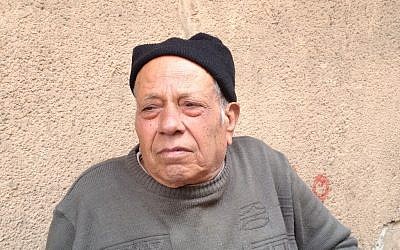
But sitting on a street corner, Muhammad Jamil, a 76-year-old retired construction worker, was less optimistic. Yes, he voted for the Joint List, but didn’t believe his life would dramatically change as a result.
“The list I voted for won’t do anything, but at least it will show people that we are one bloc,” Jamil said. “What effect can 10 [members of Knesset] have among 120?”
“The Jews are a hungry people, they want to devour the entire world,” he concluded, laughing. “But as bad as Israel is, the Arabs are worse. Here there’s a bit of democracy.”






The Times of Israel Community.