

Being a good Jew is meant to be the same as being a good person
More than almost any other country, Israel should have swiftly recognized the moral obligation to open its doors to innocent Ukrainian civilians escaping Russia’s invasion

 Add ToI as a Preferred Source on Google
David Horovitz is the founding editor of The Times of Israel. He is the author of "Still Life with Bombers" (2004) and "A Little Too Close to God" (2000), and co-author of "Shalom Friend: The Life and Legacy of Yitzhak Rabin" (1996). He previously edited The Jerusalem Post (2004-2011) and The Jerusalem Report (1998-2004).
This Editor’s Note was sent out Wednesday in ToI’s weekly update email to members of the Times of Israel Community. To receive these Editor’s Notes as they’re released, join the ToI Community here.
At a cabinet meeting on Monday marked by some of the most obtuse and shameful ministerial comments to date on Russia’s invasion of Ukraine and Israel’s response, Agriculture Minister Oded Forer reportedly declared, “Enough with the self-flagellation.”
In taking in Ukrainian refugees, Forer said, “we are going above and beyond what any country that does not border Ukraine has done.”
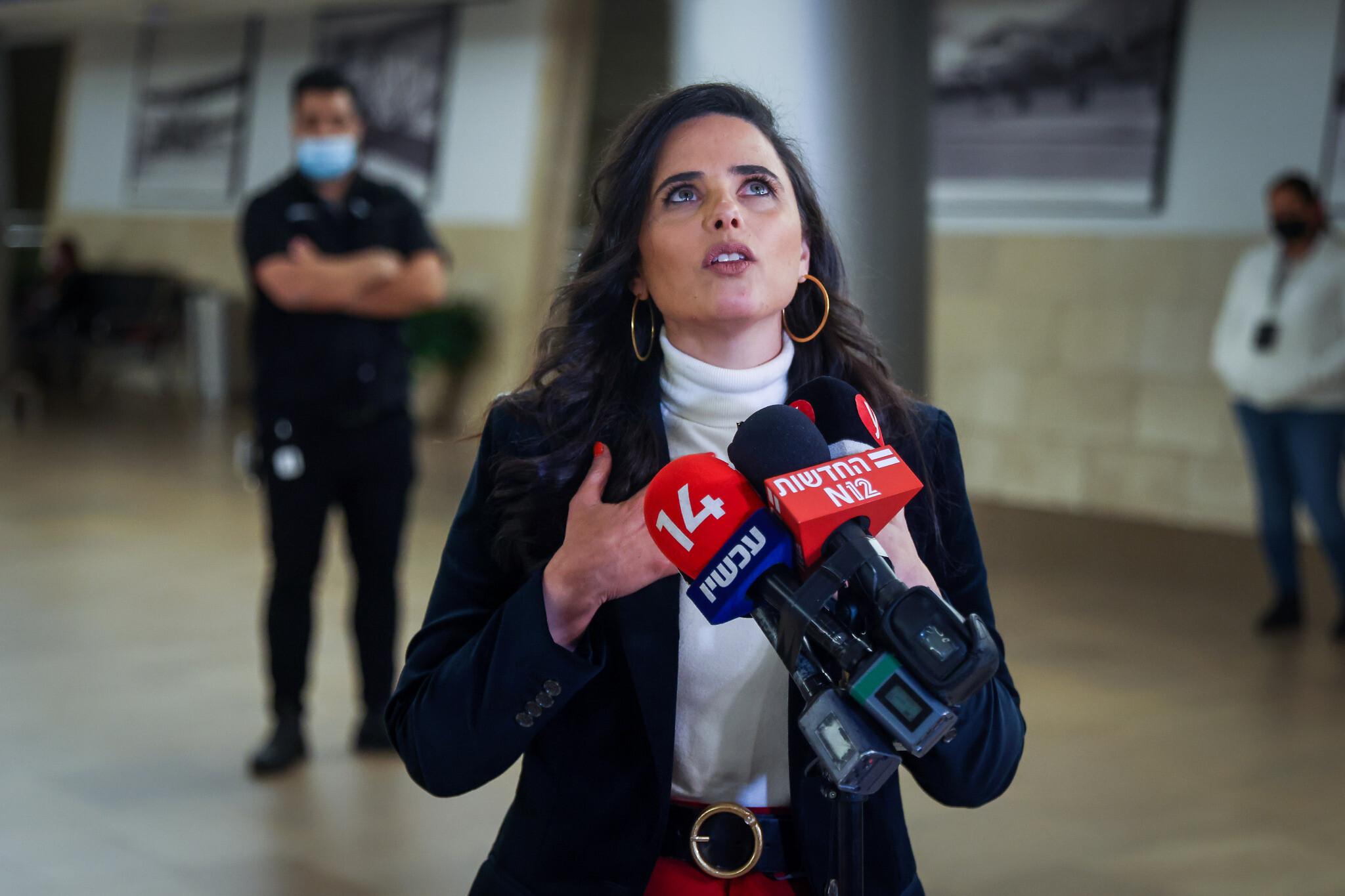
“That’s correct,” responded Interior Minister Ayelet Shaked, the architect and overseer of Israel’s dismal refugee policies and practices, which, among other highlights, saw her declare a stringent cap on non-Jewish arrivals from Ukraine then adjust it under legal pressure; allow would-be entrants who fled the war to be held for hours, even days, at our airport while their eligibility was checked; and turn away some arrivals deemed unfit for entry.
“The government and the ministers,” asserted Shaked, “should boast of and praise the absorption operation.”
More than almost any other country, Israel should have swiftly recognized the moral obligation to open its doors to innocent civilians escaping Russia’s invasion.
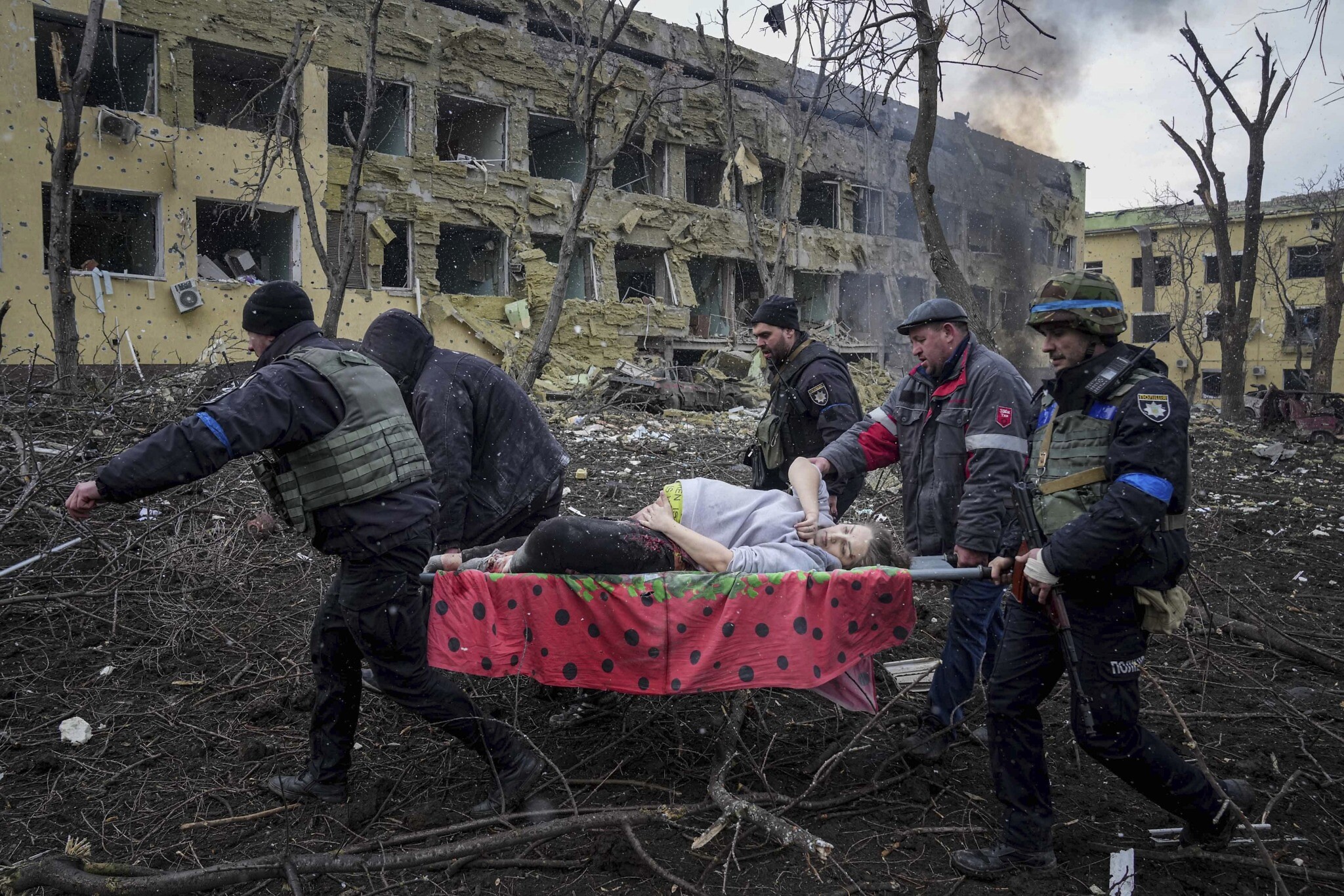
Our people were refused entry worldwide as the Nazis set about their genocide. Our nation was revived too late to save millions of Jews. We are here to ensure that the Jewish people are “never again” vulnerable and helpless.
We are also here to uphold the moral core of Judaism, the faith that sustained us miraculously in exile for millennia, that requires us to serve as a light unto the nations and to remember the Talmudic obligation: “Whoever saves a single life is considered to have saved the whole world.”
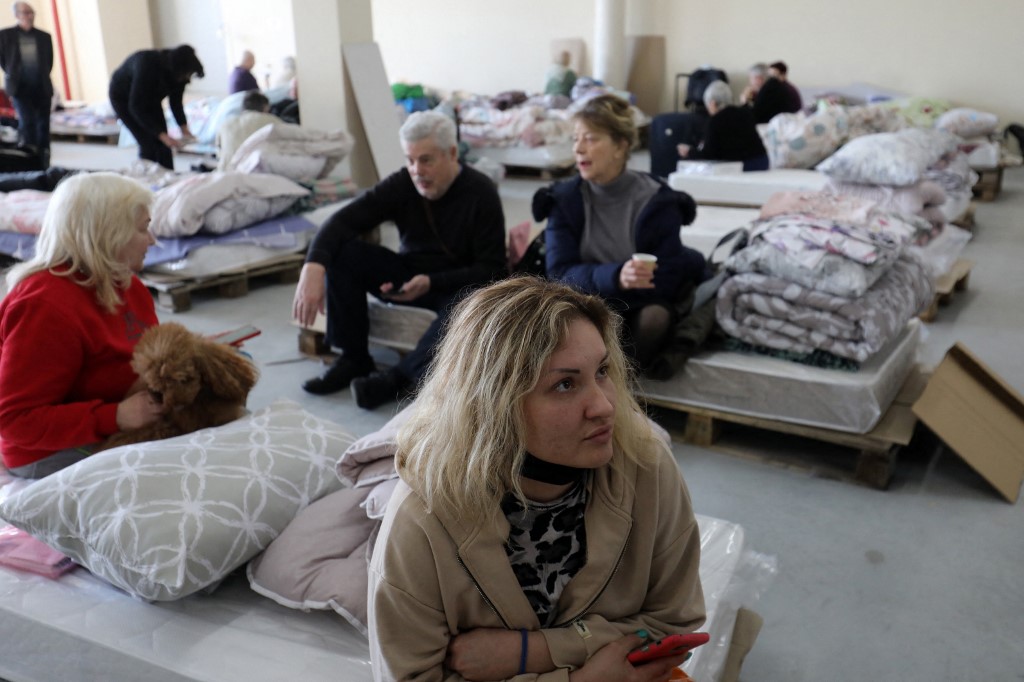
As Ukraine’s ambassador here, Yevgen Korniychuk, increasingly baffled by Israel’s hardhearted and heavy-handed refugee policies, has pointed out, not many Ukrainians without Jewish ties are prioritizing Israel as their temporary refuge, and Ukrainian arrivals from the warzone without Jewish ties here are unlikely to seek to illegally remain once the war is over. They’re going to want to go home where, in many cases, their military-age males remain right now fighting off Russia.
It is paranoia, therefore, to believe that doing the right thing — the Jewish thing — for a people being crushed by a tyrannical military machine endangers Israel’s Jewish demographic character.
Mercifully, Israeli officials, medical teams and volunteers have been doing plenty of the right thing in the war zone itself — offering assistance at the border crossings, providing essential documentation, arranging transportation and temporary refuge — often organizing such efforts independently of the government.
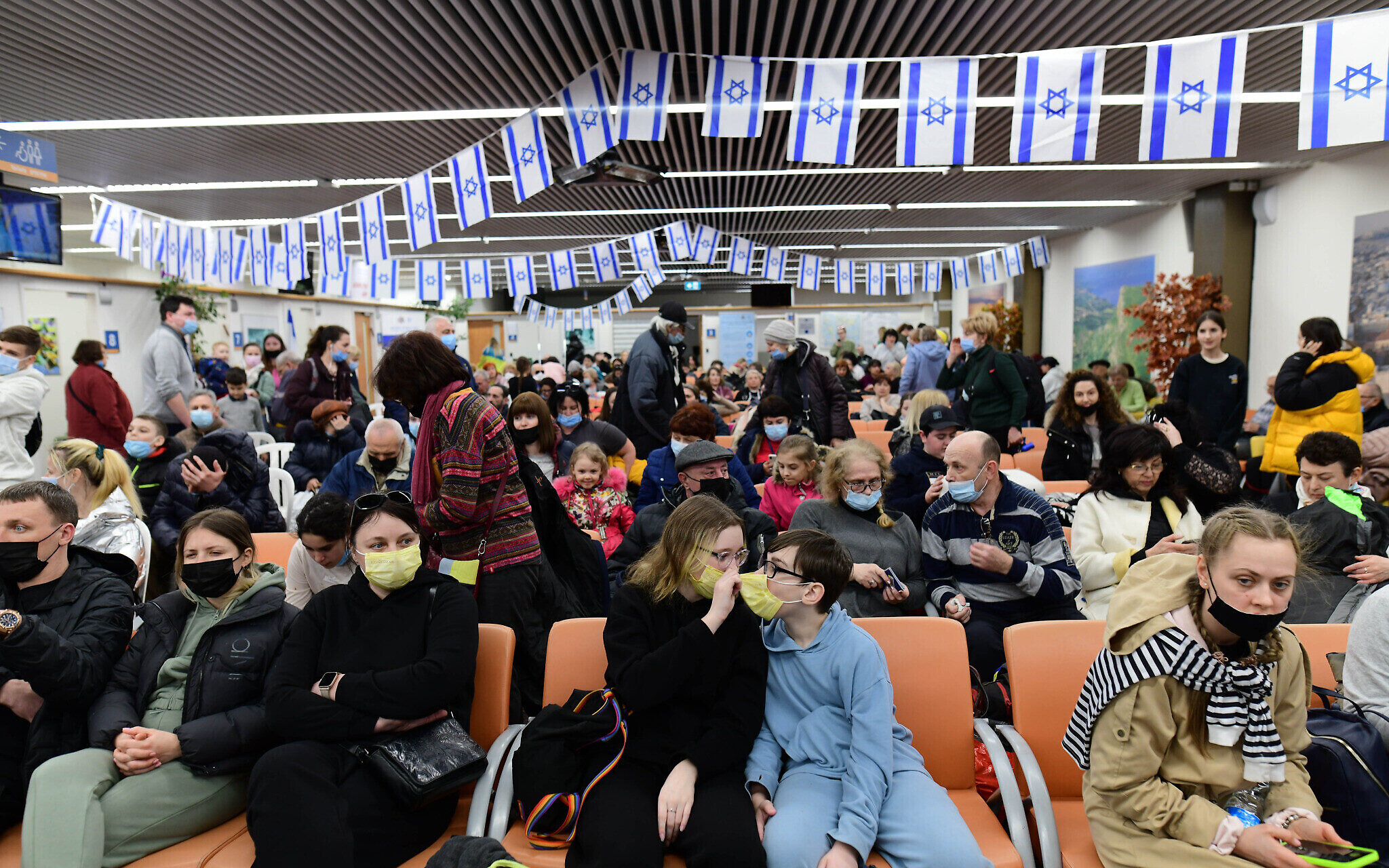
And back home, some of the airport procedures and bureaucracies seem to have slowly improved.
Back home, too, others are gradually rediscovering their moral compass. Yad Vashem has belatedly recognized that it’s not a good look to be funding the memorialization of the victims of Nazi Germany with money from oligarchs tied to Europe’s current brutal, rapacious invaders.
Despite a public warning from the US under secretary of state that Israel really doesn’t want to find itself serving as the “last haven for dirty money fueling Putin’s war,” Israel is still refusing to join the international sanctions effort. At least Foreign Minister Yair Lapid finally promised on Monday that “Israel will not be a route to bypass sanctions imposed on Russia by the United States and other Western countries.”

Russian-Israeli Roman Abramovich, our richest citizen, flew out of the country hours later. The most visible of the dozens of Russian oligarchs and tycoons believed to have taken Israeli citizenship or residency in the Putin era, it would be interesting to ascertain whether he jumped or was pushed.
But which others are still here, and how much “dirty money” has Israel allowed them to squirrel away? (Decades of lax financial controls, originally designed to enable Jews to bring out their money and assets when fleeing hostile countries, were maintained in recent years even when it became clear they were being abused. Ostensibly meant to encourage aliyah, a 2008 income tax law not only grants new immigrants a 10-year tax exemption on income earned abroad, but also, astoundingly, exempts them from reporting the sources of those earnings. As The Times of Israel has established, in the course of years of investigative reporting on financial crime here, that amendment remains in force despite it turning Israel into one of the world’s “most generous tax havens,” in the words of a former Israel Tax Authority chief who tried and failed to get it scrapped.)

In an interview on Israel’s Channel 13 news on Tuesday night, former Ukrainian prime minister Yulia Tymoshenko thanked Israel for “formally declaring today that it stands with Ukraine.” After all, she rationalized, “You’d have to be without a conscience, heartless and soulless, and devoid of any human emotion, to see what is happening in Ukraine and not to stand with it.”
In fact, of course, Israel has not unequivocally declared that it stands with Ukraine; Prime Minister Naftali Bennett is maintaining a stance he might like to define as constructive neutrality as he seeks to help mediate a solution to the crisis without alienating Vladimir Putin. Tymoshenko was presumably referring to Lapid’s Monday declaration that “there is no justification for violating Ukraine’s territorial integrity, and there is no justification for attacks on a civilian population.”
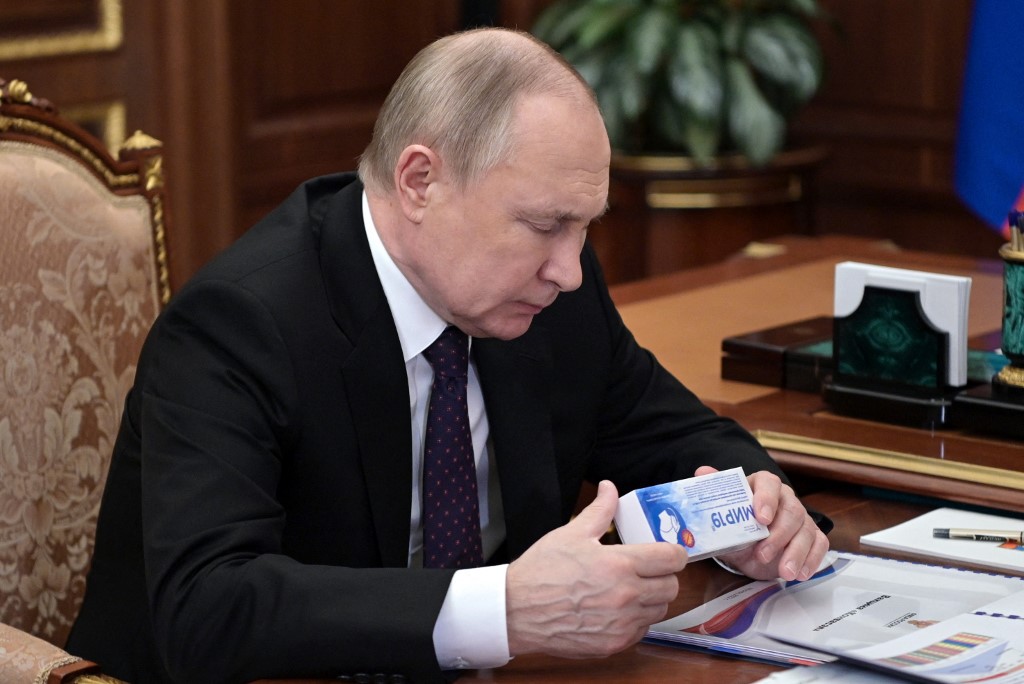
However this terrible war plays out, Putin is now far beyond toxic. He’ll either have to withdraw in defeat, or he’ll continue to escalate the bombings and the killings, deepening and widening international revulsion and solidarity against him.
Its mediation efforts and its legitimate security concerns notwithstanding, morally, Jewishly, Israel should have long since distanced itself from him and his tentacles, and fully opened its heart, and its doors, to his victims.

“We won’t close our gates and our hearts to those who lost everything,” Lapid promised on Sunday during a visit to the Siret border crossing between Romania and Ukraine, calling for Israel to be much “much more generous” about letting in those escaping the war. Apparently referencing Bennett’s repeated focus on bringing in Israelis and Jews, he added: “It’s our obligation not only to be good Jews but to be good people.”
The point is, that’s meant to be the same thing.









The Times of Israel Community.