

Chaotic patchwork of volunteers embrace Ukrainian refugees at Medyka border crossing
Vibrant scene and a variety of aid greets a kilometer-long line of uprooted Ukrainians crossing the border into Poland
 Add ToI as a Preferred Source on Google
Carrie Keller-Lynn is a former political and legal correspondent for The Times of Israel
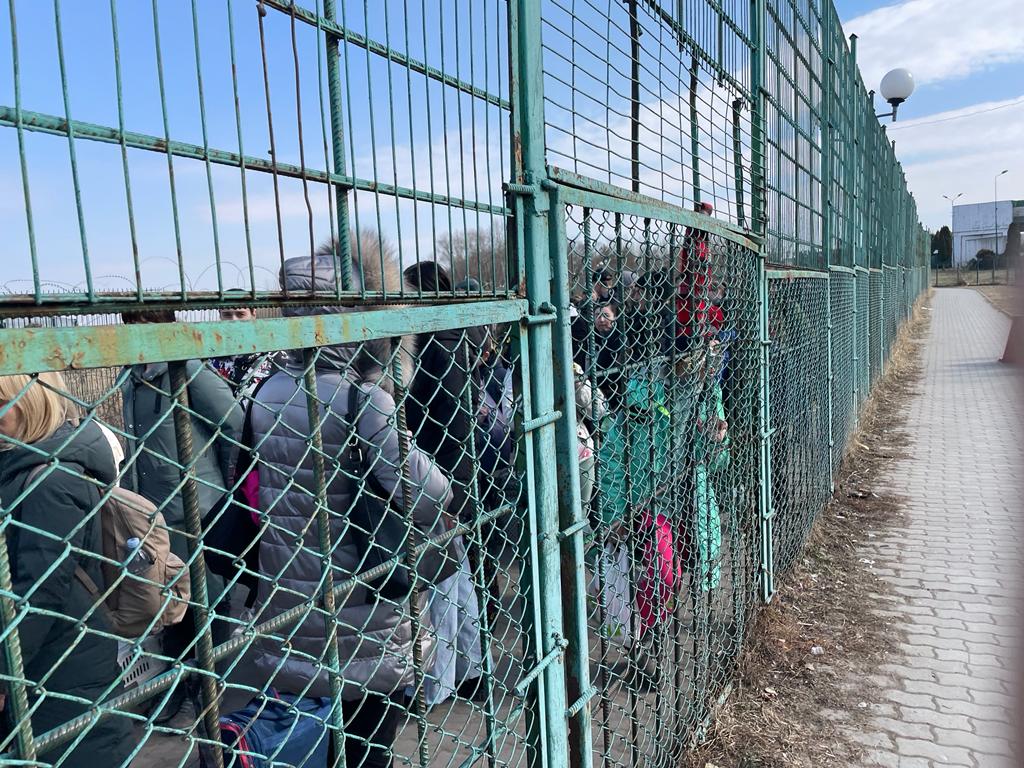
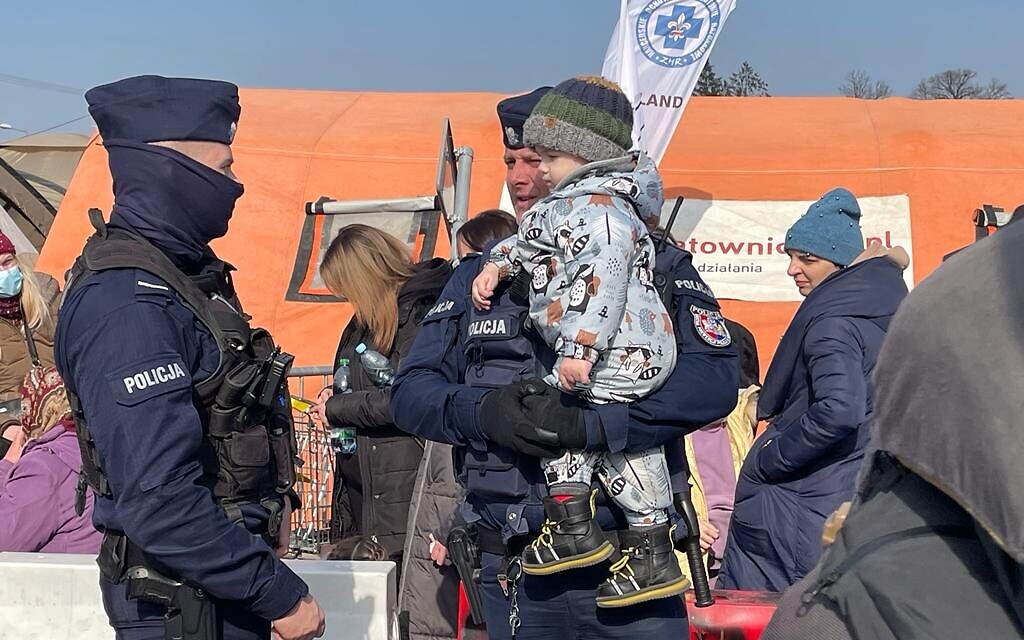
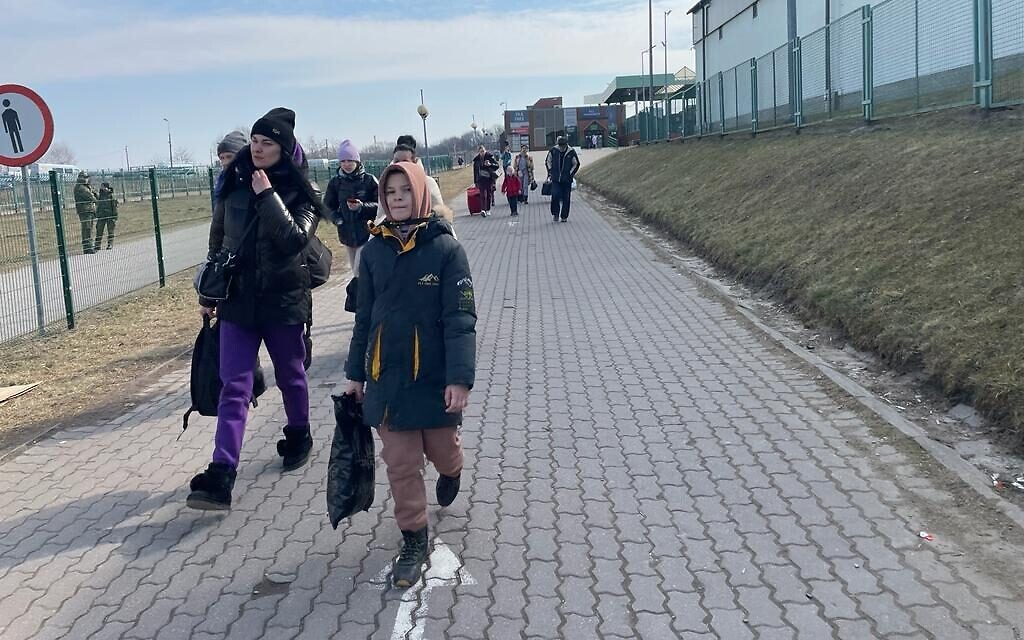
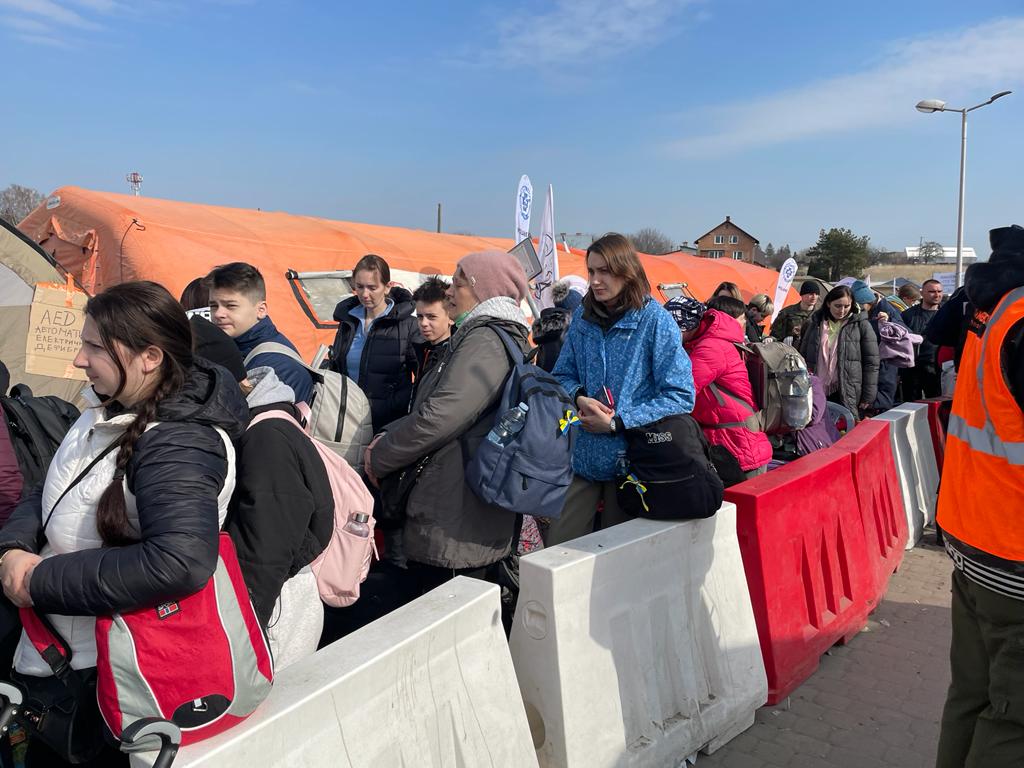
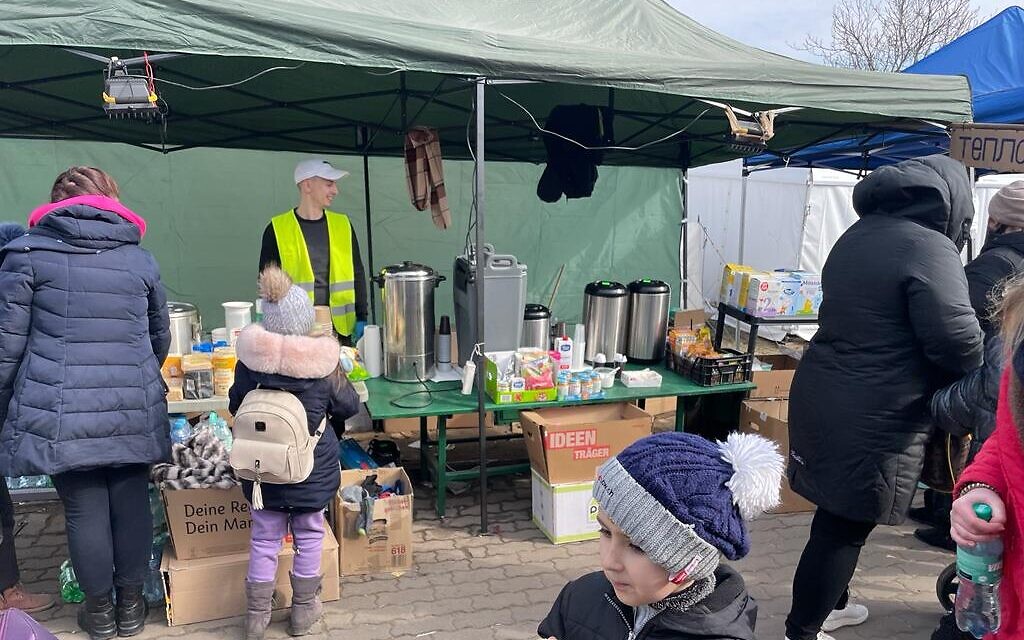
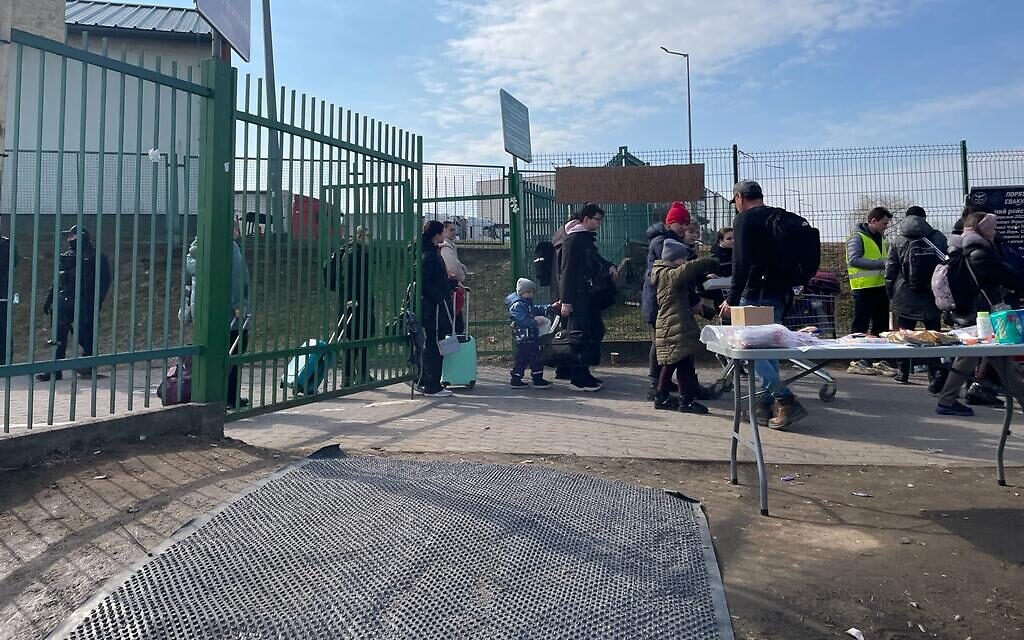
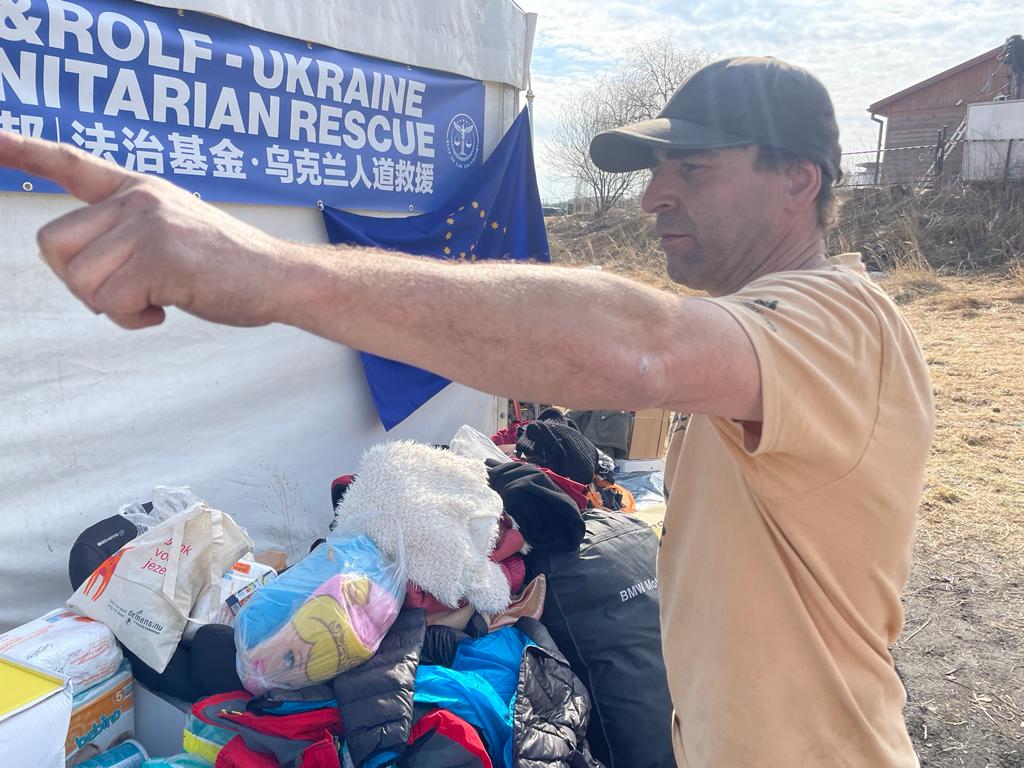
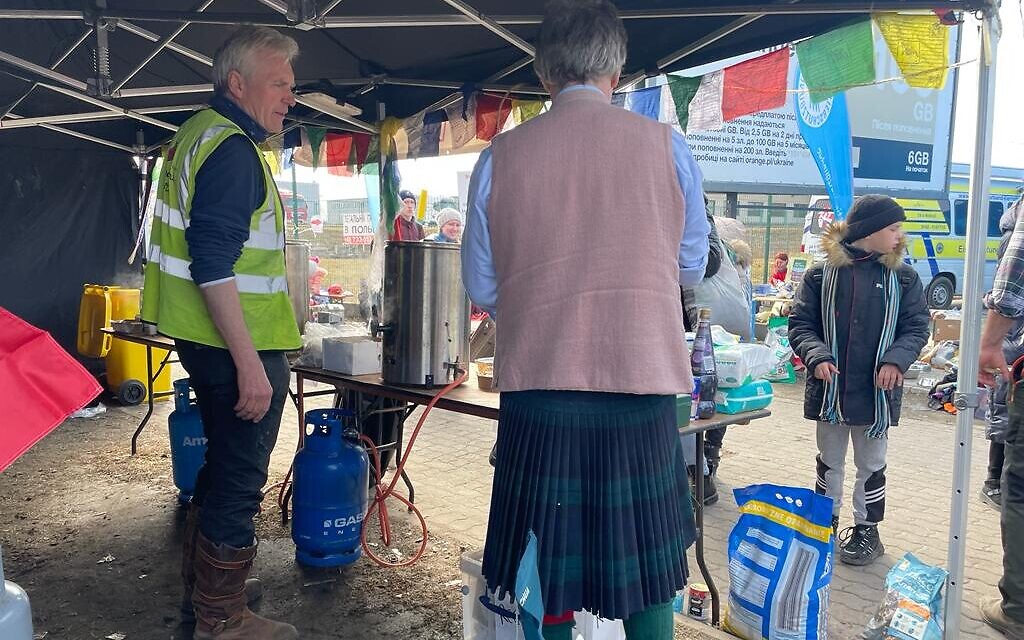
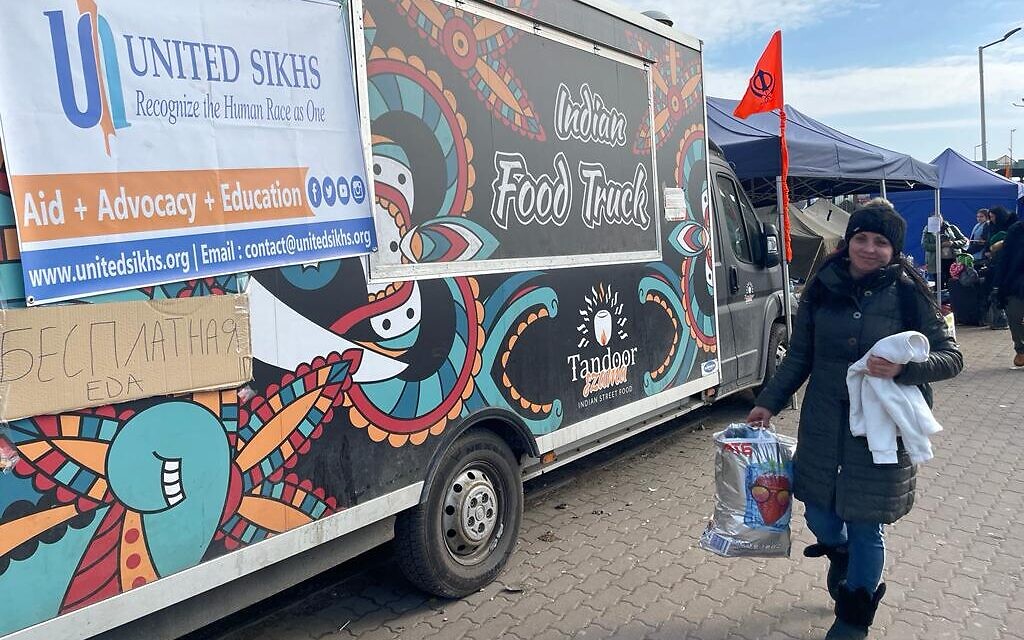
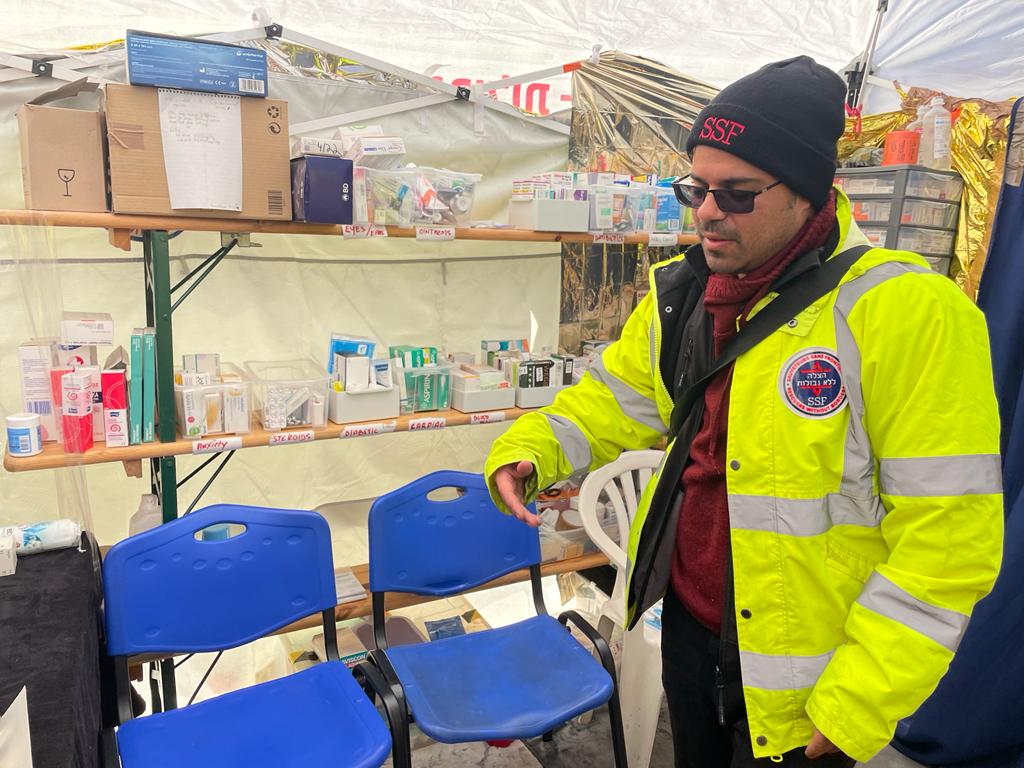
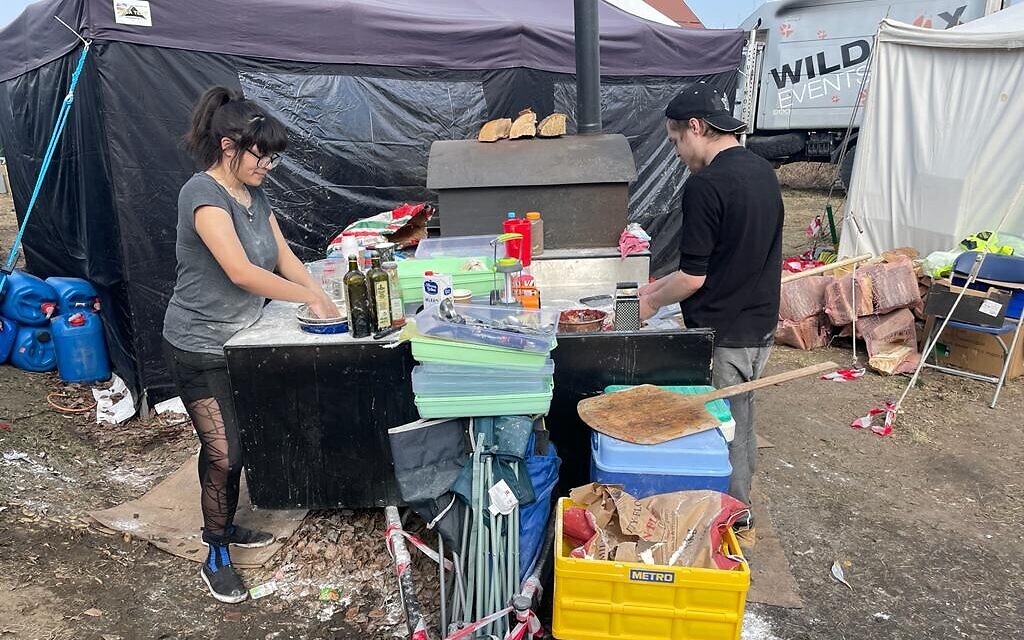
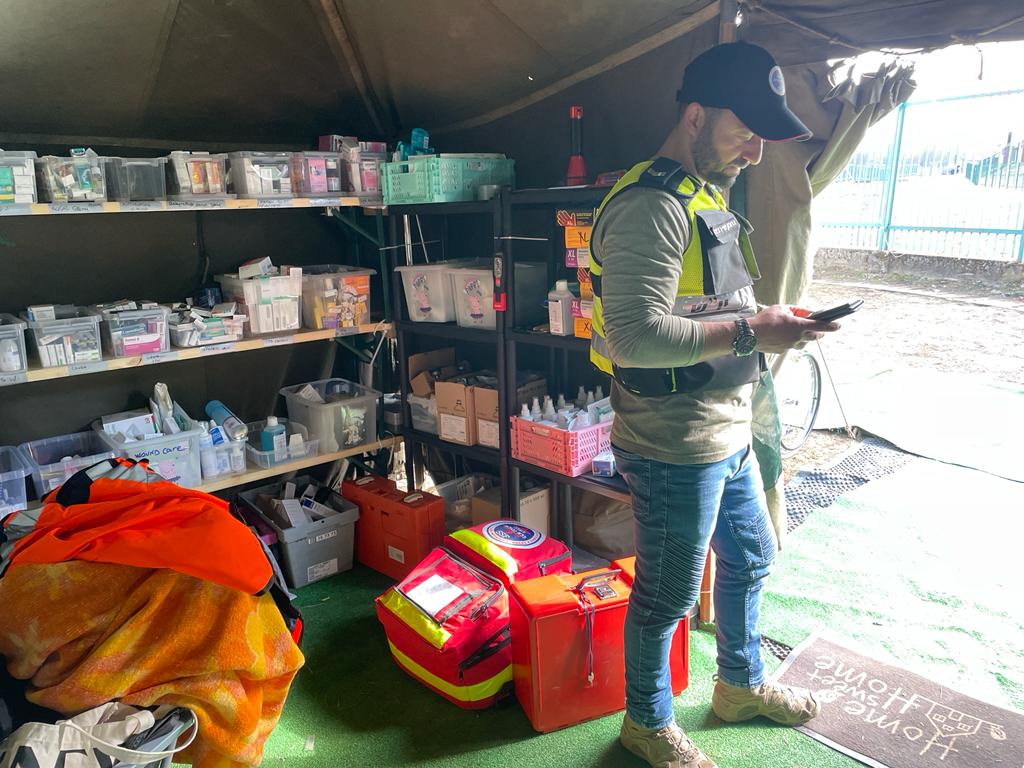
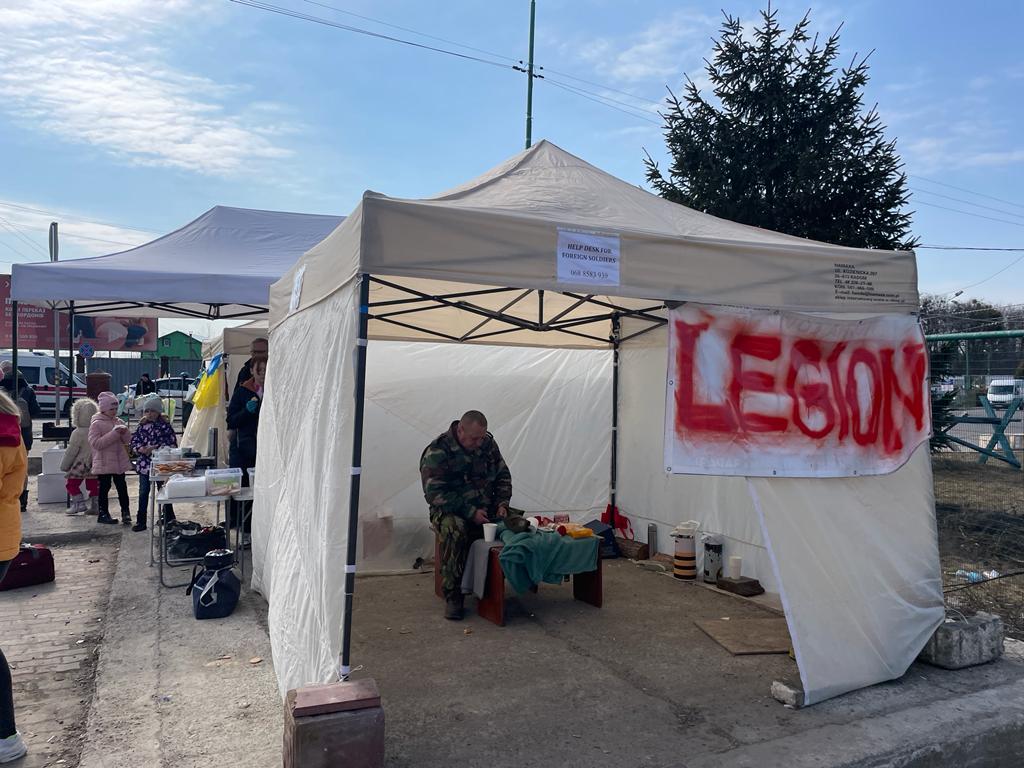
MEDYKA, Poland – A haphazard tent city sits along the Polish side of the Medyka border crossing with Ukraine, populated by organized aid outfits, private companies and independent, motivated individuals, all of whom are donating time, goods, and services to comfort Ukrainian refugees as they take their first steps onto Polish soil.
Donated aid runs the gamut from the immediately practical – heated shelter, supplies for babies and children, medical care – to the unexpected, like wood-fired pizza, and much in between.
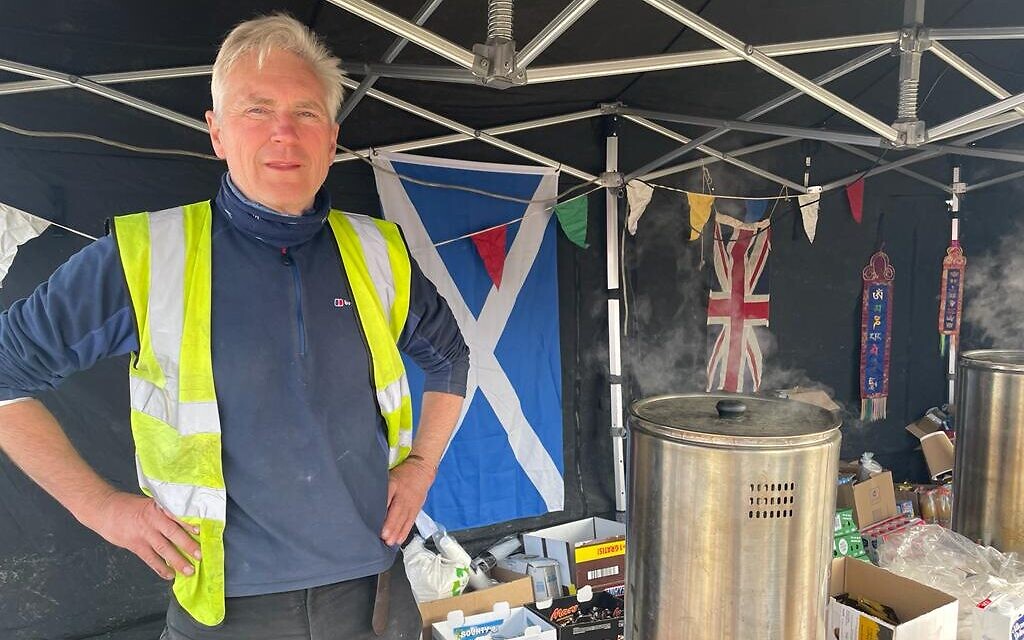
Joe, a Scottish volunteer with the organization Siobhan’s Trust, which baked the pizza as part of its contribution to relief efforts, declined to share his last name but shared a goal common to many volunteers onsite.
“We give humanitarian aid to give a little bit of comfort to the poor refugees,” he said. In his case, “that’s pizza, Spanish omelet, fresh, good soup, tea, coffee, biscuits, bonbons.”
Standing next to a man wearing a kilt, Joe explained that he and other volunteers are staying in the tent city rather than a hotel, sleeping next to the charity’s mobile pizza oven.
Many volunteers were sleeping in the makeshift village, including Nathan, from Manchester, England, who arrived alone at Medyka eight days prior and quickly integrated himself into the grassroots aid community.
“I lied to my girlfriend about coming here,” he said, beside the camp fire and log benches he built for other unaffiliated volunteers. “I told her three hours before that I booked a flight and she said ‘no, no.’ She fell asleep and I ran out.”
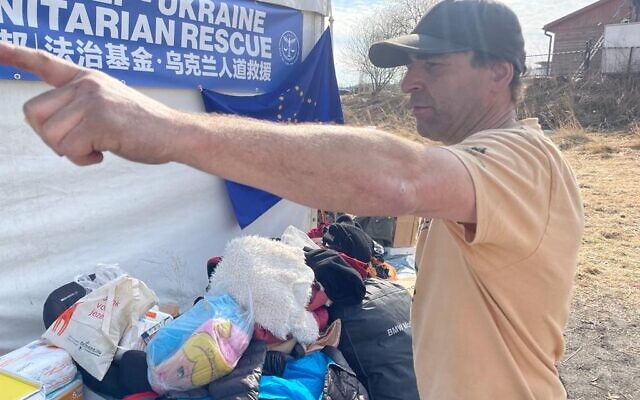
“I just came here and started helping. I go here, I go there. I go over the border and bring people back in wheelchairs. I kept speaking to everyone and [other volunteer coordinators] gave me a radio,” Nathan, who also declined to share his last name, said.
“There are a lot of people here like me,” he added, nodding to a young couple — also unaffiliated with a specific aid group — sleeping in a tent next to his.
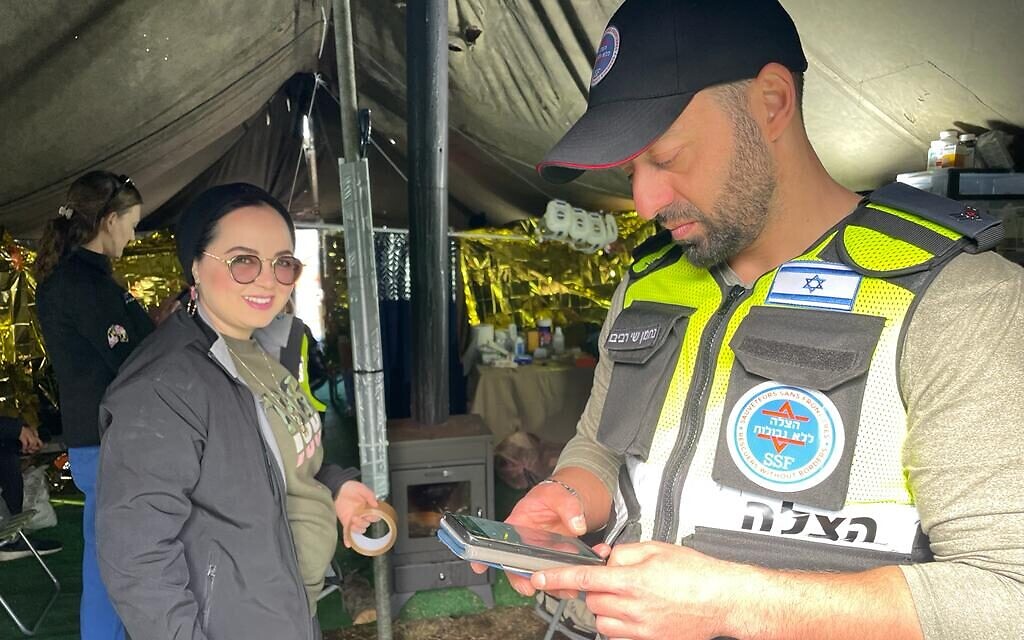
Israeli volunteers were also on scene, operating two tents to dispense medicine, first aid, a place for women and children to rest, and food.
Rahamim Natan from Beit Shemesh, a volunteer with Hatzalah L’Lo Gvulot — the Israeli arm of the French organization Rescuers Without Borders — described a particularly emotional scene.
“There was a Holocaust survivor couple in their 90s who arrived from Ukraine, and their daughter came to the border to meet them. We took them with a wheelchair and waited for her” to arrive and collect her parents, he said.
The colorful environment, and the overwhelming sense of goodwill and charitable intentions emanating from the volunteers who built it, greeted incoming Ukrainian refugees, thousands of whom trudged across the border daily.
The refugees, most of them women and children, stood in a slow-moving line, about a kilometer long, originating hundreds of meters behind Ukrainian border control and snaking a similar distance into Polish territory.
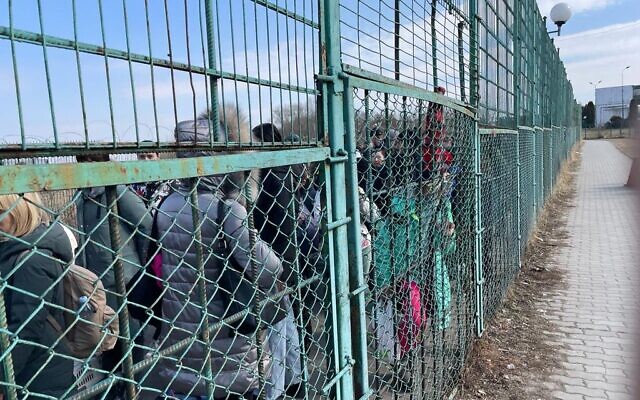
Tired, often having traveled for many hours or days, some with blank looks in their eyes, they fought to leave lives behind and walk into what for many would be an uncertain future.
The largest point of influx for Ukrainian refugees into Poland, Medyka has been the site of several donor visits. On Tuesday, Sam Grundwerg, the Jerusalem-based world chairman of the Keren Hayesod fundraising organization, visited the global village erected there as a close to the organization’s two-day mission to Poland.
Keren Hayesod has raised $10 million in the past days for the Jewish Agency for Israel, directly supporting its work evacuating Ukrainian Jews and immigration visa holders. The funds have gone towards sheltering refugees, organizing evacuation buses, and chartering flights to Israel, among other core activities.
“We are helping to save Jewish refugees from Ukraine, so they can come and make aliyah (immigration under the Law of Return) to Israel,” Grundwerg said.
Communities all over the world are sponsoring planes full of new immigrants, and Grundwerg’s team returned to Israel on Tuesday night on a chartered flight from Warsaw, carrying 130 soon-to-be Israelis.
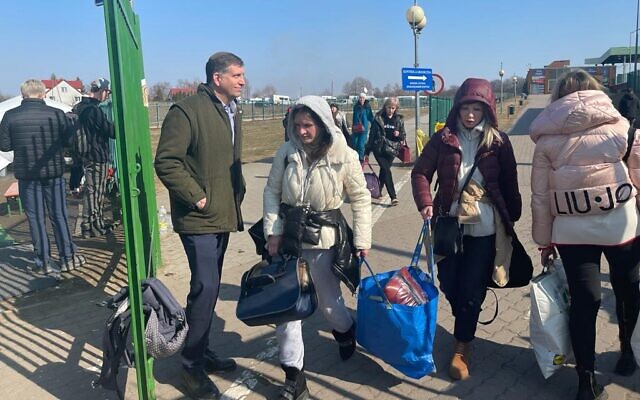
“We’ve been focusing on this tragedy for a few weeks, but until you come and see it, the sheer numbers — and mostly women and children coming through because men are left behind,” Grundwerg said. “They’re carrying all of the belongings they can bring. They’re leaving a life behind. It’ll never be the same. And they’re going into such uncertainty. It’s one thing to read about it, it’s another to witness it.
“It’s really a human tragedy of unbelievable proportions.”
About 3 million people have fled Ukraine, since Russian invaded its former Soviet state three weeks ago.
In contrast to the chaotic scene in Medyka, for those making the lonely walk to the Ukrainian side of the border, the sole greeter is a Ukrainian army recruiter for foreign fighters.
“We get a few every day,” the army officer said, declining to share his name. “This morning alone, two arrived.”




The Times of Israel Community.