

COVID transmission rate continues to rise as new cases tick slightly upward
Health Ministry figures show R number hits 0.92, as it continues steady climb towards 1; daily caseload up to 6,738, death toll reaches 10,405
 Add ToI as a Preferred Source on Google
The spread of COVID-19 in Israel is increasing, with the transmission rate of the virus inching up closer to 1 — the point after which the outbreak is expected to accelerate, Health Ministry figures released Thursday showed.
The R-number — the reproduction rate of the coronavirus — was listed as 0.92, calculated based on data from 10 days earlier. On Wednesday, the ministry had given the R-number as 0.9, and it has been slowly inching upward from 0.6 earlier this month.
The figure represents the number of people each confirmed patient infects on average. Any number over one signifies that the pandemic is growing and, unless curbed, will climb exponentially.
There were 6,738 new virus cases diagnosed Wednesday, the ministry data showed, the third day in a row the number has been over 6,300, showing the downward trend over the past few weeks beginning to reverse.
There were 40,096 active patients in the country as of Thursday morning, of which 332 are in serious condition. With the death of another patient on Wednesday, the toll since the start of the pandemic in 2020 rose to 10,405.
Also on Wednesday, Prime Minister Naftali Bennett announced that Israel will keep its indoor mask mandate in place for at least another month amid growing fears of a resurgence in coronavirus cases. Most of the other COVID-related public health orders have been rolled back.
During a meeting with health officials, Bennett and Health Minister Nitzan Horowitz were presented with the latest figures in Israel as well as from countries around the world, with particular focus placed on China, which has seen a significant spike in cases in recent weeks, according to a statement from the Prime Minister’s Office.
Authorities will conduct an inventory check of vaccines and drugs “ahead of the possibility of a serious coronavirus strain, should one be found,” according to the PMO statement. They will also accelerate the distribution of air filters for classrooms and maintain the “Magen Avot” program aimed at protecting nursing homes and other at-risk populations.
Bennett’s cautious approach may partly be a result of upcoming Jewish holidays that feature large gatherings and have led to mass infections in the past.
Wednesday night saw the start of the Purim holiday, often celebrated with large parties and celebrations. A month later is Passover, which is generally observed with extended family gatherings. Two years ago, Passover was celebrated under a strict lockdown, with families ordered to not host any relatives from outside their household.
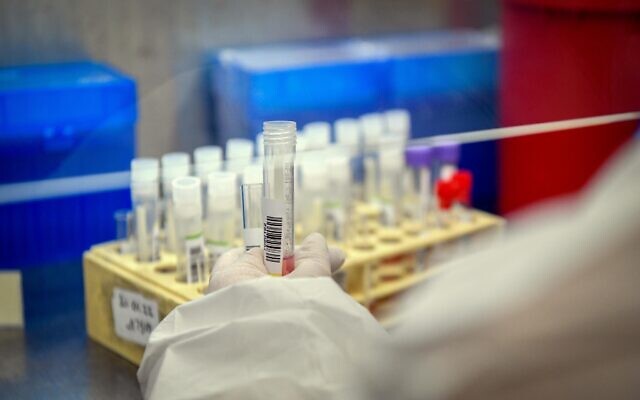
On Wednesday, the Health Ministry announced that two cases of a new, previously unknown COVID variant were recently diagnosed in Israel.
The novel variant — a combination of Omicron’s dominant subvariant BA.1 and another subvariant, BA.2 — caused light symptoms, including low fever, muscle aches, and headaches, and did not require special treatment.
“This variant is still unknown around the world,” the Health Ministry said, adding that the cases were diagnosed in PCR tests taken from arriving Israeli passengers at Ben Gurion Airport.
The ministry said it will continue to closely monitor the situation.
BA.2 has been documented to have re-infected some people after an initial case of Omicron. There’s mixed research on whether it causes more severe disease than Omicron, but vaccines appear just as effective against it.
While the number of people getting tested in Israel has fallen, all international arrivals at the airport are checked upon landing.
New daily COVID cases have dropped fairly steadily over the past month, from more than 30,000 in mid-February as Israel exited its fifth wave of virus infections.










The Times of Israel Community.