

Eisenkot takes heat for implying Zionist opposition bloc may partner with Arab parties
Gantz scolds former party member, says chance of such an alliance ‘unrealistic after Oct. 7’; Likud slams opposition for relying on ‘elements’ who ‘undermine the State of Israel’
 Add ToI as a Preferred Source on Google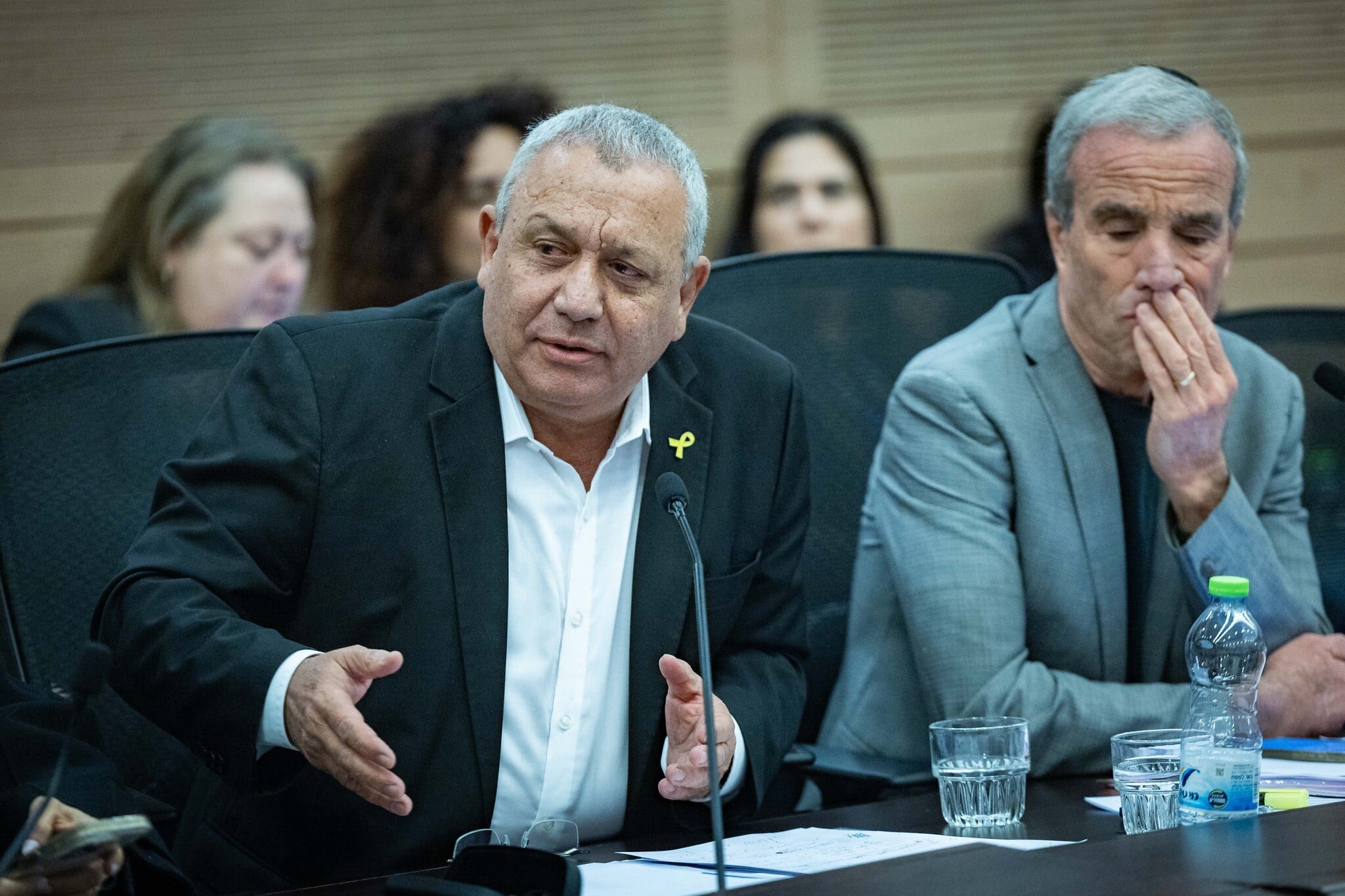
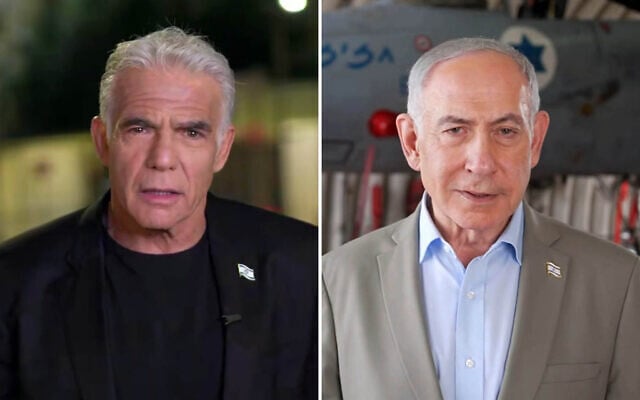
Yashar party chair and ex-military chief Gadi Eisenkot drew backlash from both the government and members of the opposition on Saturday for appearing to indicate that Zionist opposition parties might rely on the cooperation of Arab parties to form a government after the next elections.
Speaking to Channel 12’s “Meet the Press” on Saturday evening, Eisenkot suggested that the Zionist — meaning, non-Arab and non-Haredi — opposition parties could form a government even if the bloc only wins 58 seats in the next election, two short of a 60-seat majority, as polls have consistently suggested it will.
“We can find a political solution,” he said of the possibility that the parties will fall just short of a minority.
When pushed to answer whether this meant the Zionist opposition bloc could find itself relying on Arab-majority parties Hadash-Ta’al and Ra’am to support from outside the formation of a minority government, Eisenkot, an ex-member of Benny Gantz’s National Unity Party, was evasive.
“I don’t know” if they would support such a move, Eisenkot cautioned, adding that he “won’t ask anything of them,” emphasizing that he will not make any deals with Arab-majority parties in exchange for their support for a government.
Despite the polls showing that neither the opposition parties nor the current coalition parties will have a clear majority in the next elections, currently scheduled for October 2026, Eisenket was optimistic that this would not be the case.
“I think [Prime Minister] Netanyahu, after everything he has done, is still reaching a coalition of 52 or 53 seats,” Eisenkot posited, referring to recent polling that has shown the premier’s ruling bloc far behind the Zionist opposition bloc.
“If he believed the polls on Channel 14, he would have already run to elections,” he said.
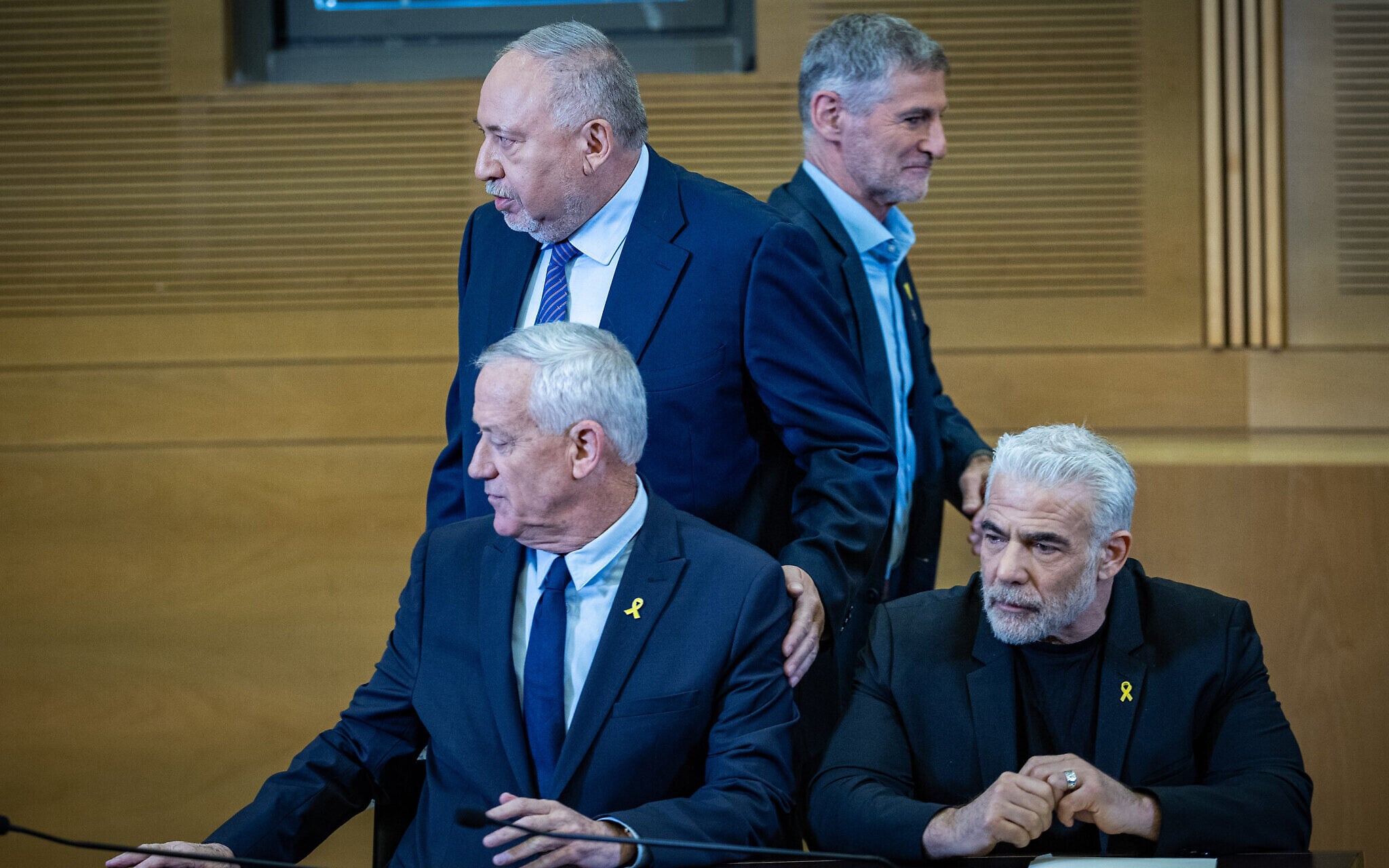
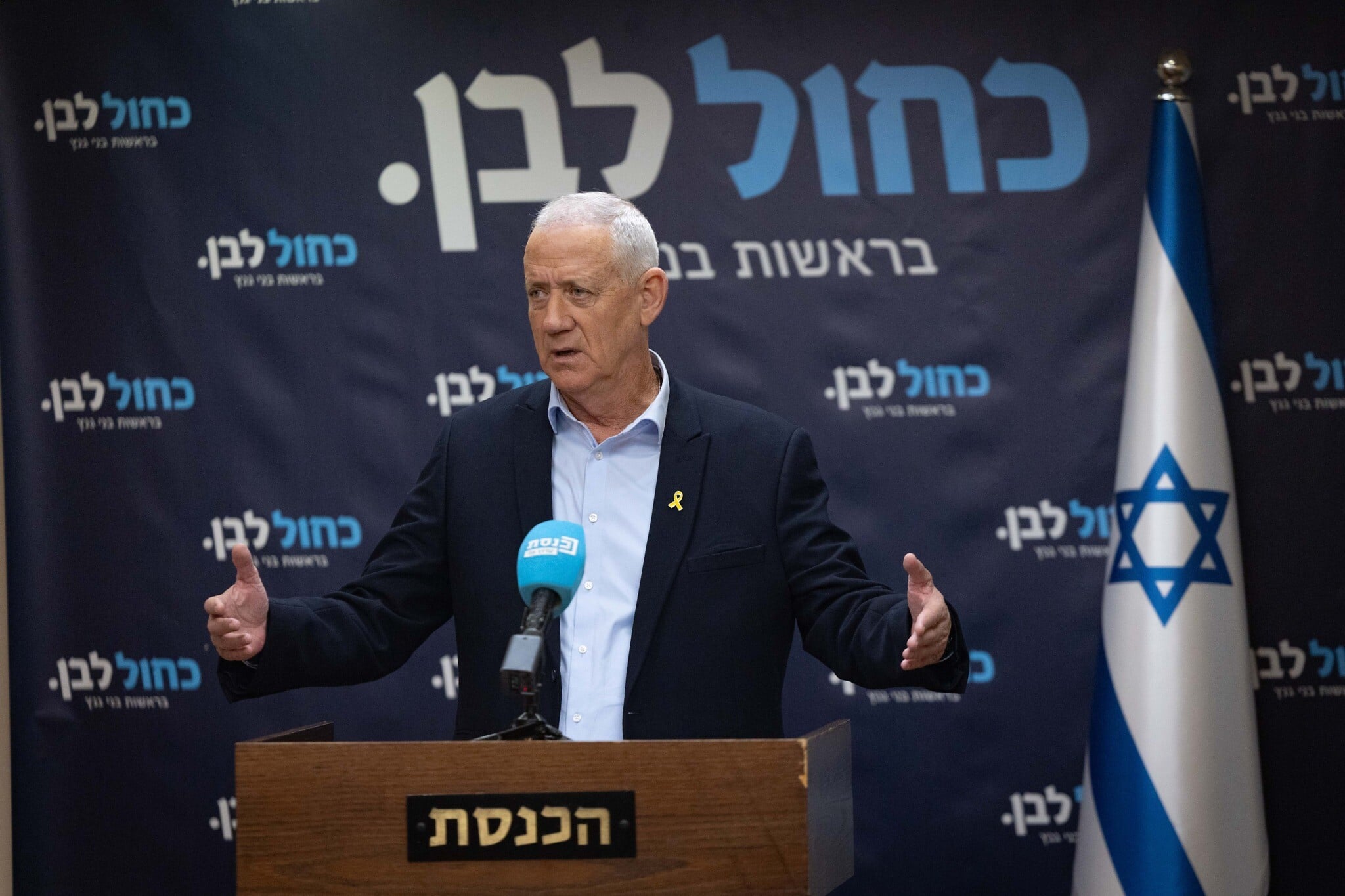
His comments suggesting that the Zionist opposition bloc may find itself relying on the external support of Arab parties drew quick criticism from Gantz, whose faction Eisenkot quit earlier this year in favor of forming his own party.
“My friend, we’ve seen this movie before, of trying to swear in a minority government. It wasn’t realistic then, and it’s even more unrealistic after October 7,” Gantz wrote on X, apparently referring to the short-lived government led by former prime minister Naftali Bennett and Yesh Atid chair Yair Lapid in 2021-2022, which counted the Islamist Ra’am party among its slim 61-seat majority.
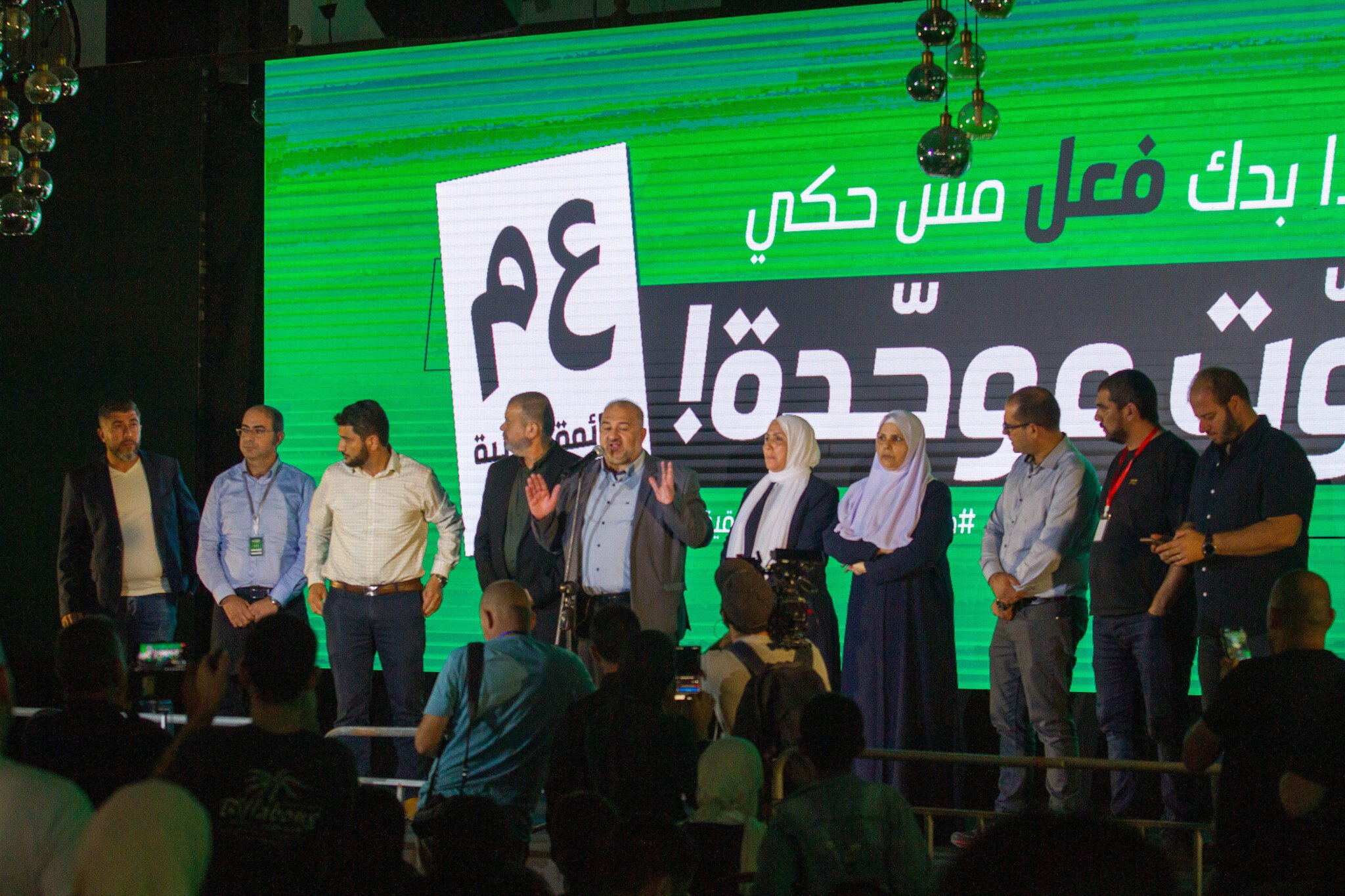
Ra’am, under the leadership of Mansour Abbas, was the first independent Arab party to join a coalition government in Israel.
“What Israel needs, as I have said, is a broad Zionist government of 70 Knesset members, and not an interim government that relies on Arab parties,” wrote Gantz, whose party had served alongside Ra’am in Bennett’s government.
Relying on Arab parties again, he claimed, would result in a rise of the far-right Otzma Yehudit party, and “would bring us [Itamar] Ben Gvir with 20 seats.”
Outrage also poured in from across the aisle, where far-right Religious Zionism leader and Finance Minister Bezalel Smotrich suggested Eisenkot could be “power hungry.”
“We’ve seen this dangerous movie before, from the left and some power-hungry people, and we saw the results,” he warned. “The State of Israel cannot form a government that is backed by terror supporters who aren’t willing to condemn Hamas-ISIS.”
Abbas has repeatedly acknowledged and condemned the targeting of civilians during the Hamas-led onslaught that triggered the Gaza war.
“We prevented the legitimization of the Muslim Brotherhood in the government before, and we will prevent it again in the future,” Smotrich added.
Ra’am is the political wing of the Southern Islamic Movement — a group inspired by the global Islamist organization Muslim Brotherhood, which has been outlawed in around a dozen countries for alleged links to terrorism.
The party denies accusations that it is part of the Muslim Brotherhood itself and announced recently that it is moving toward becoming “a completely civic party,” independent of any religious body.
Netanyahu’s Likud party also responded to Eisenkot, dubbing the hypothetical future cooperation an “alliance of the dangerous.”
“Eisenkot revealed this evening the opposition’s real plan – leaning on the Muslim Brotherhood and on the Arab anti-Zionist parties in order to assemble the next government,” the Likud post declared. “Whether they’d be members of the government or support it from outside, a government like that would again be reliant on the Muslim Brotherhood,” the post continued.
“The opposition is returning to the same dangerous pattern – a political alliance with elements that undermine the foundation of the State of Israel. It seems the opposition has not internalized the lessons of October 7.”
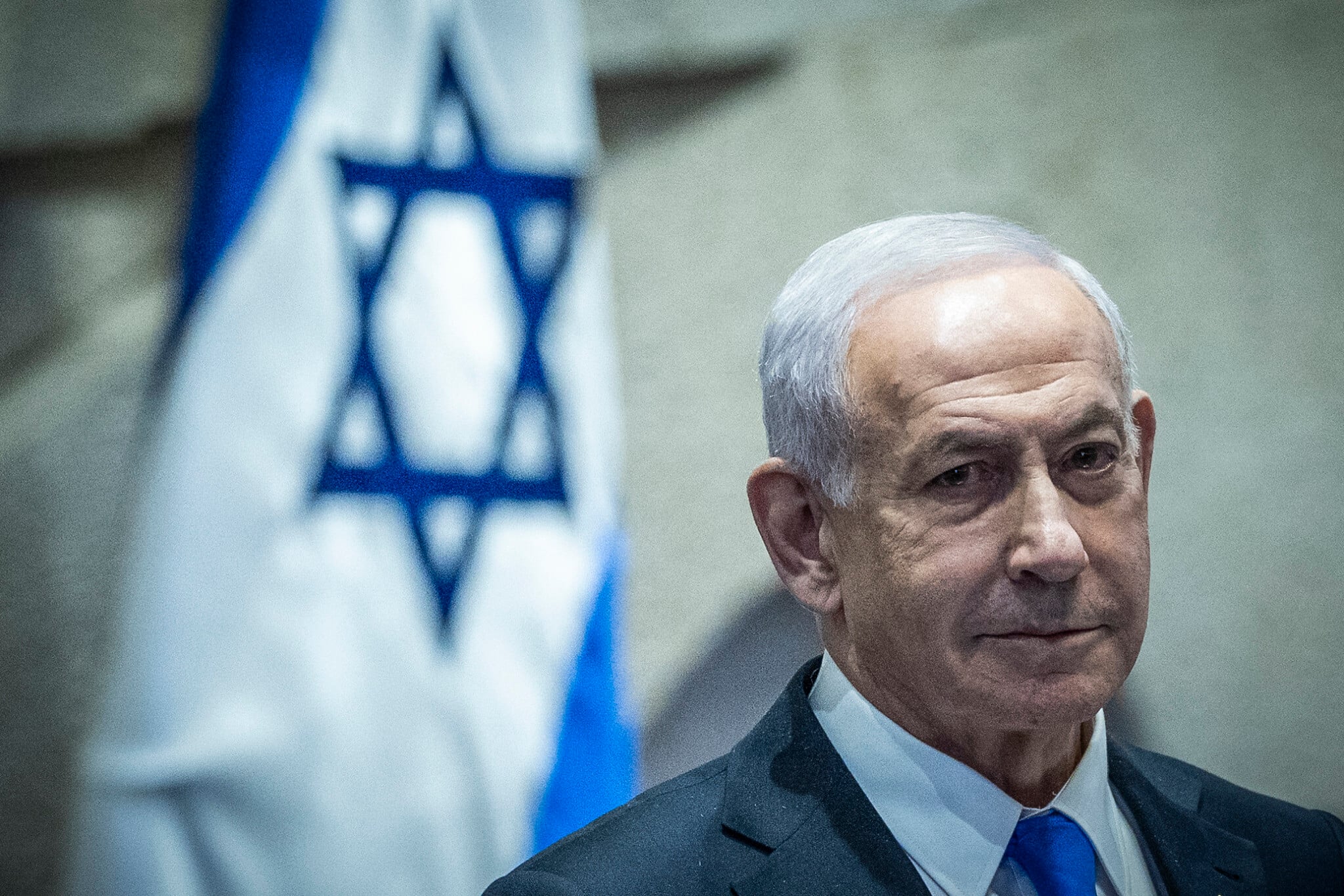
Eisenkot responded in kind, publishing a lengthy X post accusing Netanyahu of supporting a two-state solution before he opposed it; favoring the Hamas regime in Gaza; trying to recruit Arab MKs to pass his government’s draft-exemption law for the ultra-Orthodox; courting Arab parties for a potential joint government in previous elections; dividing Israel and thus allowing the failures of October 7; and running from the truth.
“There is no secret plan, there is a clear plan that will ensure Israel’s future as Jewish and democratic, safe and flourishing,” he said, accusing the current government of “bringing a series of disasters upon the nation of Israel.”
“The only alliance the next government will care about is the alliance of lovers of the state, those who serve, the real patriots. It’s clear why that’s so dangerous in their eyes! This too, we will straighten out,” he promised.





The Times of Israel Community.