

Government offers summer extension of school programs following wartime disruptions
Optional camp activities to continue for an extra ten days until the end of July for kindergarten through to grade 6, along with 10-day catch-up scheme for middle-school students
 Add ToI as a Preferred Source on Google
Ariela Karmel is a political correspondent at The Times of Israel. She previously reported for Calcalist and Haaretz. She holds an MA in Middle Eastern and African History from Tel Aviv University and a BA in Political Science from the University of British Columbia.
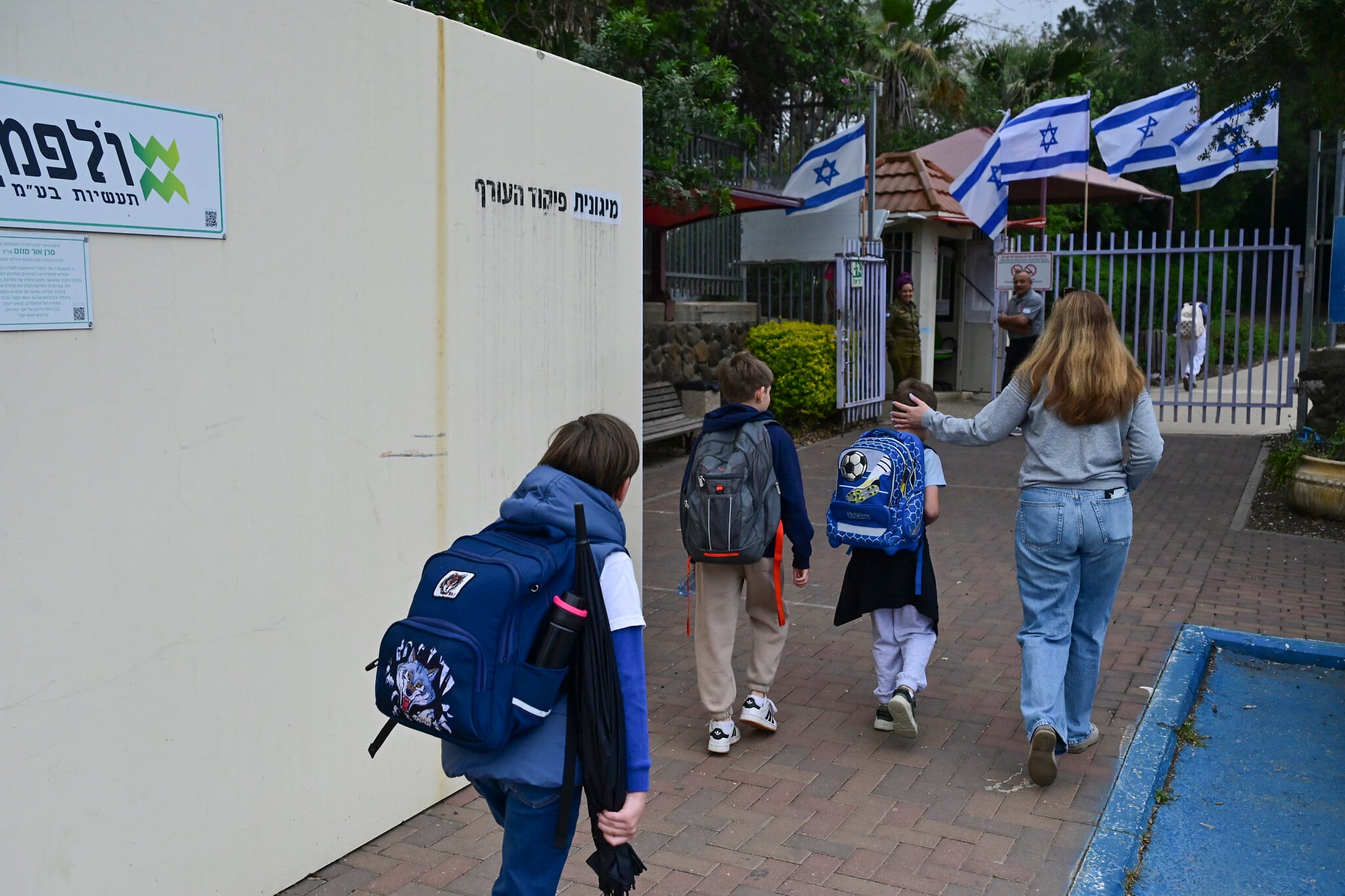
The government will spend NIS 1.1 billion ($377 million) on expanded summer education programs for students from kindergarten through ninth grade to help them recover from wartime learning disruptions, the government said Wednesday.
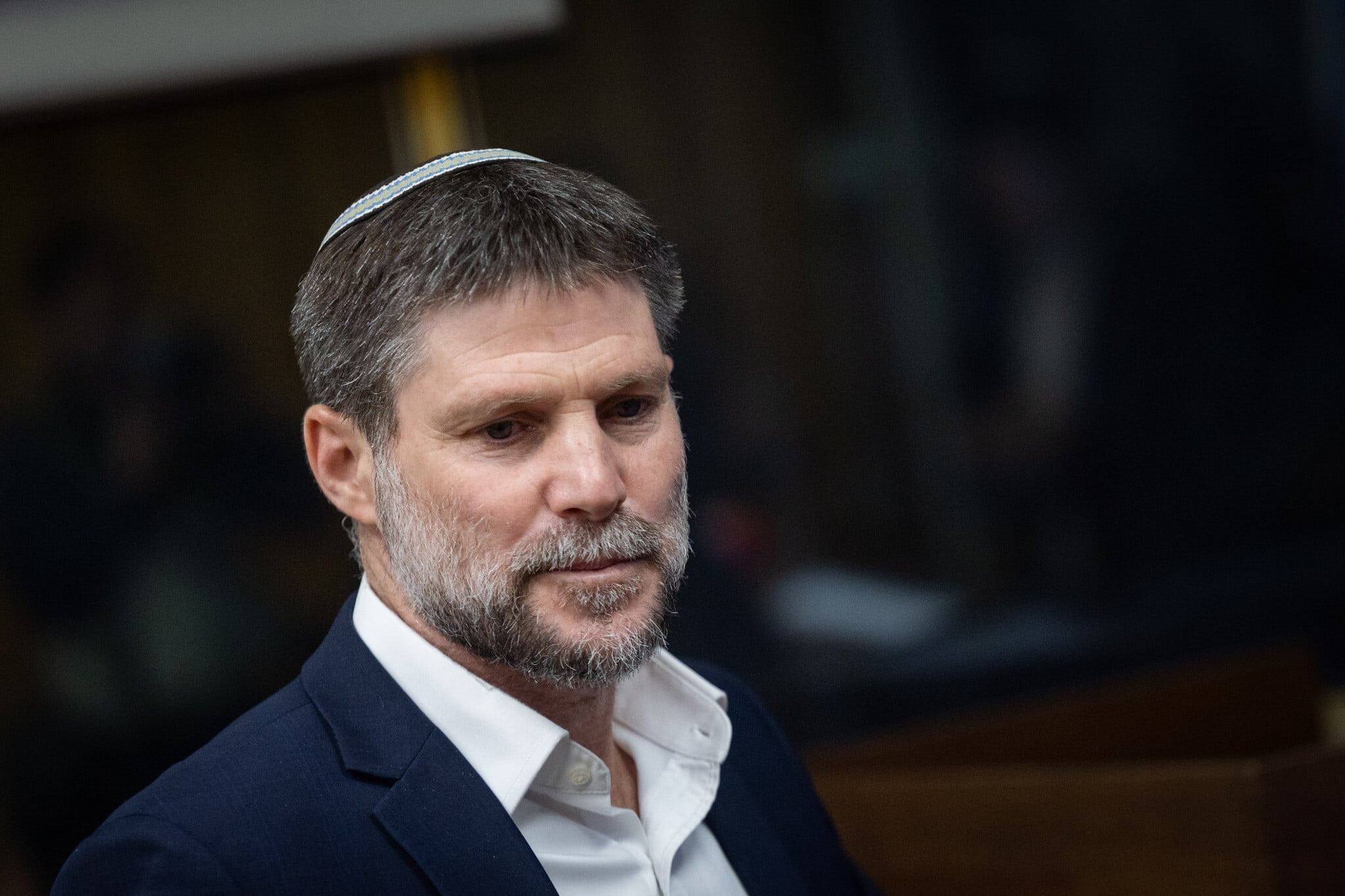
The school year typically concludes at the end of June, after which subsidized summer programs for kindergarten to grade 6 kick in, usually ending on July 21. Instead, this year’s programs will be extended for 10 more days until the end of July, according to a joint statement from Prime Minister Benjamin Netanyahu, Finance Minister Bezalel Smotrich and Education Minister Yoav Kisch.
Kisch said the optional program is intended to help students make up for learning gaps caused by, among other things, five weeks of closures during the war with Iran that covered the Passover break, while also providing “emotional support and innovative artificial intelligence programs.”
“This is a significant national statement on our commitment to Israeli children,” the education minister said.
Participation is voluntary for students, as well as for kindergarten teachers and school teachers. Local authorities are to bring in outside workers to provide any stopgaps. According to Channel 12, throughout the war, there were no negotiations with the teachers’ unions about making up for the lost days. Teachers who work will be paid overtime.
First announced in April, the initiative was then estimated to cost approximately NIS 750 million ($242 million), pending final budget agreements between the Education and Finance ministries. That program envisioned more formal learning hours for school students and was intended to provide three extra weeks of activities, extending into August.

Smotrich said in the statement that the announced program will “allow parents to return to work after a difficult year,” and that the program will include an AI-based learning pilot.
The initiative includes extending state-subsidized summer programming for students in kindergarten to third grade by 10 days until the end of July and expanding it to include students through sixth grade, as well as a summer academic catch-up program for middle-school students.
A subsidized elementary-school program, which functions much like a day camp, will operate throughout July and include older elementary grades.
The new middle-school program, by contrast, is designed as an academic catch-up framework to help students make up for lost learning time, and will focus on “AI literacy, math, science and English” as well as STEM. It will run from July 21 until July 30.
Netanyahu, Kisch and Smotrich also gave a press conference to unveil the new summer plan.
At the briefing, Kisch explained the more modest 10-day extension instead of his earlier plan for three weeks, saying that a decision was taken not to provide any days in August as families “also need a vacation,” Channel 12 reported.
“Within the framework of cost-benefit, I think that is the most correct decision,” Kisch said.
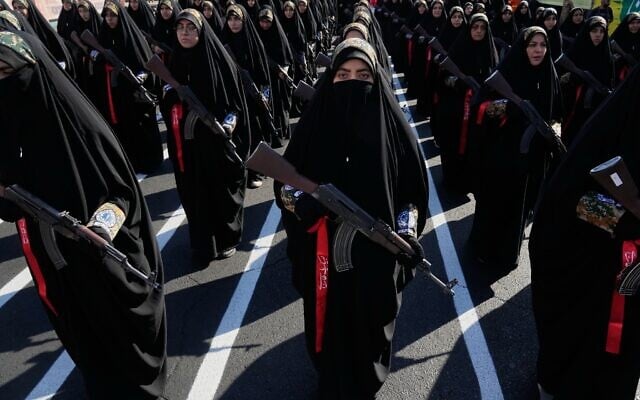
The war began with a joint US-Israeli attack on Iran in a bid to destabilize the regime and destroy its nuclear and ballistic missile capabilities. Iran responded with missile and drone strikes across the region, and its proxies in Iraq and Lebanon also carried out attacks, including rocket and drone barrages from the Hezbollah terror group.
Amid the rocket and drone fire, the IDF Home Command ordered education sites shut, and students spent five weeks at home. The Education Ministry initiated a remote-learning program, but according to Channel 12, there was only an average of 30 percent attendance, and students lost at least 18 days of study.
A fragile ceasefire was reached on April 8, though clashes continue between the IDF and Hezbollah in southern Lebanon.







The Times of Israel Community.