

In Beersheba, missile-battered Soroka hospital still seeking cash to rebuild and fortify
The Negev’s main medical center is continuing to operate at limited capacity, working on fundraising as the government has yet to fully commit to covering the NIS 1.2 billion cost
 Add ToI as a Preferred Source on Google
Reporter at The Times of Israel
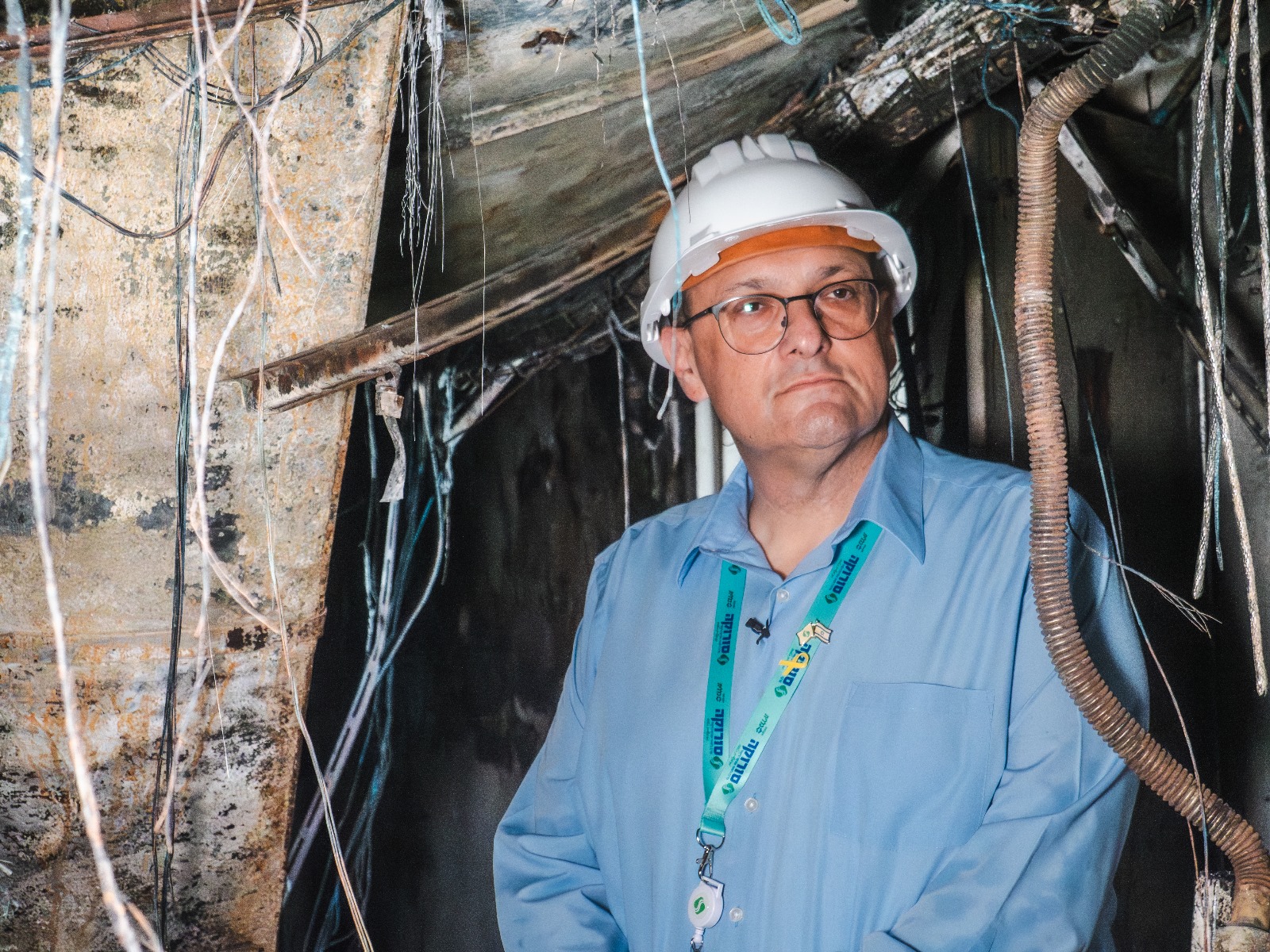
For the last three months, the view from Soroka University Medical Center director Prof. Shlomi Codish’s office window has been of crumbling concrete, twisted metal and a tangled mess of wires and pipes, the legacy of an Iranian ballistic missile with a large explosive warhead.
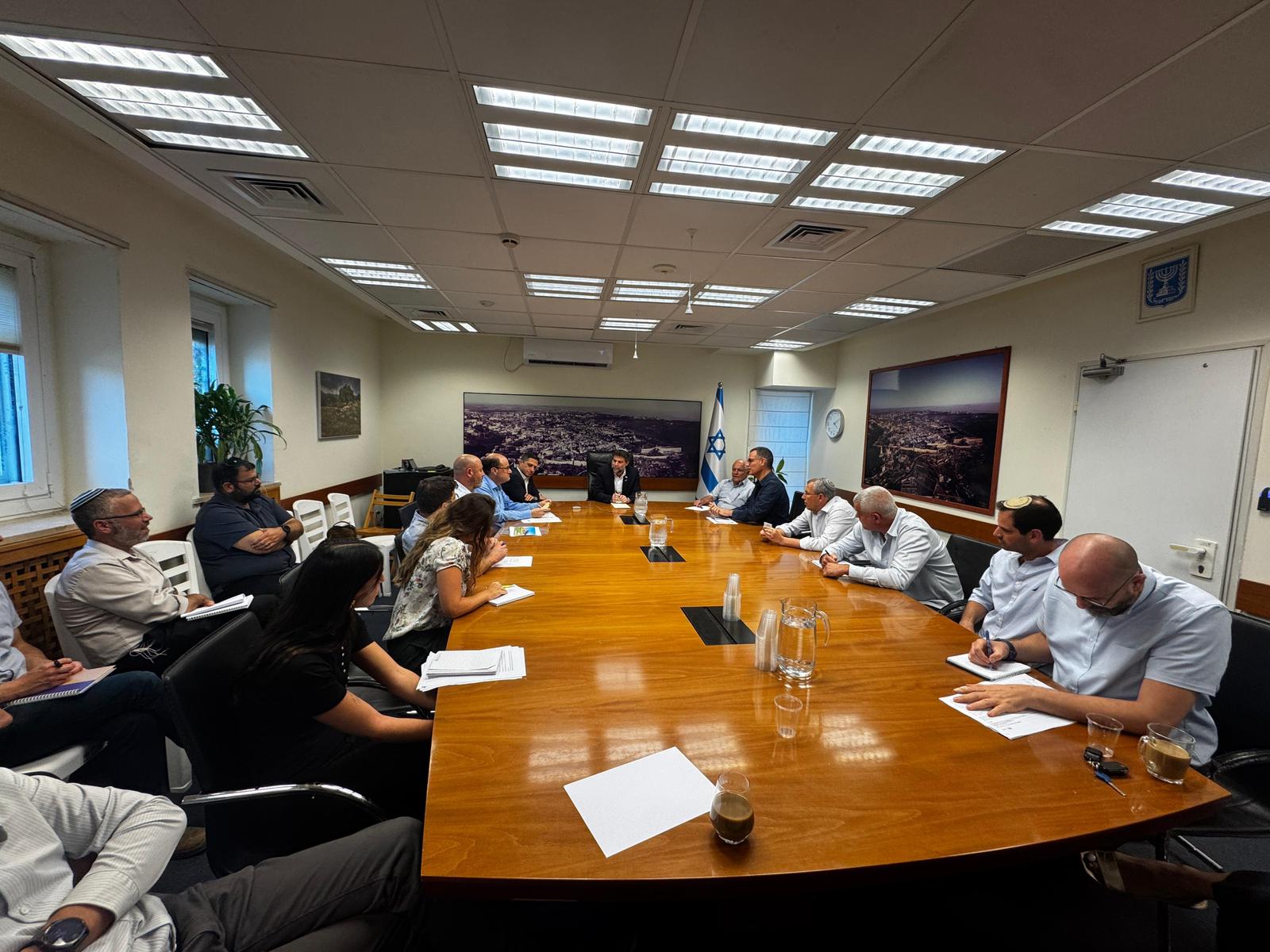
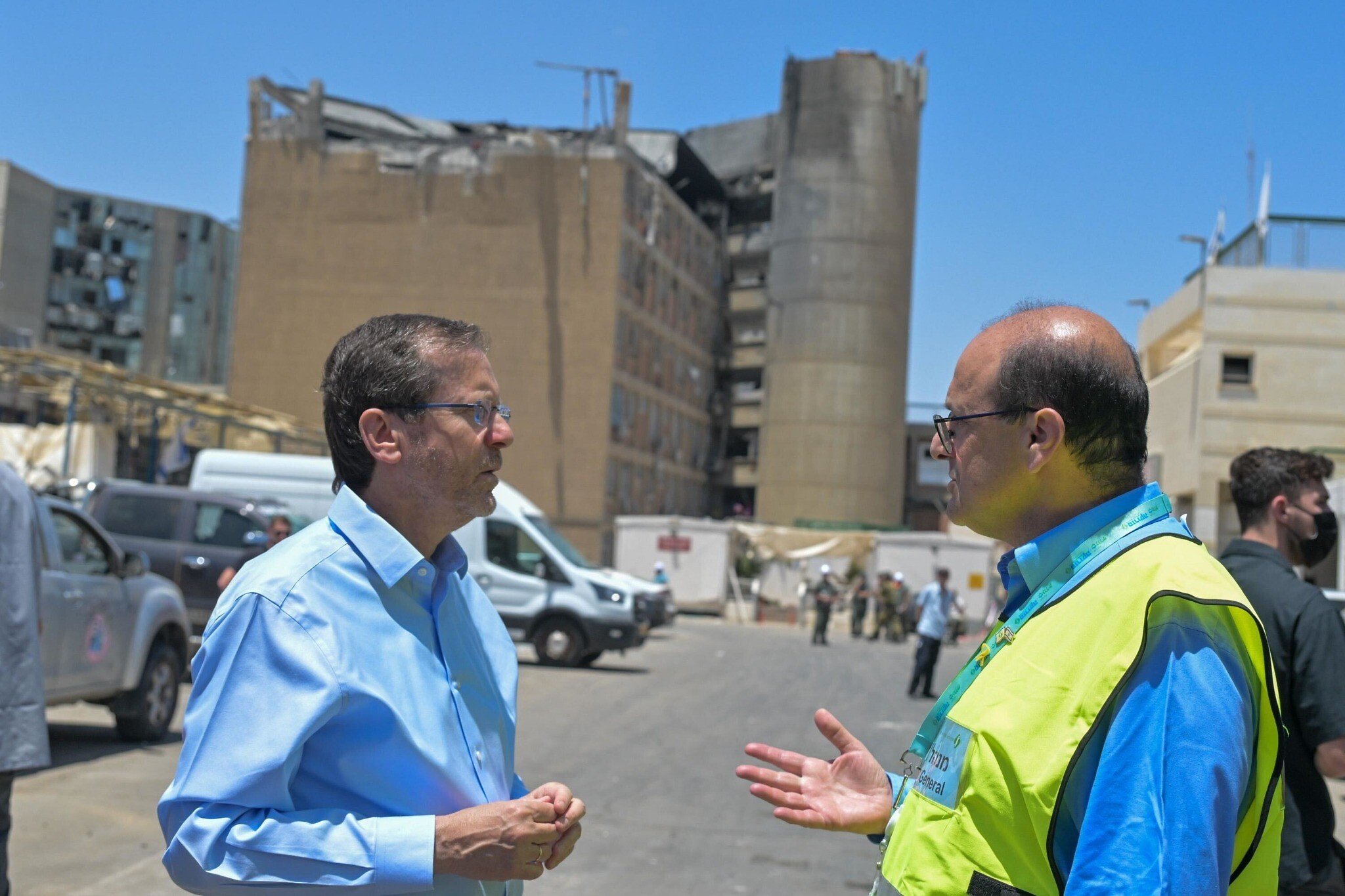
On June 19, the missile slammed into the hospital’s surgical ward, just 100 yards from Codish’s office, injuring more than 80 people and wrecking eight operating rooms along with six research laboratories.
Months later, several hospital departments, including rehabilitation, and intensive care remain closed.
According to Codish, acting Health Minister Haim Katz and Finance Minister Bezalel Smotrich both agree on the necessity of urgently repairing the hospital, which serves one million people in the Negev, including communities near the Gaza Strip, a project expected to cost about NIS 1.2 billion ($280 million).
But securing the funds has been a challenge, Codish told The Times of Israel.
The government and Clalit Health Services, which owns the hospital, recently moved closer to agreeing to pay for two-thirds of the renovation, Codish said, with the rest of the money expected to come from private donors.
Codish met with Smotrich, Katz, Beersheba Mayor Rubik Danilovich and other government officials at the hospital on September 1, when he hosted a meeting of the Knesset Special Committee for Strengthening and Developing the Negev and Galilee.
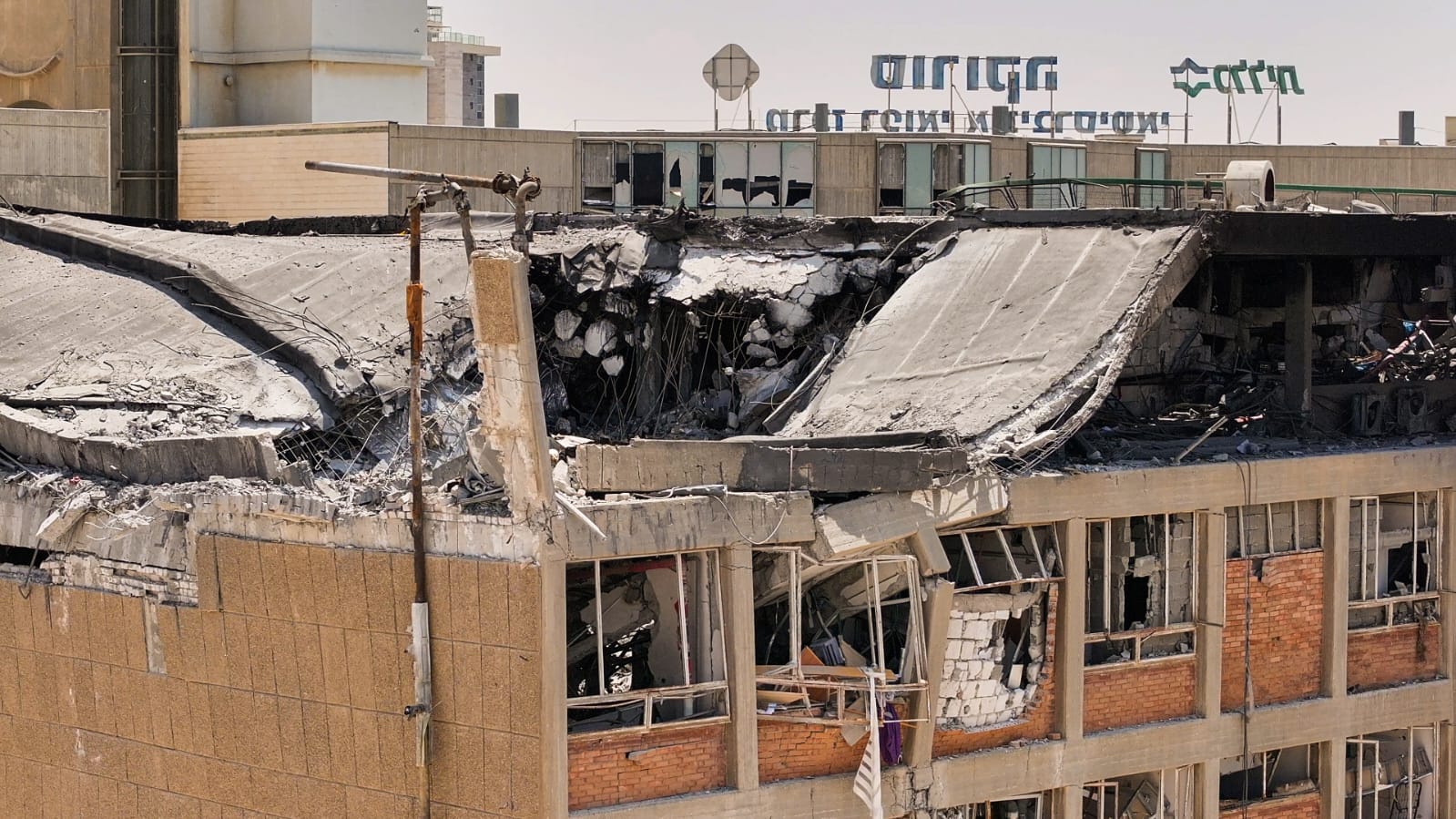
Smotrich ordered the establishment of a joint working team to build the outline for rehabilitating the damaged hospital buildings, determining the budget, and selecting partners for the project.
“Soroka Hospital is the heart of public medicine in the Negev,” Smotrich said. “We are working rapidly to launch the rehabilitation of the medical center.”
Smotrich’s spokesperson said last week that the government bodies are “all participating” in the project and there has been “progress and good work.”
Codish reflected on the meeting by recalling an old Yiddish saying, “You can only count your money while on your way down the stairs” — basically, don’t count your chickens before they hatch.
“This whole region of the country is really relying on what happens next,” he said.
Evacuating the building the day before the Iranian attack
On June 18, during the Israel-Iran war, Codish ordered the evacuation of about 60 percent of Building 12, which housed patients. The next day, an Iranian missile scored a direct hit on that exact building.
“People talk about the miracle of evacuating the floor the day before the attack,” he said. “But we can’t rely on miracles.”
The building has 270 beds, none of which were in spaces fortified against missile attacks.
“It was operational within Health Ministry regulations, but it’s unconscionable” to have patients in harm’s way, he said.
Much of the hospital was emptied in the wake of the missile strike, but engineers quickly checked buildings to make sure they were safe. Codish got the emergency department back up and running and ordered the remaining operating rooms to be prepared to deal with patients should missiles target the area again.
Six days later, another Iranian missile hit an apartment building in Beersheba, killing four residents and injuring at least 22 others.
“People need to realize how important the hospital is and how hurt we are right now,” Codish said.
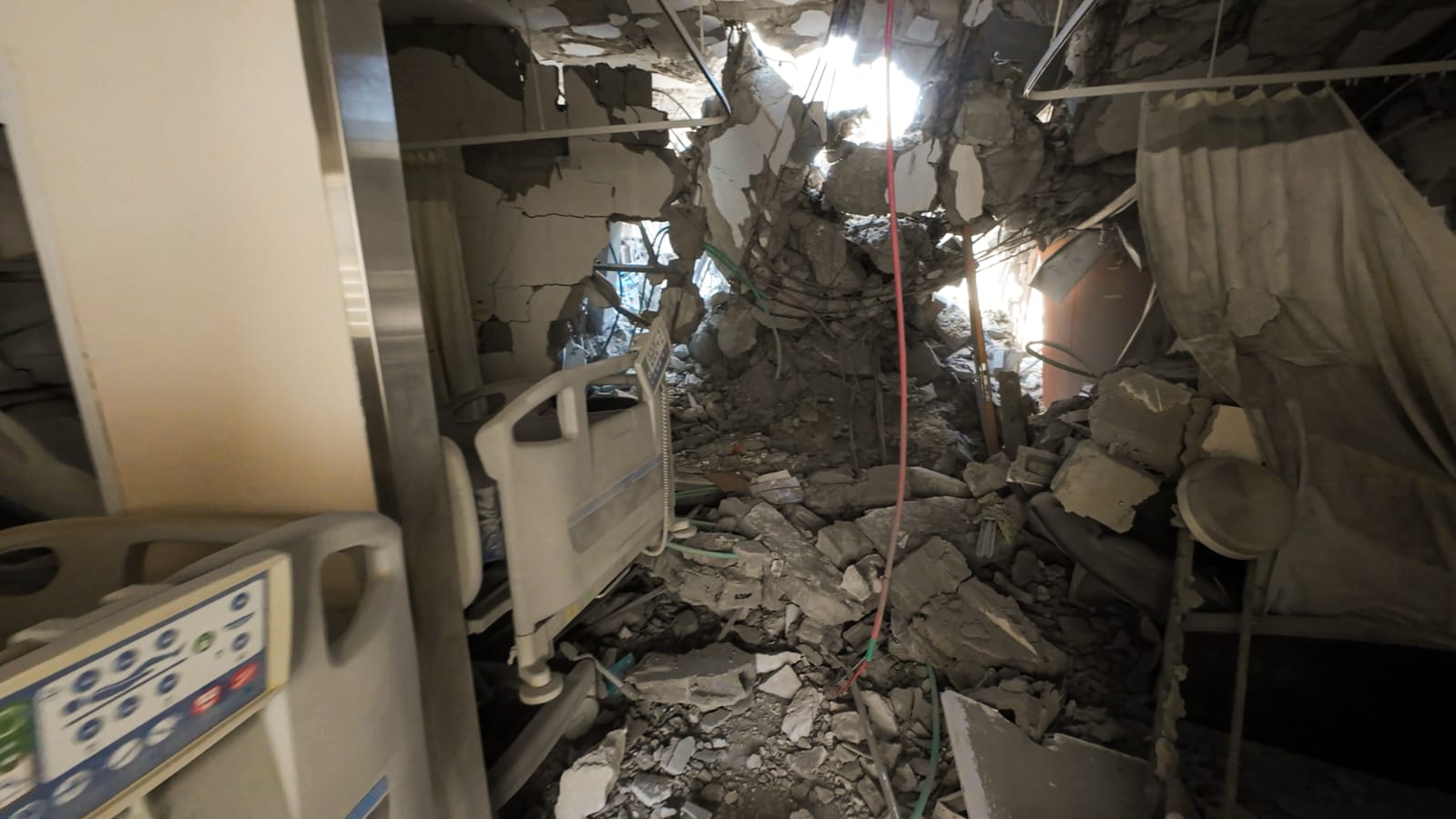
The hospital is now operating with 25% fewer beds than before the attack and 36% fewer operating rooms, only 14 of which are protected against rocket fire. Four of them are in the maternity ward.
Wards have also been shuffled around or squeezed together to deal with the shortfall, such as a gynecology department that was shut down and converted into a shared ward for both the urology and ophthalmology departments.
Codish said the first priority for the hospital is to immediately restore the damaged operating rooms and intensive care units so that the hospital can return to functioning at 100 percent capacity, with all operating rooms protected.
“If someone has a heart attack in the Negev during a time of escalation in fighting, either the medical team goes into an unprotected room to save your life or they don’t, and you either don’t live or you have significant cardiac damage,” Codish said. “This Russian roulette has to end.”
He said that once the plans for the hospital are finalized, the construction of a new completely protected building will take six or seven years.
“And hopefully people will have the vision to help us with that,” he said of efforts to raise money for the project. “Because that’s the real challenge.”
The reduction in operating rooms has also restricted work opportunities for medical professionals, leading to fears that they will leave the hospital to work elsewhere.
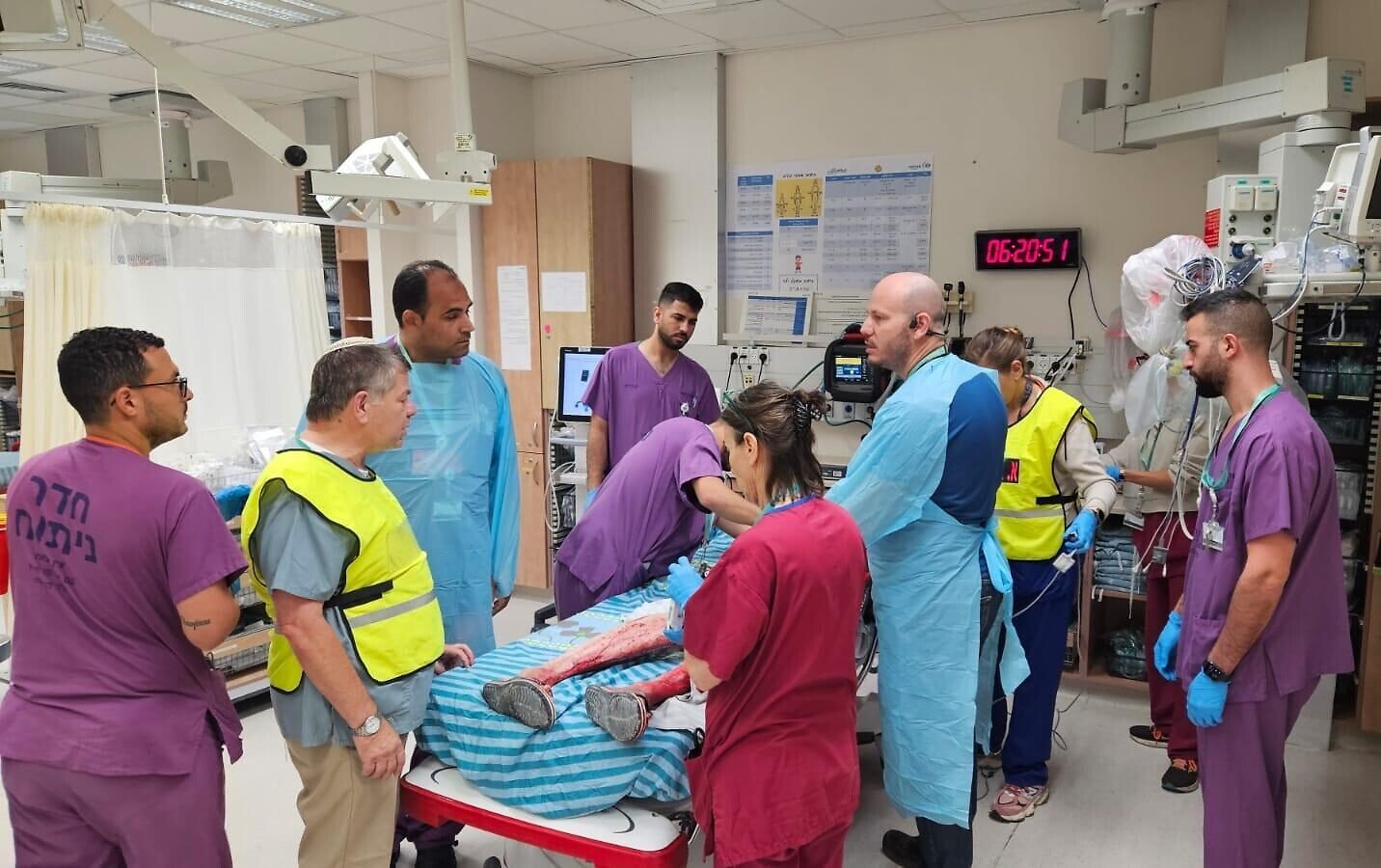
“Nurses are already leaving,” Codish said.
Doctors are also considering leaving, he said, and he sees fewer residents starting to work at the hospital because the training program is not as good as it used to be, since there are fewer operations.
“In a few years, there will be fewer doctors in the community, and you’re going to be paying for that for many years to come,” he said.
A third challenge is fortifying much of the rest of the hospital to ensure patient safety during potential future conflicts.
The hospital on the frontline
Soroka was built in the 1950s to meet the needs of soldiers and civilians in an area where fighting with Egypt was still ongoing, Codish explained.
“You know, 70 years later, we’re still doing the same thing, still on the frontline,” Codish said.
On October 7, 2023, when thousands of Hamas-led terrorists stormed into Israel, killing 1,200 people and causing widespread injuries, Soroka was among the closest hospitals to the violence, treating 674 casualties that day alone.
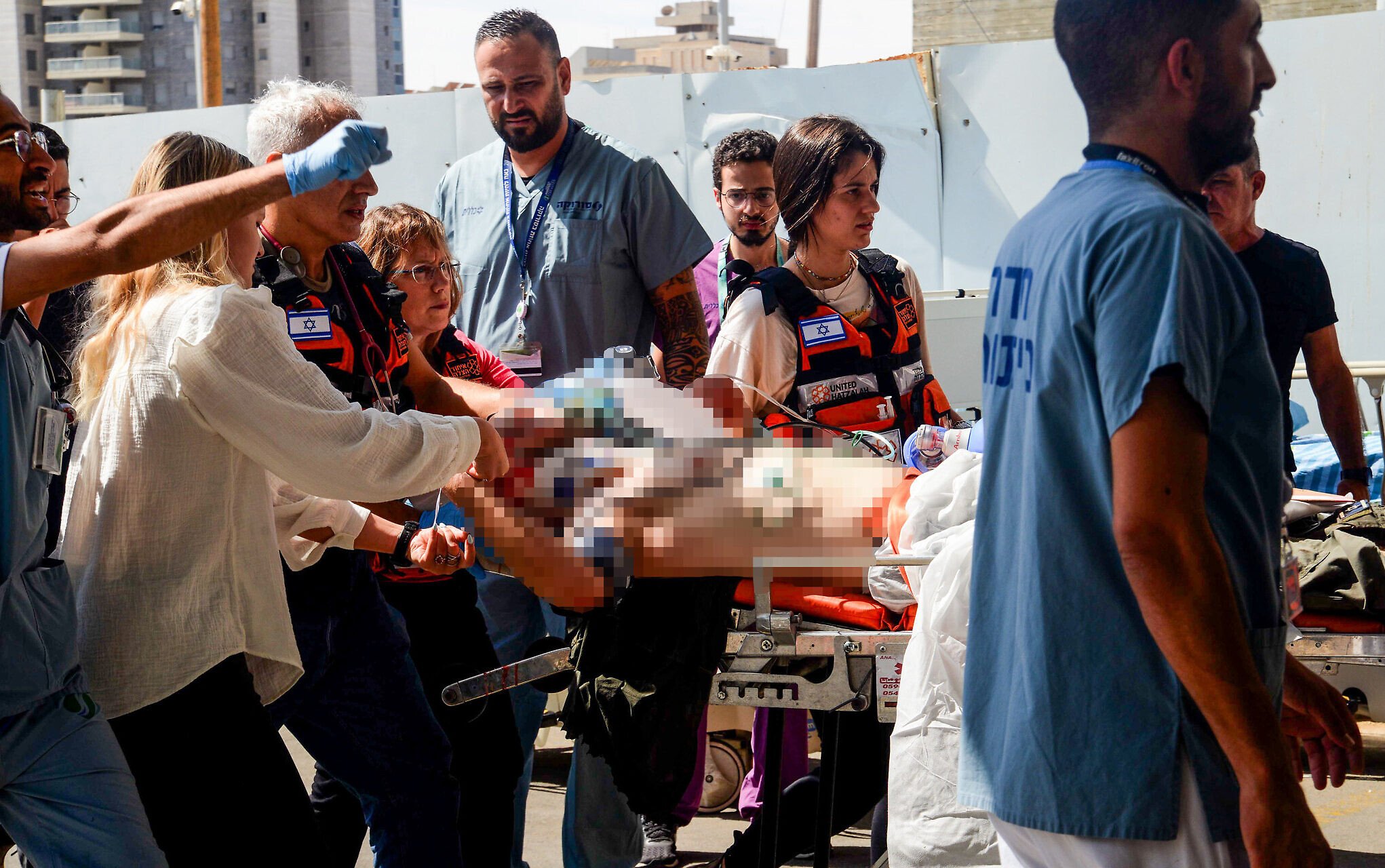
It was the largest mass casualty incident at one hospital in Israeli history, Codish said.
“It was really an outlier event in human history, and because of our ethos, what we’re meant to do, almost no one died that day at Soroka,” he said. “Once you made it to Soroka alive, you left alive. Everyone really did.”
The hospital is still on the front lines, regularly taking in soldiers wounded in the continuing war in Gaza and evacuated from the Strip by helicopter.
Since the war began, the hospital has treated over 4,400 casualties, including more than 3,300 wounded soldiers.
Fortified under fire
Codish believes reinforcing much of the hospital is long overdue, after decades of rocket fire from Gaza.
For the past 20 years, he said, the hospital has had “endless cycles of closing and opening wards and moving patients during escalations of fighting.”
Reinforcing more of the hospital against rockets and missiles will help attract new residents to the south, as well as bring back those from communities that were evacuated, he said.
“This should have happened long before, but I think an Iranian missile hitting the center was the most significant wakeup call,” Codish said. “We need to be better prepared and not rely on miracles.”



The Times of Israel Community.