

Watchdog group says Lebanese actor, framed with spying for Israel, was tortured
Human Rights Watch publishes details of Ziad Itani’s detention, during which it says he was beaten until he confessed to a crime he didn’t commit
 Add ToI as a Preferred Source on Google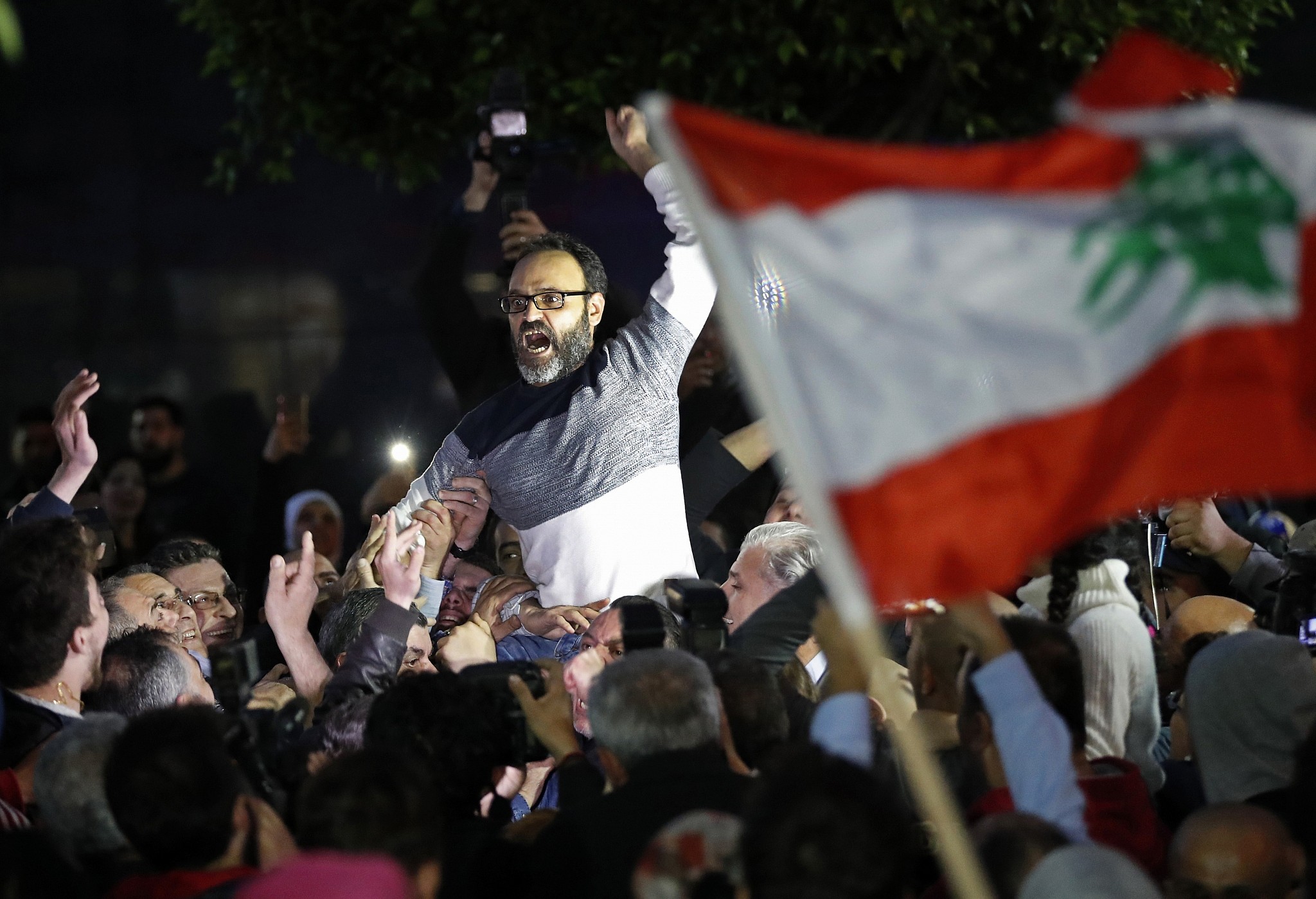
A rights group on Monday published an account of the arrest and torture of a prominent Lebanese actor who was apparently framed for spying for Israel, before eventually being cleared of the charges and released.
Human Rights Watch released the details after interviewing stage actor Ziad Itani following his release in March after he was falsely accused of espionage in November 2017.
Over the course of six days men in civilian clothes “beat him repeatedly, tied him in a stress position, hung him by his wrists, kicked him in the face, threatened to rape him, and threatened his family with physical violence and legal charges,” the rights group said.
Itani told HRW he was held by men in civilian clothes in what appeared to be an “unofficial detention center.” It was only after he signed a confession following days of abuse that he was eventually handed over to a military court.
“Lebanese authorities should conduct a thorough and impartial investigation of Itani’s allegations of forced disappearance and torture at the hands of State Security,” HRW said.
The rights organization said that although it spoke with Itani in March after his release, the actor asked that it not publish the details until now.
Relaxe de Ziad Itani, mandat d'arrêt contre Suzanne Hajj – https://t.co/GmjosIBn0F@Odiaspora_org pic.twitter.com/Ie7tc90QF5
— odiaspora.org (@Odiaspora_org) March 13, 2018
At the end of May a Lebanese court charged a high-ranking officer with “fabricating” evidence against Itani.
Lieutenant Colonel Suzanne Hajj, who headed a unit in Lebanon’s Internal Security Forces tasked with fighting cybercrime, was detained for questioning in March over suspicions she had enlisted the help of a hacker to fabricate conversations between Itani and an Israeli woman.
A source close to the investigation said Hajj had sought revenge against Itani after he shed light on her liking a controversial post on Twitter last year, after which she was demoted.
Lebanese were shocked when news broke that Itani had allegedly confessed to having been “tasked to monitor a group of high-level political figures” and their associates on behalf of Israel.
Lebanon, which technically remains at war with its southern neighbor, upholds a boycott of Israeli products and of contact with its nationals.
People close to the actor had maintined his “confession” was extracted under duress, though the authorities denied the accusation.
Itani has shot to prominence in recent years because of a series of comedy plays on Beirut, its customs, and the transformations it has undergone in recent decades.
The works — particularly “Beirut Tariq al-Jdideh,” which refers to a majority-Sunni neighborhood of the city — have been very well-received.
AFP contributed to this report.








The Times of Israel Community.