

Mamdani and Jewish allies put spotlight on immigrants at annual interfaith event
Breakfast for religious leaders focuses on activism against immigration enforcement, with mayor highlighting past Jewish civil rights activists
 Add ToI as a Preferred Source on Google
Luke Tress is The Times of Israel's New York correspondent.
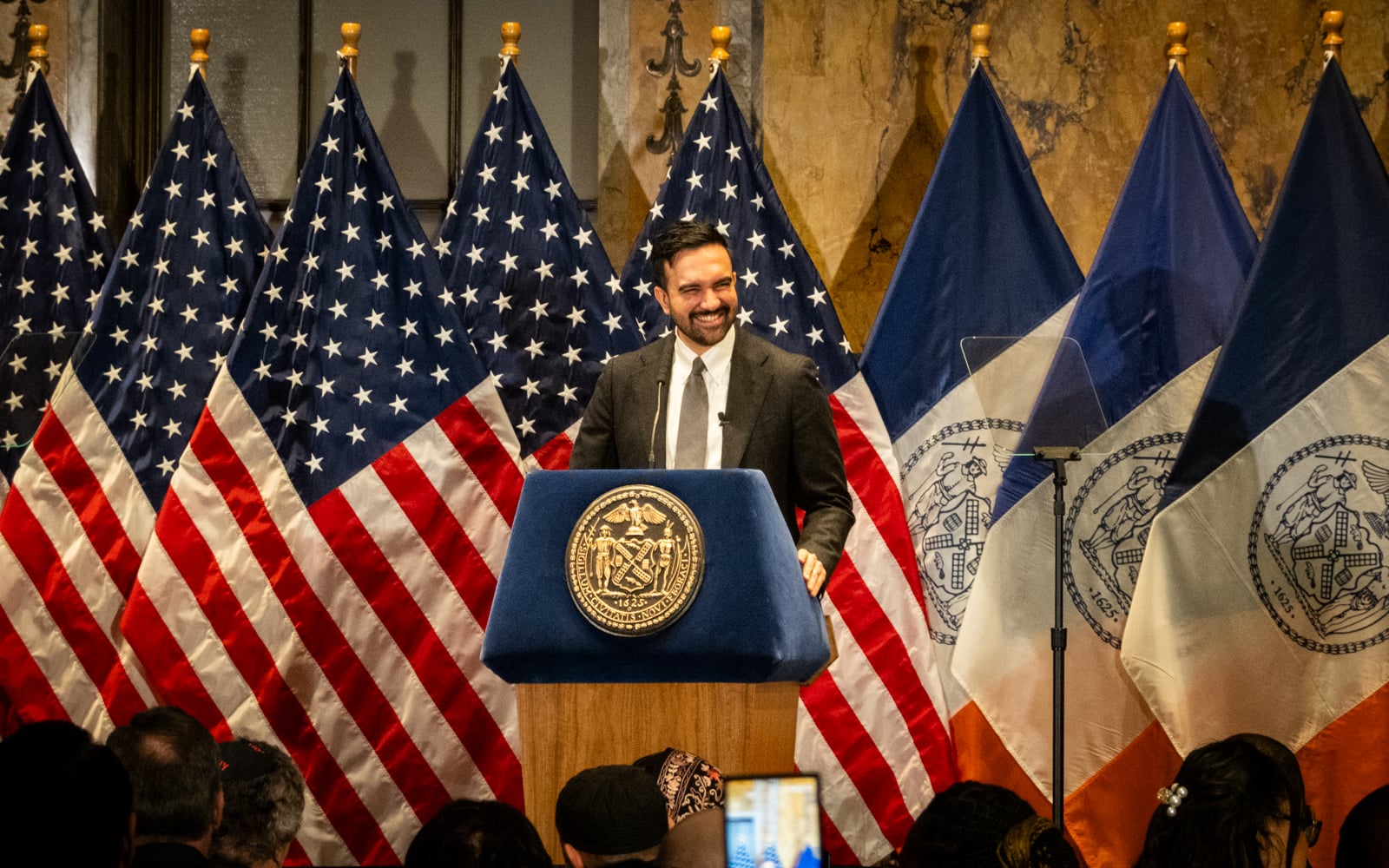
NEW YORK — New York City Mayor Zohran Mamdani and his Jewish allies focused on activism for immigrants at an annual interfaith event hosted by City Hall on Friday.
Advocacy for immigrants has become a focus for the American left in recent weeks due to the Immigration and Customs Enforcement (ICE) crackdown that has seen agents shoot dead two activists.
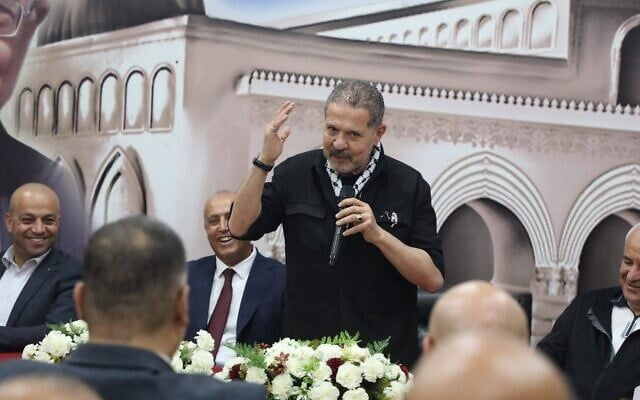
Friday’s event took place in a packed ballroom at the iconic New York Public Library in Midtown Manhattan.
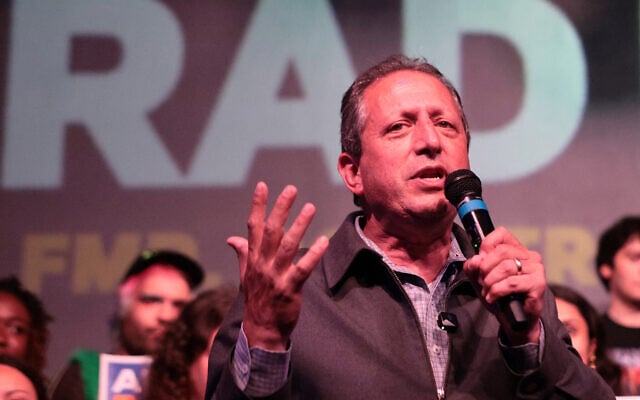
The Jewish sponsors were the progressive groups Jews for Racial and Economic Justice, the New York Jewish Agenda, and The Nexus Project, a group opposed to antisemitism.
Mamdani revoked City Hall’s use of the IHRA definition of antisemitism, which covers some forms of Israel criticism, when he took office. The Nexus Project offers another framework that is more permissible toward anti-Israel rhetoric.
In addition to Mamdani’s leftist allies, there were Conservative, Orthodox and Hasidic community leaders in attendance.
Leftist Jewish groups’ leading role marked a break from Mamdani’s predecessor, Eric Adams, who was most closely aligned with Orthodox communities and centrist, pro-Israel Jews.
Rabbi Arthur Schneier of Manhattan’s Orthodox Park East Synagogue was slated to deliver a prayer, but did not attend, leaving the speakers’ list without an Orthodox representative.
Mamdani indicated Schneier was unable attend due to illness, sending him “our hopes for a quick recovery.”
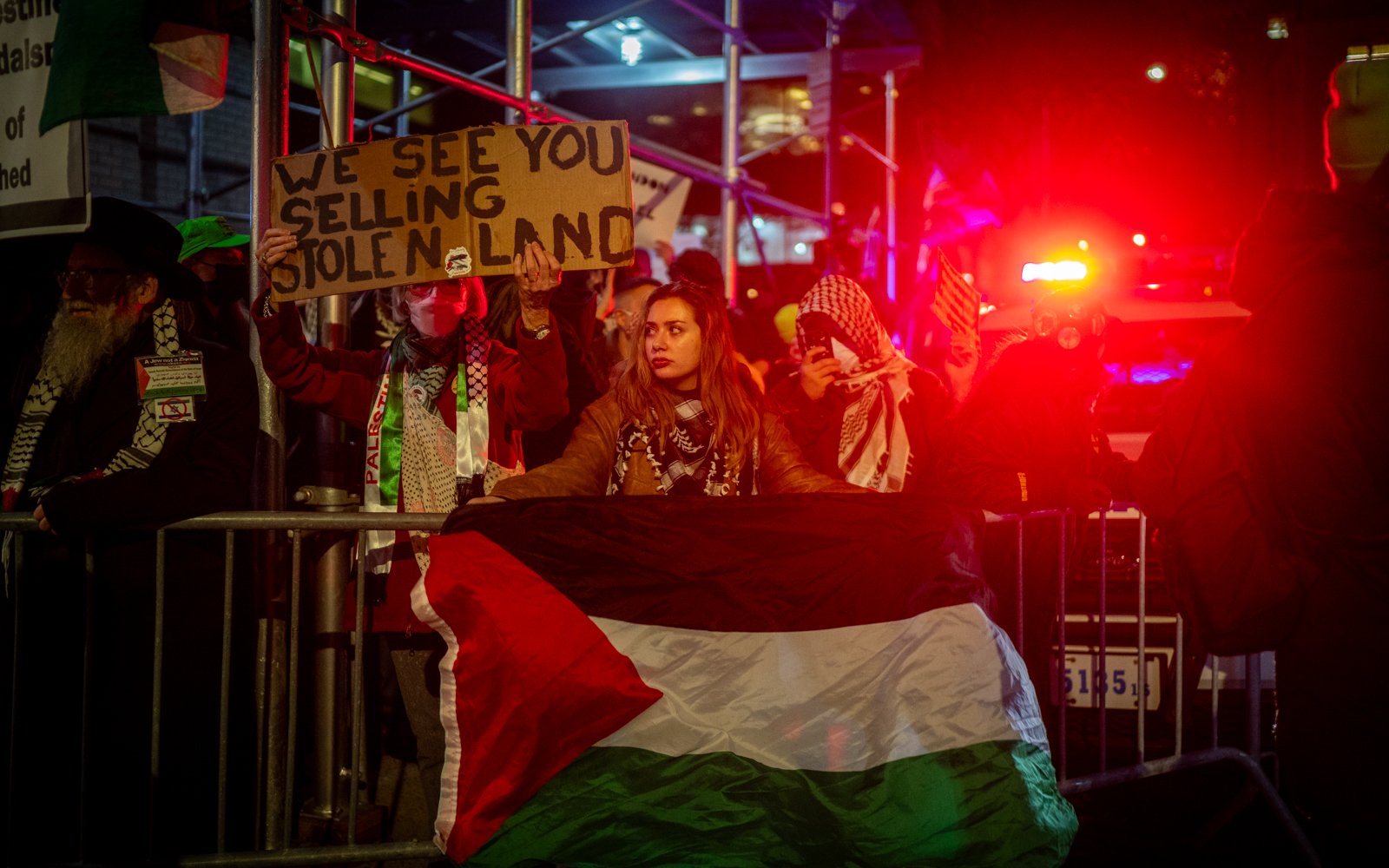
Schneier’s congregation was targeted in a vitriolic protest late last year. Mamdani sparked a firestorm of criticism after the protest for speaking out against the protesters, and the synagogue, which he said had violated international law due to the immigration event’s connection to West Bank settlements.
Other speakers and attendees at the breakfast represented Muslim, Christian, Buddhist and Hindu communities.
Some mainstream Jewish groups that traditionally sponsor the event opted not to do so this year, reflecting communal tensions with Mamdani’s administration.
Speakers at the event repeatedly called for activism against the Trump administration’s immigration crackdown. There were no mentions of Israel or the Palestinians.
Rabbi Emily Cohen of the Reconstructionist West End Synagogue, one of the featured speakers, recounted her recent arrest during a protest against ICE, along with other clergy.
“Religion is often characterized as a home for the right, but I’m continually inspired by the religious left,” Cohen said. “I’m continually inspired by ordinary people who wear their faith not as a suit of armor guarding against the other, but as a big coat warming us against an icy world.”
Mamdani highlighted his multi-faith upbringing in the city “as a Muslim kid with a Hindu mother” and Jewish friends.
“I still remember coming home from a friend’s bar mitzvah one night and demanding an explanation from my father. ‘Baba,’ I asked, ‘Why don’t Muslim kids have bar mitzvahs too?’” he said. “And over the past fifteen months, as I ran to become Mayor of our incredible city, that encounter only deepened as I came face-to-face with the living tapestry of faith that is New York.”
Mamdani also leaned into activist faith, saying, “If anything unifies every religion across our city, it is an understanding of faith not solely as a tool for reflection, but as a call to action.”
He referred to Michael Schwerner and Andrew Goodman, Jewish civil rights advocates who were murdered for their activism in 1964, and the civil rights leader Rabbi Abraham Joshua Heschel.
“If faith offers us the moral compass to stand alongside the stranger, government can provide the resources,” Mamdani said, announcing an Executive Order with several measures to protect immigrants.
“Together, New York, let us love the stranger among us, because we are them, and they are us,” Mamdani said.


The Times of Israel Community.