

MKs urge president to pardon man who killed his rapist
Noting his lack of criminal record and victim status, at least 65 lawmakers say Yonatan Hilo, now serving 12 years, should be freed, weeks after Supreme Court shaved 8 years off sentence
 Add ToI as a Preferred Source on Google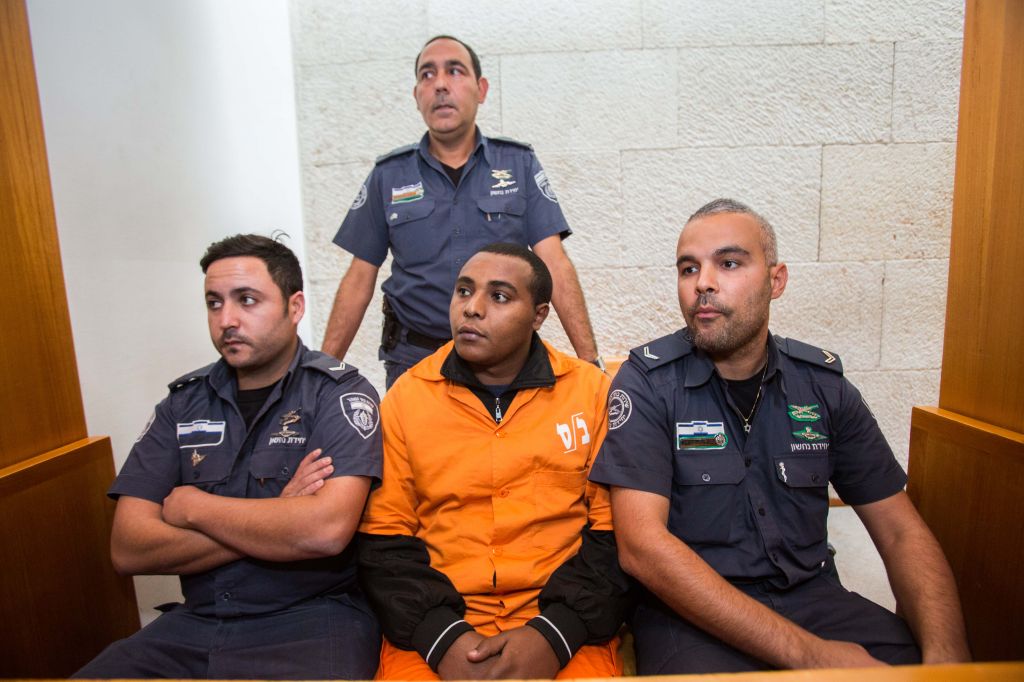
Over half of the Knesset’s lawmakers on Tuesday signed a letter to President Reuven Rivlin calling on him to pardon a convicted killer serving a 12-year jail sentence for slaying the man who raped and abused him.
The letter, drafted by Knesset Deputy Speaker Yoel Hasson (Zionist Union), noted that Yonatan Hilo, a young man of Ethiopian origin, had no criminal record and was a victim.
At least 65 Knesset members from both sides of the aisle had signed the letter as of Tuesday afternoon, according to the Walla news website. No ministers were among the signatories.
In 2010, Hilo killed Yaron Ayalon after Ayalon repeatedly raped, robbed and blackmailed him over a period of several months.
The Supreme Court on May 31 reversed Hilo’s 2013 murder conviction, convicting him of manslaughter instead and whittling down the jail time from 20 years to 12.
“Hilo had been exposed to verbal, physical and lasting mental abuse from a neighborhood bully,” the letter from the MKs read, according to Walla.
In December 2014 the Lod District Court, while recognizing Hilo as a rape victim, rejected his self-defense claim on the grounds that he hadn’t reported the assaults to police and that several weeks had elapsed between the last assault and Ayalon’s killing.
But in its response to Hilo’s appeal in late May, the Supreme Court recognized the “ongoing taunting” that Hilo had suffered “over a long period of abuse by the deceased toward the appellant, which included a web of violent incidents, threats of violence including threats on the appellant’s life, financial extortion and sexual abuse, which included two acts of sodomy.”

In their verdict, the judges wrote that this was “one of the cases in which the law falls short of encompassing the full complexity of life and of human suffering.”
Consideration for the distress of an individual had to be balanced against society’s need for justice, the judges wrote. They added that the need to protect the sanctity of life for all, including those who have committed crimes, had to be considered alongside the fear of legitimizing an individual’s authority to mete out justice and revenge.
Hilo’s lawyer Alon Eisenburg told Israel Radio in May that his client should have been completely cleared of any crime.
Ayalon, a convicted felon, had made comments to Hilo during a 2010 Lag B’Omer celebration suggesting that he intended to rape him again, according to reports about the incident. Later that evening, when Ayalon went to urinate in an alley and had his back turned, Hilo jumped him from behind, strangled him and beat his body with a rock.
Hilo turned himself in to police the following day and said he did not intend to kill Ayalon, only teach him a lesson.
Sue Surkes contributed to this report.










The Times of Israel Community.