

Northern residents to dig in search of cross-border tunnels
Move by Zarit villagers comes after army rejects claims of Hamas-style Hezbollah underground infrastructure
 Add ToI as a Preferred Source on Google
Marissa Newman is The Times of Israel political correspondent.
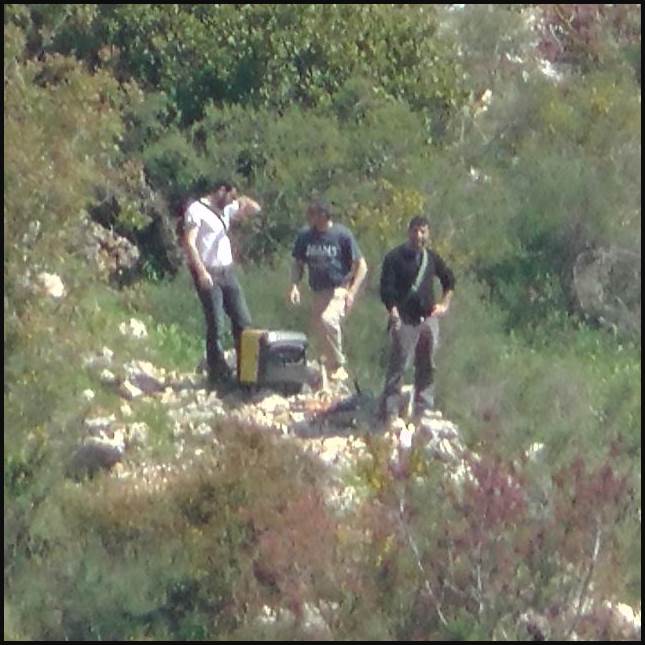
Israeli residents of a small village on the border with Lebanon plan to begin searching for tunnels they fear are being dug under their homes by Hezbollah fighters, after they say the IDF refused to investigate despite their repeated complaints.
The residents of Zarit said they intend to get ready to dig in areas believed to conceal cross-border tunnels, and will then seek to coordinate with the Israel Defense Forces, the NRG Hebrew website reported.
“In a meeting that we held yesterday, we made the decision to dig ourselves, because the army is not willing to do it,” Yossi Adoni, the head of the moshav’s council, told the news outlet on Wednesday. “We’ve started preparing the logistics, and as soon as we’re ready, we will tell the army when we are doing the excavations, and we’ll do it ourselves.”
Residents of northern towns raised alarms over the summer regarding the possibility of the Lebanon-based Hezbollah terror group tunneling below the border to carry out attacks, after an extensive series of underground passages dug by Hamas were discovered under the Gaza border. Some 30 tunnels were demolished during the summer war; 11 soldiers were killed inside Israel by Hamas gunmen emerging from the tunnels.
The Zarit residents have sent complaints in past months to the IDF, arguing that they hear drilling and are “certain” the tunnels exist. The army maintained that there are no known tunnels extending from Lebanese territory into Israel.
Last week, IDF Brigadier General Oshri Lugassi and chief engineering officer told Army Radio that Hezbollah did not have a tunnel system in northern Israel comparable to that of Hamas in the Gaza Strip.
“The infrastructure we encountered during Operation Protective Edge — there is no infrastructure like this across the border with Lebanon. The IDF is making numerous efforts to ensure that there are no tunnel systems on the northern border at all,” he said.
Adoni said the residents of Zarit would begin tunneling at three points where they believed a tunnel lay, but that regardless of whether they unearthed a tunnel, they would continue to be concerned for their safety.
“We cannot leave this matter without answers. We hope to find nothing — at least at this specific site — but we will not be relaxed afterwards either, because we are sure that there are tunnels and that Hezbollah is trying to dig and reach into Israeli territory. We will always be concerned,” he said.
[mappress mapid=”4968″]
A dirt contractor from central Israel advised the Zarit residents that it would be difficult to carry out the tunneling without IDF intervention, and said the army had repeatedly asked him not to do it “because there are problems.”
In September, a senior IDF official warned that while Hezbollah has no immediate plan to attack Israel, a minor security incident could erupt into a full-fledged war on Israel’s northern front during which the terror organization would likely try to capture swaths of the Galilee.
The official, however, added that, despite Hezbollah’s prowess in tunnel-digging, he was not aware of any attack tunnels extending into Israel’s territory.
“It’s likely Hezbollah has been engaged in this, but I don’t know of any tunnel in the area that is ready for attack. Hezbollah entered the underground world before Hamas even thought of it, and Hezbollah explained to Hamas how to prepare this sort of action,” he noted, adding that infiltrations into northern towns were possible without the use of tunnels.
Hezbollah has managed a number of cross-border attacks on Israel, sometimes placing explosives next to army infrastructure. In 2006, the group killed two soldiers and nabbed their bodies, sparking a bloody war.
An armistice line, known as the Blue Line, between Lebanon and Israel was drawn up by the UN in 2000, after IDF troops withdrew, ending a 22-year presence in the country’s south.
Adiv Sterman and Times of Israel staff contributed to this report.









The Times of Israel Community.