

Oscar-winning filmmaker moves to Israel and trains his lens on October 7 survivors
Richard Trank, who produced over a dozen films on Jewish and Israeli themes, feels there is ‘a lot I can contribute’ by settling in the Jewish state after decades in Los Angeles
 Add ToI as a Preferred Source on Google
Amy Spiro is a reporter and writer with The Times of Israel
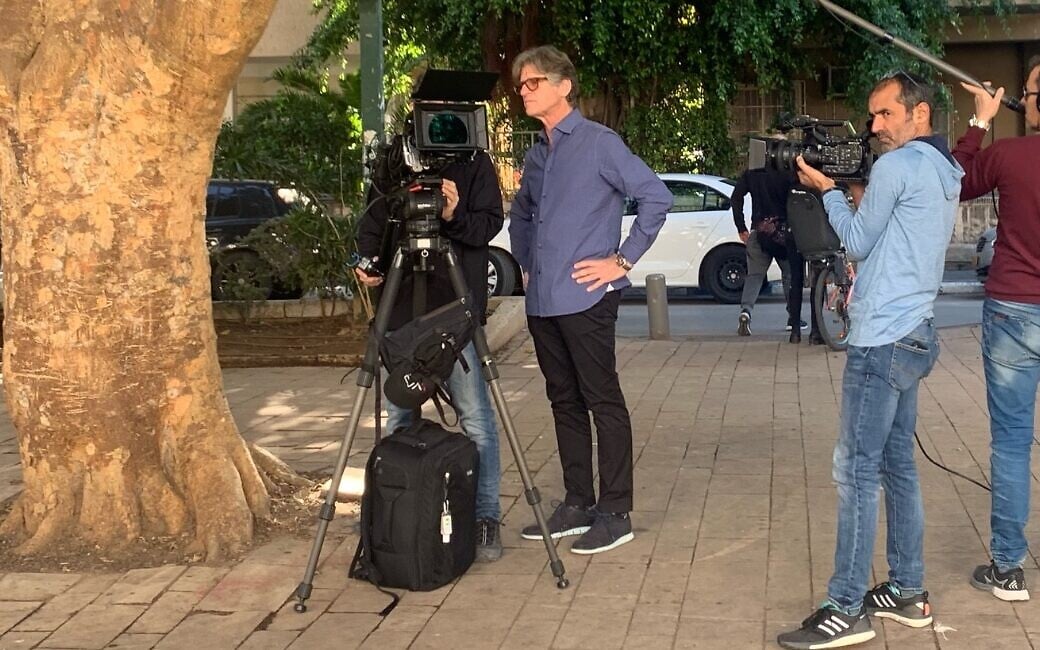
Oscar-winning filmmaker Richard Trank has been making documentaries about Israel for decades. Today, he finally lives here.
“I wish I had made this decision earlier,” Trank told The Times of Israel about his aliyah to Israel last month, after a lifetime living and working in Los Angeles. “But I can’t change that.”
One of the first films Trank is working on under his brand-new production company, Sea Point Films and Media, aims to tell the story of Israelis recovering from the October 7 attacks and their rehabilitation journeys.
“I started thinking about really a post-October 7 project, because we all know what happened on October 7. We’ve all heard the stories, and it’s important to tell those stories,” Trank said during a recent video interview from his new home in Herzliya. “But I started thinking about, how do you come out of that? How do you rebuild your life?”
That film, titled “The Road Home,” is part of a fresh start for Trank, who spent more than 40 years at the Simon Wiesenthal Center in Los Angeles, spearheading its Moriah Films production branch, helping to create an impressive slate of award-winning documentary films on Jewish and Israeli themes.
Trank left the Wiesenthal Center at the beginning of this year, around a year after its founder, Rabbi Marvin Hier, retired from the helm.
“At the end of 2023, new leadership came in, and they made a decision to move Moriah into a different direction, away from documentaries,” Trank said. “And there really wasn’t a place for me.”
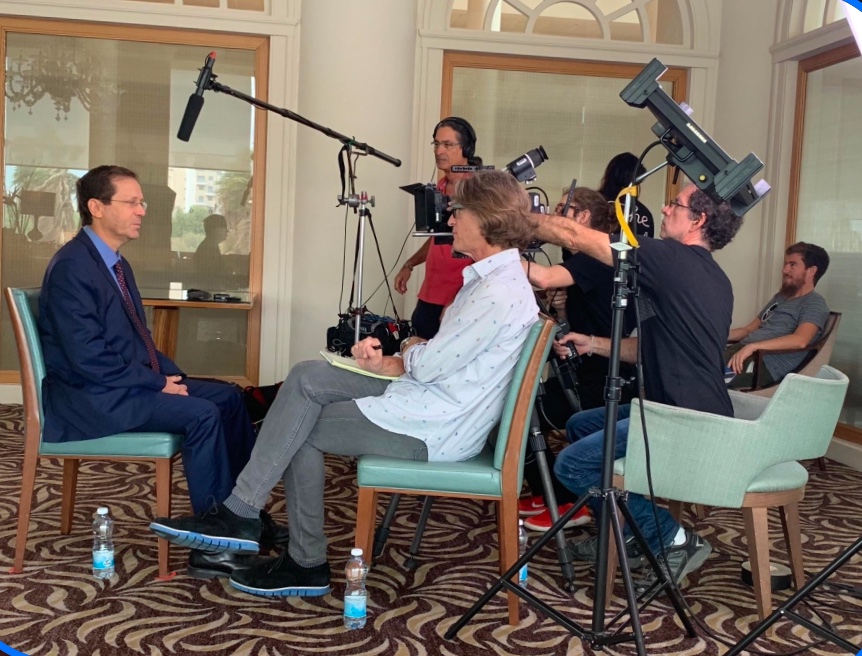
The departure marks a major shift for Trank, who wrote and directed 16 documentary films for Moriah, telling stories of Jewish and Israeli life and working with some of the biggest names in Hollywood. His most recent film, “Never Stop Dreaming: The Life and Legacy of Shimon Peres” – narrated by George Clooney – is currently streaming on Netflix.
Prior to that, he adapted Yehuda Avner’s book “The Prime Ministers” into a series of two films that included Sandra Bullock, Michael Douglas, and Christoph Waltz, in voice acting roles. Trank’s film on Theodor Herzl was narrated by Ben Kingsley, and past documentaries also featured Nicole Kidman, Michael Douglas, Dustin Hoffman, and Morgan Freeman.
The last project he completed before leaving the Wiesenthal Center was a long-in-the-making documentary about David Ben Gurion, narrated by Julianna Margulies, which has yet to be released by Moriah.
“It’s really up to Wiesenthal about what they ultimately do with that film,” said Trank. “But I’m proud of it.”
Trank won the Academy Award for best documentary for co-producing 1997’s “The Long Way Home,” about the journeys of Holocaust survivors in the aftermath of World War II.
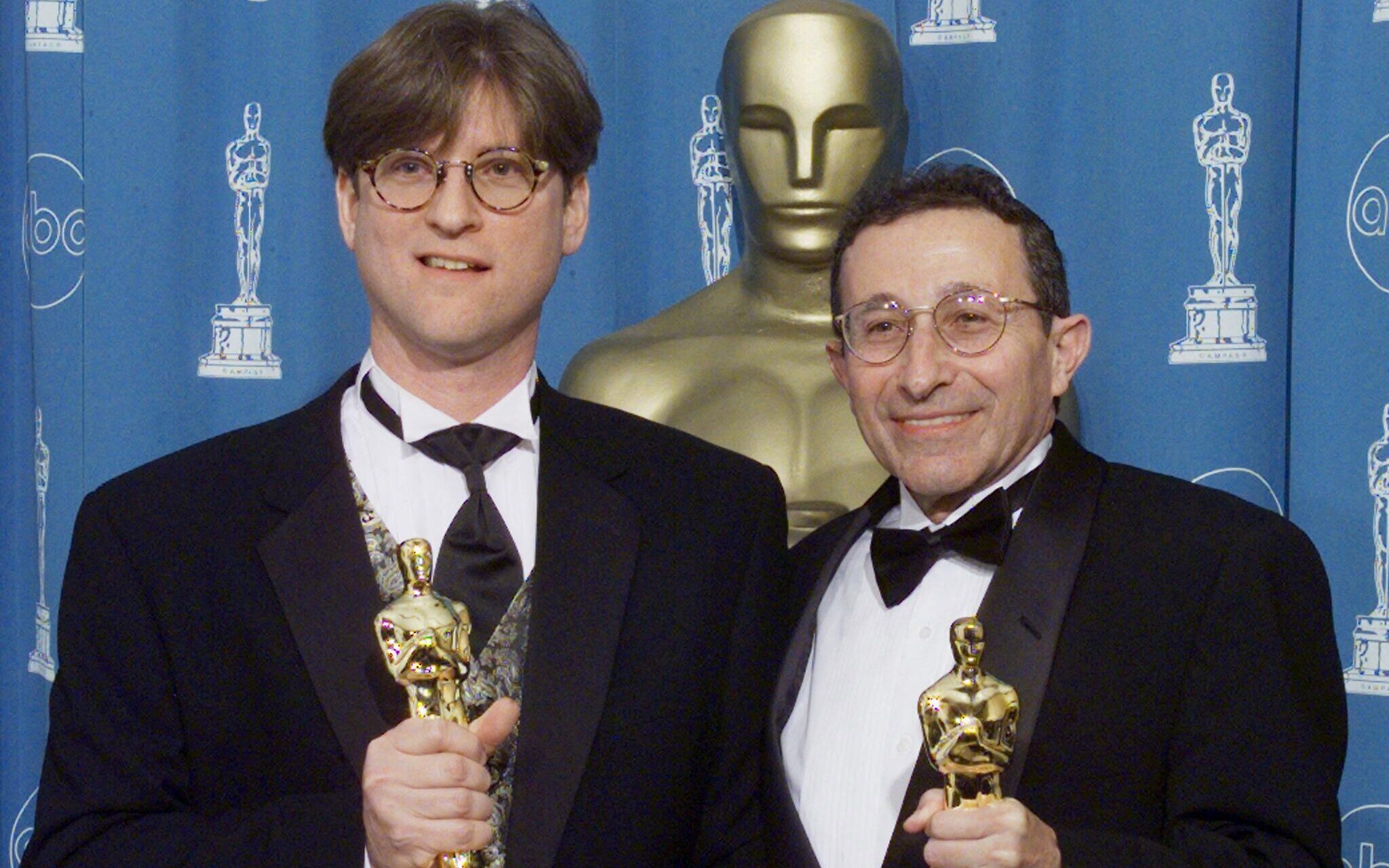
In many ways, he said, “The Road Home” — exploring the journey of October 7 survivors — mirrors that film’s exploration of how Holocaust survivors started over and rebuilt their lives in the wake of World War II.
“I thought back about the survivors that I grew up with who went through the Shoah, and how did they do it, and how these people are doing it,” said Trank. “And then I thought about, what if we did a film that was, in some ways, ‘The Long Way Home’ of October 7… This is about Israelis who are rebuilding their lives.”
During one interview with a survivor of the Nova festival massacre, Trank said, he was struck by “the trauma that she went through, but at the same time, this determination to go on with life and rebuild and not let this stop her from living the life she wanted to live.”
Trank is also currently deep into filming “Always 28,” a documentary about Nathan Baskind, a Jewish US Army officer who fought during World War II, was wounded and captured and buried alongside German soldiers in a Nazi mass grave. Only 80 years later, Baskind’s remains were recovered and he was reburied in a full military Jewish funeral in the Normandy American Cemetery in France.
Setting out on his own after 40 years at Wiesenthal, Trank is finding no shortage of stories to tell, and “I’m doing things I’ve never done before, professionally… and the fact that I’m doing it here in Israel, to me, that’s the most amazing thing.”
Trank said he feels like “a little bit of an anomaly in the whole aliyah thing — because I’m not religious, and I didn’t come here to retire, and I’m not in high tech or venture capital,” he said. “But I feel like there’s a lot I can contribute here, where it might have gotten lost in the States. And with everything that’s going on in the States, I need to be here. I don’t have to hide who I am.”
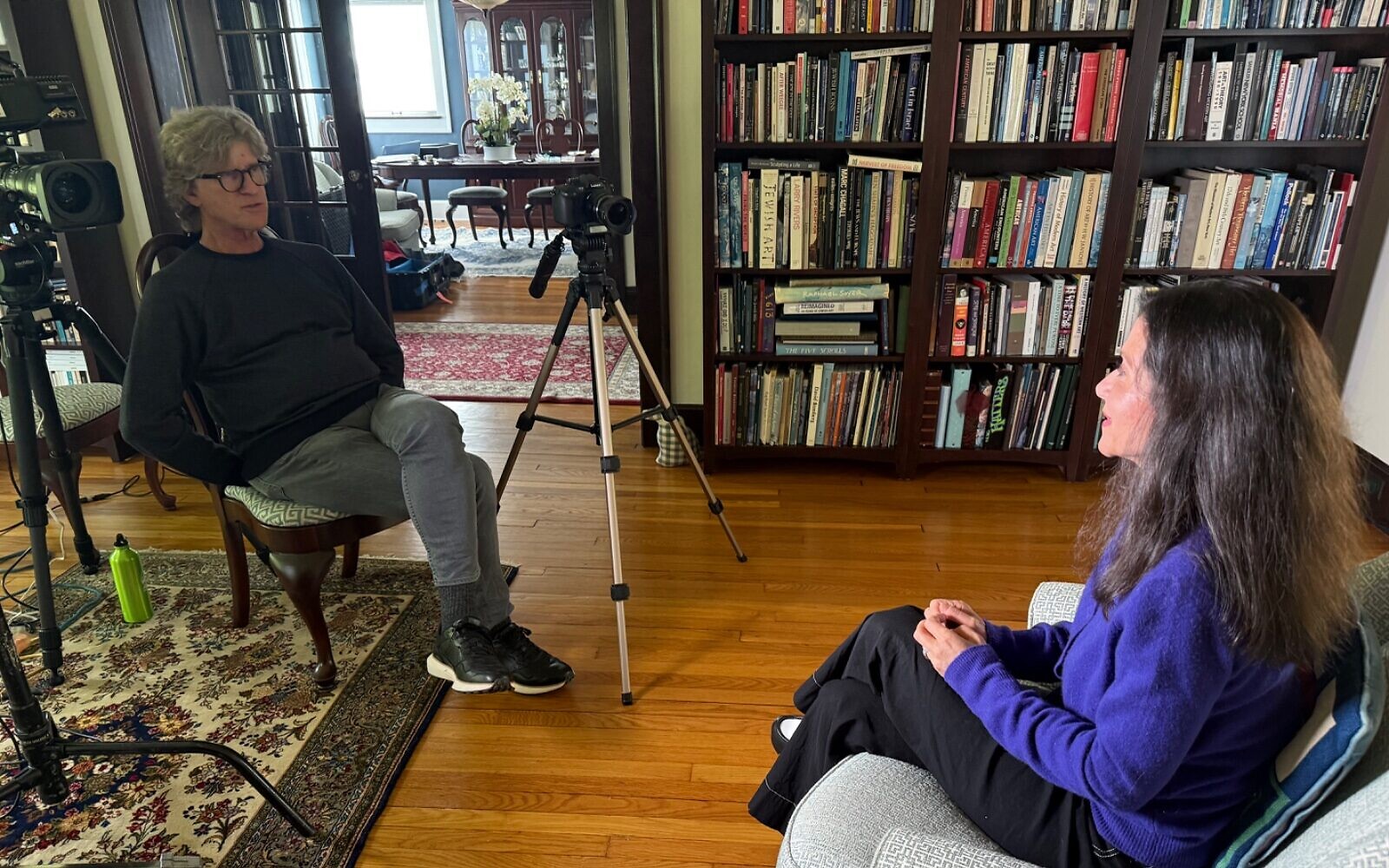
Though he had been to Israel many times over the years for filming and work trips, he still felt emotional landing in Tel Aviv on his aliyah flight in October alongside his partner and their two dogs.
“Landing here and knowing that as I got off that plane, I was a citizen… was very, very, very exhilarating,” he said. “I wake up every day feeling so lucky and alive here.”
As he works on his Hebrew, adjusts to the culture shock and navigates Israeli bureaucracy, Trank is approaching his new start with an upbeat attitude.
“People tend to stress the negative rather than the positive, and I tend to follow what Shimon Peres believed about optimists and pessimists,” he said. “They live different lives, but at the end, they both die. So which road do you want to take?”
Trank said while it is a challenge to leave his two children behind in Los Angeles – Emma, who works as a reality TV producer and Josh, a film director who was behind Marvel’s “Fantastic Four” – he no longer felt at home in California.
For years, he said, it was a challenge to get traction for his films in the mainstream documentary world, even before October 7, and over the past two years, he said, “it’s only gotten worse.”
“If you’re doing anything that isn’t critical of Israel, critical of Zionism, it’s very difficult to break through in the mainstream festivals,” he said, lamenting that narrative and documentary projects about Israel and Jews are often a tough sell. “I’m hoping that in my own small way, I can do something to help change that narrative.”





The Times of Israel Community.